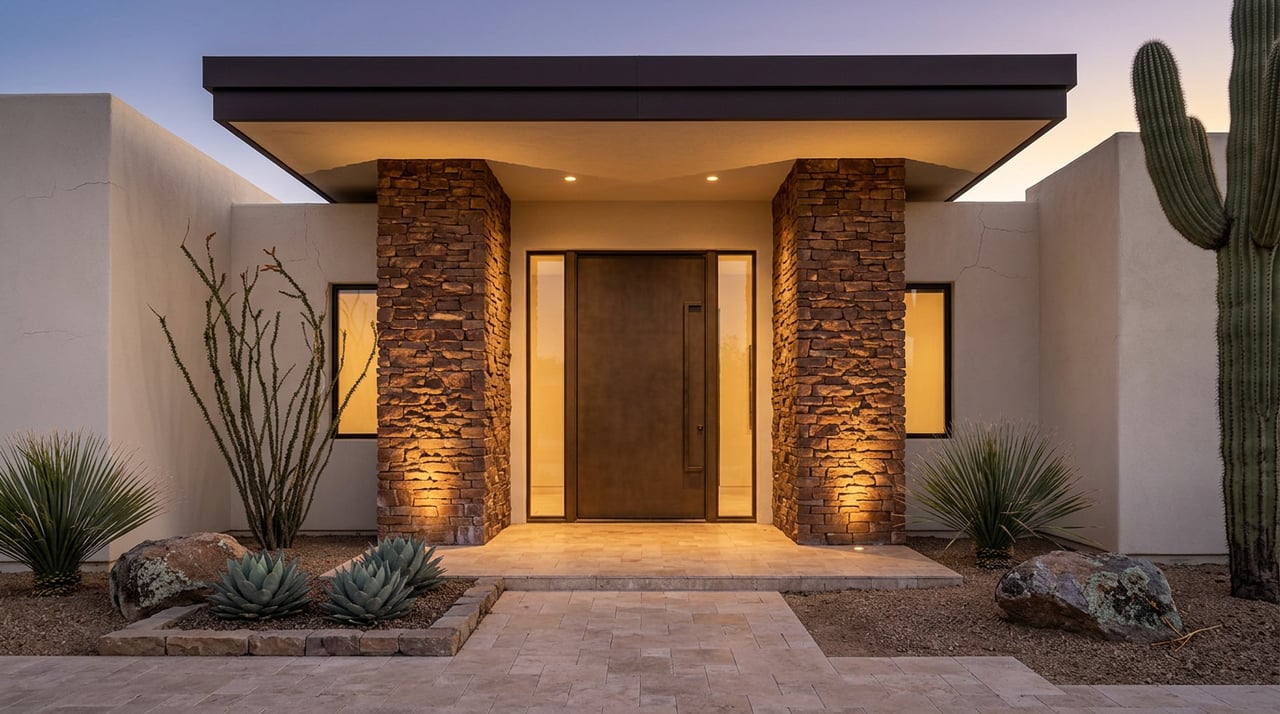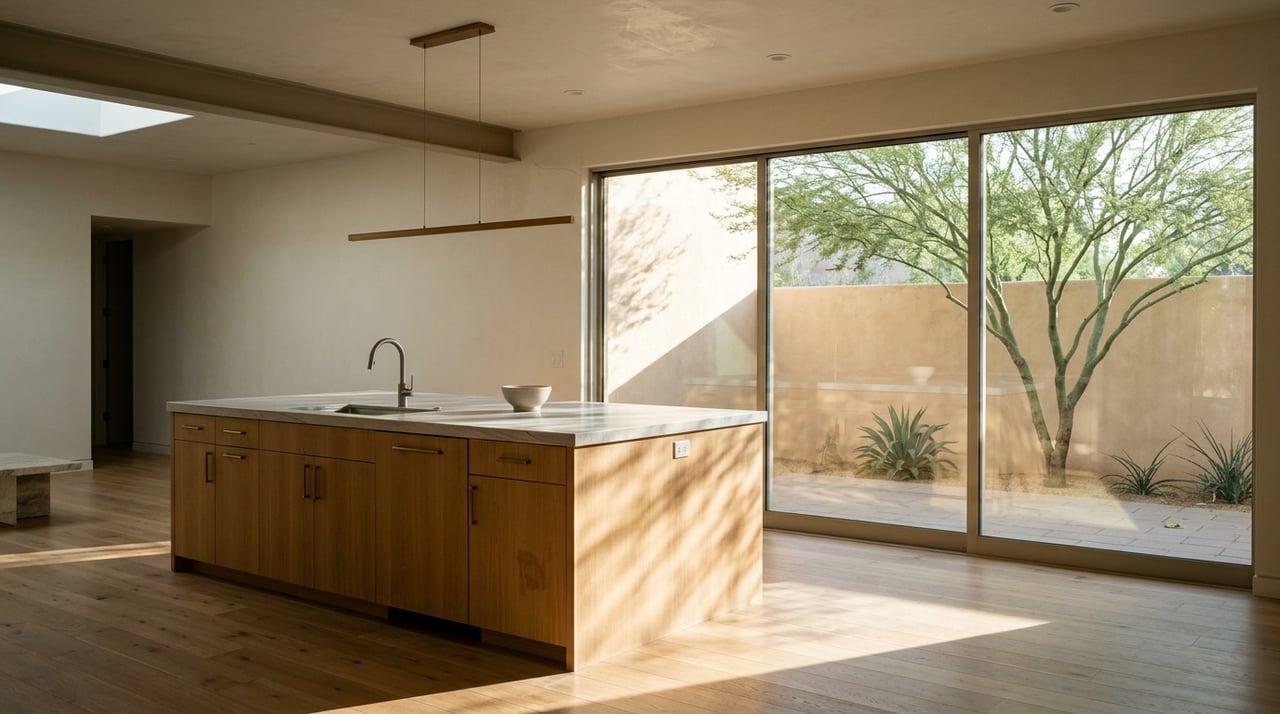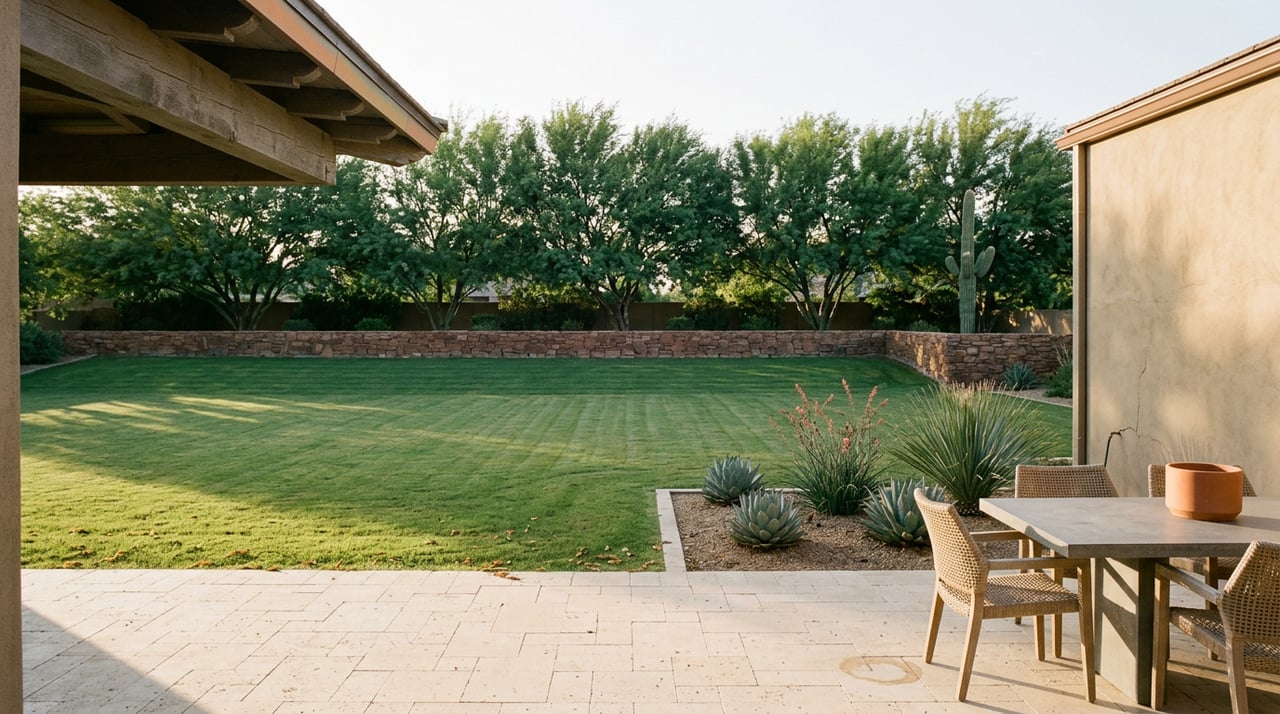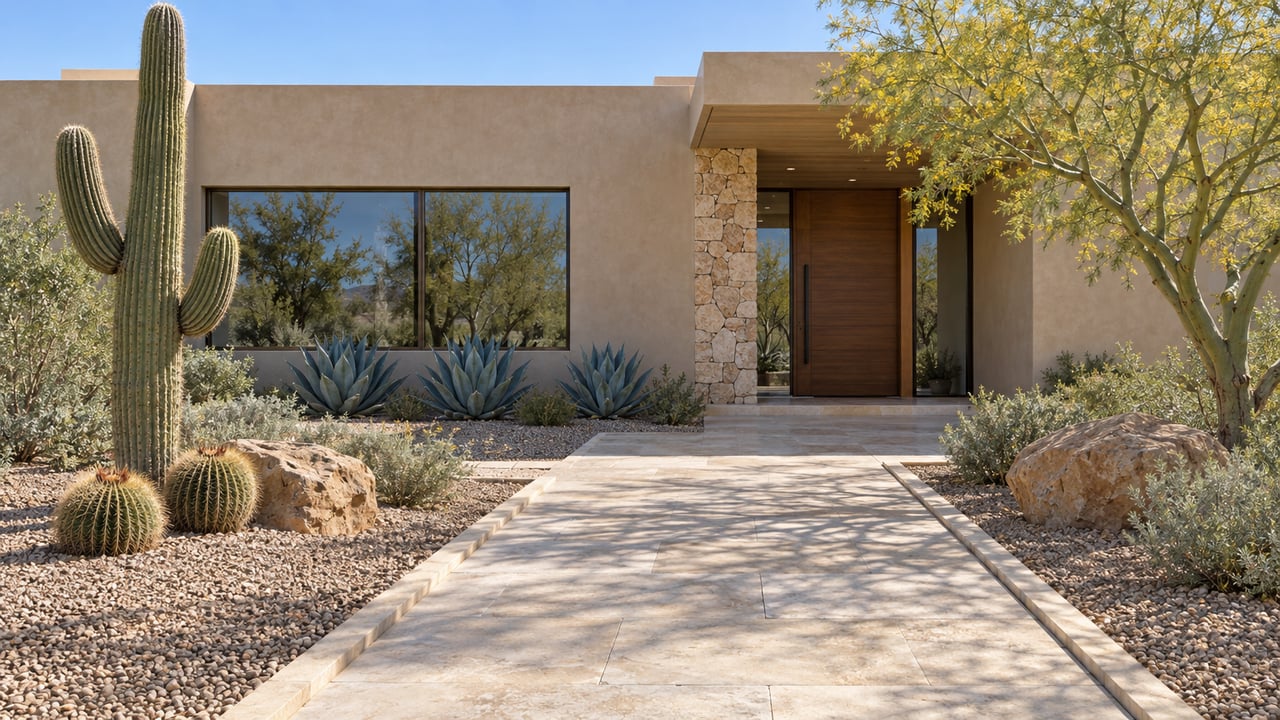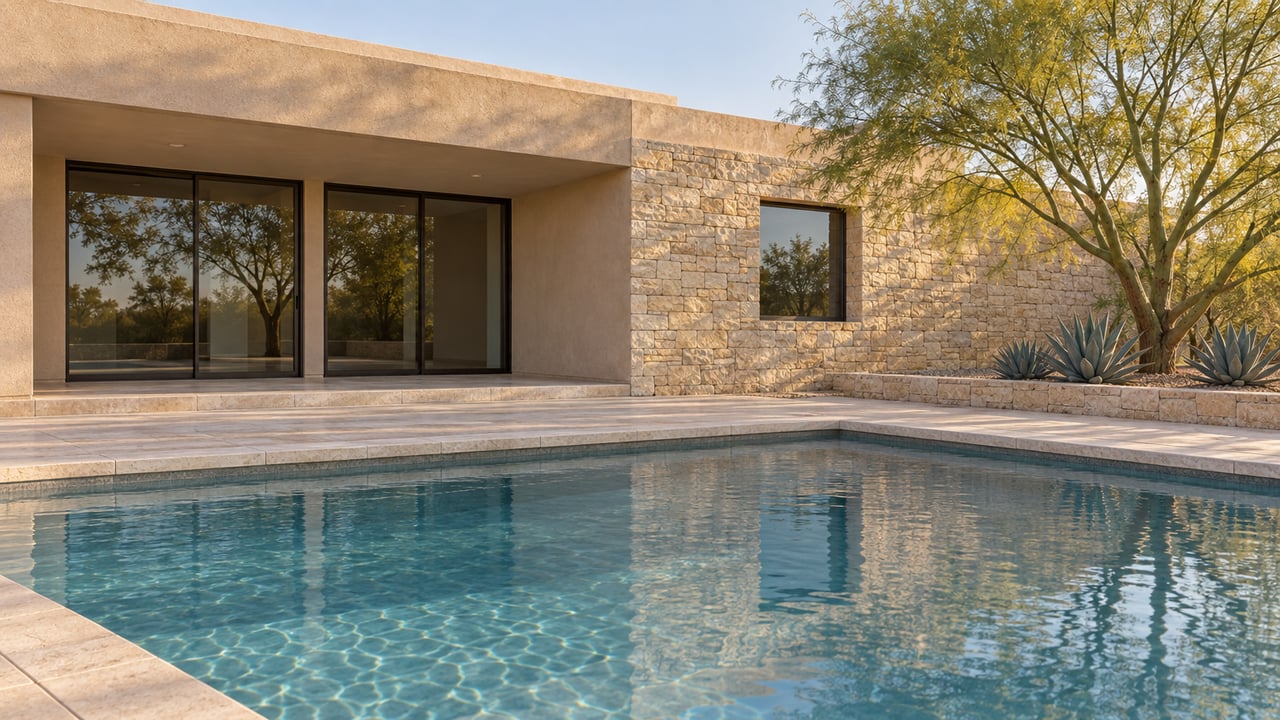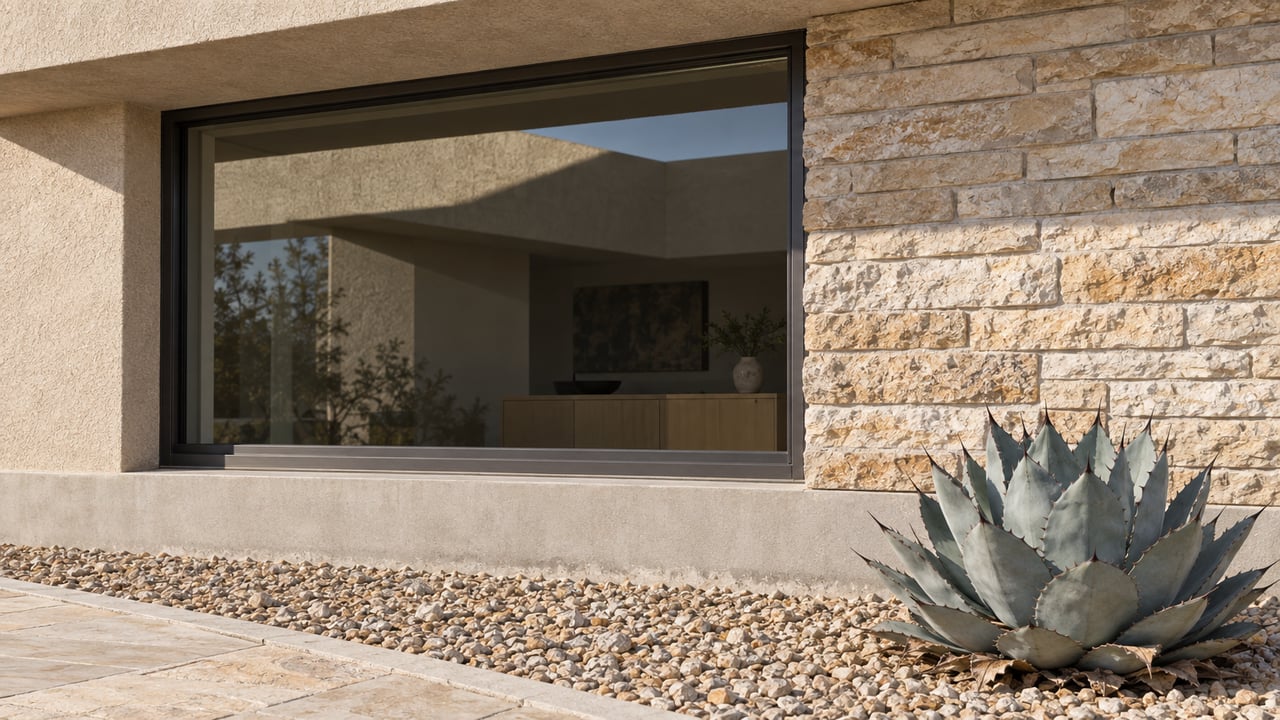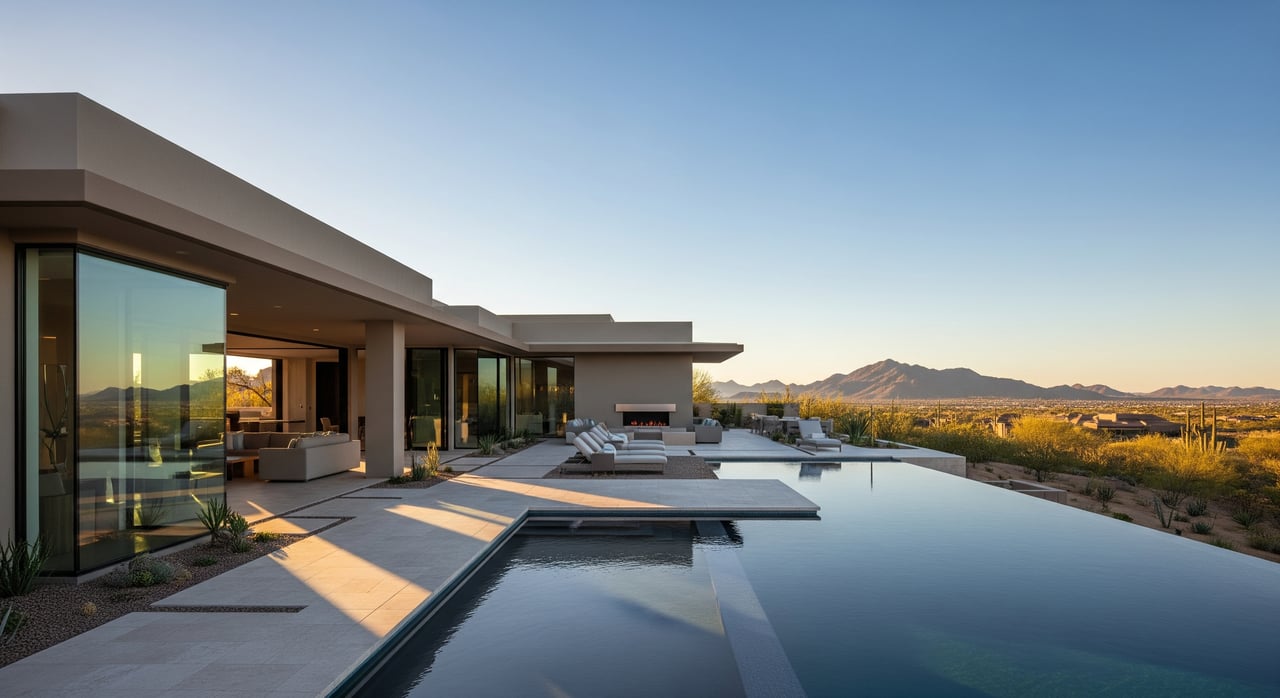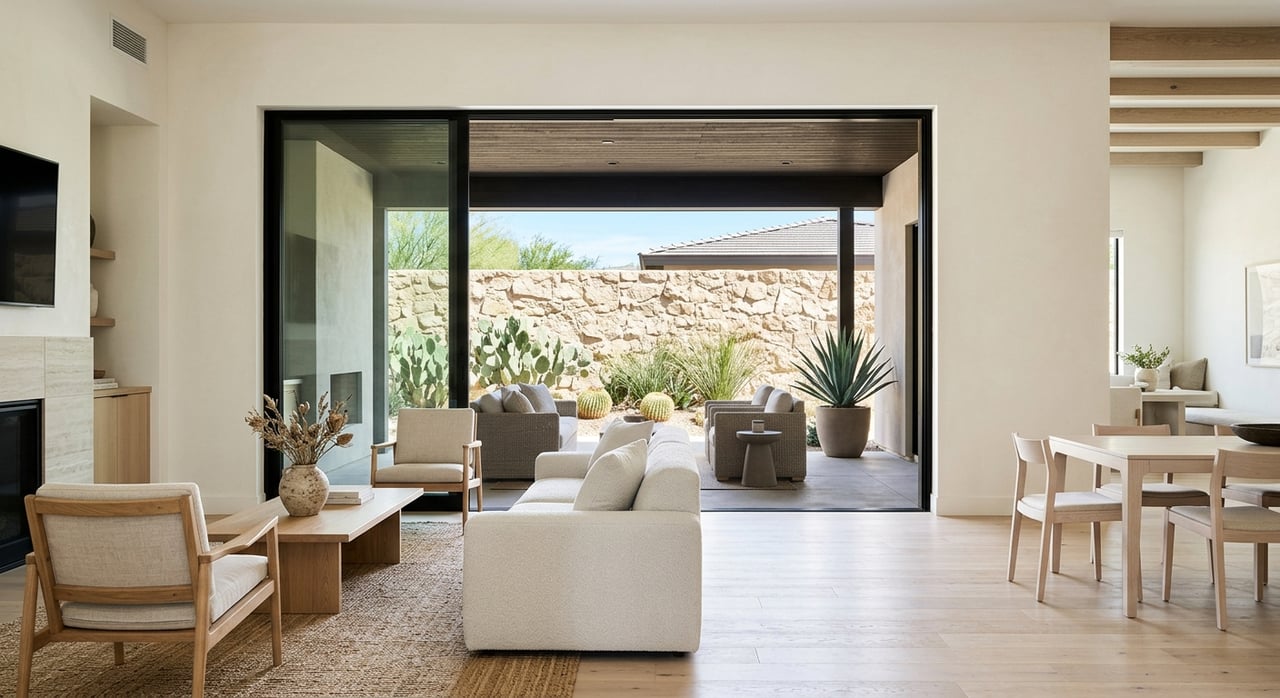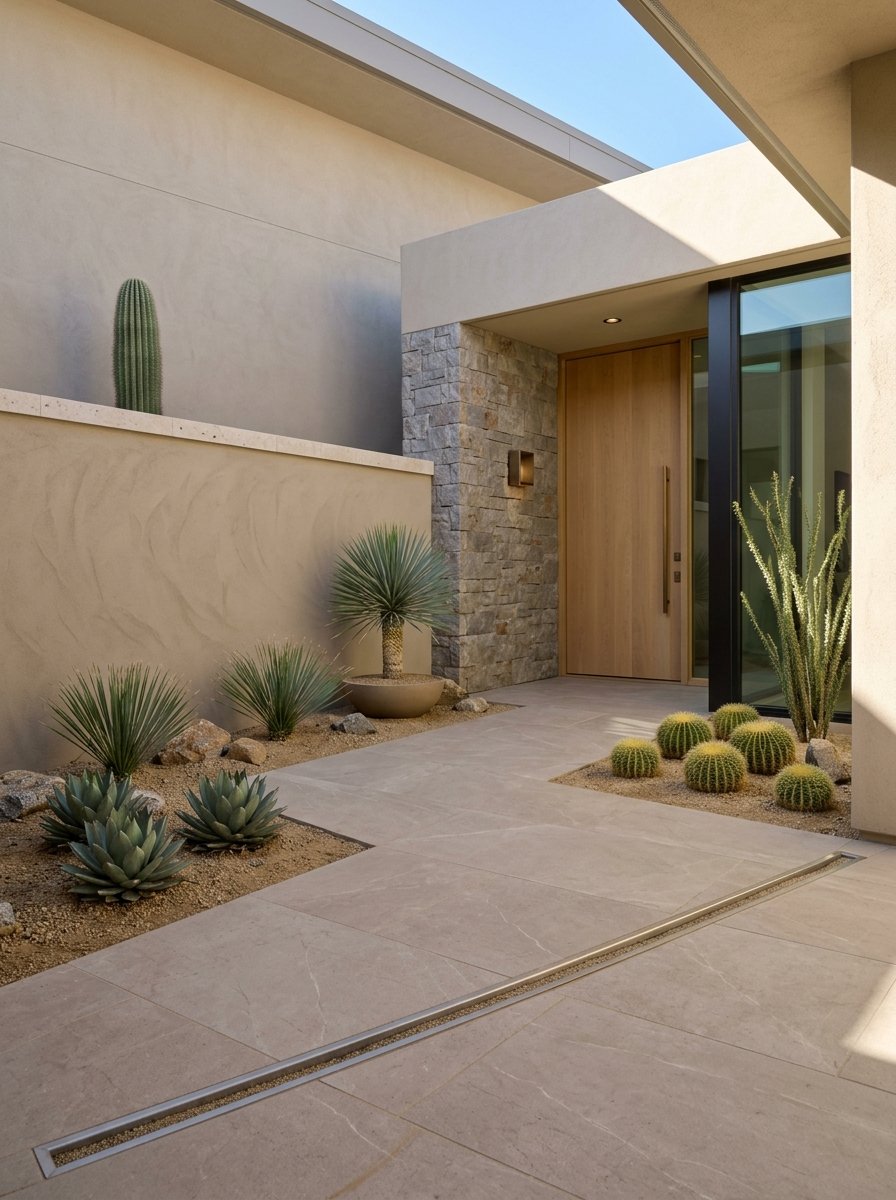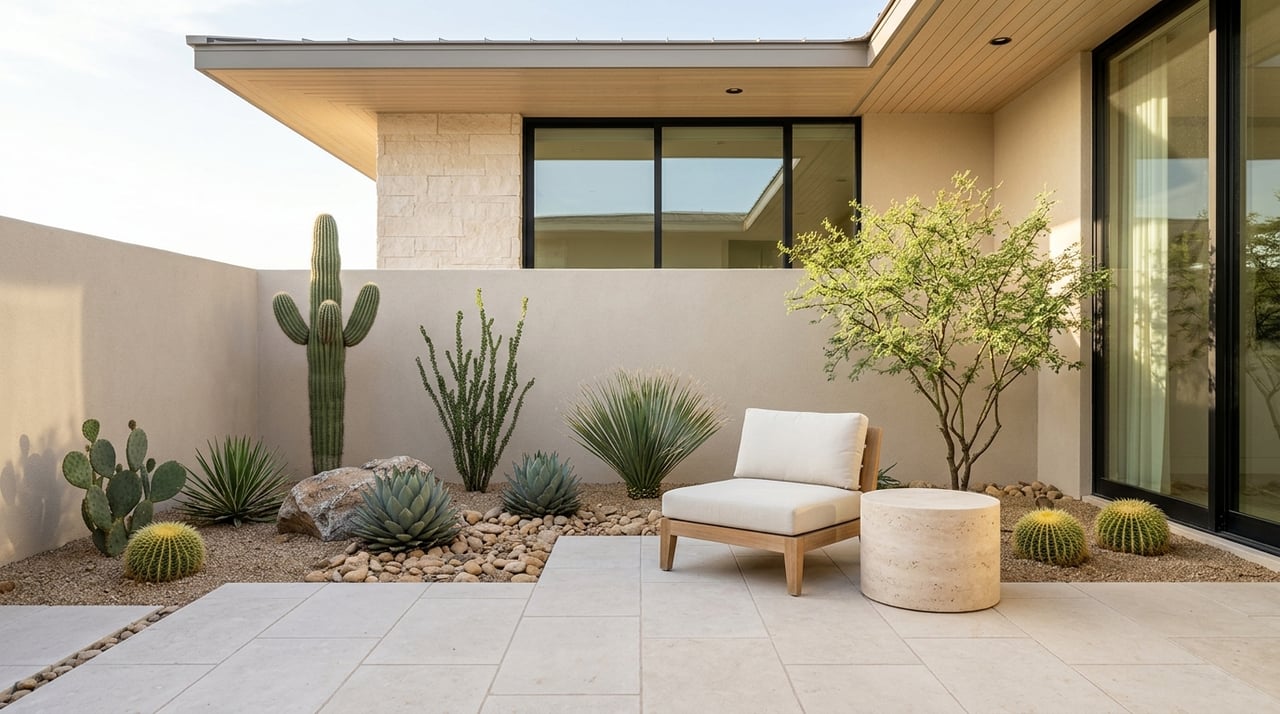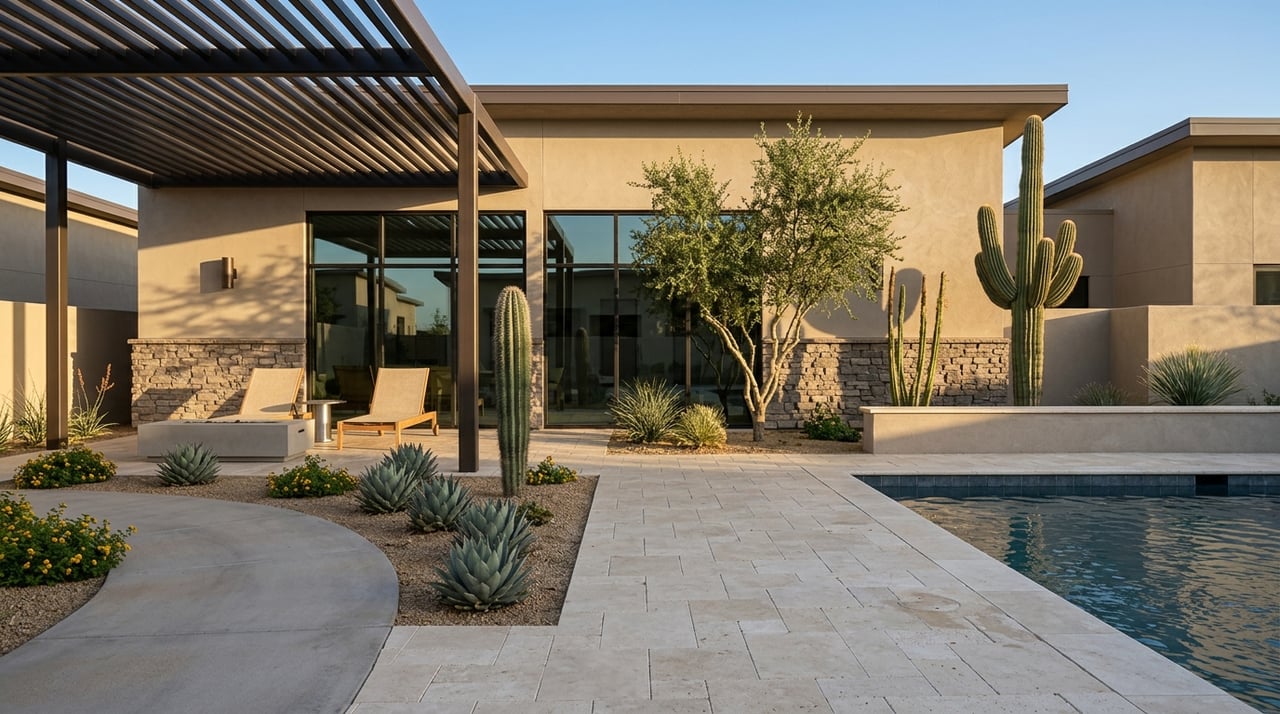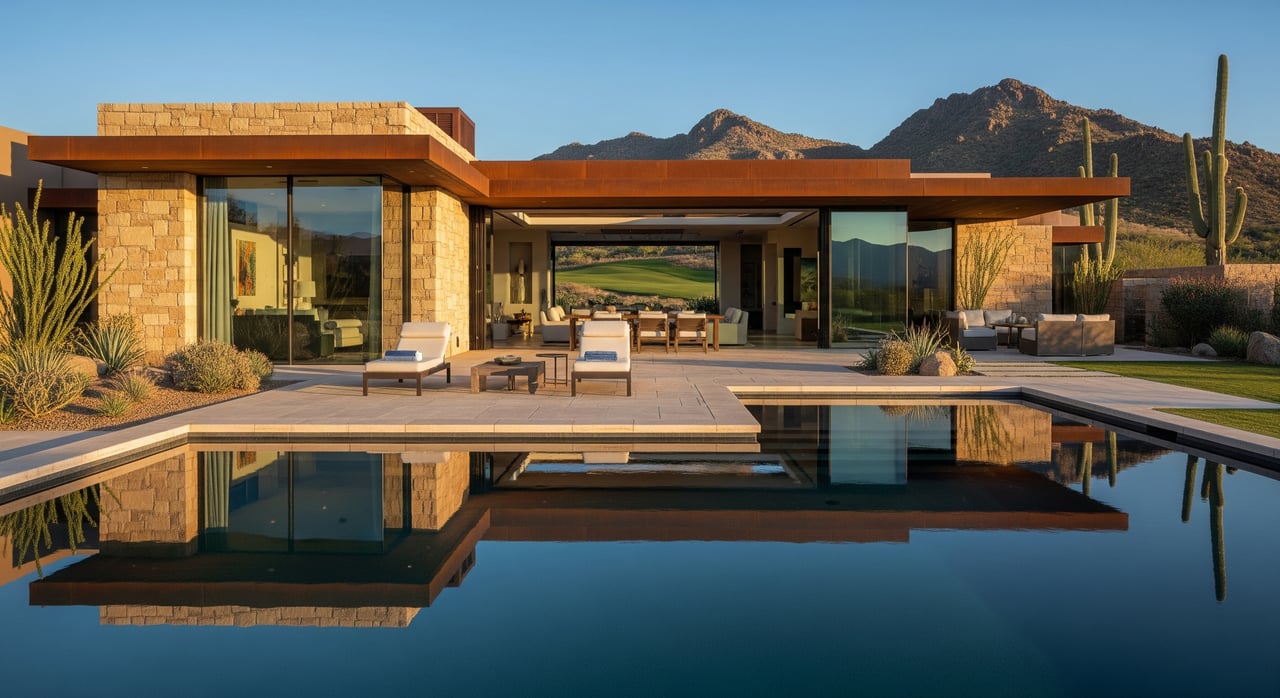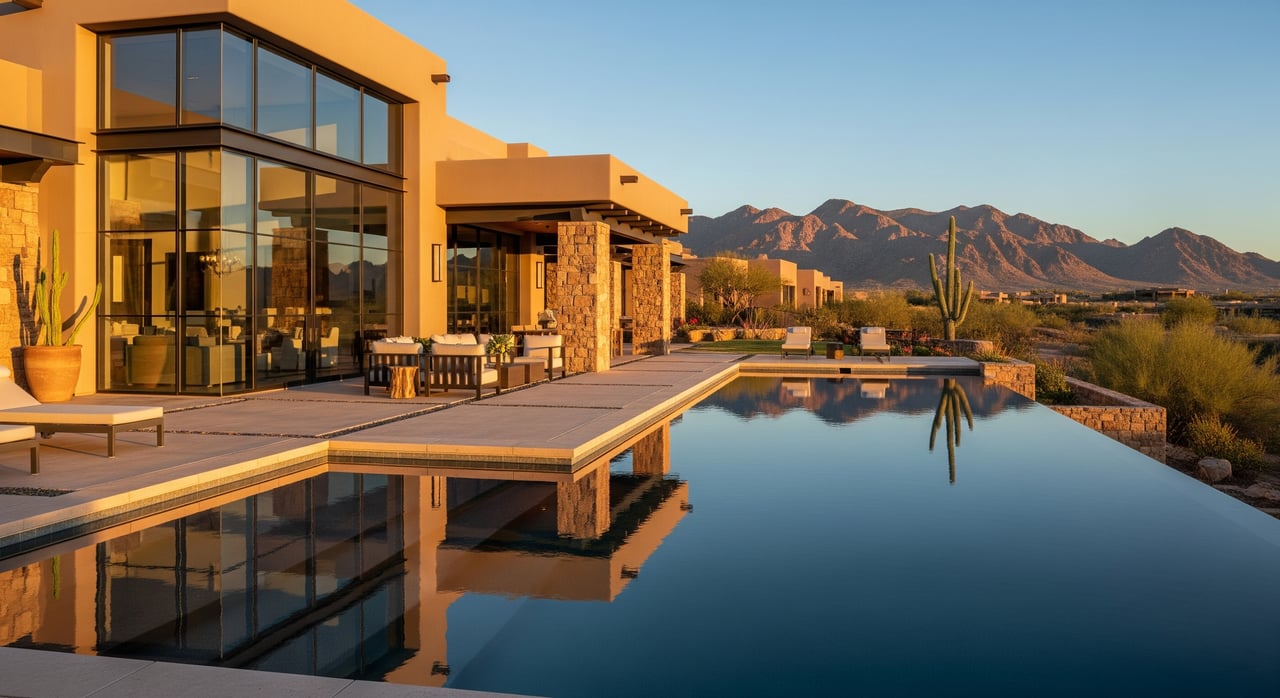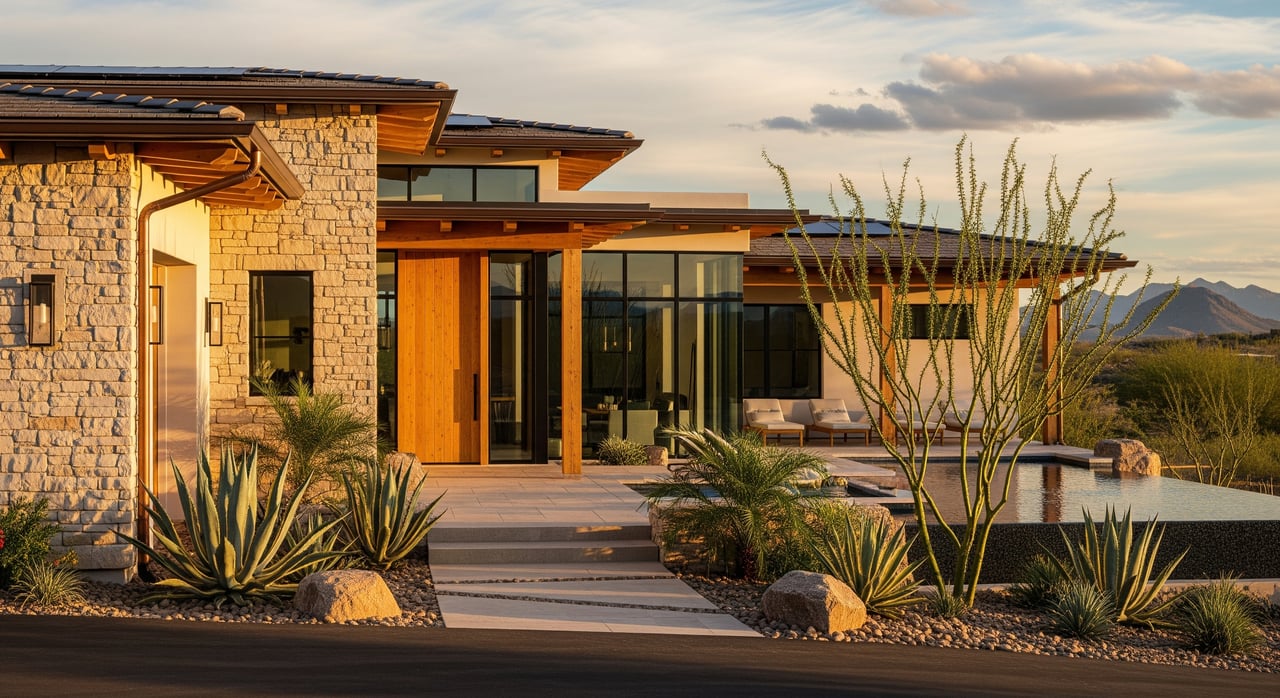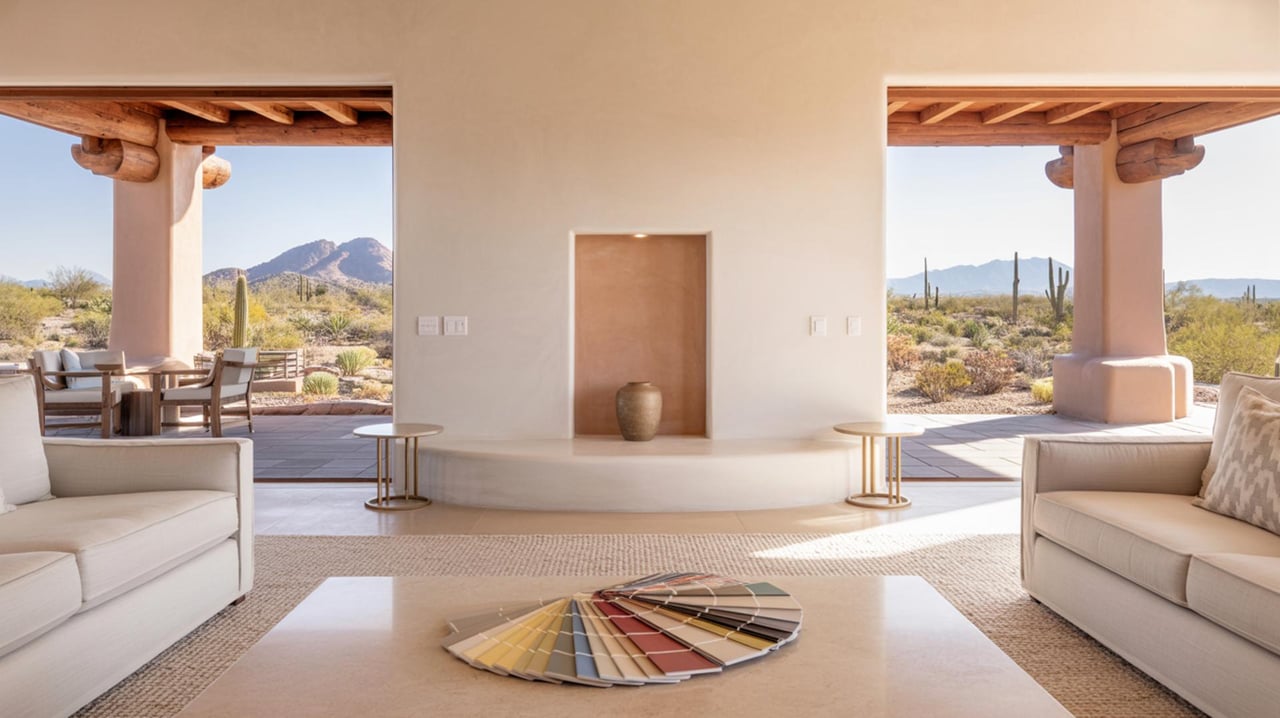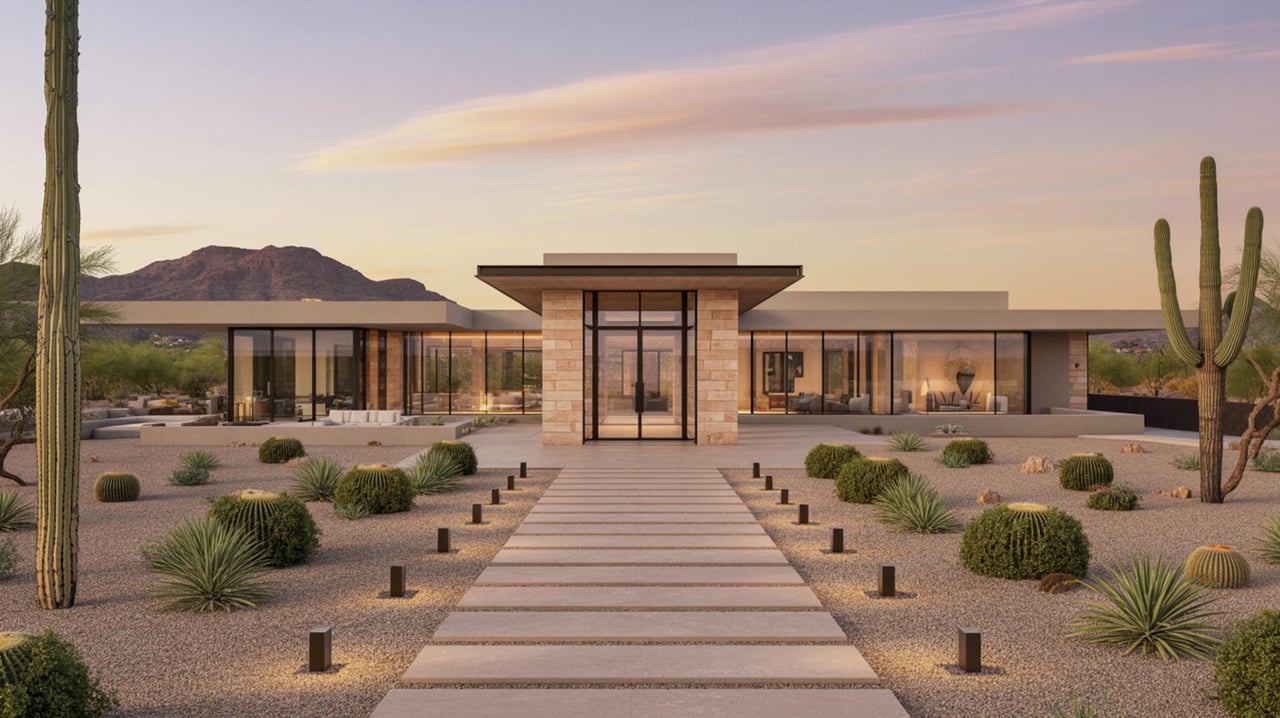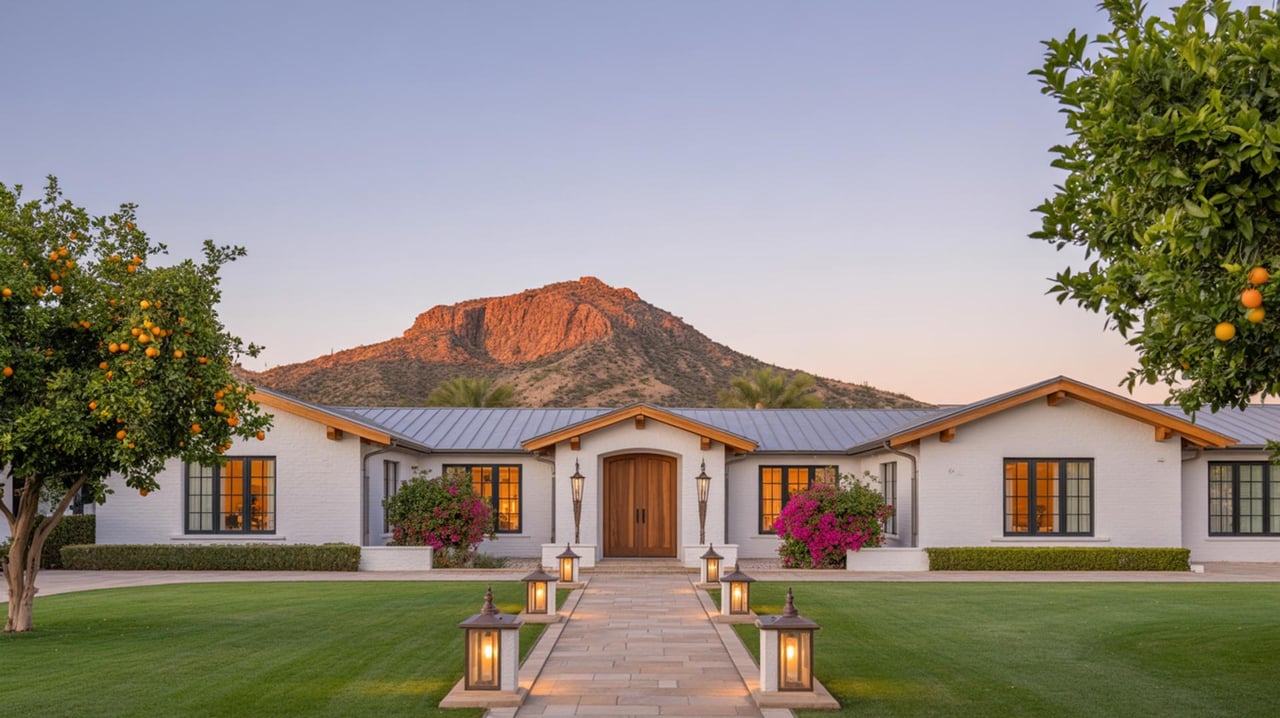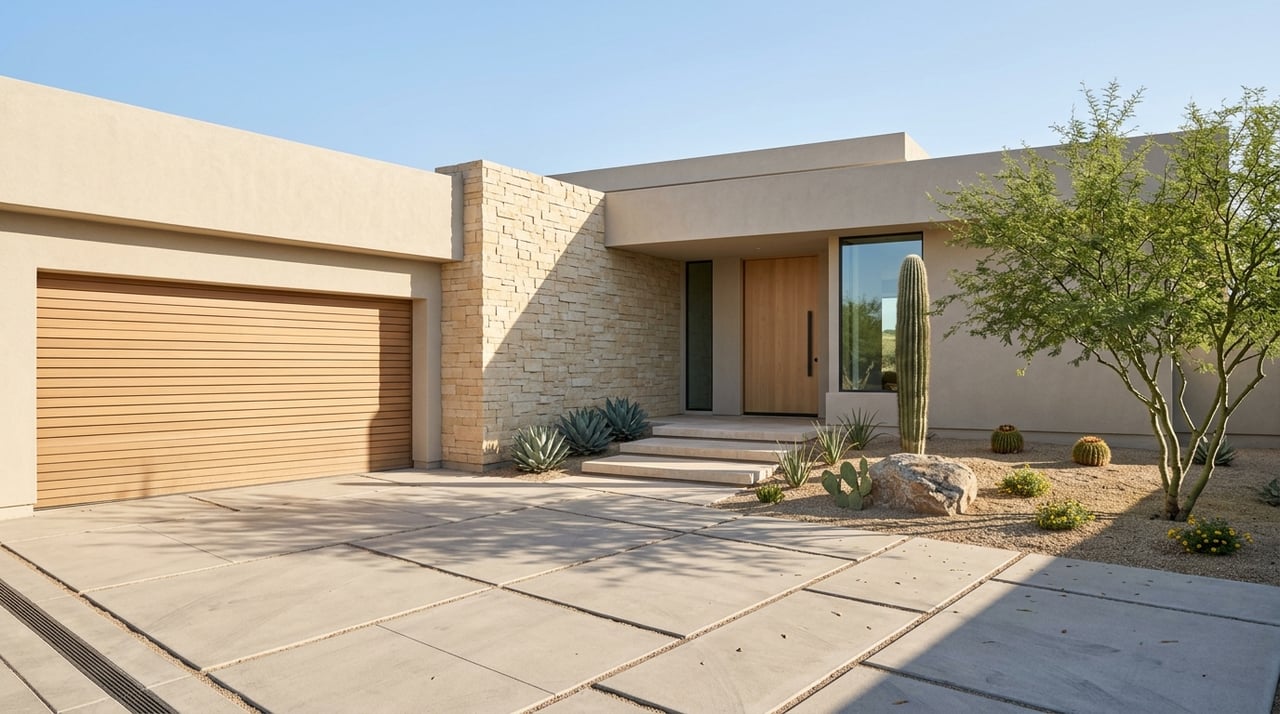
If you are thinking about buying a second home in Desert Mountain, you are probably looking for more than a place to sleep between golf rounds. You want a property that supports the way you actually live, whether that means locking the door for part of the year, welcoming guests, or enjoying Scottsdale on your own schedule. The good news is that Desert Mountain is built with seasonal living in mind, but ownership comes with more moving parts than many buyers expect. Let’s walk through what you should know before you buy.
Why Desert Mountain Works for Second-Home Owners
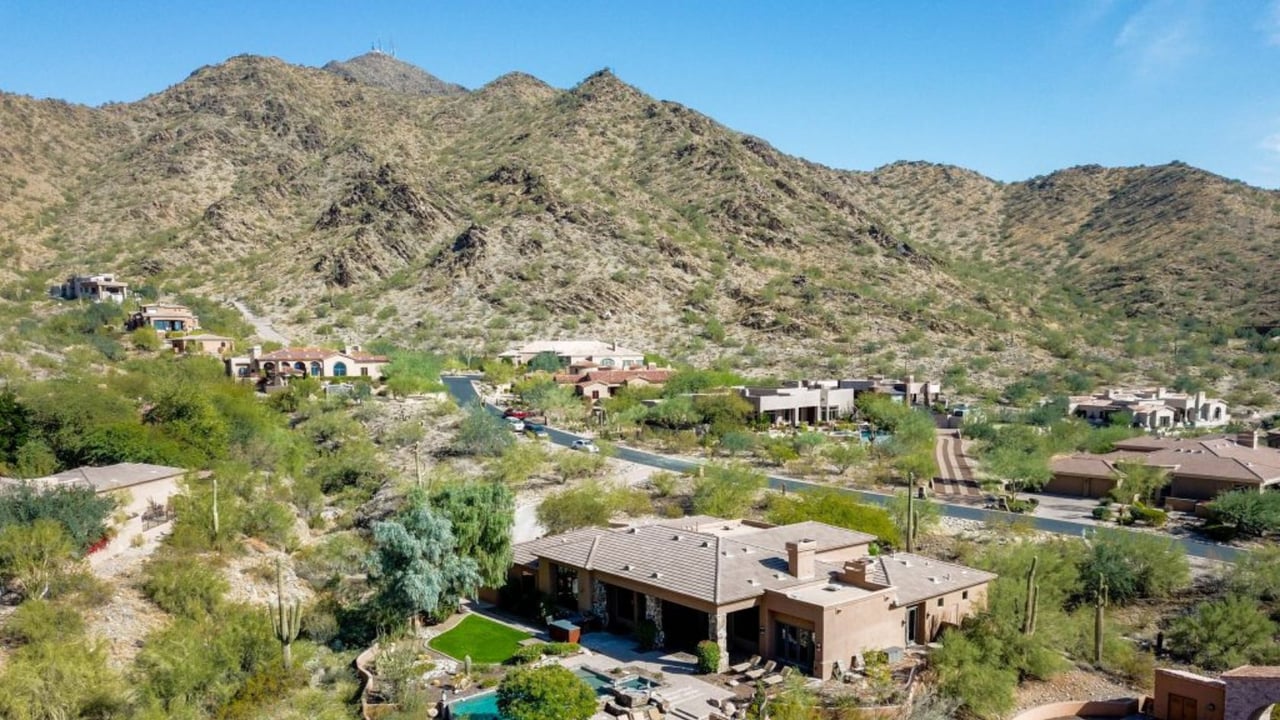
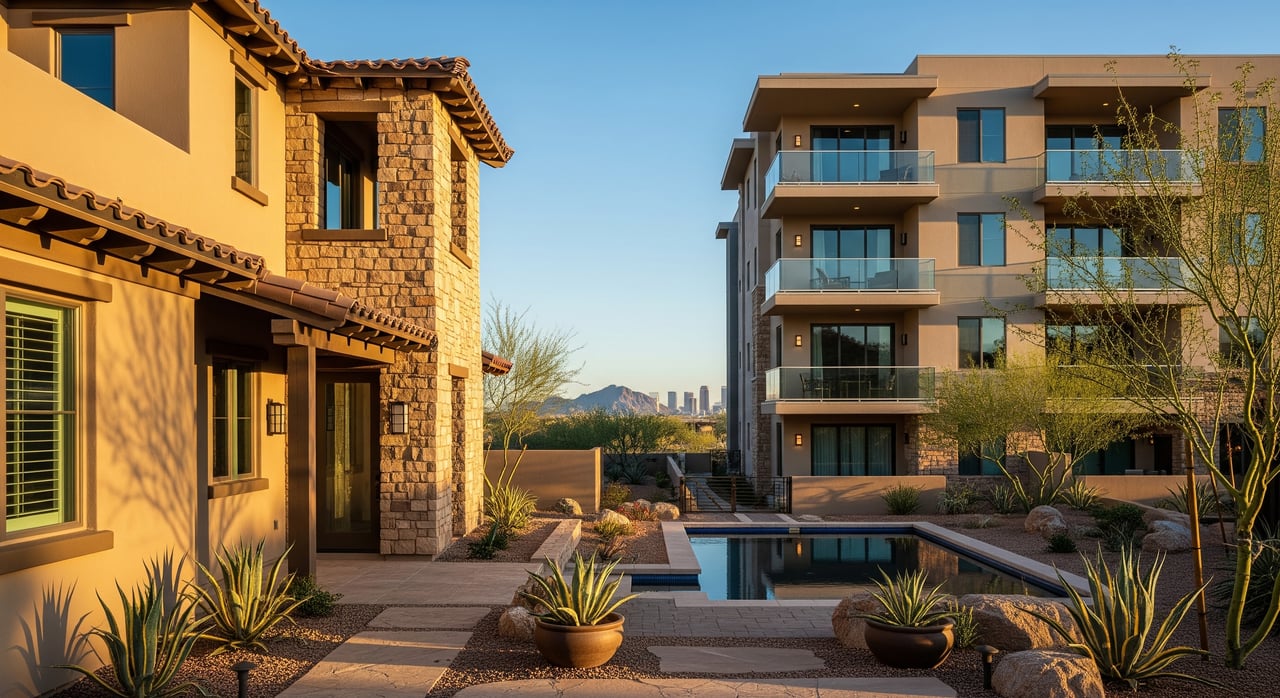
Desert Mountain is a large gated community in Scottsdale’s 85262 area, covering roughly 8,300 to 8,800 acres depending on the source. According to the Desert Mountain HOA, all property owners are members of the HOA, and the community includes about 32 villages with their own layers of governance.
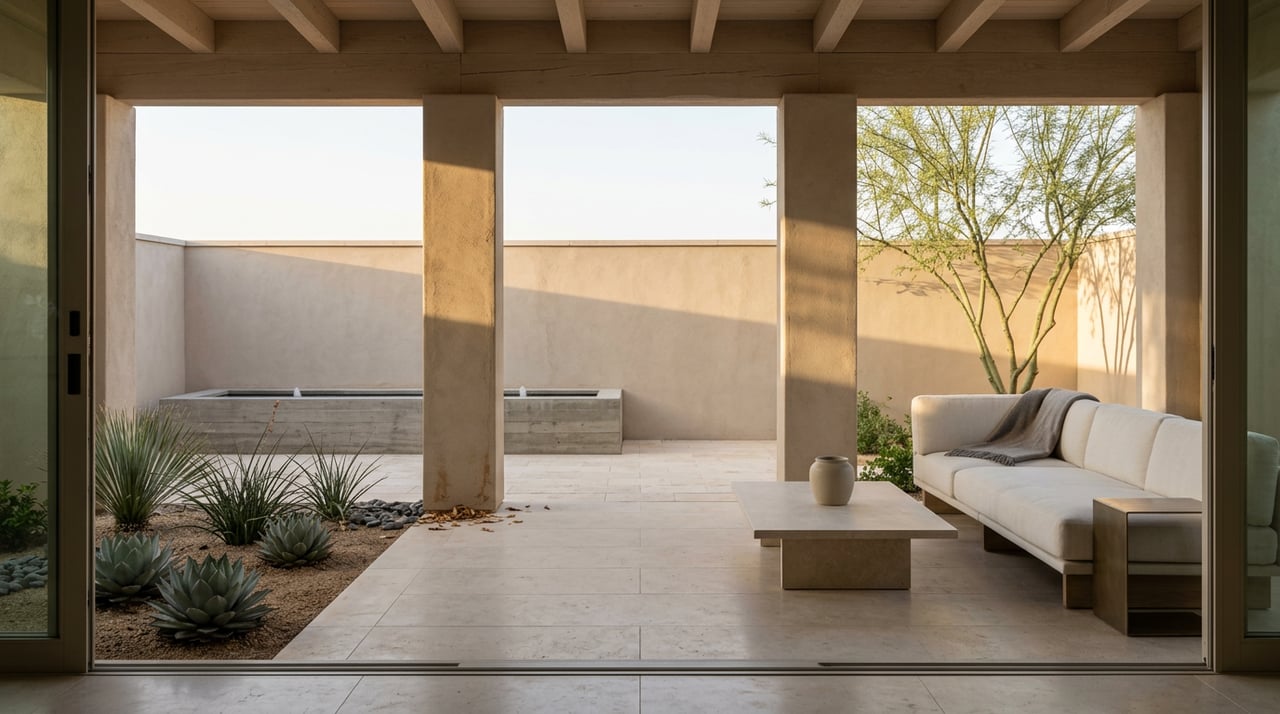
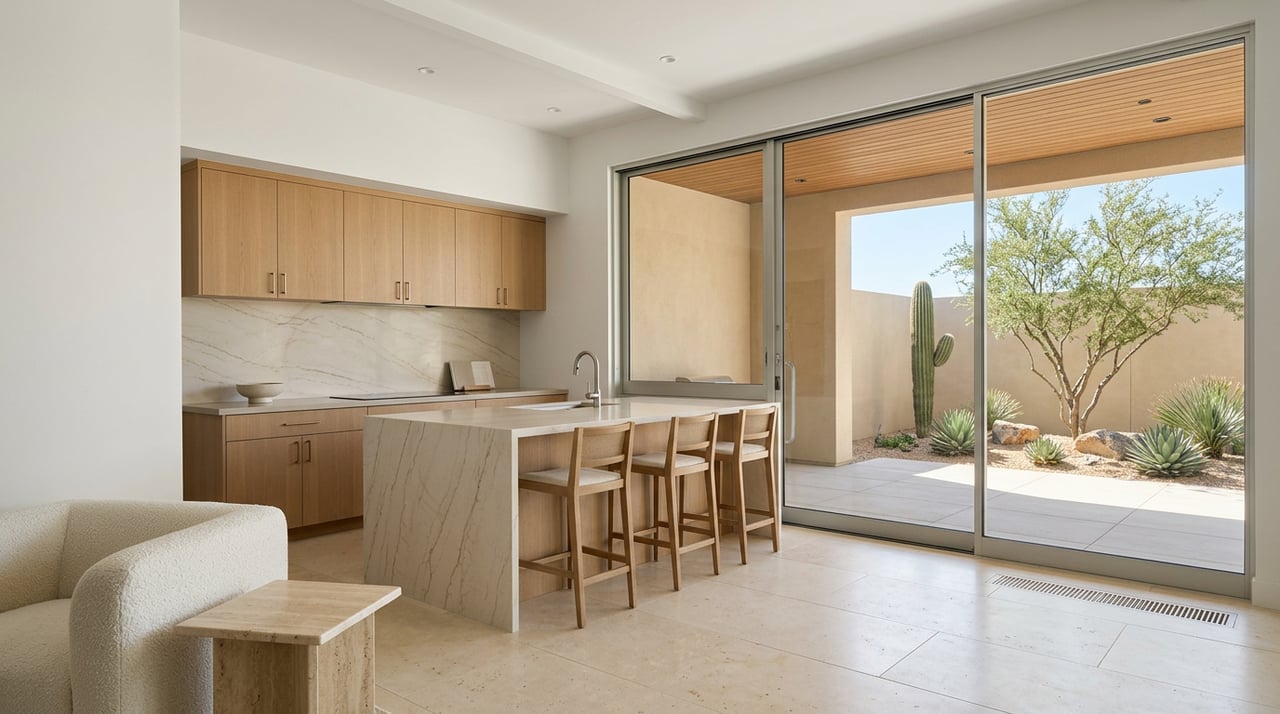
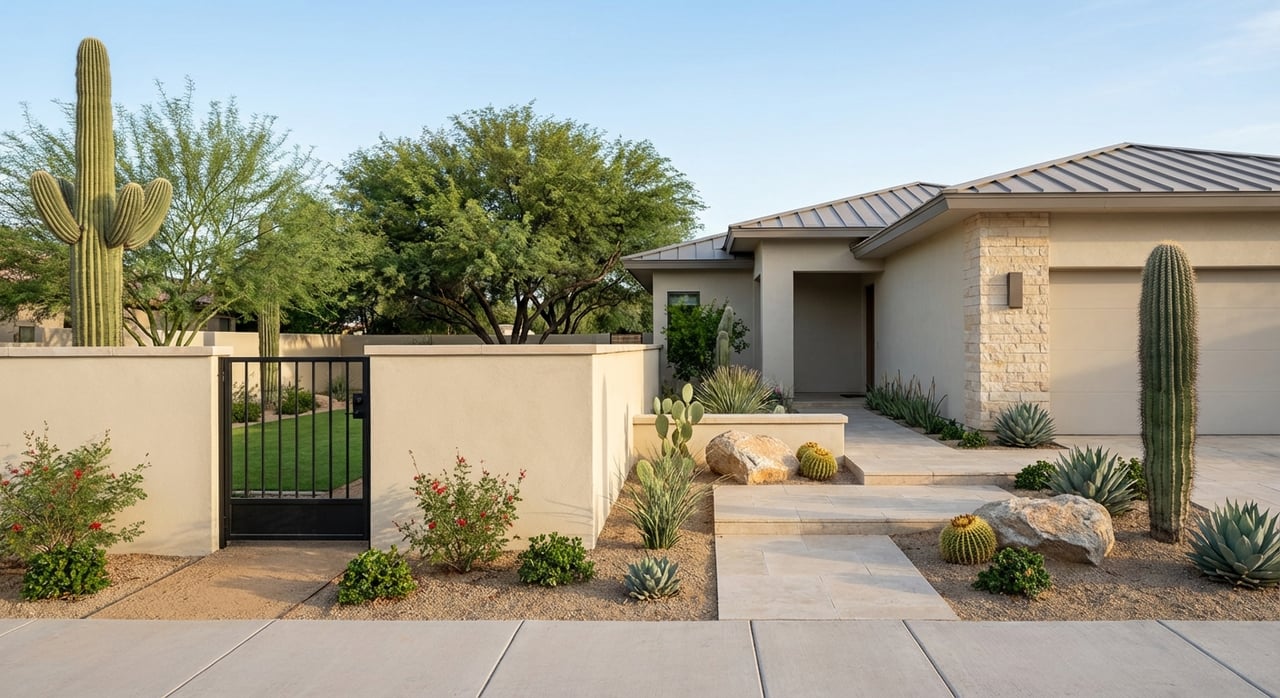
That structure can work well for second-home buyers because the community is designed around privacy, access control, and resort-style living. The official home tour page specifically describes Desert Mountain as a lock-and-leave lifestyle that suits seasonal and full-time residents.
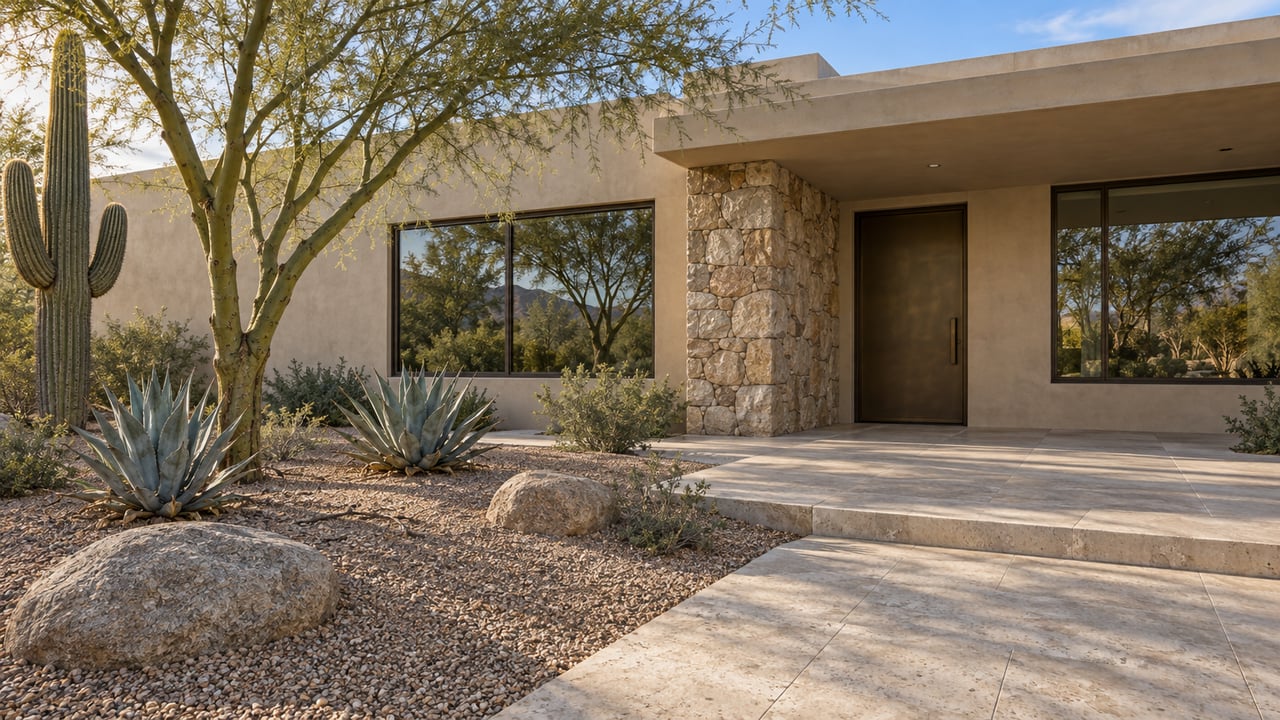
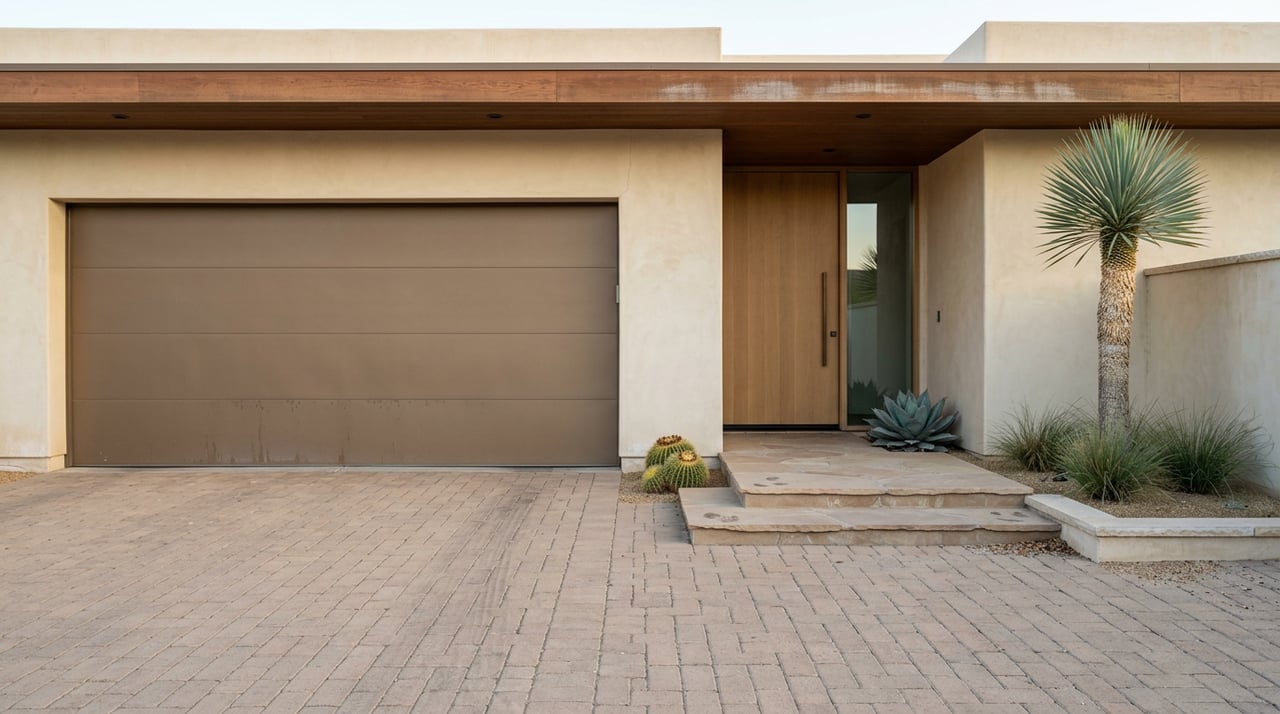
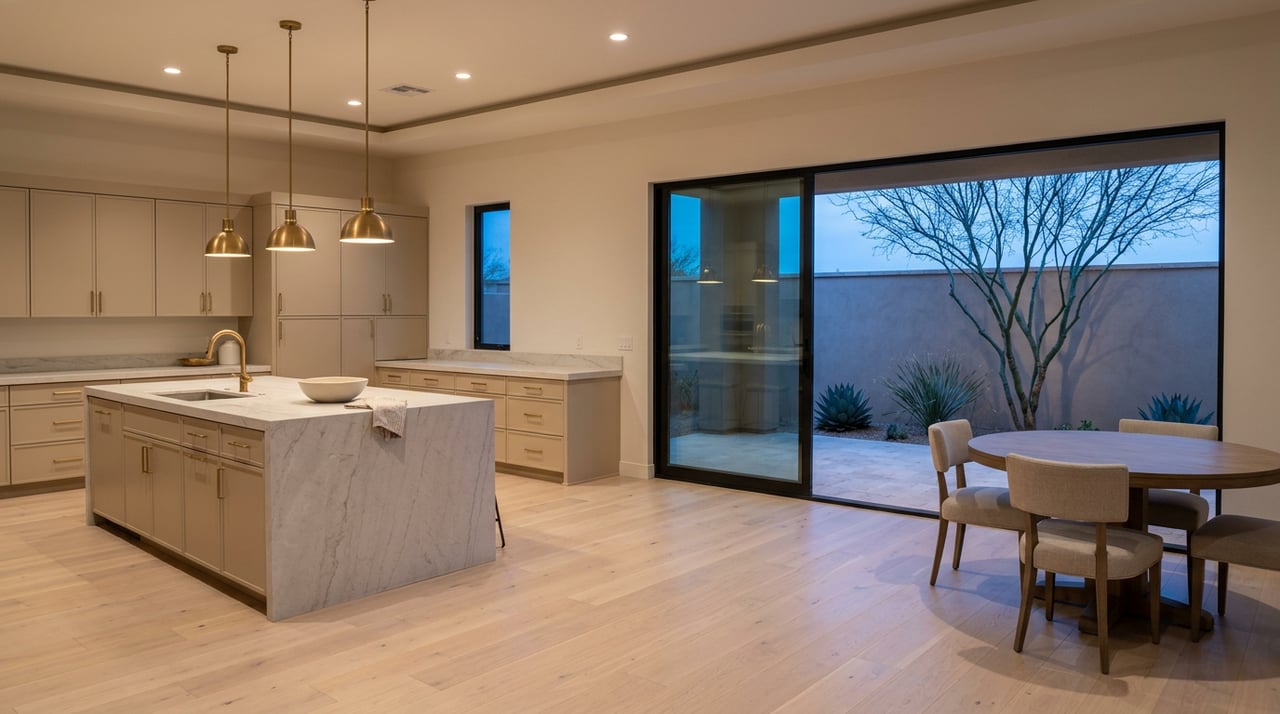
For many buyers, that is the core appeal. You get a North Scottsdale address in a private setting with amenities and services that support part-time use, without giving up the feel of a high-end residential community.
Understand the Two-Layer Ownership Model
One of the most important things to know is that buying in Desert Mountain is not just a simple home purchase. In most cases, you are buying into an HOA-governed community, and then separately deciding whether to pursue club membership.
The membership properties page explains that most homes offer optional club membership. However, properties in Seven Desert Mountain are deed-restricted to membership, and buyers must receive membership approval before a non-refundable deposit can be accepted.
That distinction matters if you expect full amenity access from day one. Ownership alone does not automatically guarantee club approval, and the club says the review process can take about 30 days.
What Seasonal Living Looks Like Here
Desert Mountain is strongly oriented toward lifestyle use, not just homeownership on paper. The community and club highlight golf, dining, trails, fitness, spa, tennis, pickleball, pools, and other recreational amenities that can make a second home feel like a true retreat.
According to Desert Mountain’s golf pages, the club currently includes seven private golf courses. The site also notes that the area’s higher elevation can help support year-round golf with somewhat cooler summer temperatures than lower desert locations.
If you are a seasonal resident and you become an approved member, you are not treated differently from full-time owners in terms of access. The Chiricahua course page states that seasonal residents who are members still receive full access to the private golf course.
Village Rules Matter More Than Many Buyers Expect
Because Desert Mountain is organized into 32 villages, there is no single one-size-fits-all ownership experience. The HOA notes that many villages have their own rules, bylaws, and architectural review guidelines in addition to the master association structure.
That means two properties in the same overall community may come with different expectations around design, maintenance, and day-to-day ownership. If you are comparing homes for part-time use, it is smart to look closely at both the master HOA and the specific village requirements before you commit.
This is especially important if you want a lower-maintenance property or a more turnkey lifestyle. A knowledgeable local guide can help you compare those differences before they become surprises in escrow.
HOA Costs and Ownership Fees to Plan For
Second-home ownership in Desert Mountain can be rewarding, but it is not passive. Every home or lot owner pays both Desert Mountain Master Association dues and village dues, according to the HOA addendum.
The same HOA addendum states that for purchase agreements signed on or after March 1, 2024, a 0.45% Capital Reserve Fund Fee is charged on the purchase price and collected through escrow. The HOA also states there are currently no pending special assessments, which can offer some reassurance during due diligence.
On the resale side, the resale disclosure page lists a $382 CCMC lien/estoppel fee and an $18 HomeWiseDocs processing fee. It also says the master association and villages do not charge a transfer fee.
For second-home buyers, the key takeaway is simple: build a full ownership budget, not just a purchase budget. Dues, reserve fees, resale costs, landscaping, and property upkeep all matter when you are planning for long-term use.
Exterior Changes Require Approval
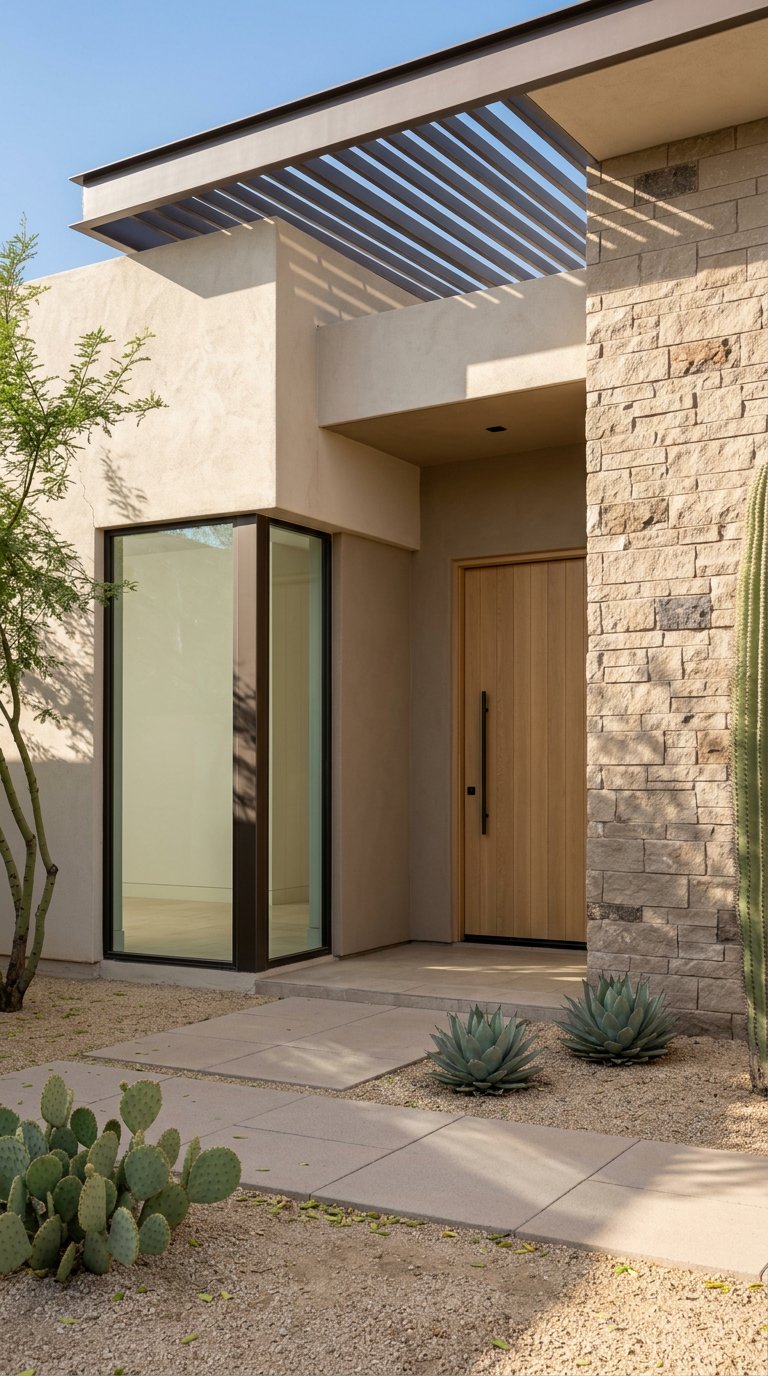
If you plan to personalize the home, do not assume you can make quick exterior updates after closing. Desert Mountain maintains architectural control of new homes and exterior remodels through its Architectural Review process.
The HOA says exterior work such as painting, landscaping, facade changes, and similar updates must go through review. For second-home owners, this is not necessarily a drawback, but it does mean your timeline for improvements may be more structured than in other communities.
That can be especially relevant if you are buying an older home with plans to refresh it before your next seasonal stay. Review requirements should be part of your pre-purchase planning, not an afterthought.
Security and Access Are Active Systems
For many part-time owners, security is one of Desert Mountain’s strongest advantages. The community says it uses on-site security, manned gate access, eGo tags, and guest-list management through its safety and security system.
That can bring peace of mind when you are away for weeks or months at a time. At the same time, it also means that visitors, vendors, contractors, and service providers need to be coordinated through the community’s access procedures.
If your second home will be used by friends, family, or household staff, it helps to understand that access is structured rather than informal. Many buyers appreciate that tradeoff once they know how the system works.
Firewise Compliance Is an Ongoing Responsibility
Because Desert Mountain is set in the Sonoran Desert landscape, wildfire mitigation is part of ownership. The HOA says the community achieved Firewise status for 2025, but homeowners are still responsible for annual mitigation work.
That work can include trimming vegetation, removing invasive plants, and maintaining defensible space. The HOA states that compliance is reviewed annually, with warning and violation notices if required work is not completed.
For second-home owners, this is a practical issue, not just a policy detail. If you are not in Scottsdale year-round, you will want a clear plan for handling seasonal landscape maintenance and Firewise requirements while you are away.
Rental Flexibility Is Limited
Some buyers hope to offset carrying costs by renting their second home when they are not using it. In Desert Mountain, that strategy has limits.
The HOA’s leasing restrictions state that noneligible renters may only rent for 30 days or more. That makes Desert Mountain less flexible for short-term rental use than some other Scottsdale areas.
This is a major point for buyers to understand early. If your ownership plan depends on frequent short stays by renters, Desert Mountain may not align with that goal.
The broader city rules matter too. The City of Scottsdale requires a short-term or vacation rental license, an Arizona Department of Revenue TPT license, and Maricopa County registration for rentals under 30 days, but HOA rules can still be more restrictive. In Desert Mountain, they are.
Property Tax Treatment May Differ From Your Primary Home
A second home in Desert Mountain will usually not be treated the same way as your primary residence for property-tax purposes. According to the Maricopa County Assessor, a primary residence is your one main home where you or a qualified family member lives more than seven months of the year.
The assessor also states that a home does not qualify as a primary residence if it is used as a vacation home or leased to a non-qualified tenant. Since a person can only have one primary residence, second-home buyers should not assume they will receive the same tax classification or exemptions tied to a main home.
This is one of the clearest reasons to consult a CPA, attorney, and lender before you finalize your purchase strategy. Tax treatment, occupancy plans, and financing assumptions should all be reviewed together.
Is Desert Mountain a Good Fit for You?
Desert Mountain can be an excellent second-home choice if you want privacy, a lock-and-leave lifestyle, private club access, and a strong amenity package in North Scottsdale. It is especially appealing if you value gated entry, structured community standards, and a setting built for seasonal or full-time living.
The tradeoff is that ownership comes with layers. You will need to understand HOA and village rules, club membership options, annual maintenance responsibilities, and rental limitations before you buy.
That is where local guidance matters. If you want help comparing villages, reviewing ownership costs, or finding the right second-home fit in Desert Mountain, the Mattisinko Group can help you navigate the details with a clear, concierge-level approach.
FAQs
What makes Desert Mountain appealing for a second home in Scottsdale?
- Desert Mountain is designed to support seasonal and full-time living, with a lock-and-leave lifestyle, gated access, and broad private amenity options for approved club members.
Do you automatically get club membership when you buy a home in Desert Mountain?
- No. The HOA and club are separate in most cases, and Desert Mountain states that ownership does not guarantee club membership approval.
Are there HOA fees for second-home owners in Desert Mountain?
- Yes. Owners pay Desert Mountain Master Association dues and village dues, and some purchases also include a 0.45% Capital Reserve Fund Fee collected through escrow.
Can you rent out a second home in Desert Mountain as a short-term rental?
- Desert Mountain’s leasing policy states that noneligible renters may only rent for 30 days or more, which limits short-term rental flexibility.
Do second homes in Desert Mountain qualify as a primary residence for Maricopa County taxes?
- Usually no, unless the property meets the county’s primary residence requirements, which generally means it is your one main home occupied more than seven months of the year.
Do exterior updates on Desert Mountain homes require approval?
- Yes. The HOA states that many exterior changes, including painting, landscaping, and facade work, must go through the Architectural Review process.