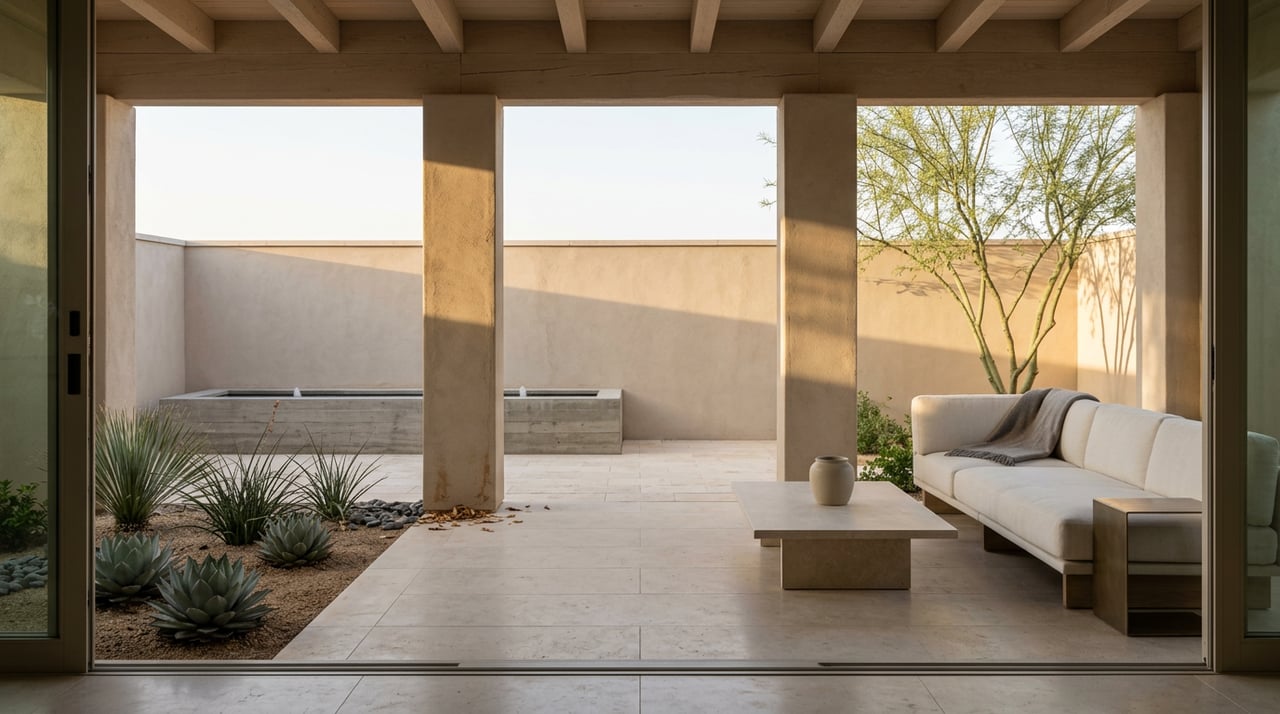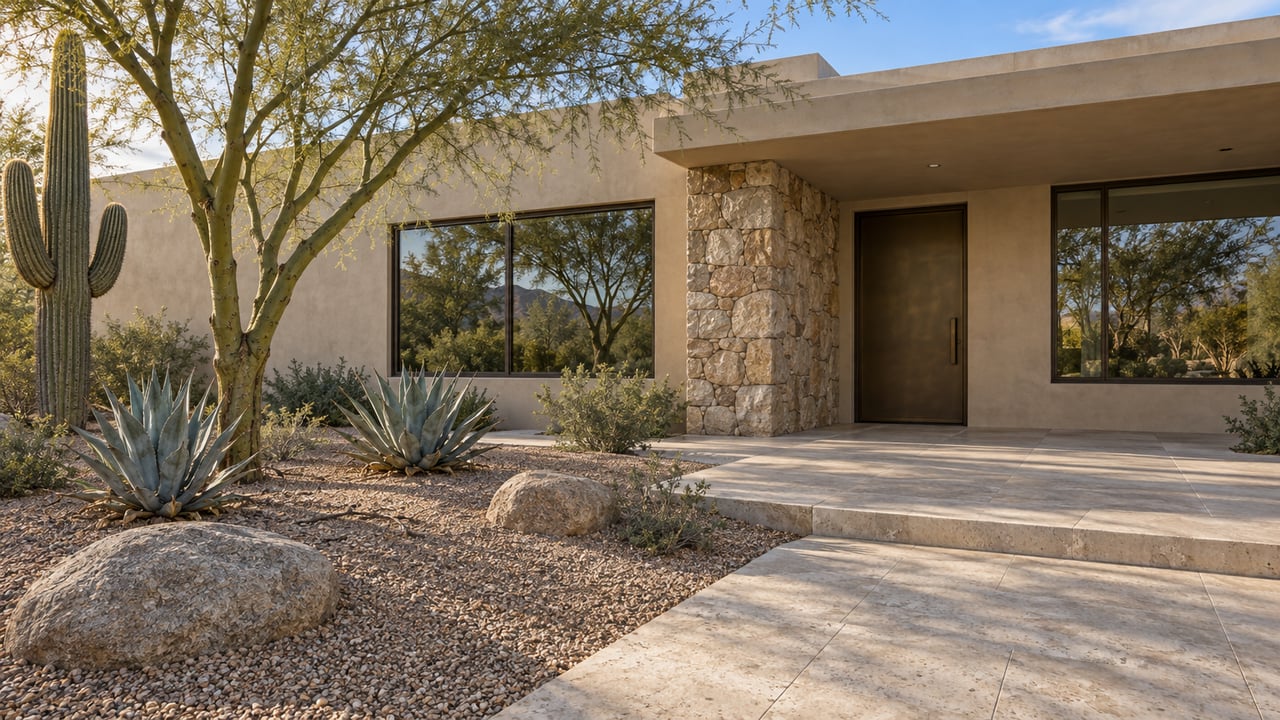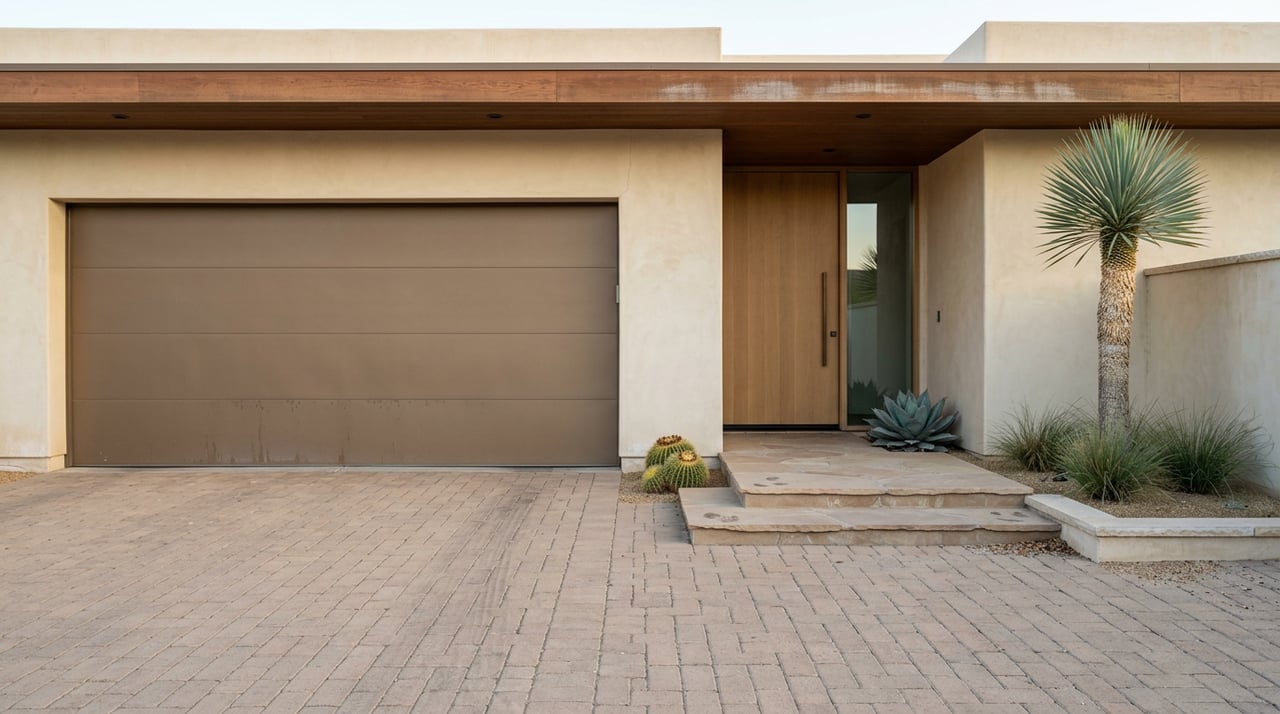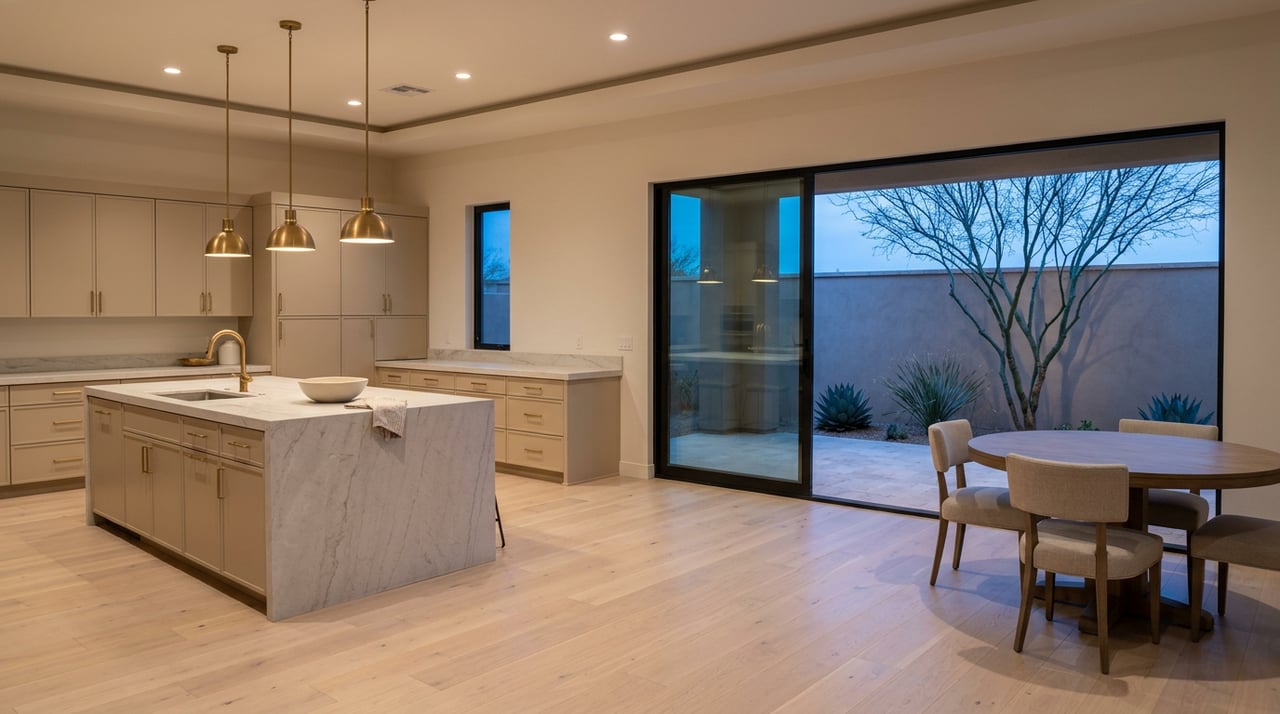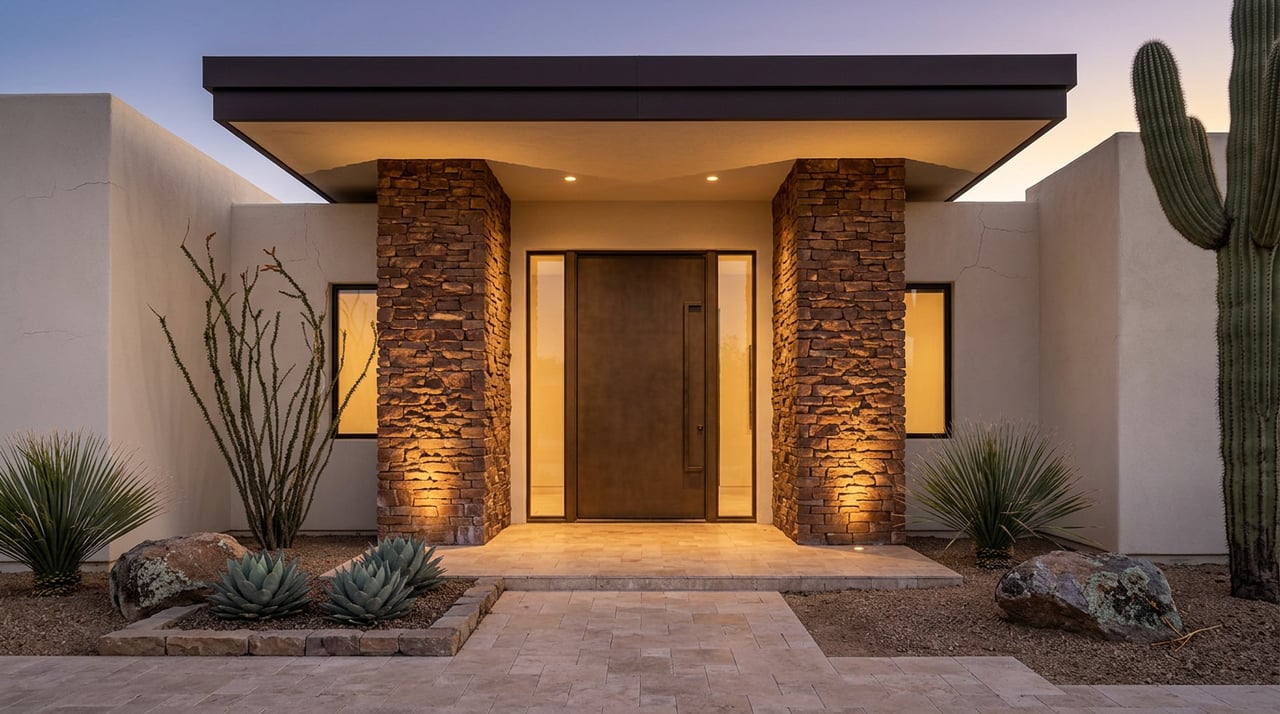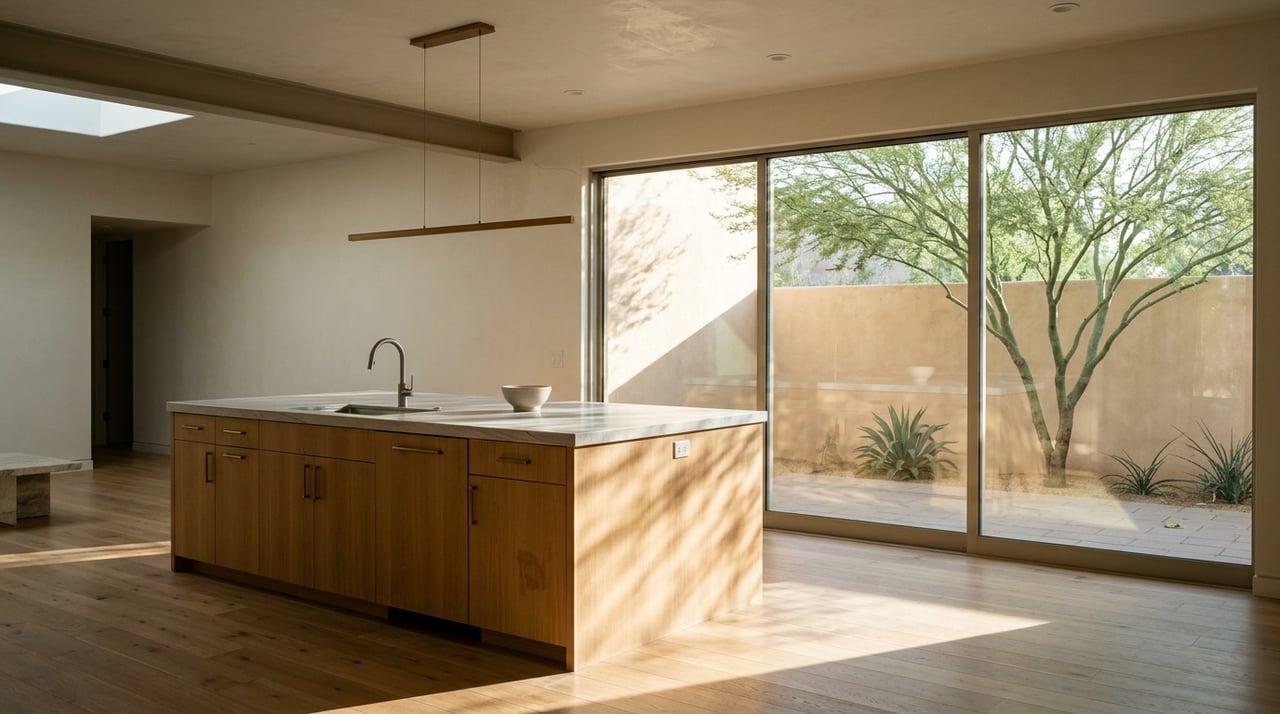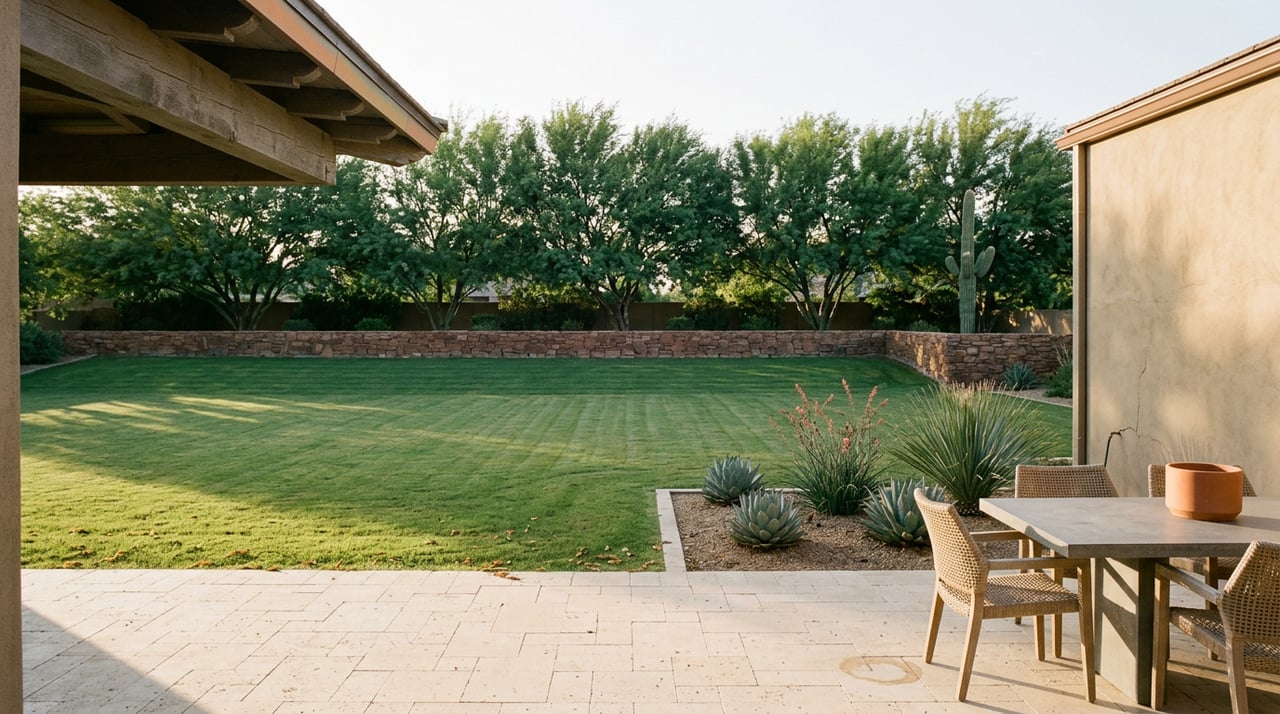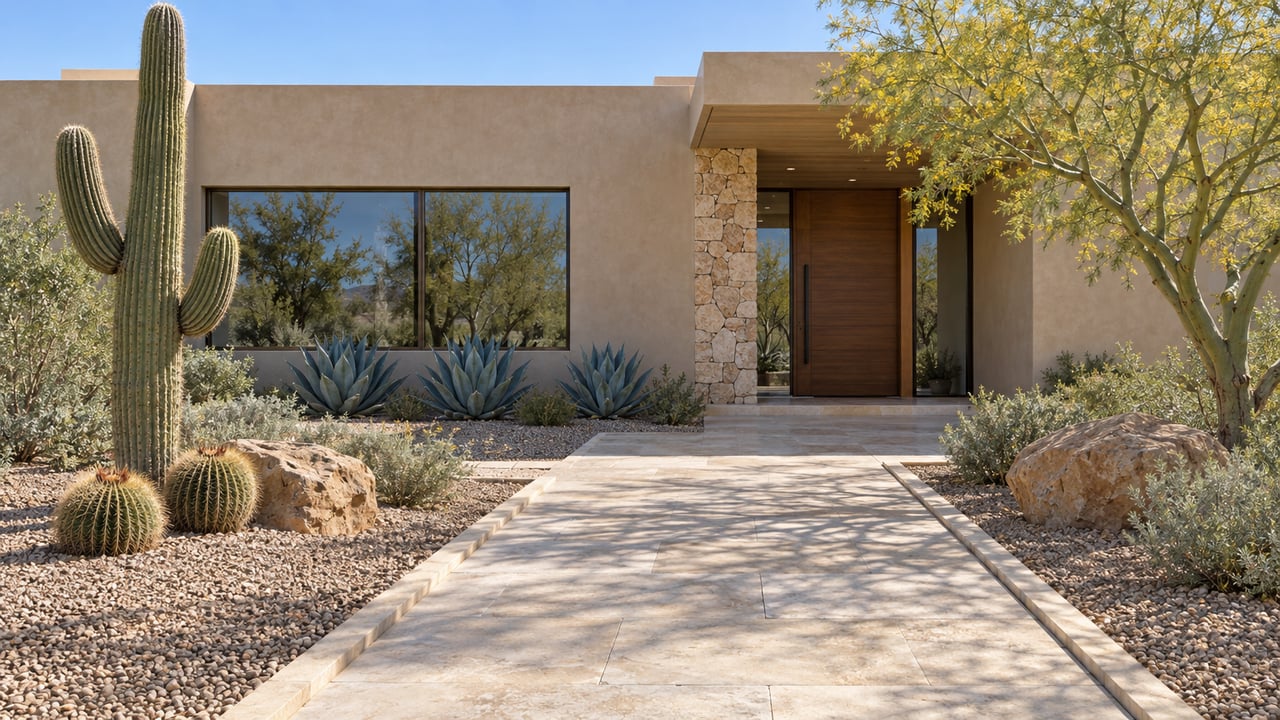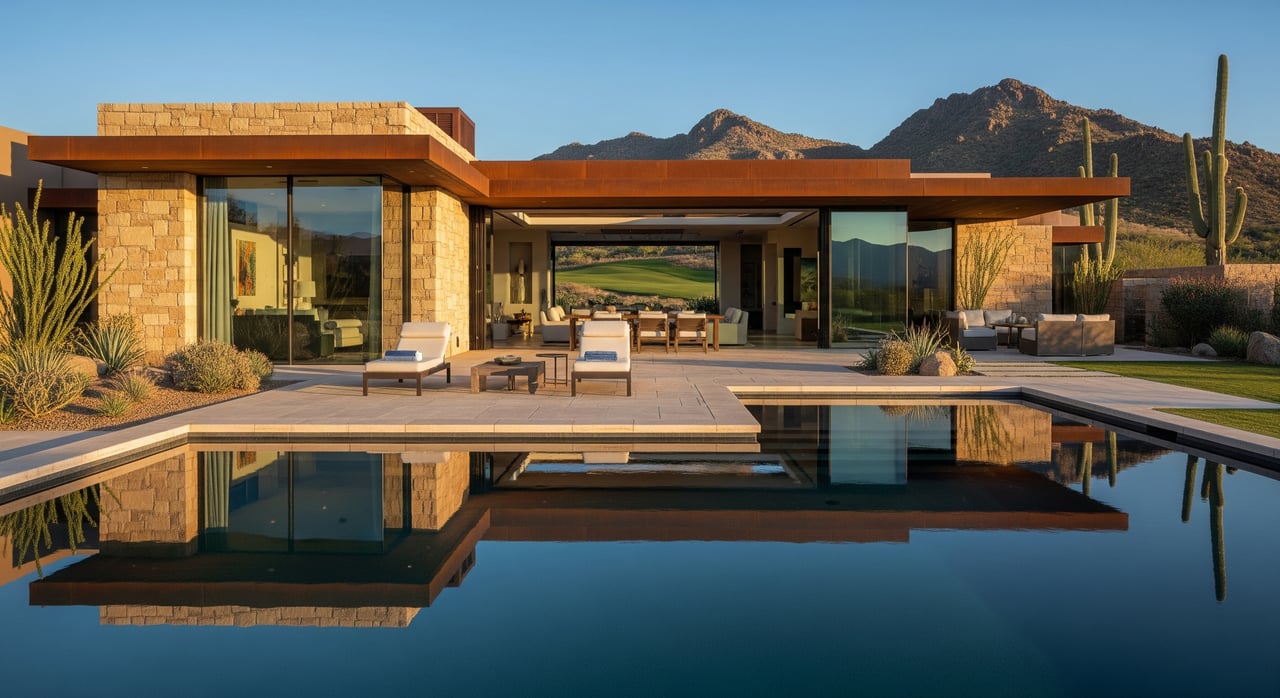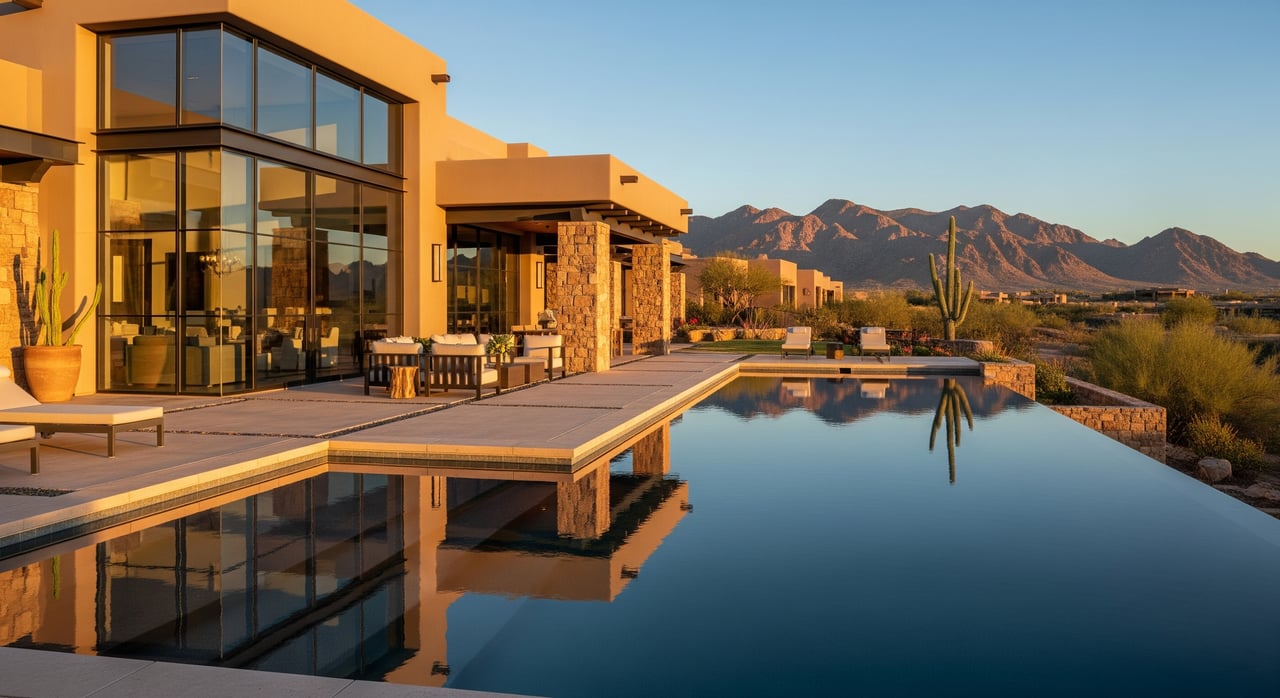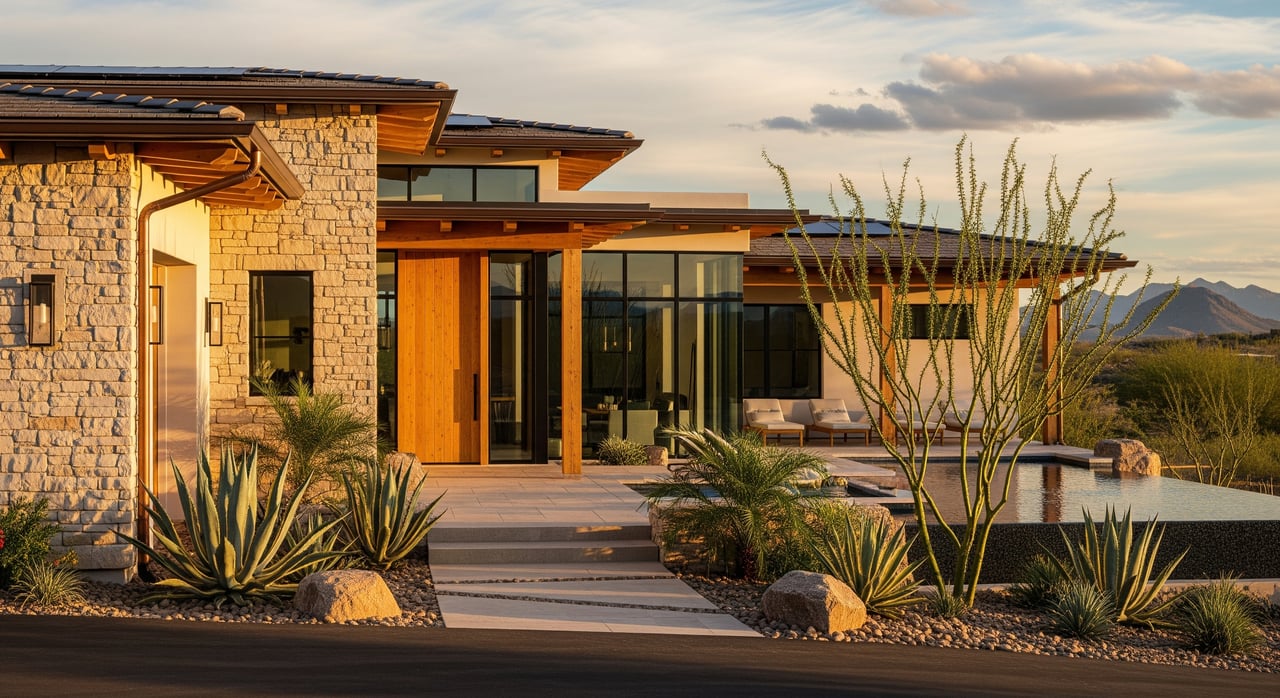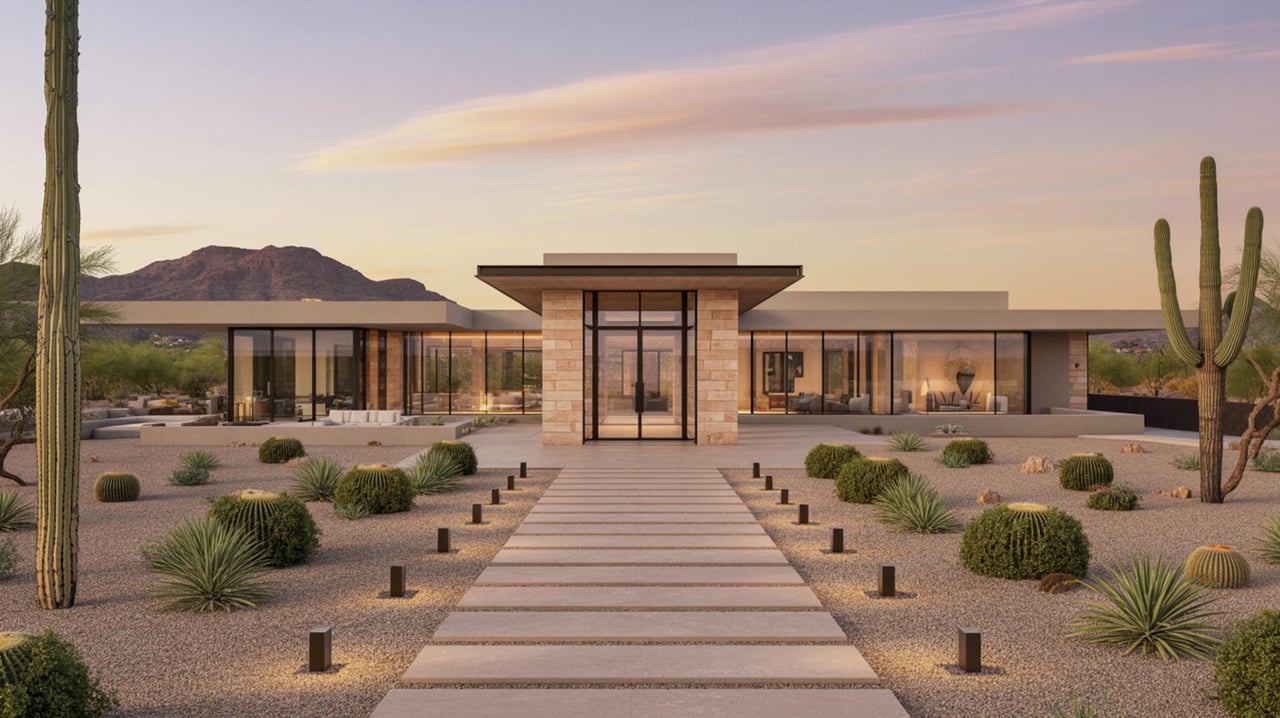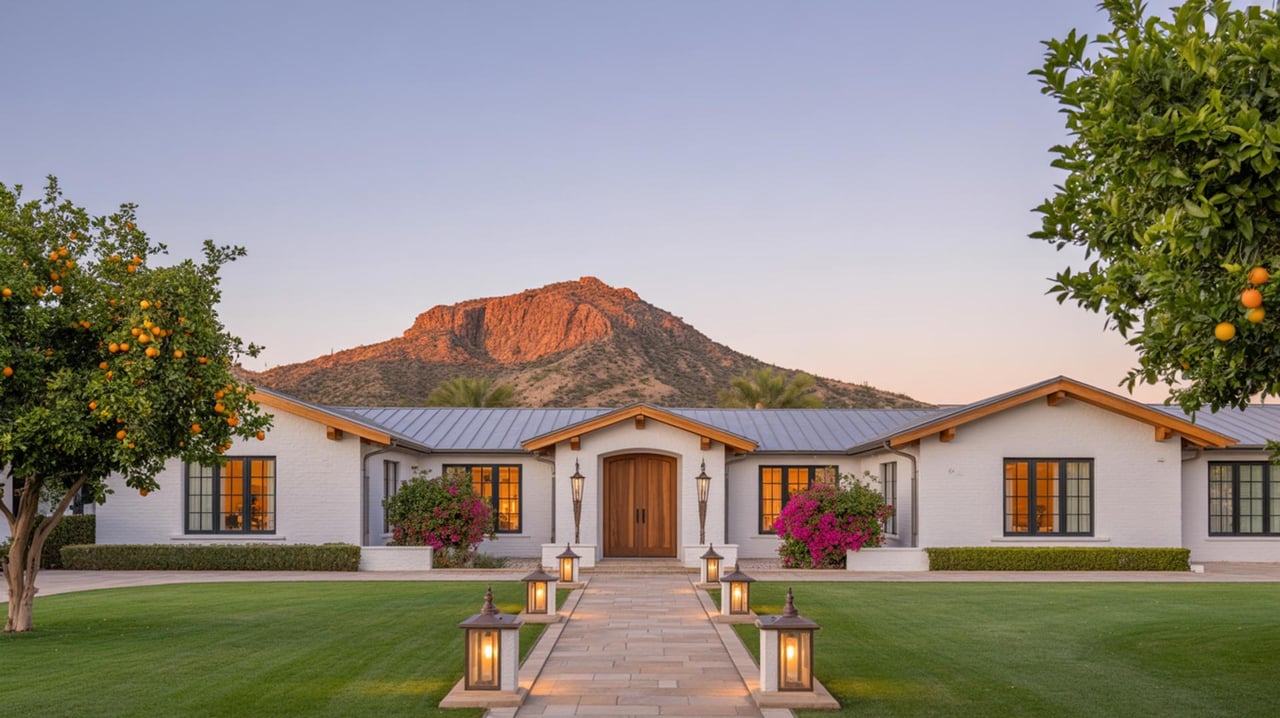
Picture this: morning light on the McDowell Mountains, a gentle breeze across the fairway, and your patio perfectly positioned for coffee with a view. If you’re considering a move to McDowell Mountain Ranch, golf course living can offer a rare blend of open space, convenience, and desert beauty. You also want to weigh the practical tradeoffs that come with being on or near the course. In this guide, you’ll learn how the club operates, what floorplans work best, how HOAs and easements impact your plans, and what affects resale value. Let’s dive in.
Why consider McDowell Mountain Ranch
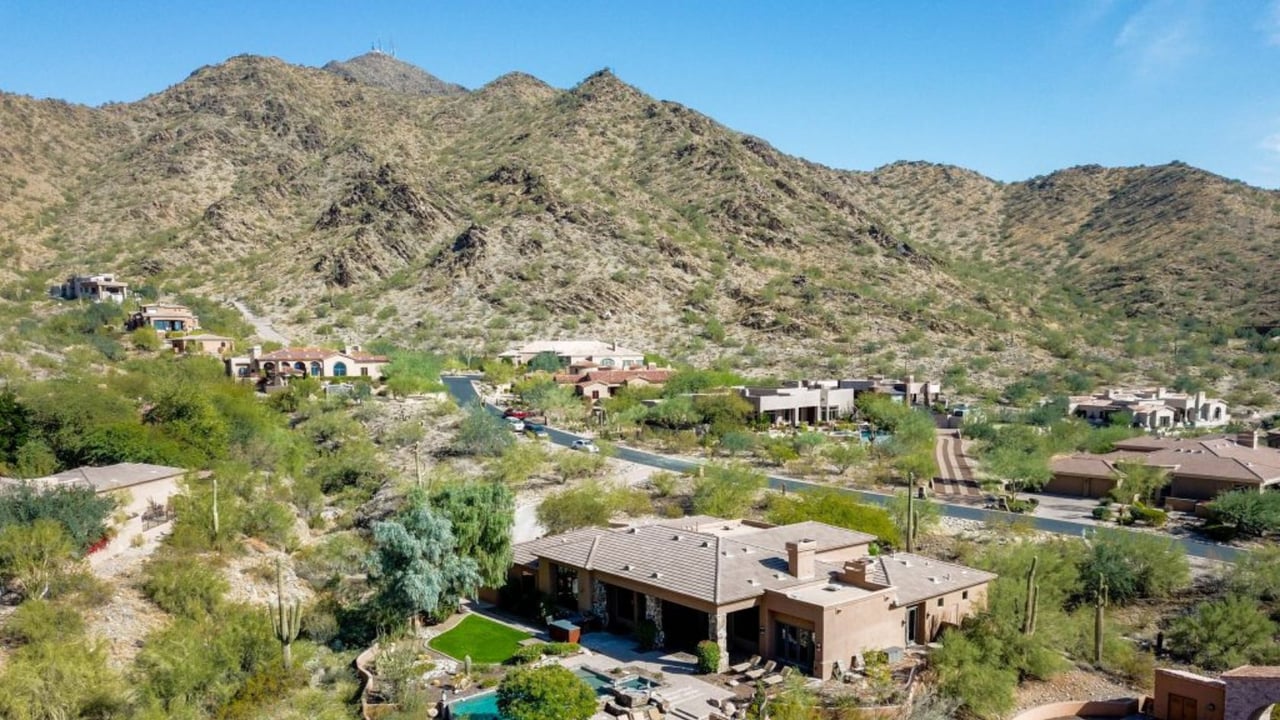
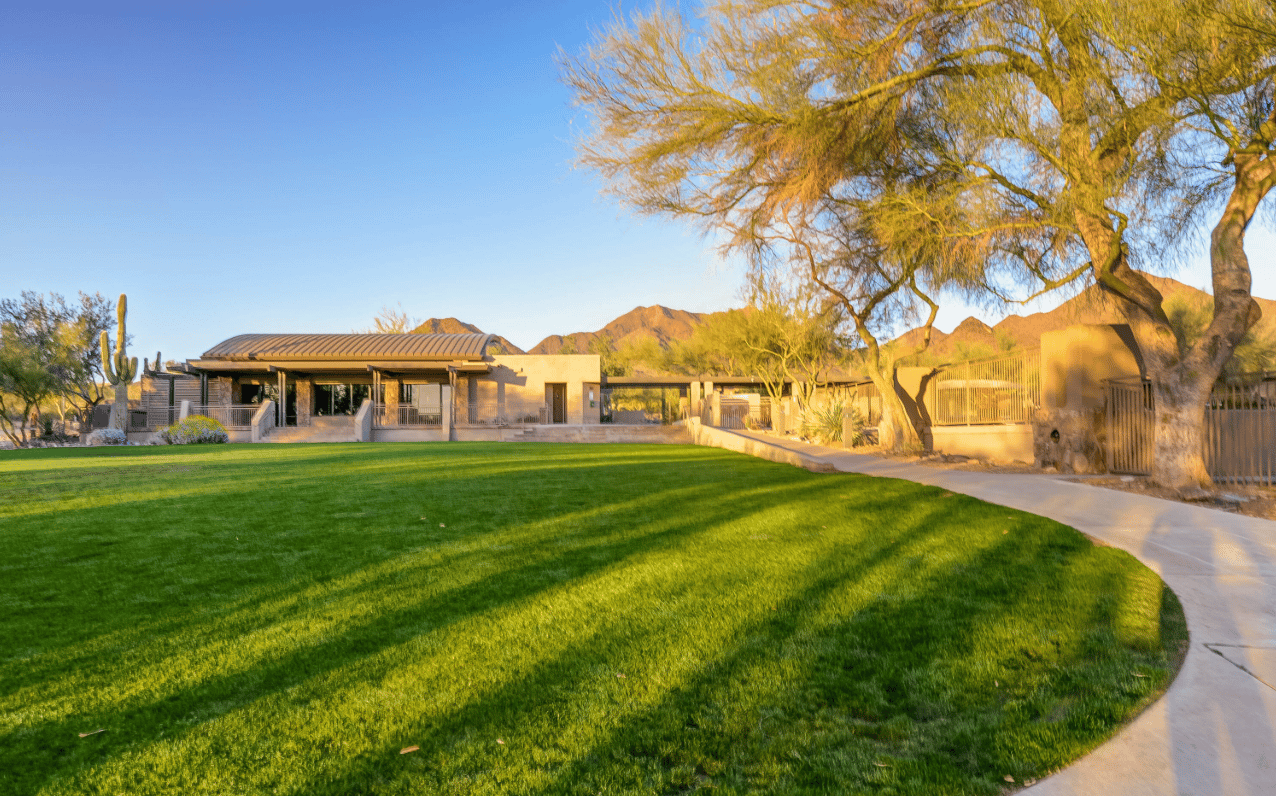
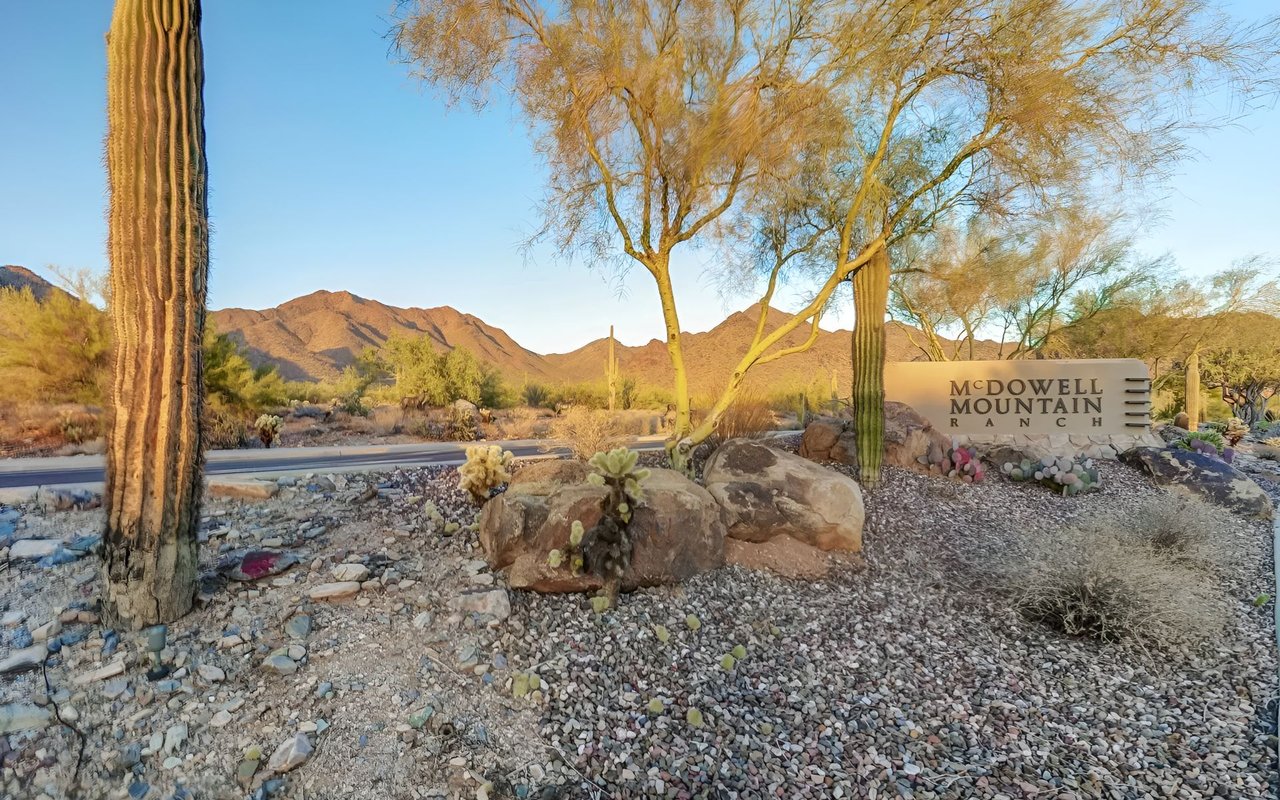
McDowell Mountain Ranch sits in the McDowell Mountains area of the northeast Phoenix metro. The master‑planned design brings together desert open space, neighborhood amenities, and the 18‑hole McDowell Mountain Golf Club. Many homes capture fairway, lake and pond, mountain, or interior greenbelt views.
You’ll find strong lifestyle drivers here. Scenic views and outdoor amenities are the headliners, with easy access to recreation, trails, and nearby job centers. If you value an active desert lifestyle with low‑maintenance yards and indoor‑outdoor living, this community delivers.
How the golf club works
Living in McDowell Mountain Ranch does not automatically include a golf membership. The McDowell Mountain Golf Club typically offers memberships separately from home ownership, and may provide a mix of private memberships, social options, and public tee times. Always confirm current membership availability and policies directly with the club.
Club operations shape everyday life. Expect early morning course maintenance, watering, and mowing, along with occasional tournaments or events that can increase local traffic and parking. If you are sensitive to morning noise, it’s smart to visit potential homes before sunrise to experience the routine firsthand.
Home types and floorplans
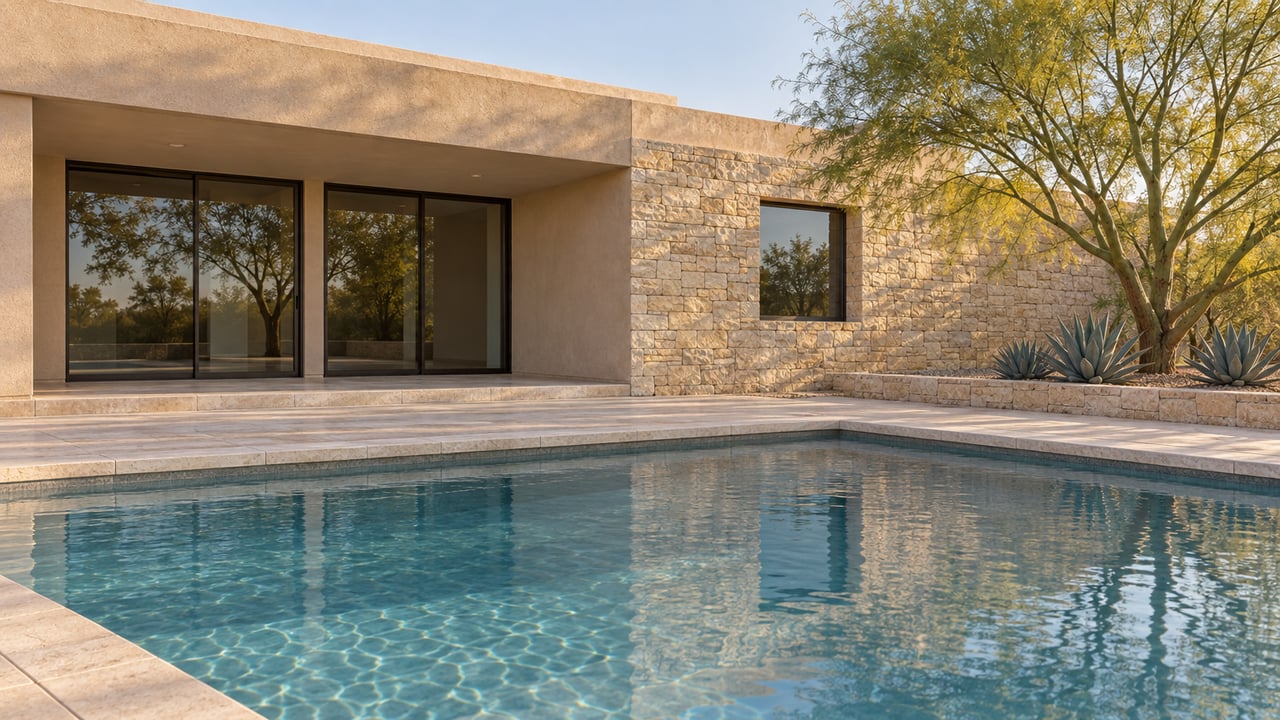
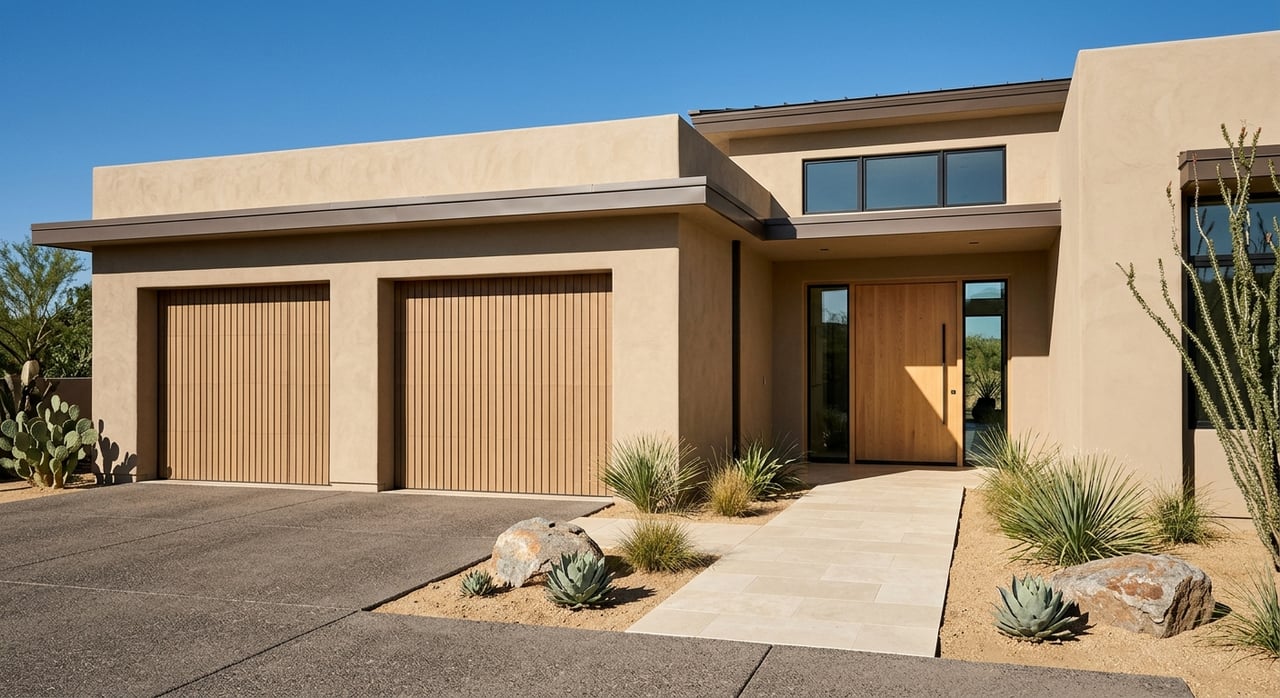
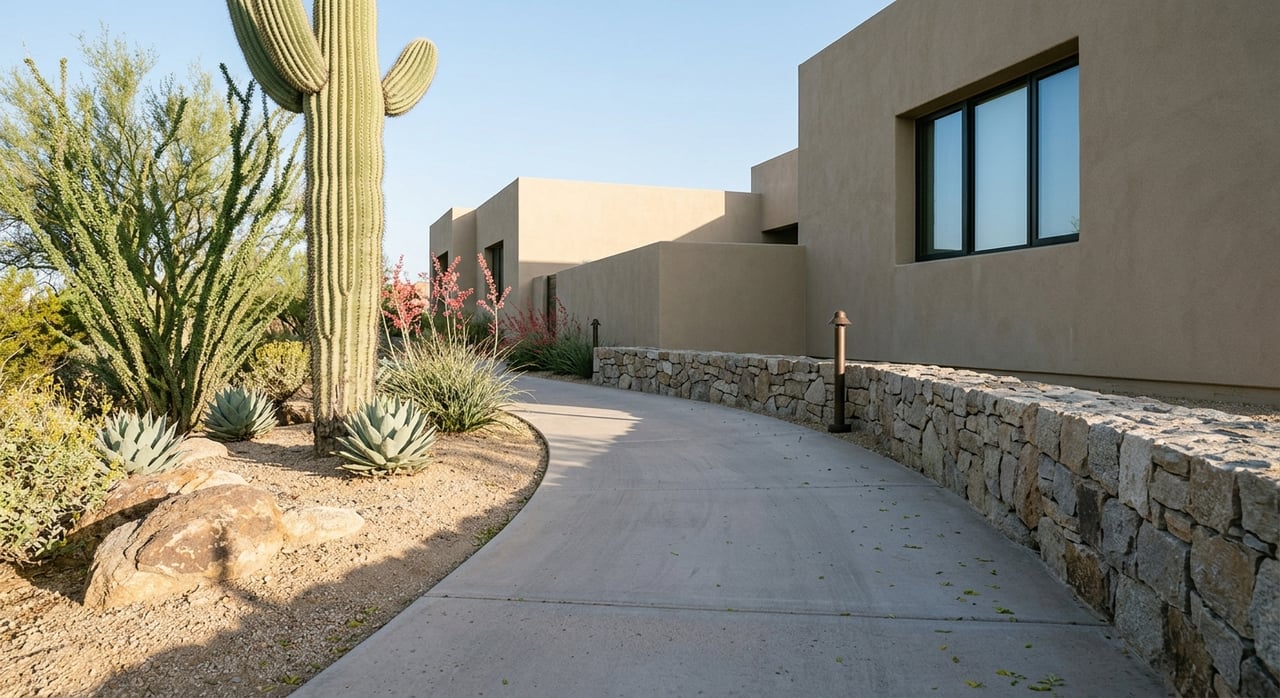
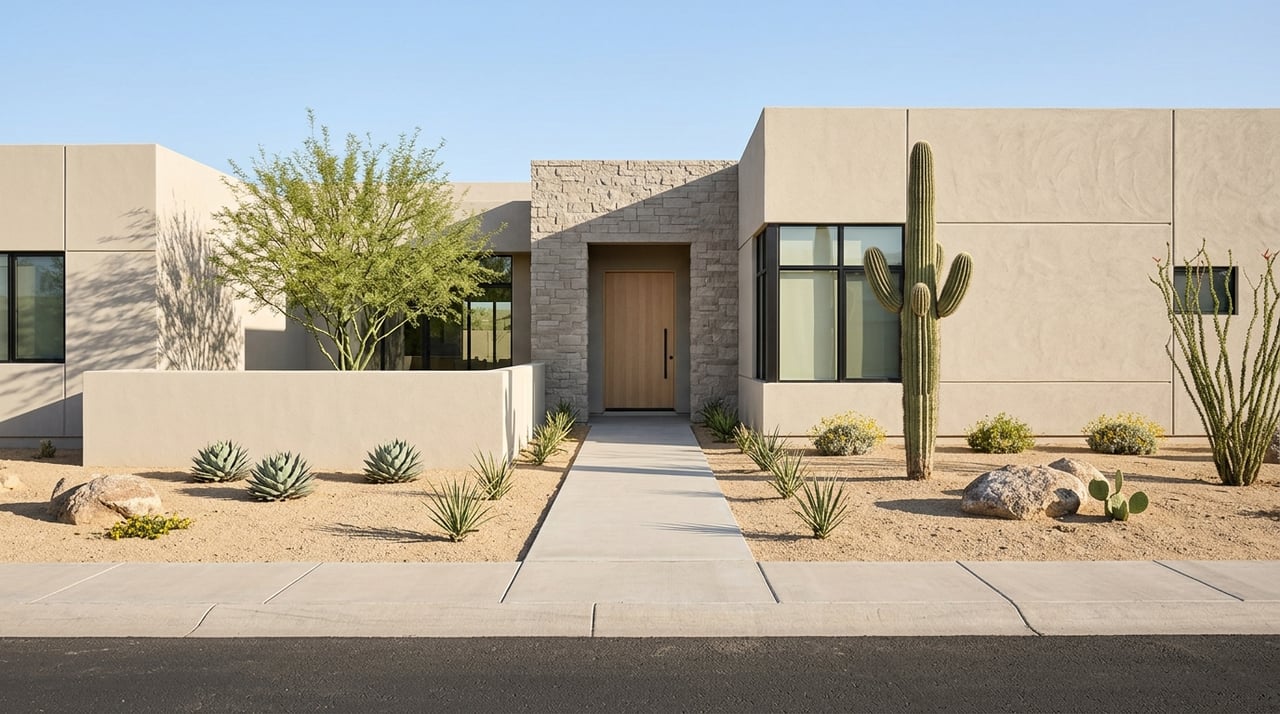
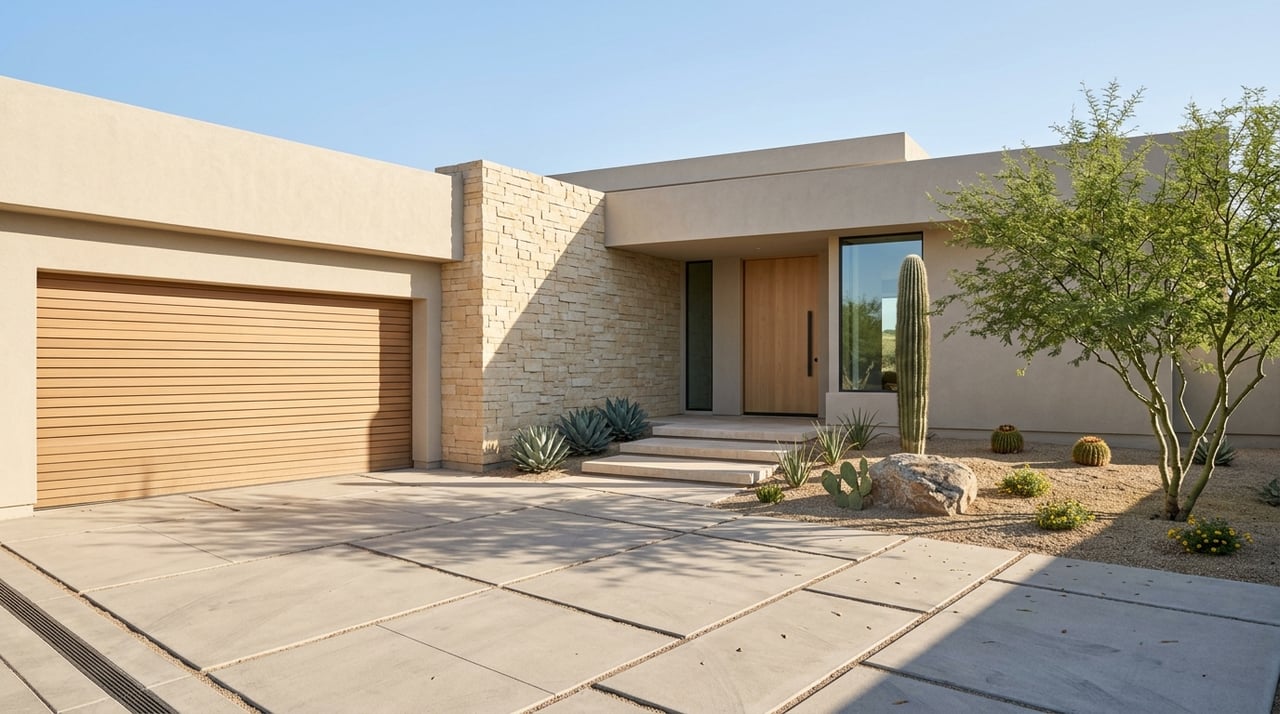
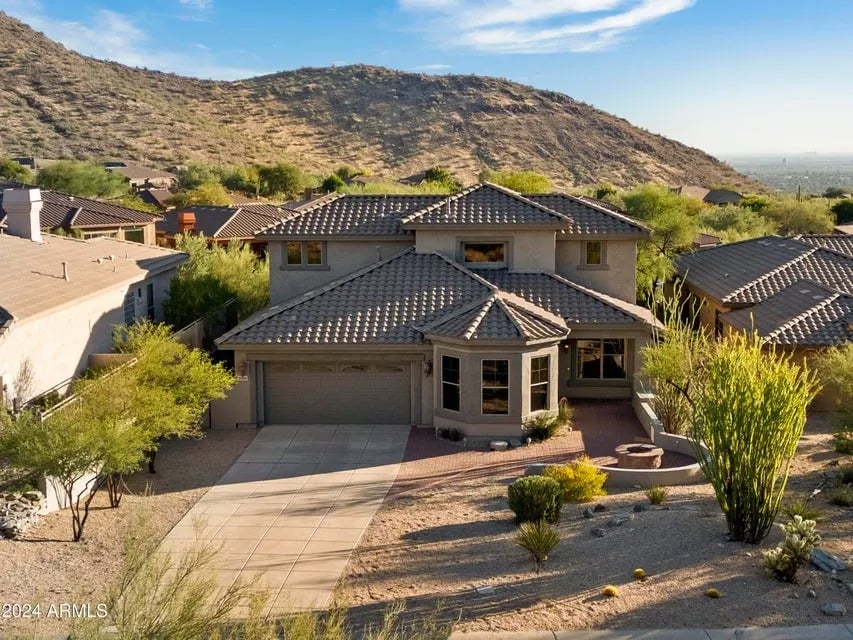
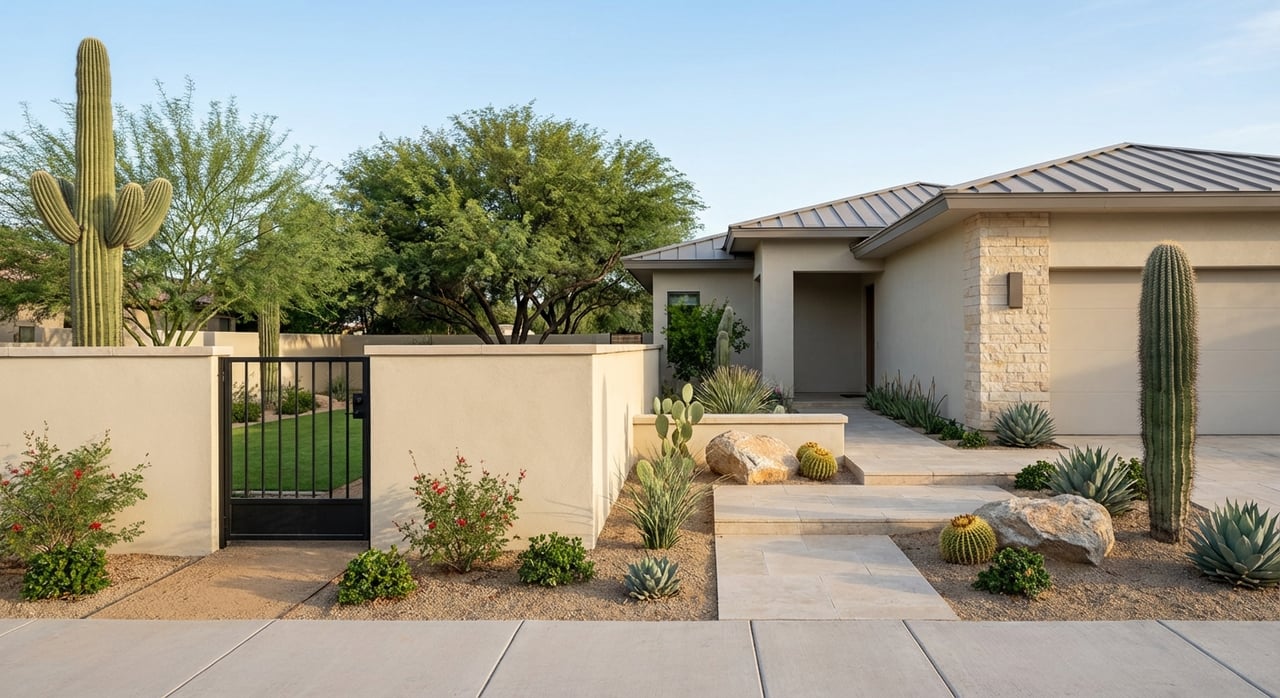
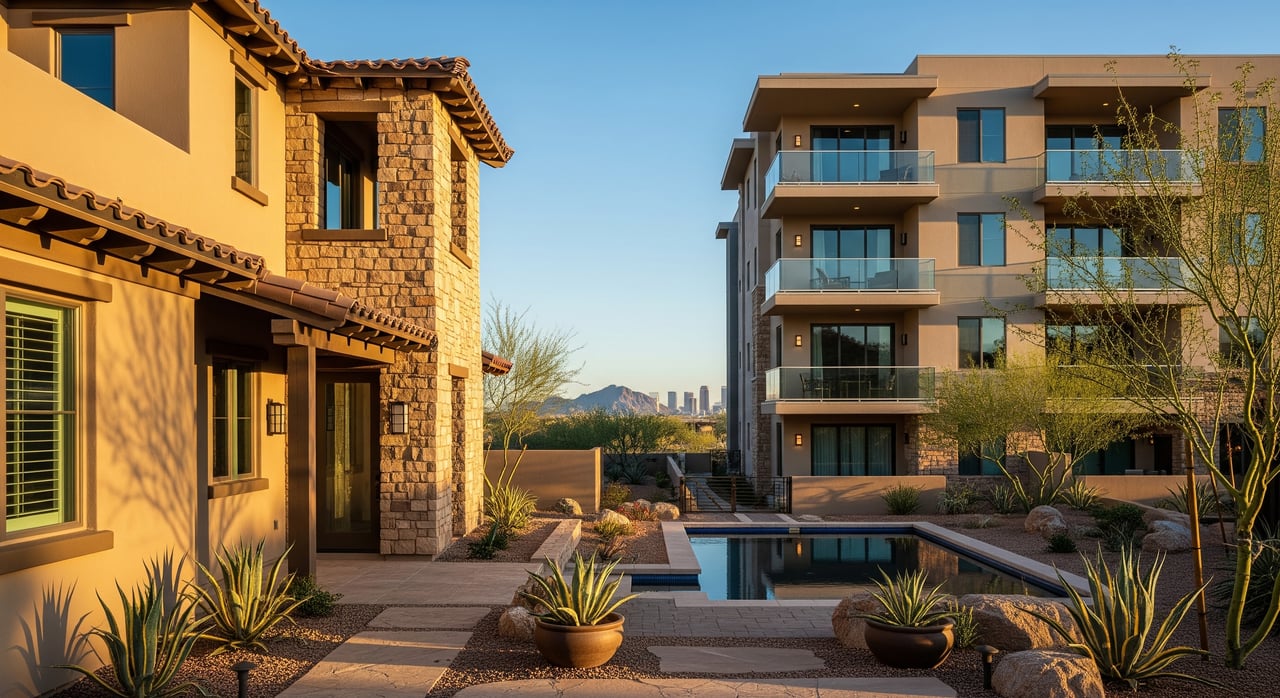
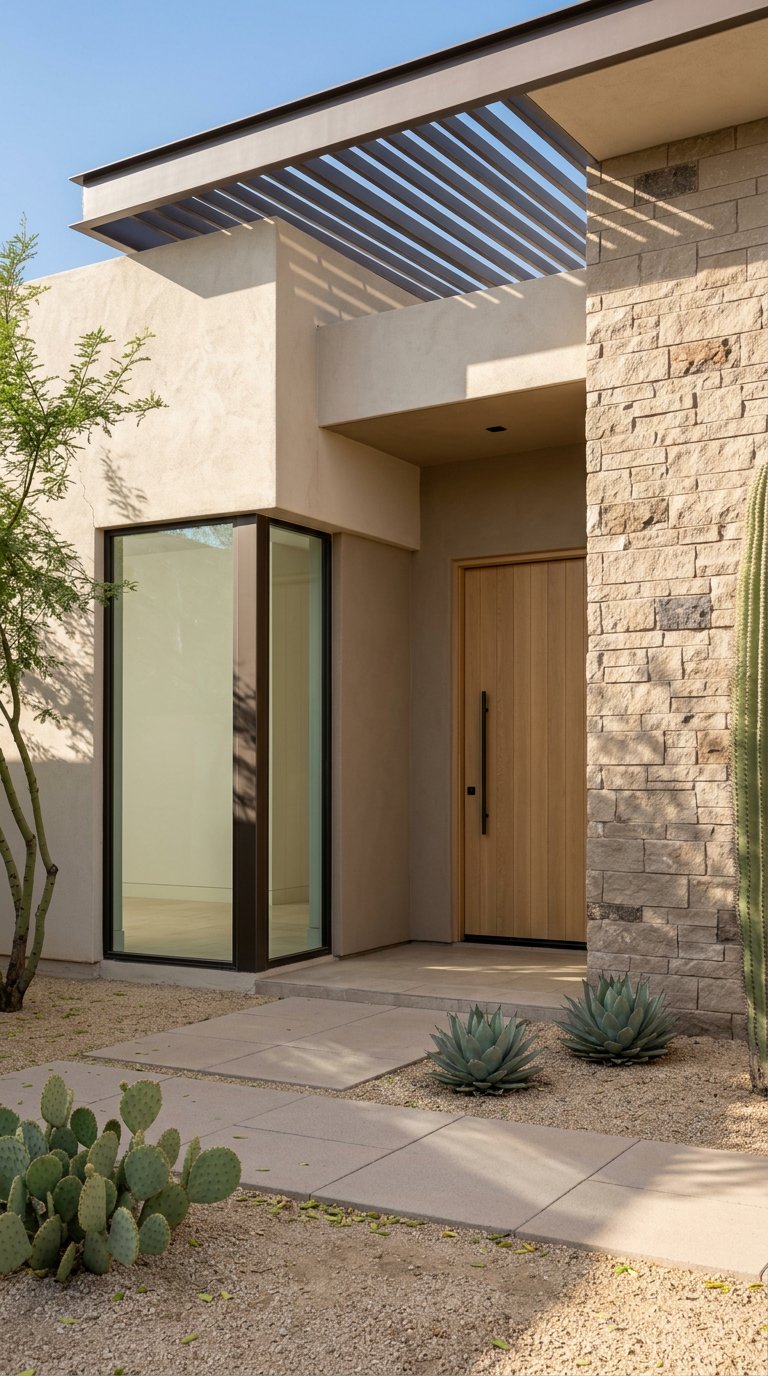
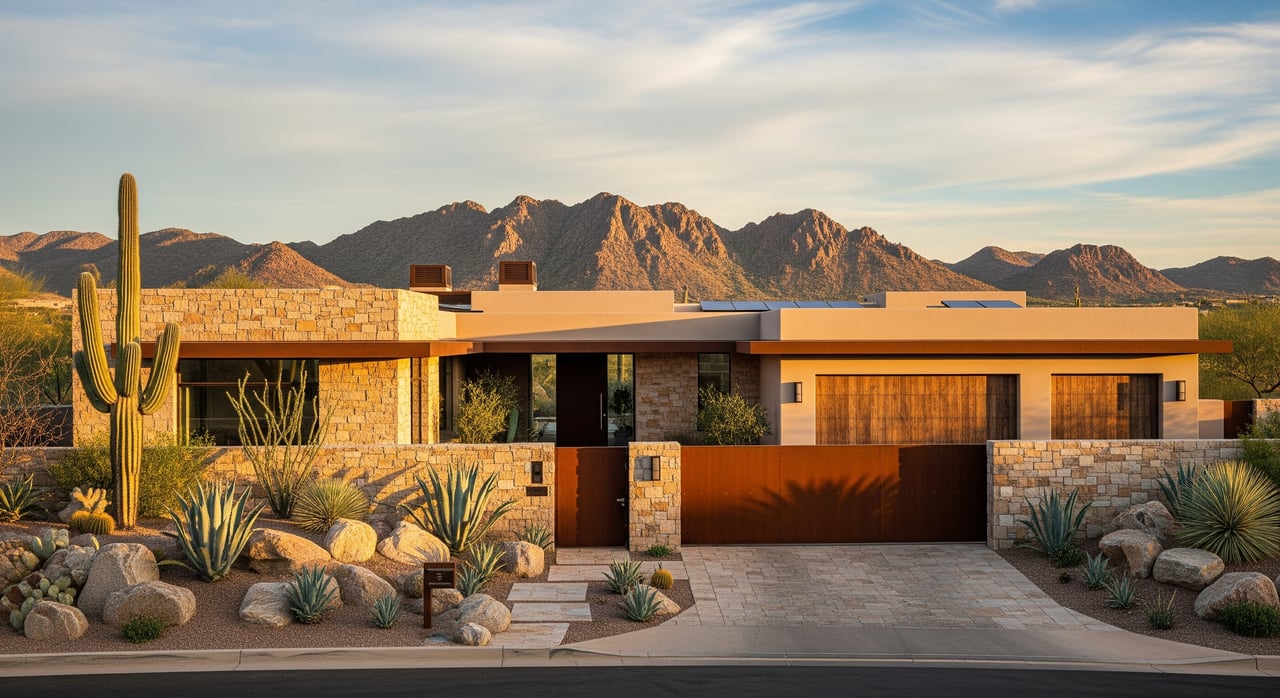
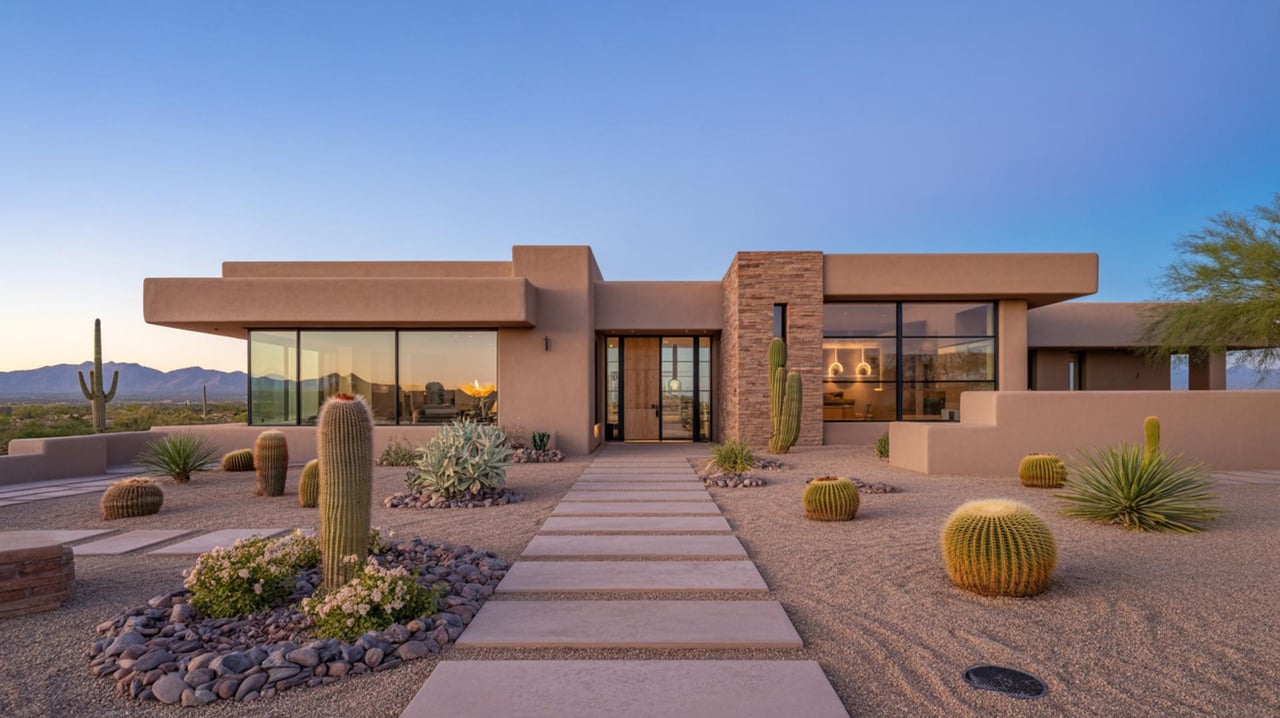
You’ll see a variety of homes built in phases during the late 1990s and 2000s, from patio and townhome options to single‑family residences. Architecture leans Southwestern and Mediterranean with stucco exteriors, tile roofs, and desert‑friendly landscaping.
Typical size ranges include:
- Small single‑family or patio homes around 1,200 to 1,800 square feet with 2 to 3 bedrooms and 2 baths.
- Mid‑sized homes around 1,800 to 3,000 square feet with 3 to 4 bedrooms and 2 to 3.5 baths.
- Larger models from 3,000 to 4,500+ square feet with 4 or more bedrooms and multiple living areas.
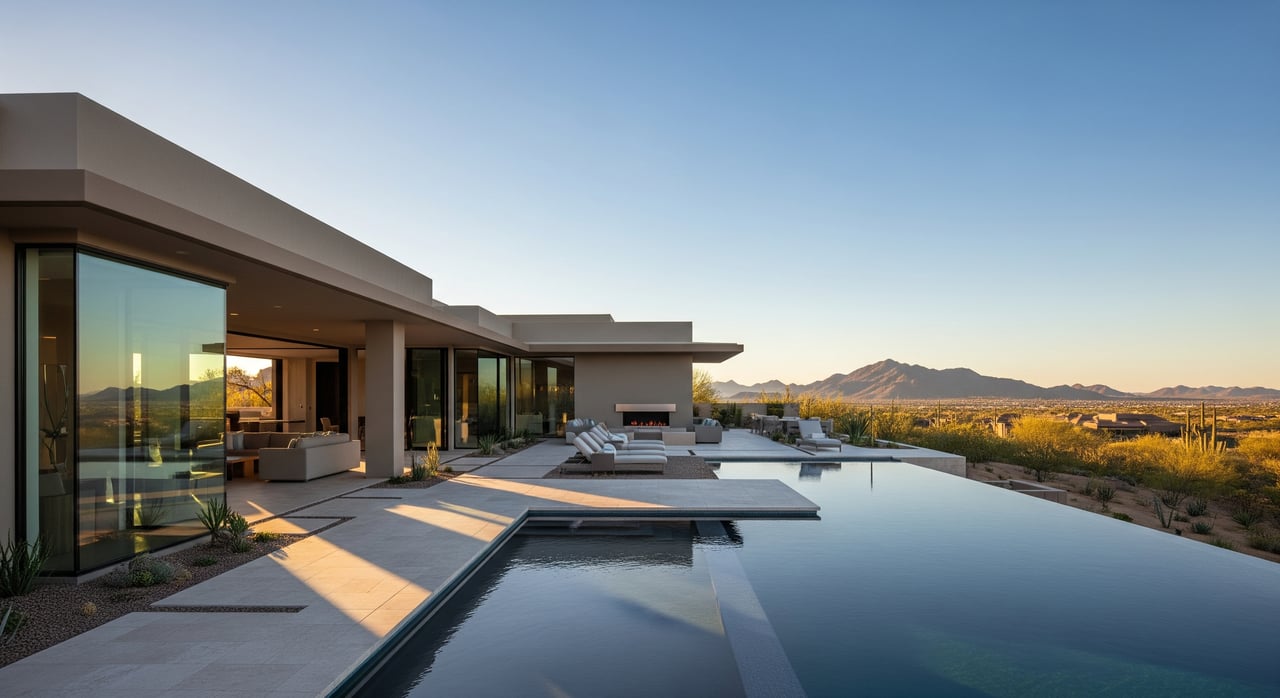
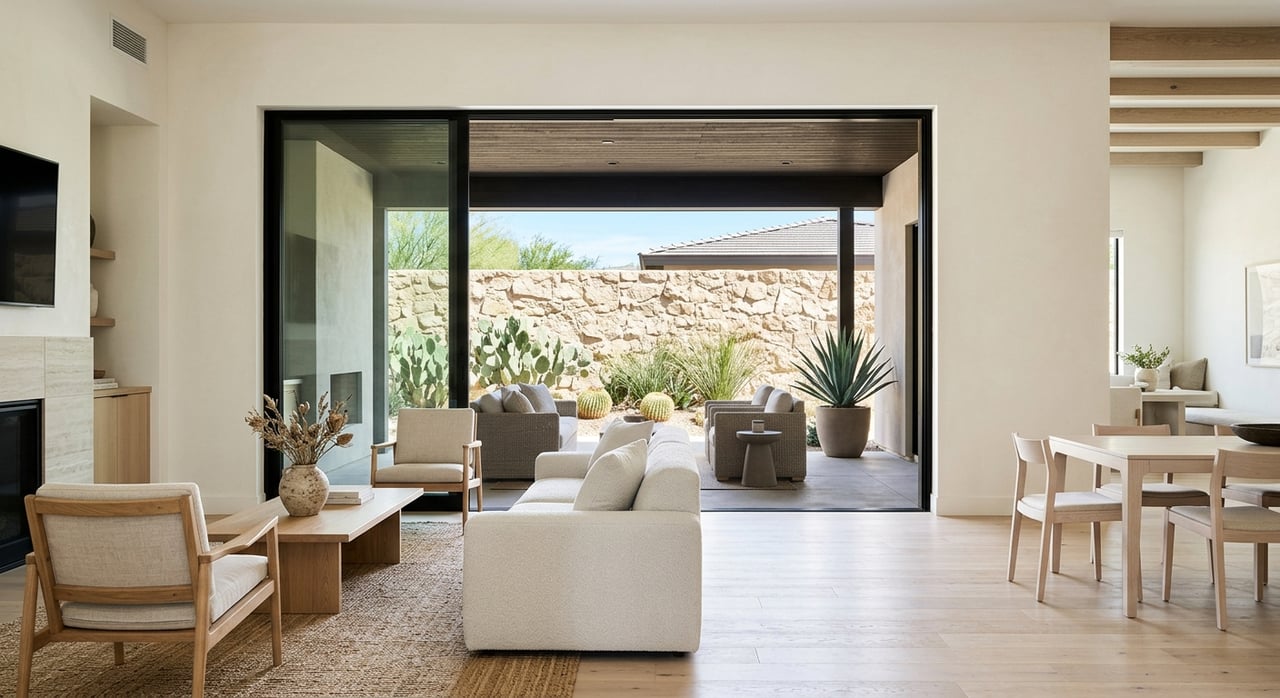
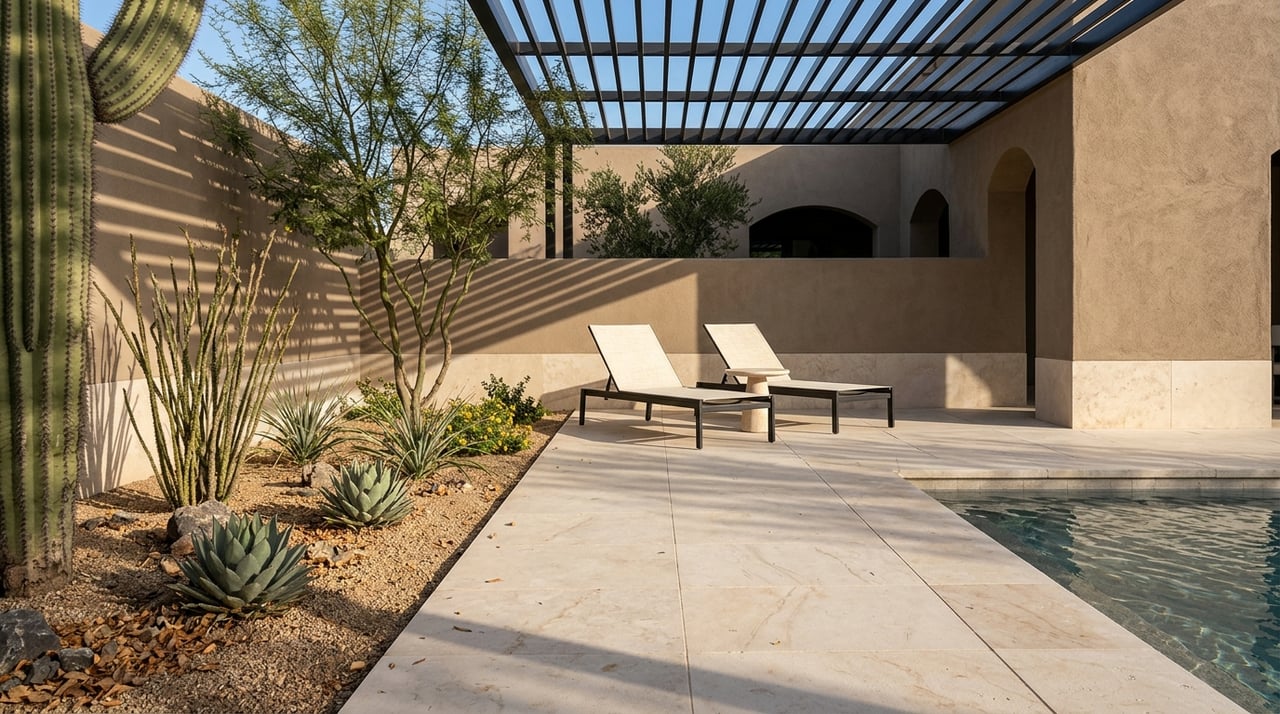
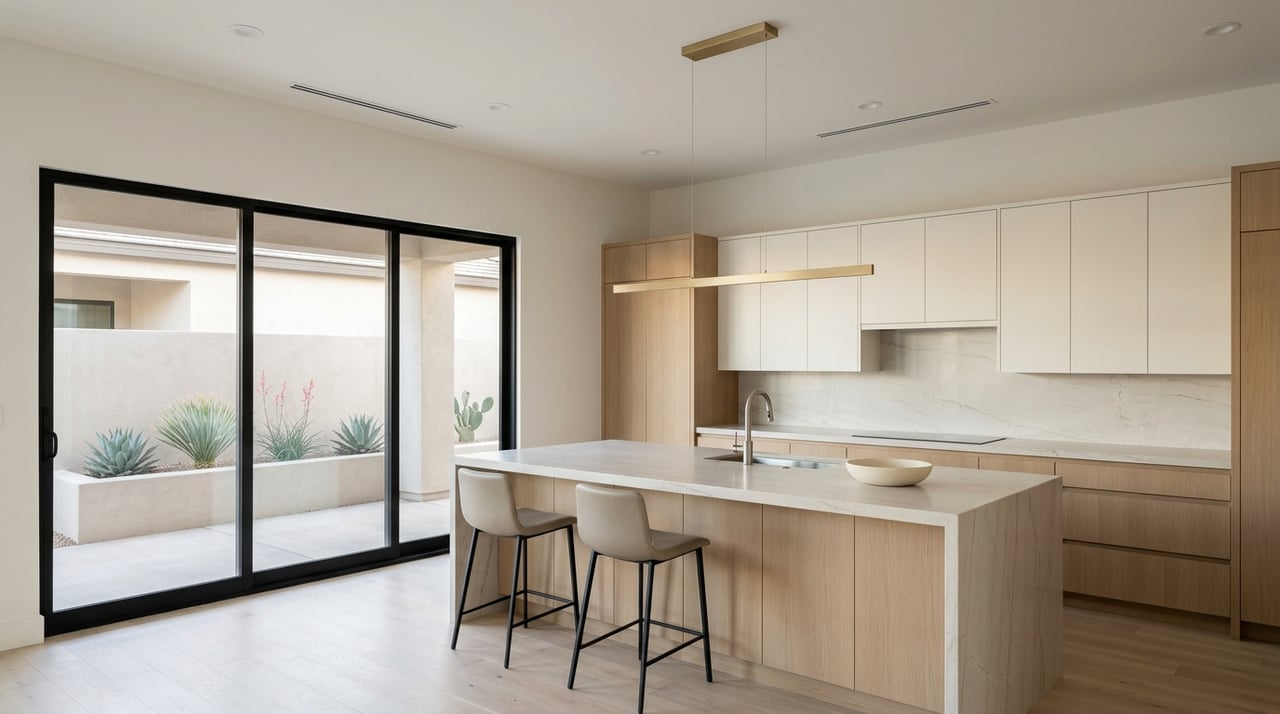
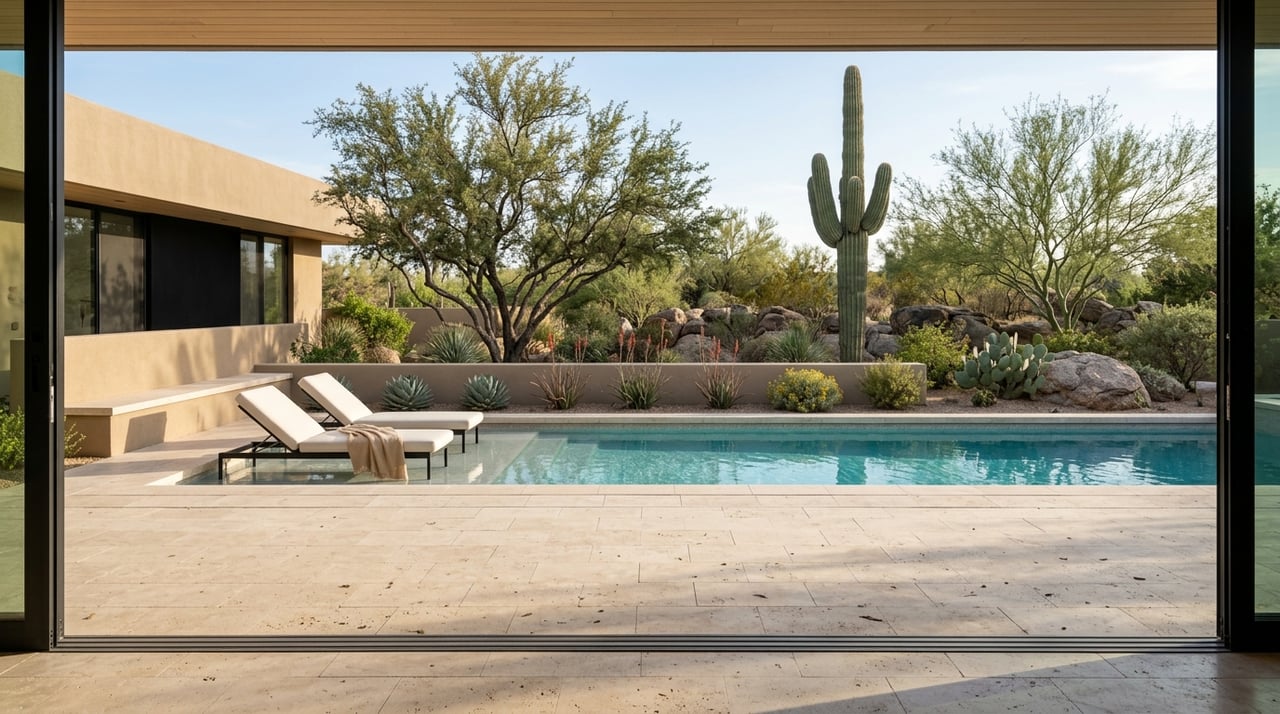
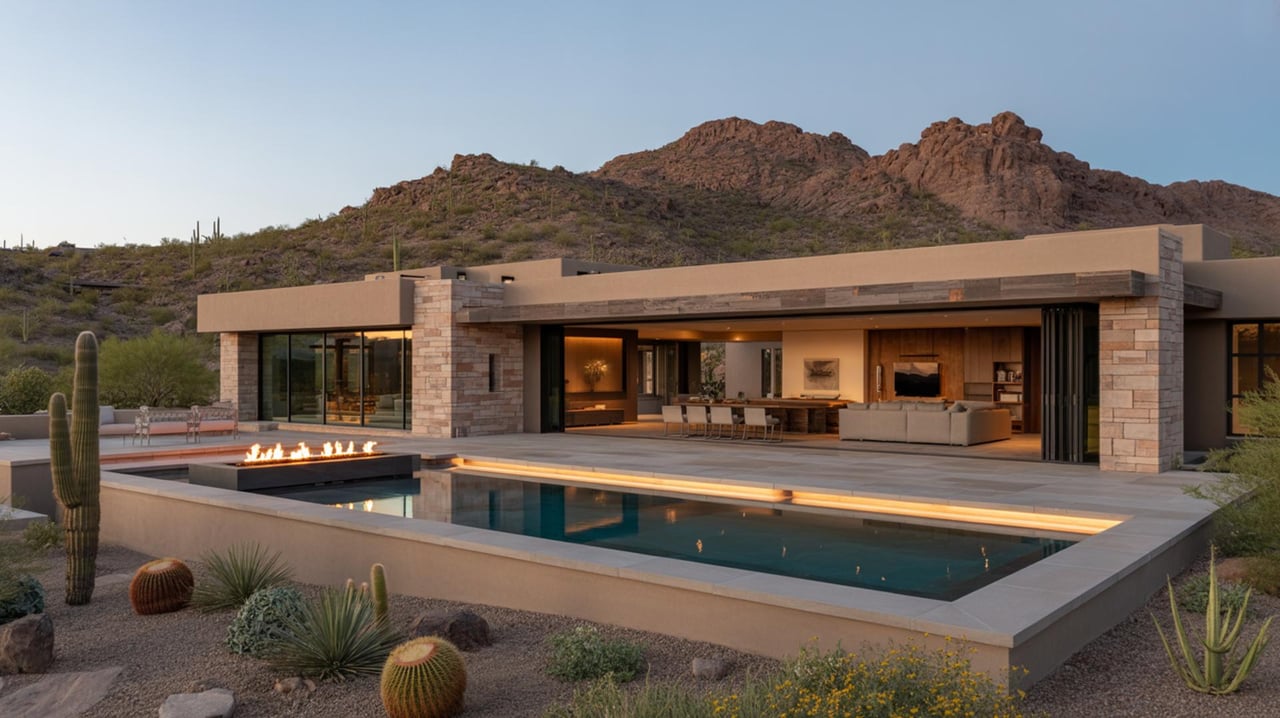
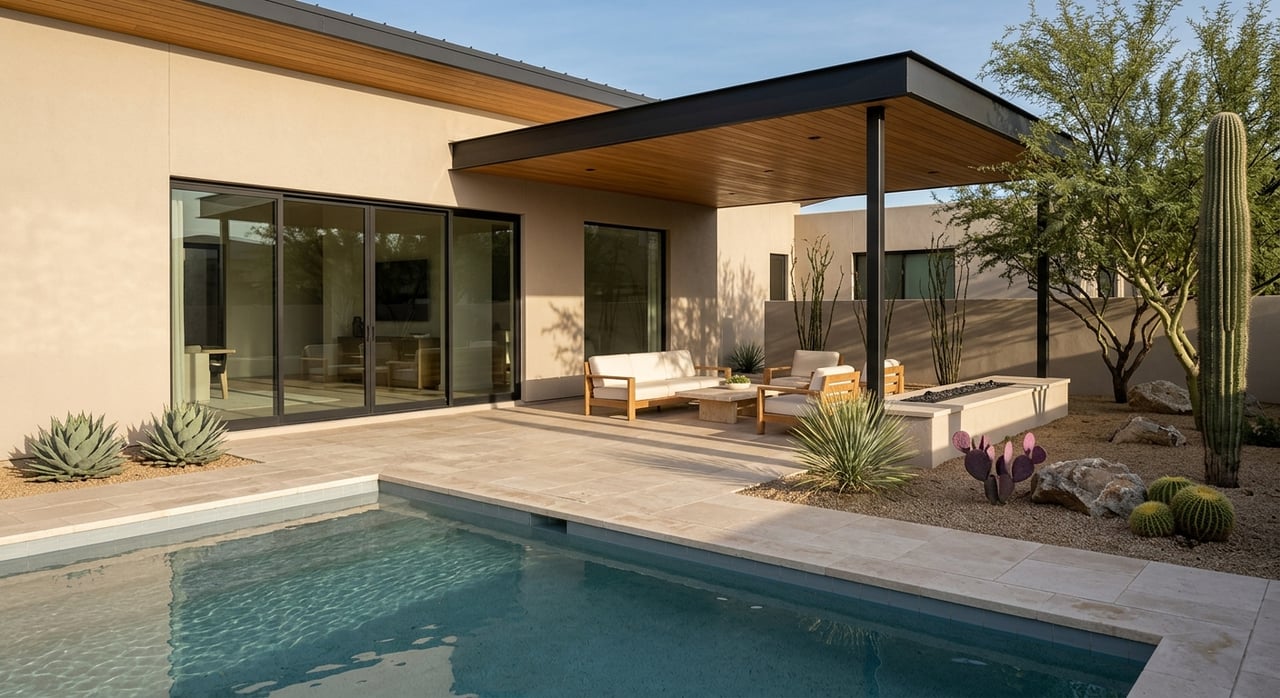
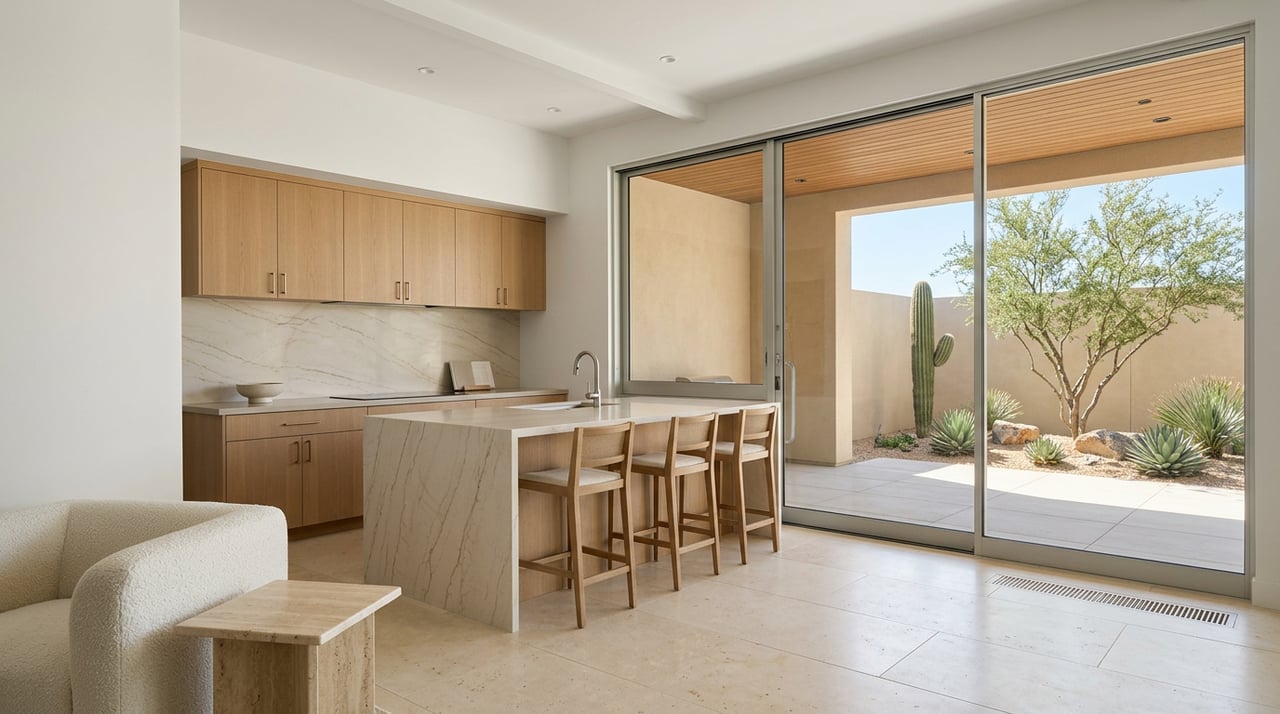
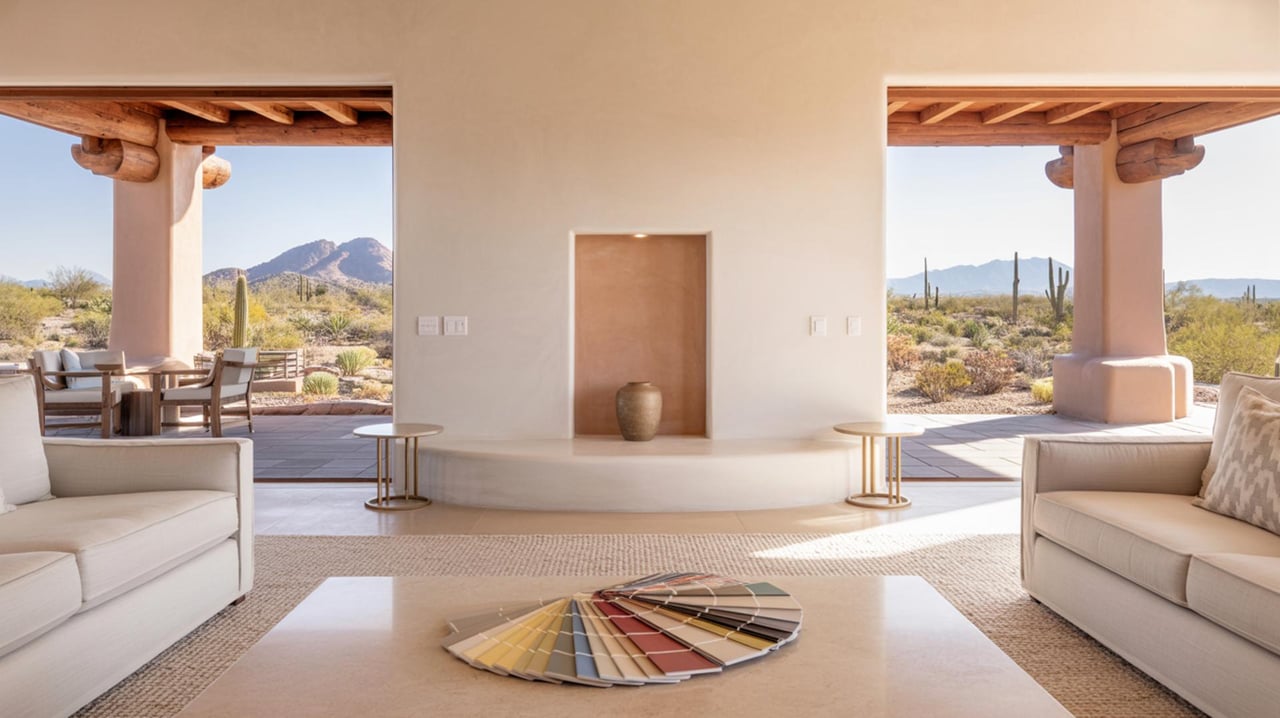
Golf‑adjacent homes are designed to maximize the setting. Backyards often open to the fairway with large patios and multiple sliding door walls. Great rooms and primary suites are placed to capture views. Many plans include 2‑ to 3‑car garages and forced‑air cooling suitable for the climate.
Orientation and view lines
Orientation relative to the fairway matters. A backyard facing the fairway typically offers the most seamless views, while side‑yard adjacency may trade a broader view for additional privacy. If there is a water feature near the hole, it can add scenic value. Evaluate whether view lines are unobstructed and how much usable yard remains.
Single vs two story
Two‑story homes can offer elevated views over the fairway and mountains. Single‑story homes can feel more private and simplify daily living. Consider neighboring structures, lot depth, and how second‑story windows align with the course.
Backyard privacy and water features
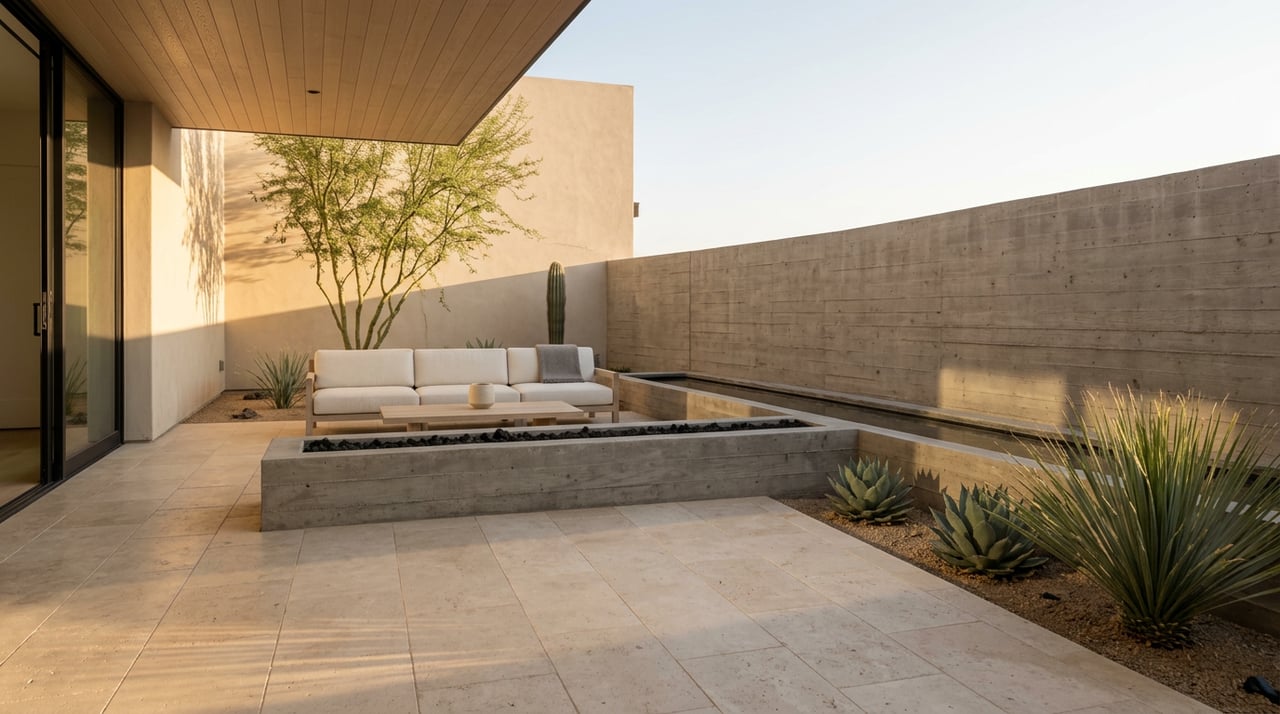
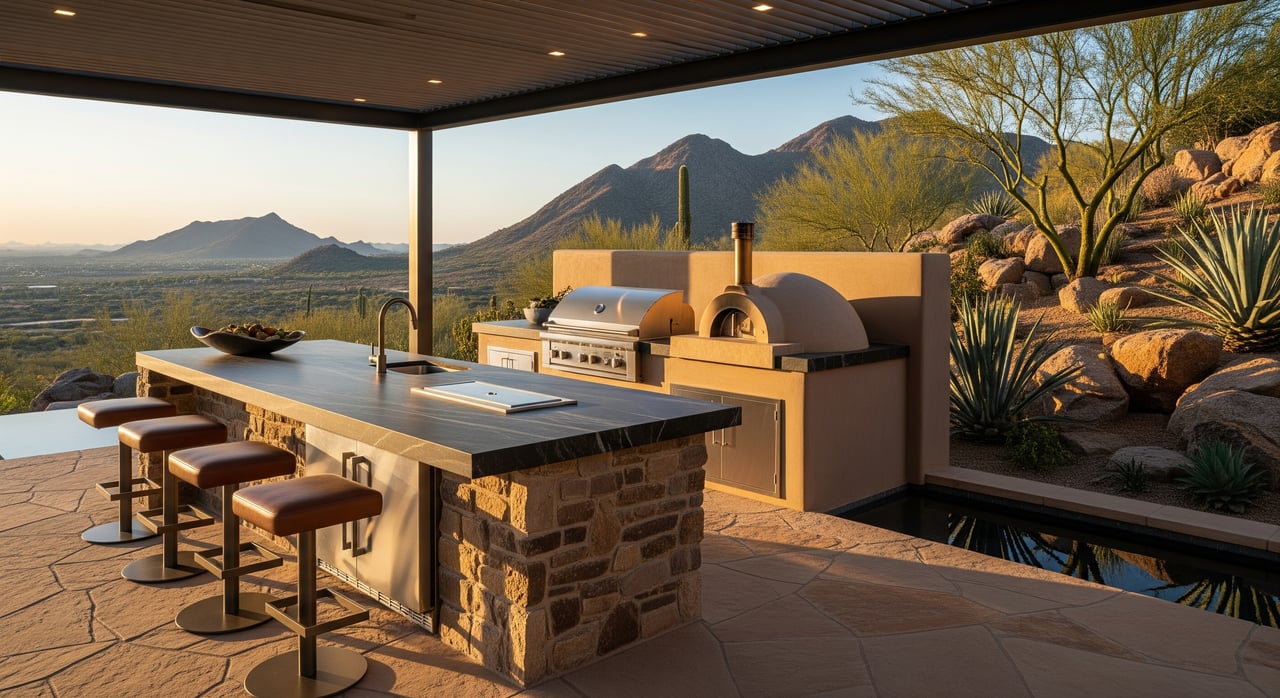
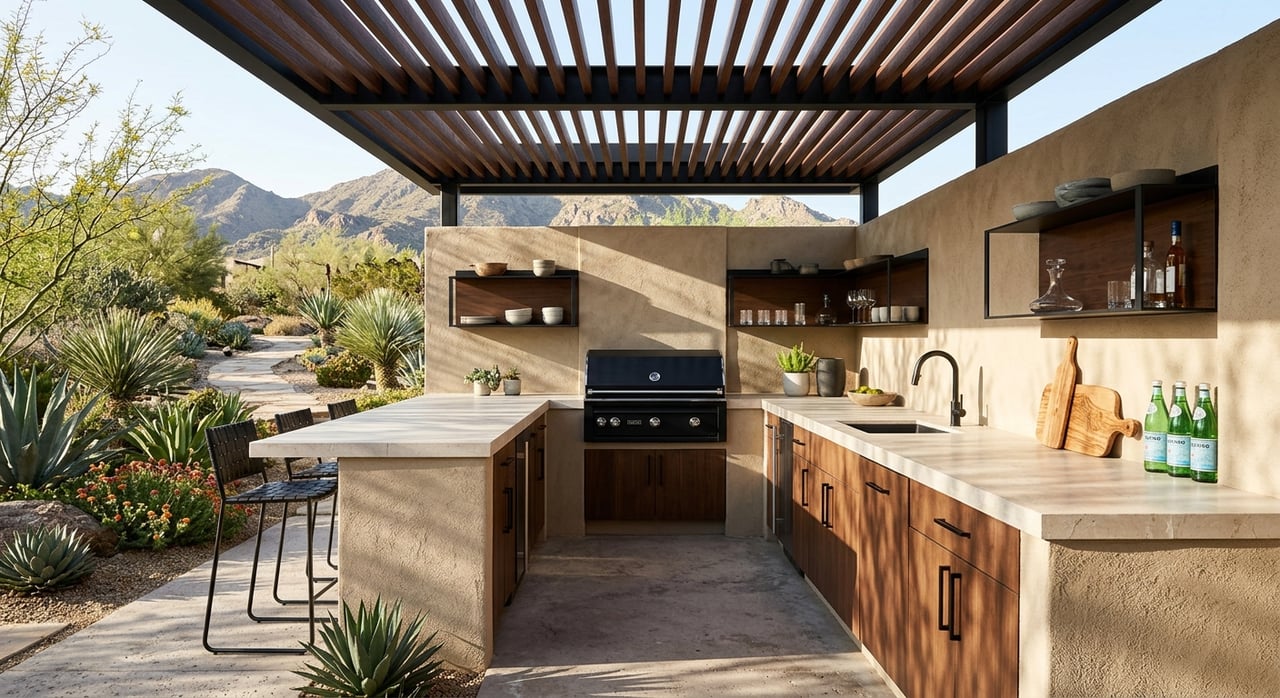
Golf‑front lots may have narrower rear yards with open views. Interior lots often provide deeper, more private yards. If you prefer a wide entertaining space with outdoor kitchens or fire features, check the lot’s usable area. Be mindful of nearby ponds or lakes, which can influence microclimate and insects.
HOA rules, fees, and easements
Expect a master association plus sub‑associations for certain gated enclaves or townhome clusters. Each may have its own CC&Rs, rules, and assessments. Commonly governed items include exterior colors, roofing, front‑yard landscaping standards, and guidelines for satellite dishes or solar panels.
Fees vary by association and services, and they can change over time. Dues typically support common areas, community amenities, private roads, gates, and reserves. Always review current budgets and reserve studies to understand coverage and long‑term planning.
Easements and buffers
Homes that back to the course often have maintenance easements, landscape buffers, irrigation lines, and access strips at the rear property edge. These can limit the placement of pools, ramadas, play structures, or outdoor kitchens. Review the recorded plat and any easement exhibits to understand your buildable area and drainage flows.
Leasing and short‑term rental rules
Many associations set minimum lease terms, waiting periods, or restrictions on short‑term rentals. These rules affect both investor demand and resale to non‑owner occupants. If you plan to lease, confirm all requirements in writing before you buy.
What to verify before you buy
- Full HOA packet: CC&Rs, bylaws, budget, reserve study, and recent meeting minutes.
- Any agreements between the golf operator and the association for maintenance or event access.
- Special assessments, planned capital projects, or litigation.
Everyday lifestyle tradeoffs
Golf course living offers wide‑open views, outdoor living, and quick access to the clubhouse. Streets can feel calmer, with greenbelts and trails drawing walkers and cyclists.
There are tradeoffs to understand. Early morning maintenance and watering are common. Cart paths and occasional events add activity. There is a measurable risk of errant golf balls, which influences materials and backyard design.
Noise and irrigation schedules
Course maintenance often starts pre‑dawn to beat the heat and accommodate play. Watering and mowing can create background noise and occasional overspray. Ask about typical maintenance timing to see if it fits your routine.
Golf balls and protection
Inspect windows, patio covers, and roof surfaces for signs of golf ball strikes. Consider mitigation like protective screening, strategic landscaping, or raised window sills on vulnerable elevations. Speak with your insurance carrier about coverage for glass and exterior damage, and whether any endorsements are recommended.
Water‑wise landscaping
Desert‑appropriate landscaping is a strong fit. If you plan to convert turf to xeriscaping, confirm HOA guidelines and approval steps. Be mindful of irrigation ditches or sprinkler overspray near the course boundary and how that may affect plant choices.
Security and access
Semi‑private courses increase foot traffic near rear lot lines. Check for fencing, buffers, or gates between your yard and the fairway. Confirm who maintains the boundary wall and any landscape strip.
Resale and investment insights
Golf‑front homes tend to attract a lifestyle‑driven buyer pool. Many buyers who value open space and mountain views will pay a premium for the setting even if they are not avid golfers. The size of that premium varies with view quality, lot usability, privacy, home condition, and competing inventory.
In general, exceptional views can command premiums that range from the low single digits to the low double digits as a percentage of value. Treat this as a guideline rather than a rule. Your best indicator is recent comparable sales within your specific sub‑neighborhood that separate golf‑front from interior homes.
Key factors that influence resale include orientation, water features in view, usable backyard area, quality of outdoor spaces, and any association rules that limit certain buyers. Keep an eye on the golf club’s health and membership model. Course redesigns or service reductions can affect perceived value.
For planning, verify property taxes through county records and confirm homeowner insurance coverage for exterior damage from golf activity. If the club plans significant capital projects, understand whether any costs could impact homeowners through association channels.
Smart buying steps in this community
Before you write an offer, assemble the right information and test how the property lives day to day.
- Get the HOA documents: CC&Rs, bylaws, budget, reserve study, minutes, and rules on landscaping, colors, fencing, and leasing.
- Review the recorded plat and easements to confirm usable backyard space and any no‑build strips.
- Ask the seller about golf ball history, prior claims, or mitigation measures already in place.
- Contact the club for current membership options, guest policies, tournaments, and any planned renovations.
- Pull recent comps for golf‑front and interior homes within the same sub‑area from the last 6 to 12 months.
- Verify who maintains irrigation lines and turf borders at the rear lot line.
During inspections, go beyond the basics:
- Standard home inspection plus detailed checks of windows, screens, roofs, and patio structures for golf‑related wear.
- Landscape review for drainage, grading, irrigation, and boundary walls.
- Visit at dawn to experience maintenance noise and irrigation firsthand.
Protect your interests in escrow with targeted contingencies:
- Contingency to review HOA documents and any special assessments.
- If membership matters to you, a contingency that membership is available on acceptable terms.
- Confirmation that you can secure standard homeowner insurance at market rates.
For sellers: position your golf‑course home
If you are preparing to sell, highlight what buyers value most: view lines, privacy, and outdoor living. Neutralize distractions so the eye goes to the fairway and mountains. Consider a pre‑listing window and roof check if your home sees regular golf activity.
Elevate the lifestyle story with clear morning and sunset photography, patio staging, and concise notes on mitigation steps already in place. Disclose known maintenance schedules so buyers set realistic expectations. Market beyond golfers to widen the pool, emphasizing open space, trail access, and desert scenery.
Your next step
Whether you are relocating or moving up, you deserve local guidance that understands every sub‑neighborhood, lot orientation, and HOA nuance in McDowell Mountain Ranch. A boutique, education‑first approach can help you weigh lifestyle tradeoffs, navigate easements and rules, and price for the view you are buying or selling.
If you want clear advice, disciplined negotiation, and concierge‑level service from a team anchored in McDowell Mountain Ranch, connect with the Mattisinko Group. We’re ready to help you move with confidence.
FAQs
Does buying a home on the McDowell Mountain course include membership?
- No. Golf membership is typically sold separately from home ownership, so always confirm current options directly with the club.
How much more do golf‑front homes cost in this community?
- Premiums vary by view quality, lot usability, privacy, and condition, with general ranges from low single digits to low double digits based on local comps.
What HOA rules affect backyard changes near the fairway?
- HOAs often regulate exterior colors, roofs, fences, and landscape changes, and easements can limit where you place structures or hardscape.
How common is golf ball damage and what can I do about it?
- Risk varies by hole and orientation; inspect for prior strikes and consider screening, landscape buffers, and insurance endorsements if needed.
Will early morning maintenance be loud?
- Maintenance and watering often occur before sunrise to avoid heat and play; visit a prospective home at dawn to gauge your comfort level.
Who maintains the strip between my yard and the fairway?
- It depends on recorded easements and association or course agreements; verify maintenance responsibilities during due diligence.
Could changes at the golf club affect my home’s value?
- Yes. Course redesigns, closures, or service reductions can impact perceived value, so keep an eye on the club’s long‑term health and plans.