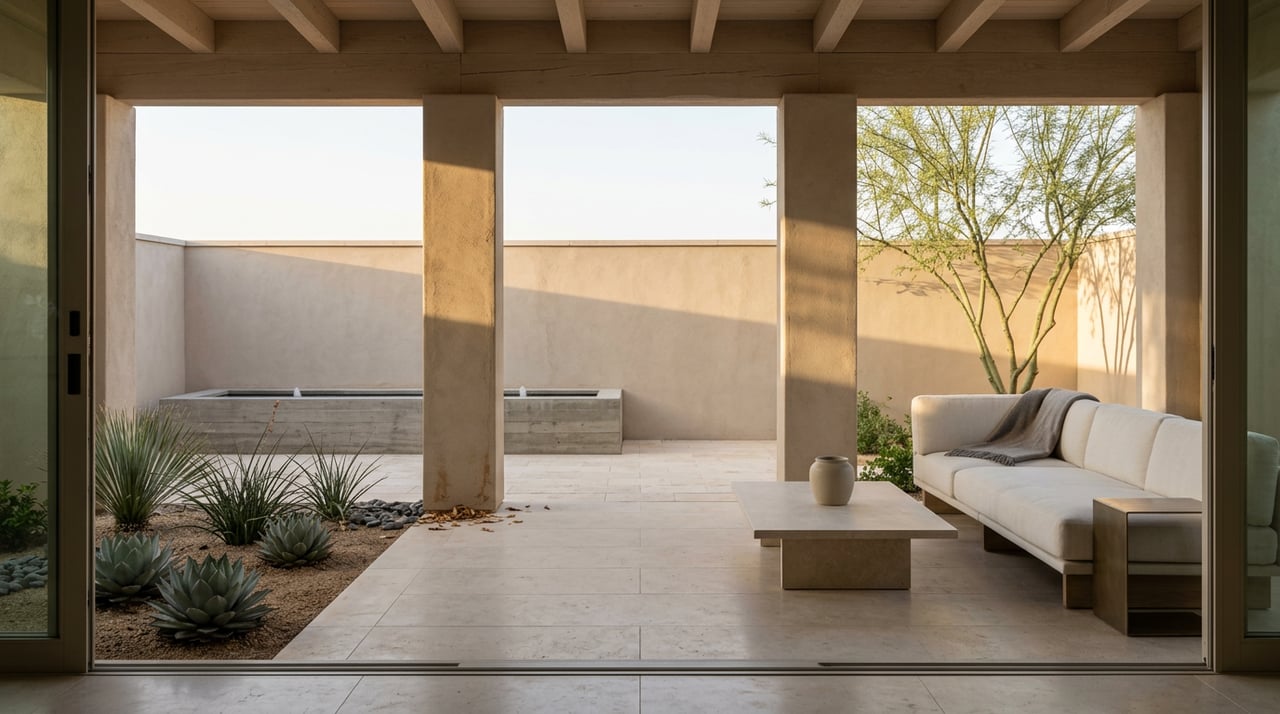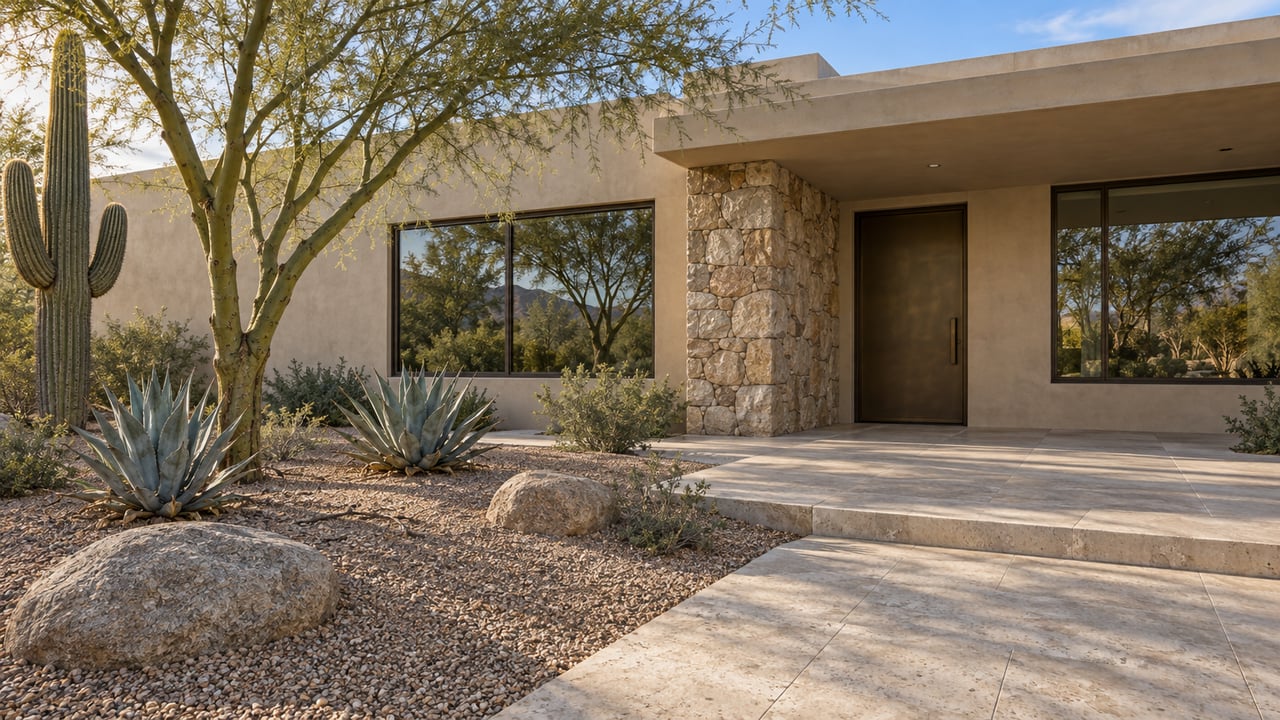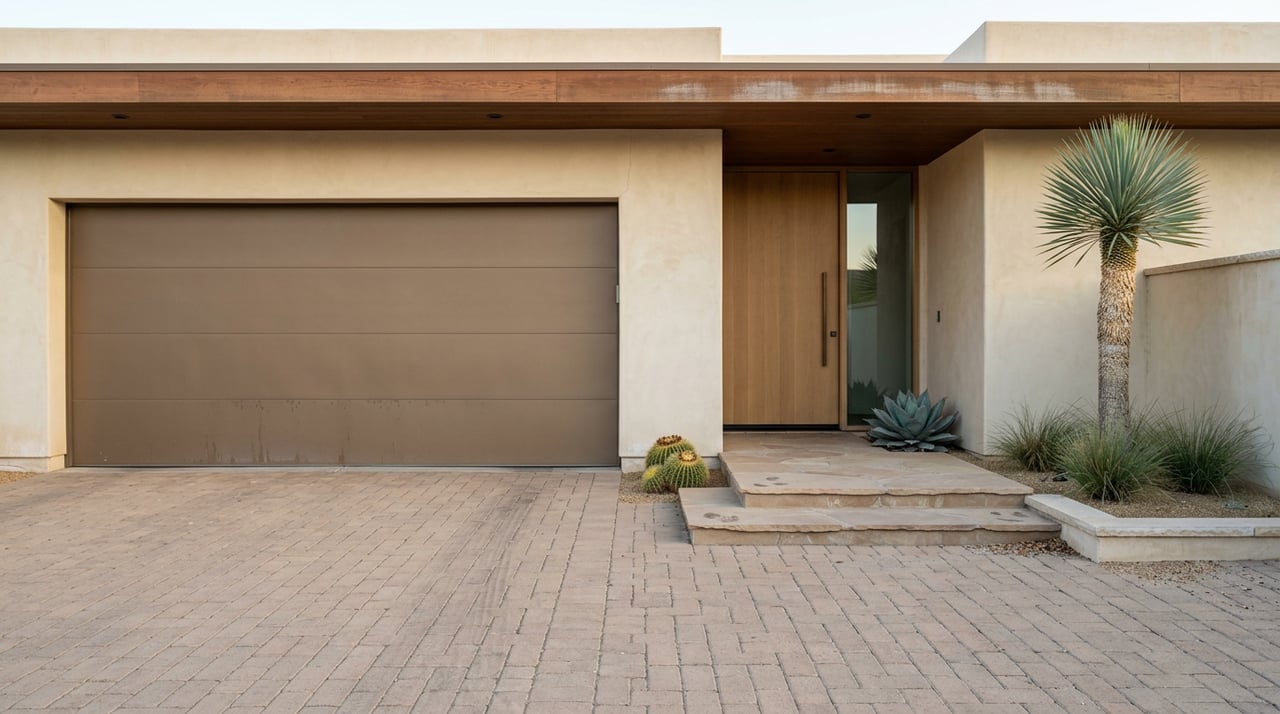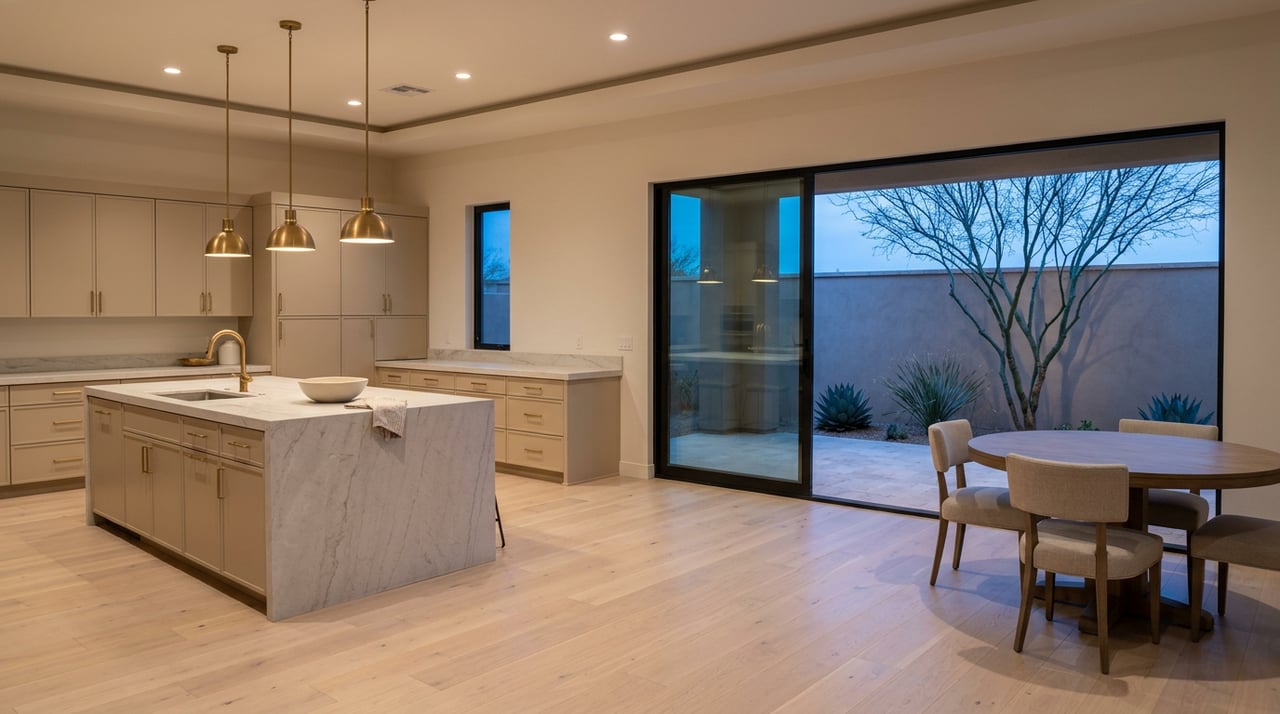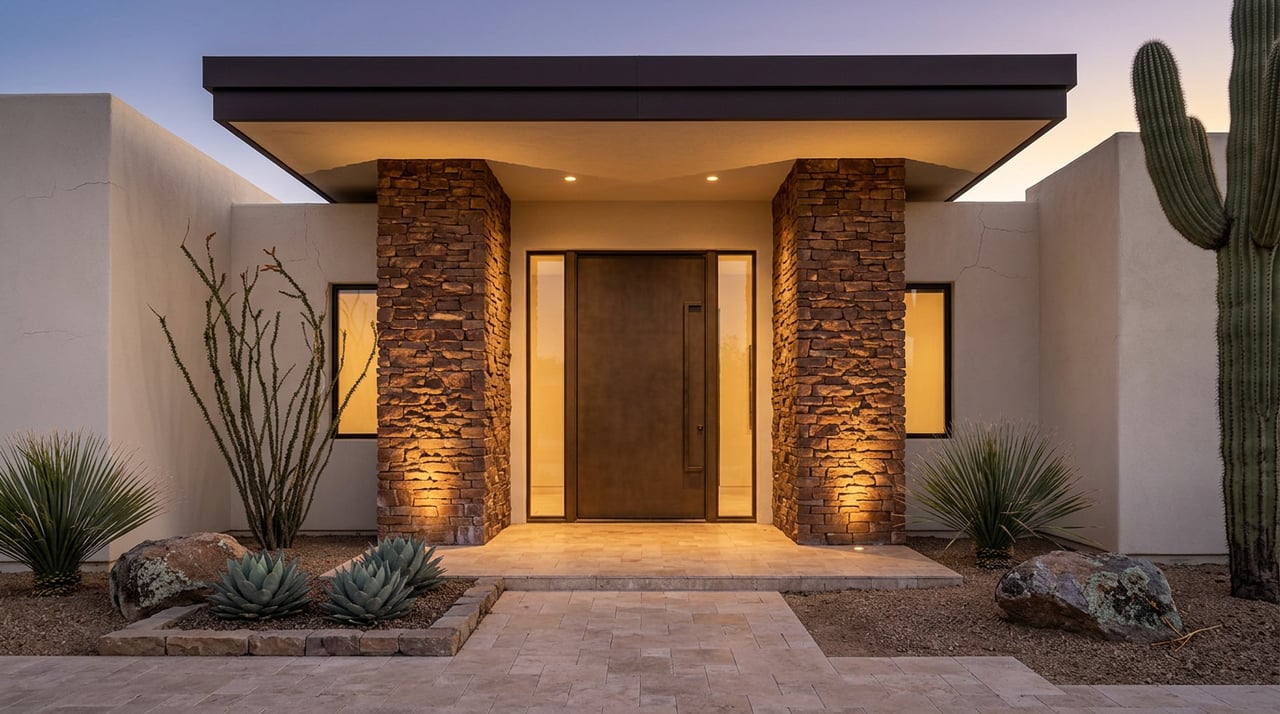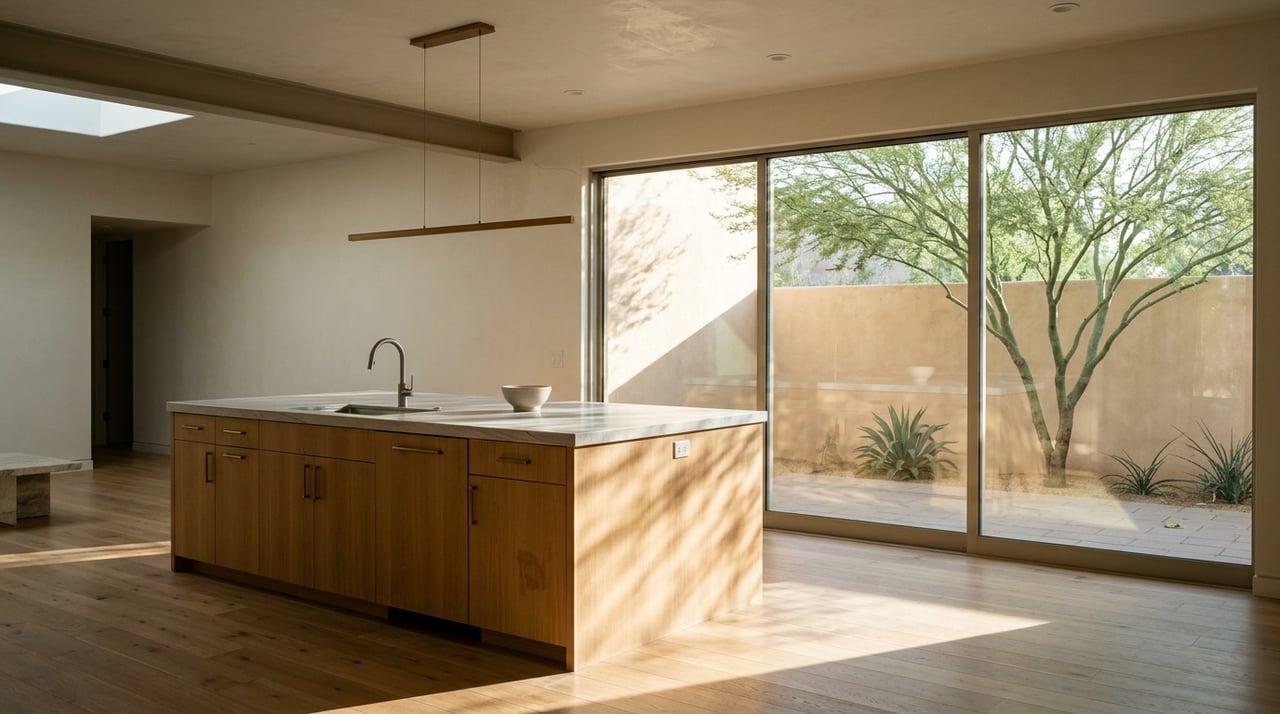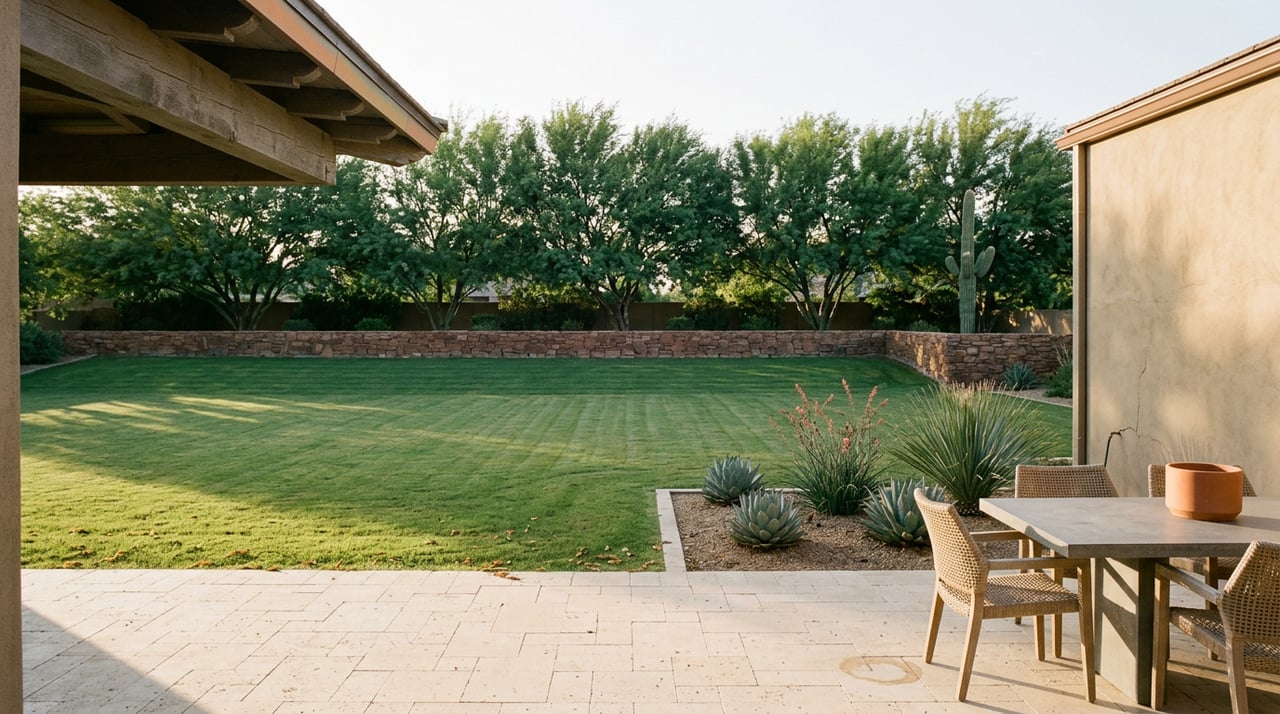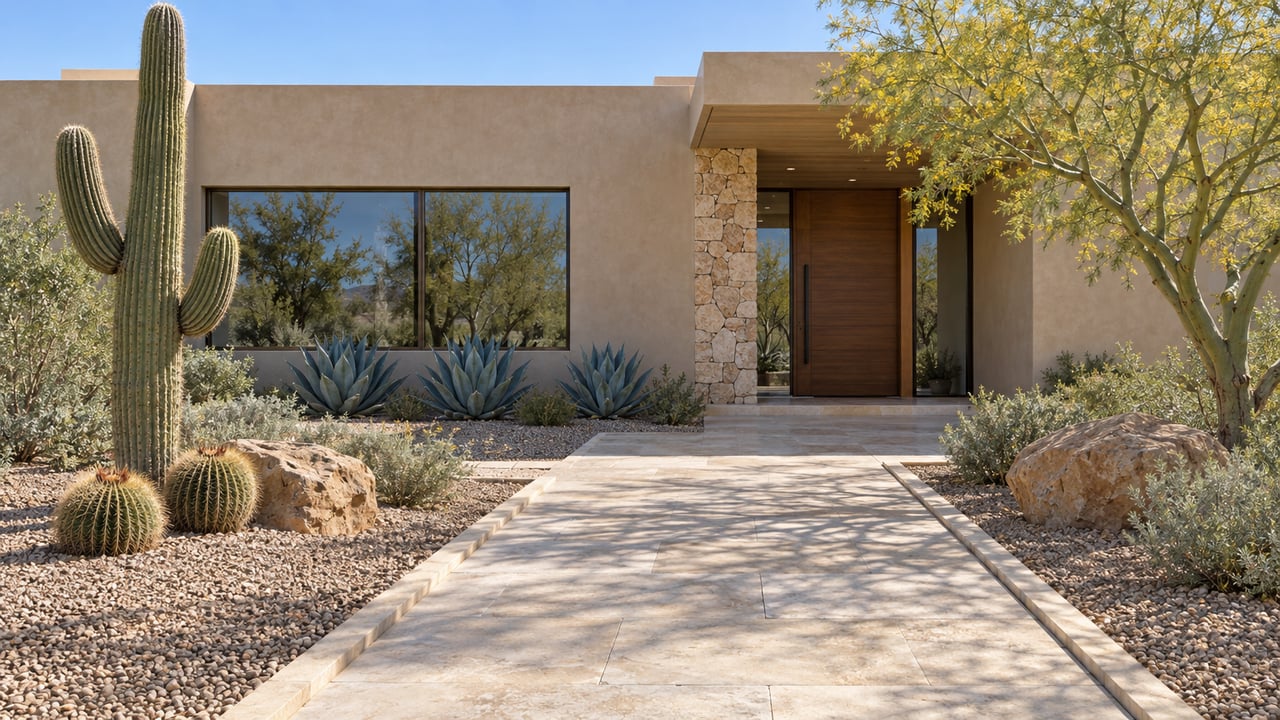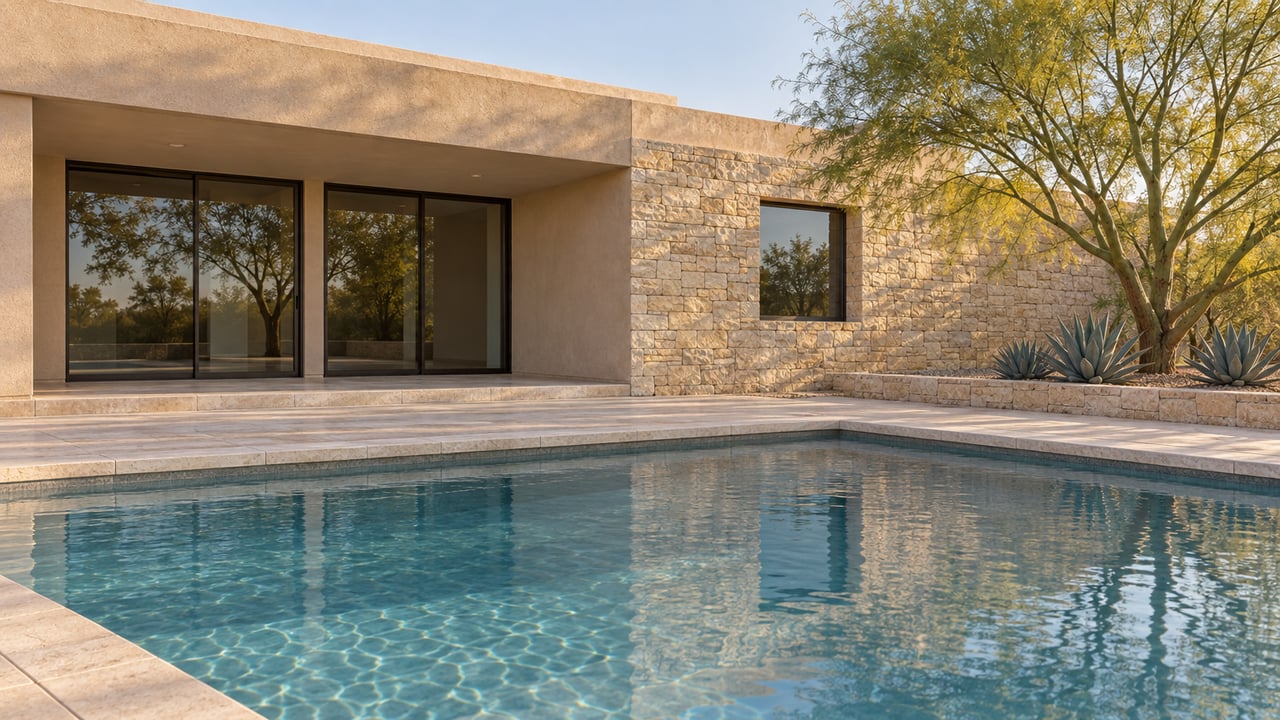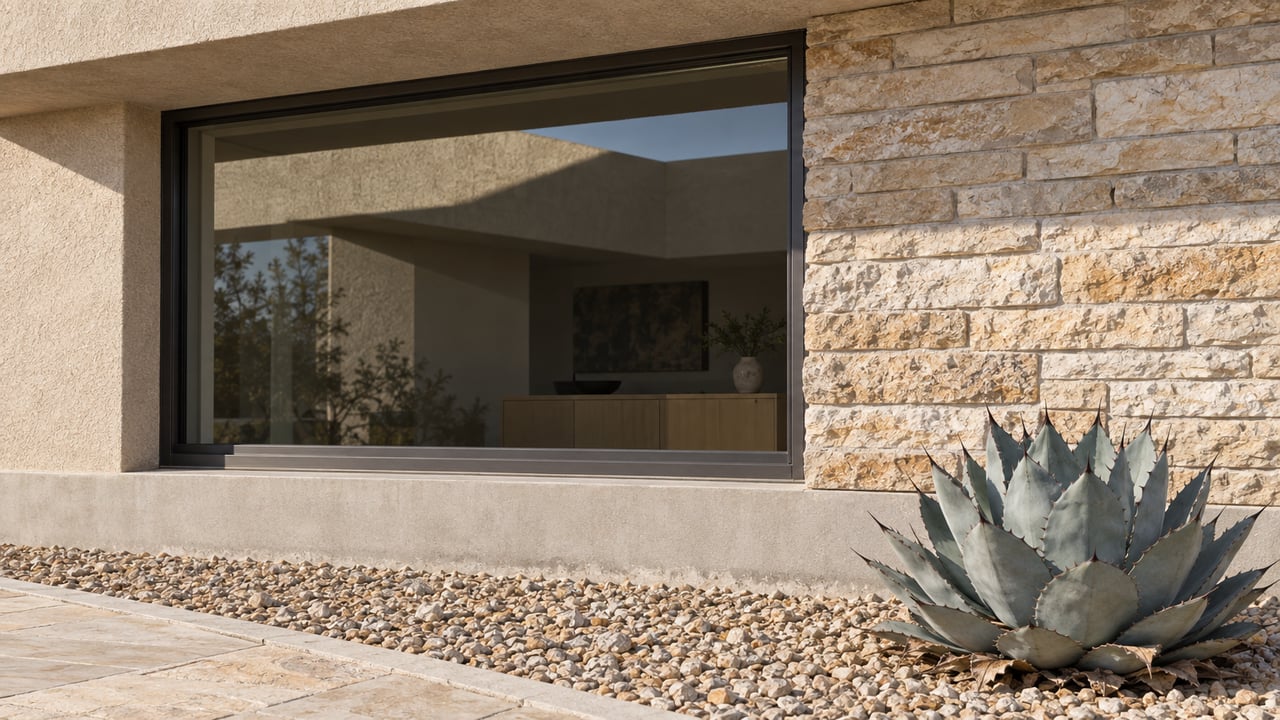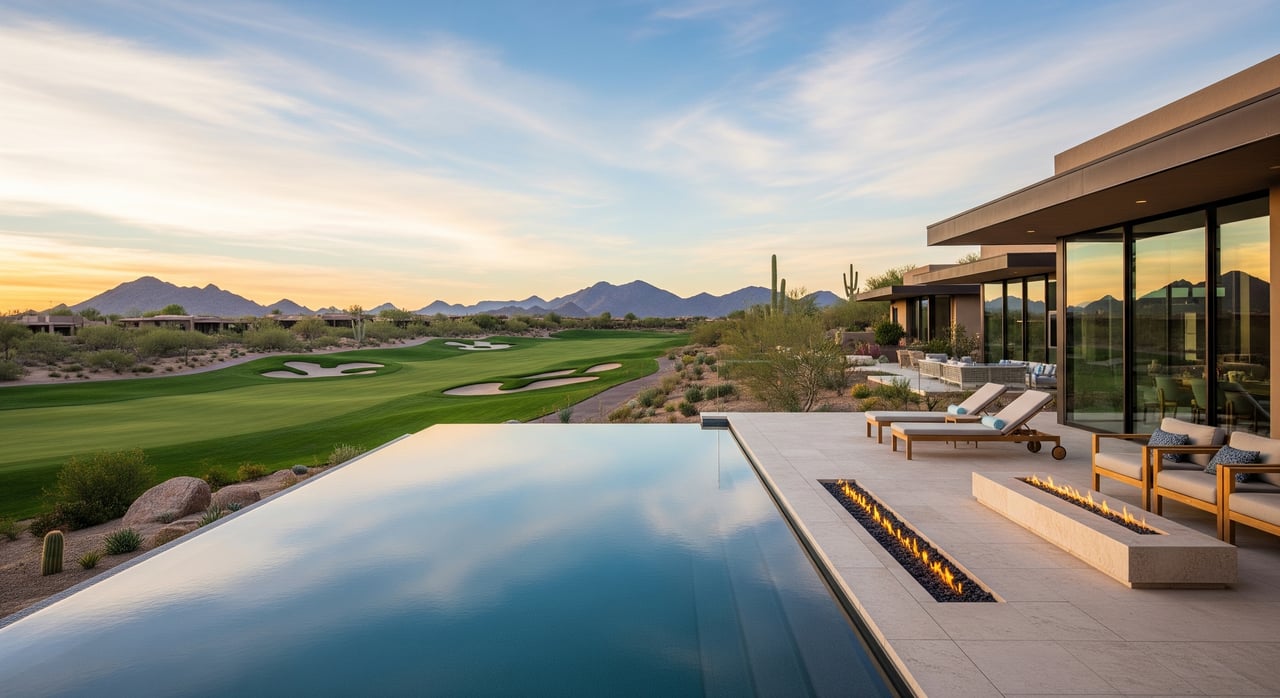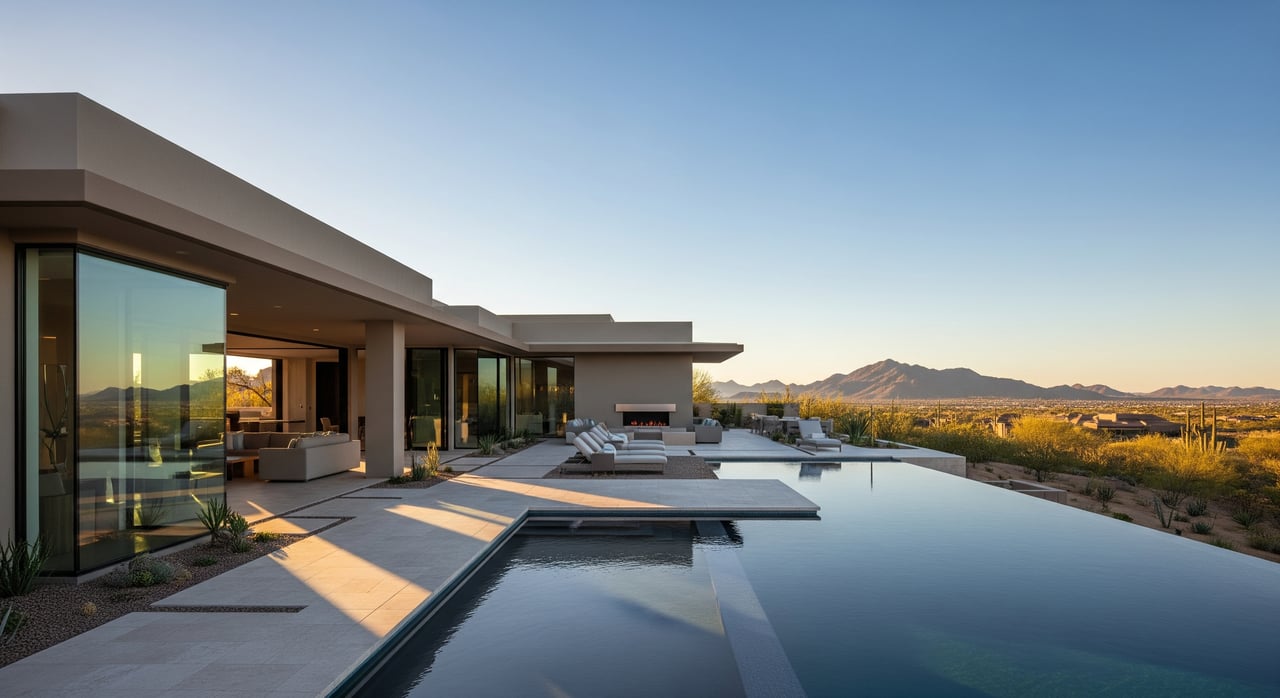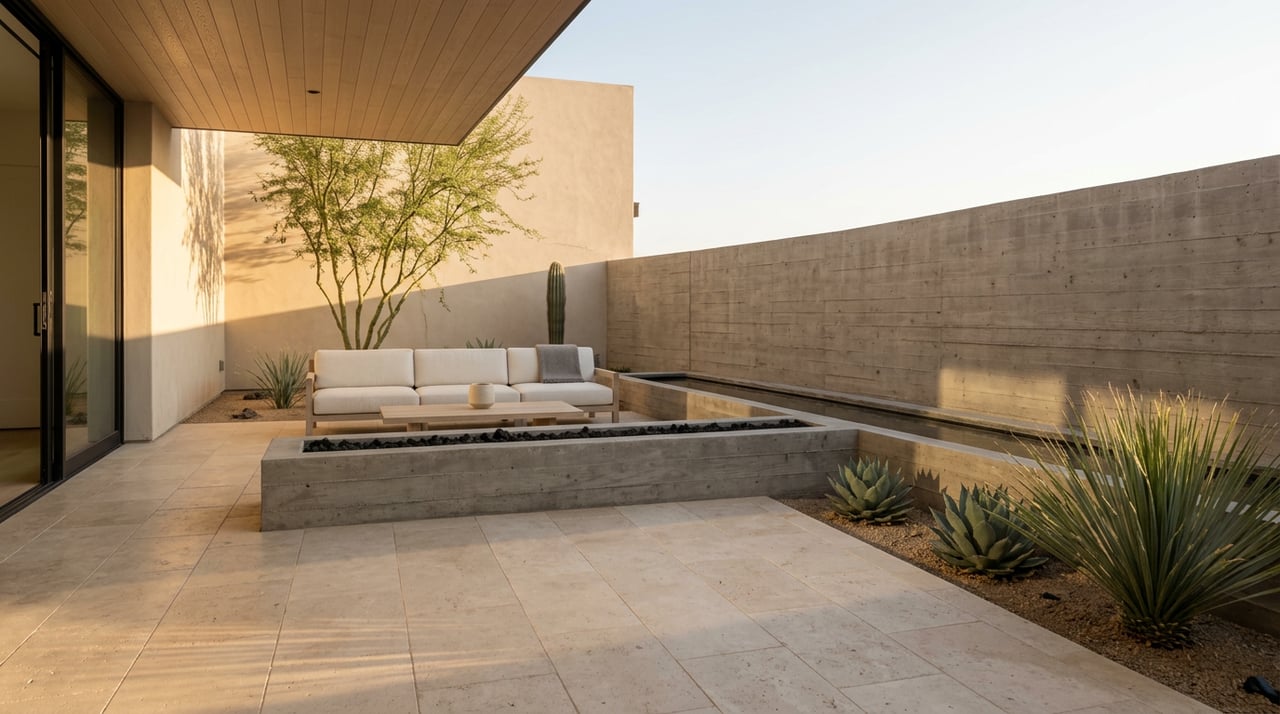
Should you custom build your Desert Mountain dream home or buy a resale and start enjoying the lifestyle right away? It is a big decision, especially if you are relocating or purchasing a second home. You want clarity on timelines, cost drivers, risk, and how much control you will have over design. This guide gives you a clear side‑by‑side look at both paths in Desert Mountain so you can move forward with confidence. Let’s dive in.
Custom build: who it suits
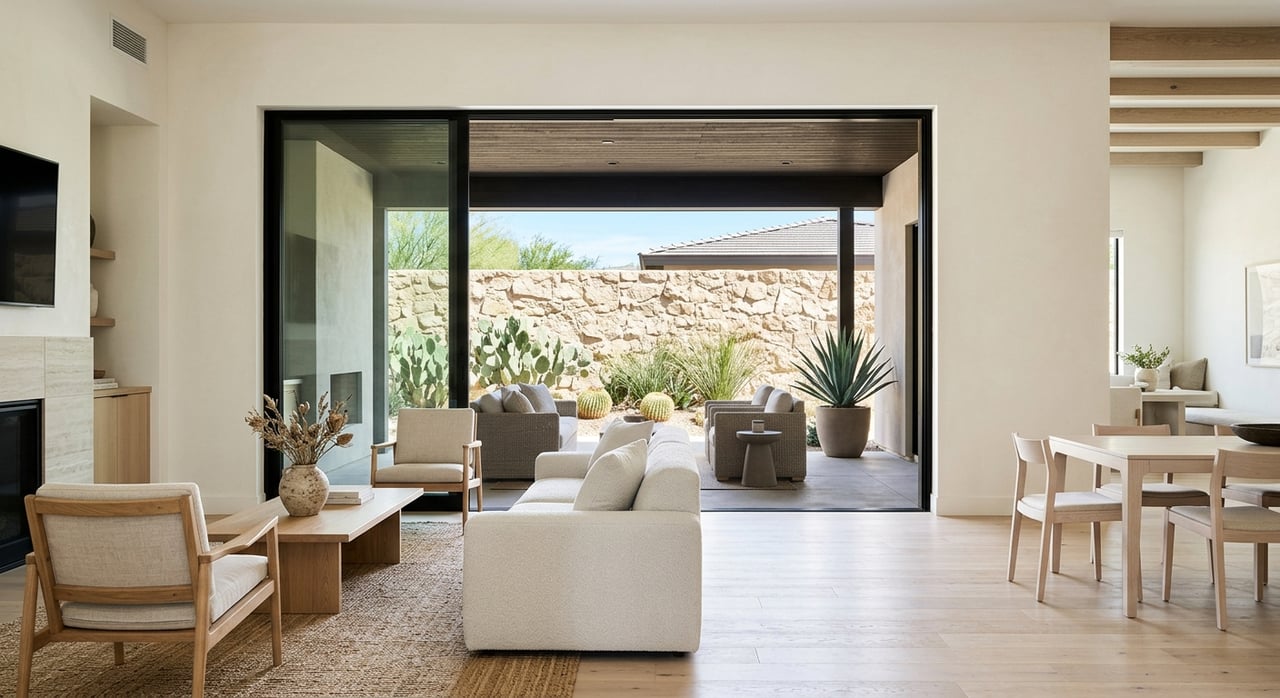
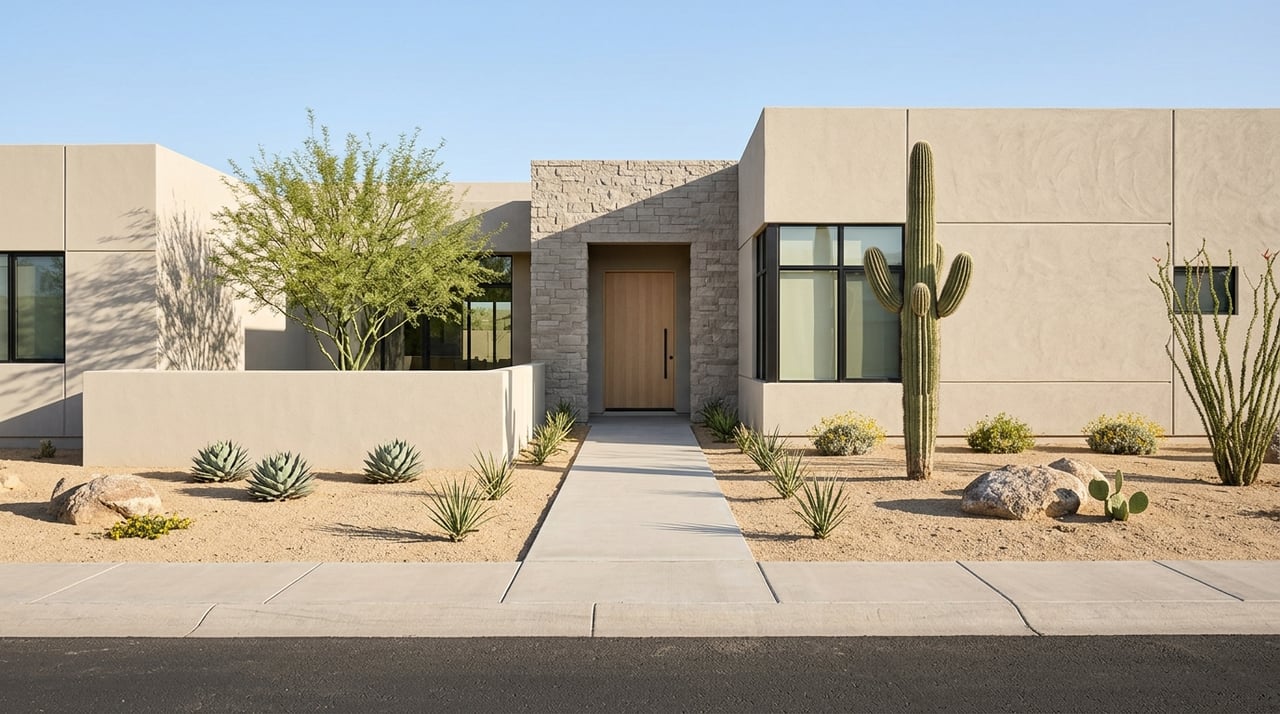
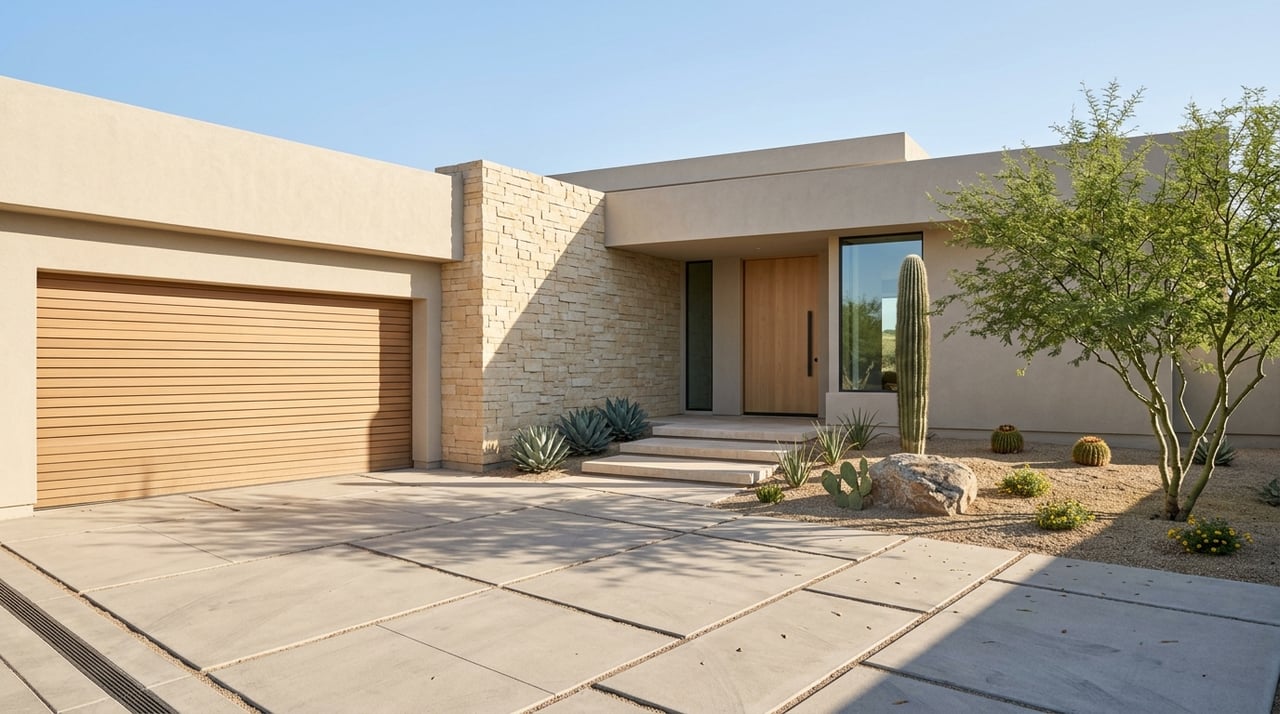
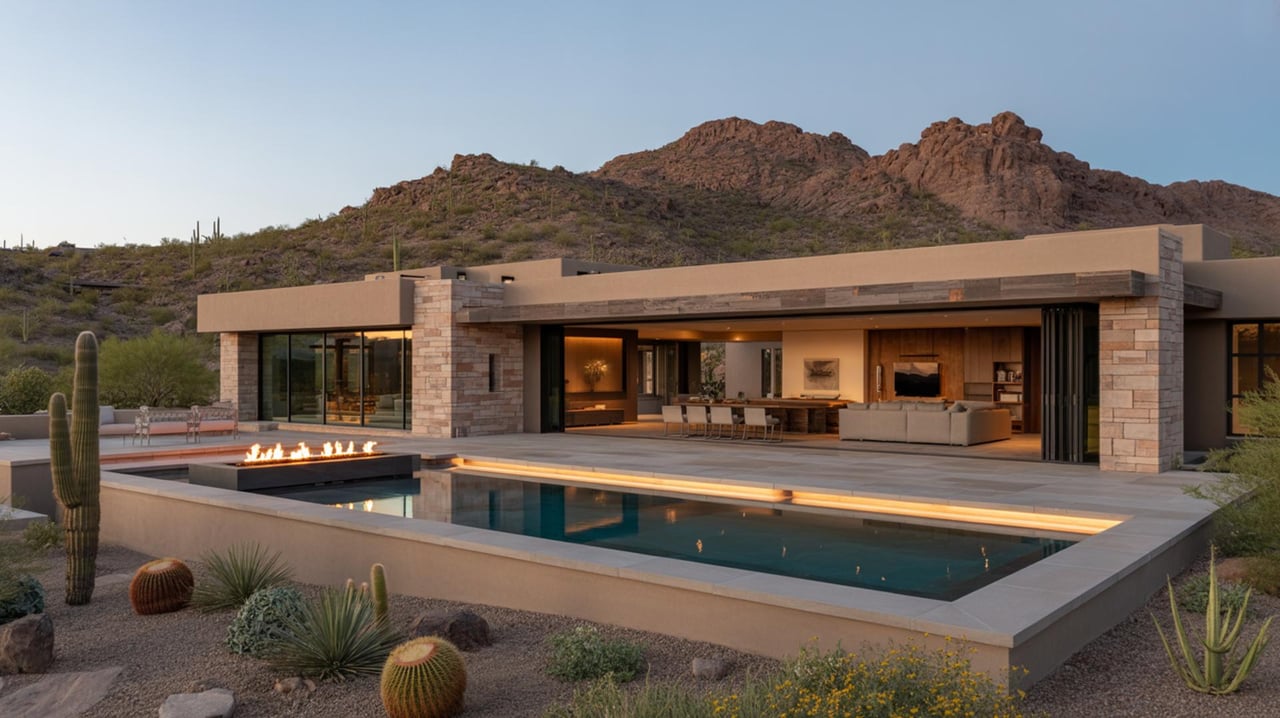
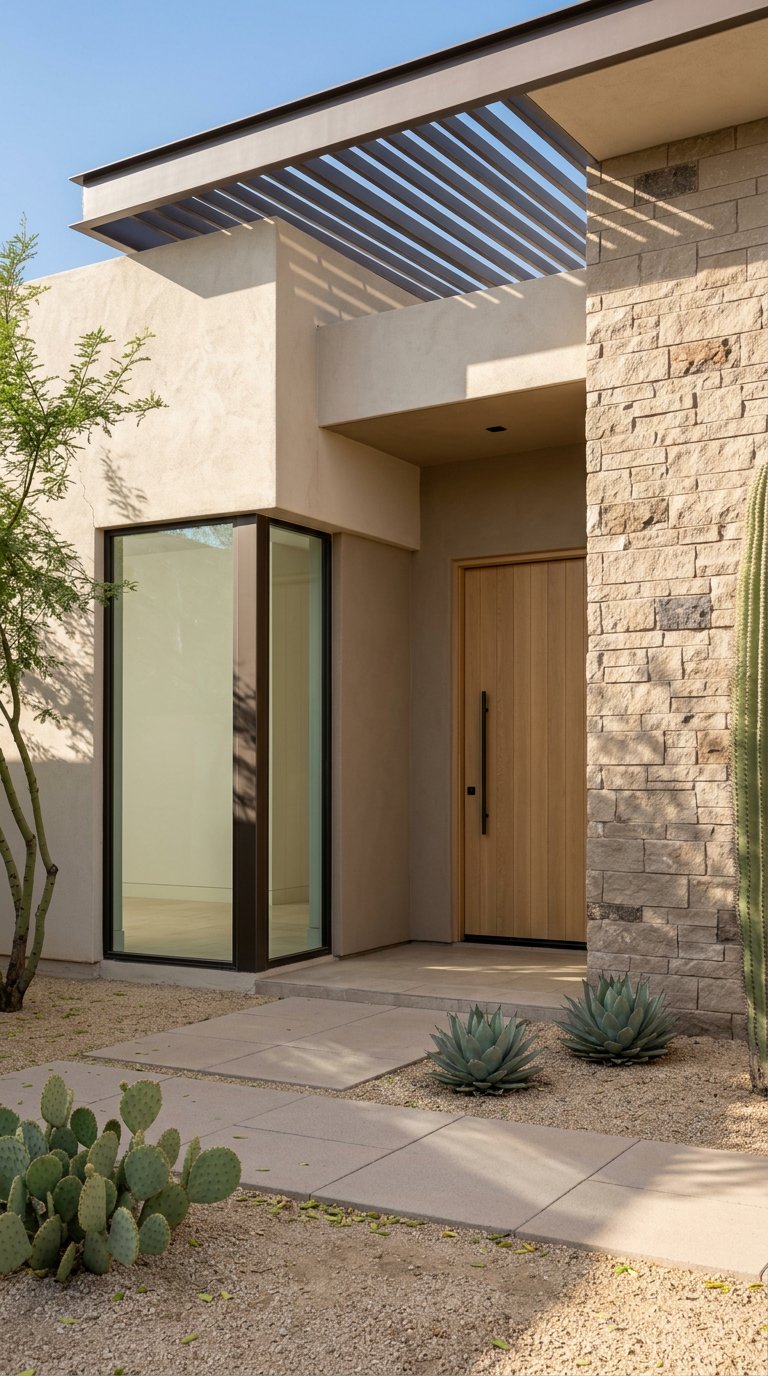
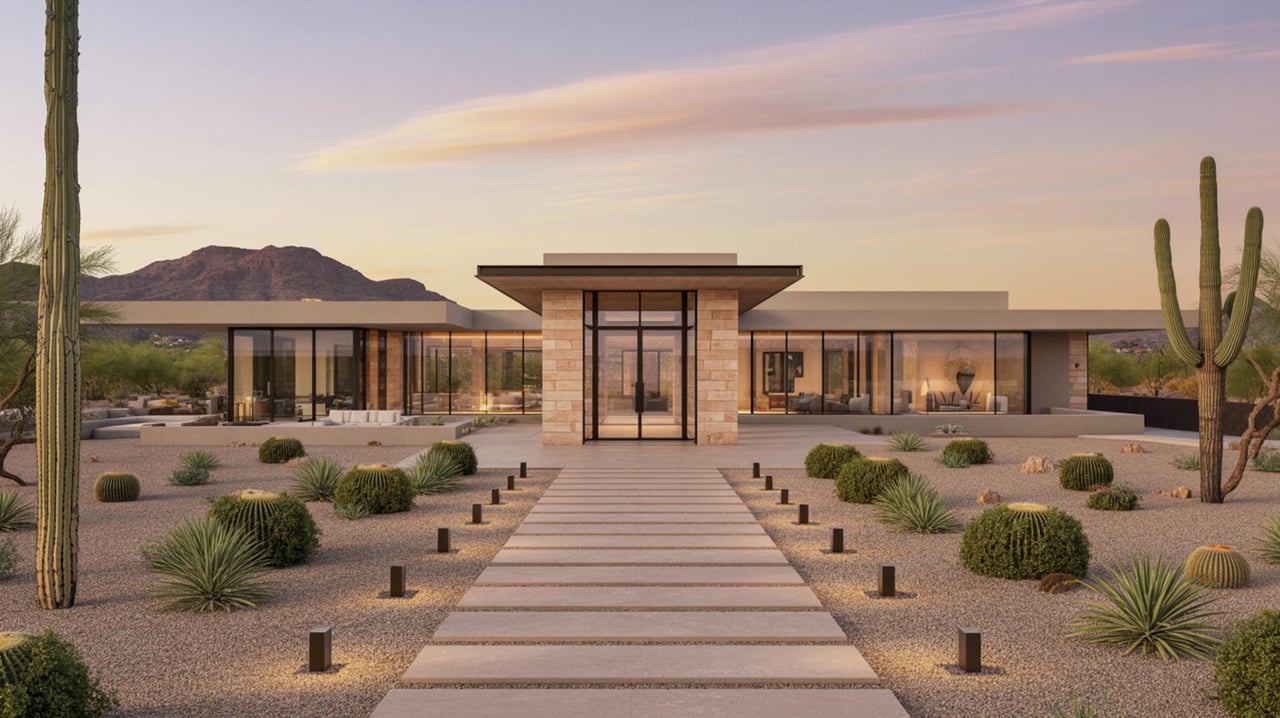
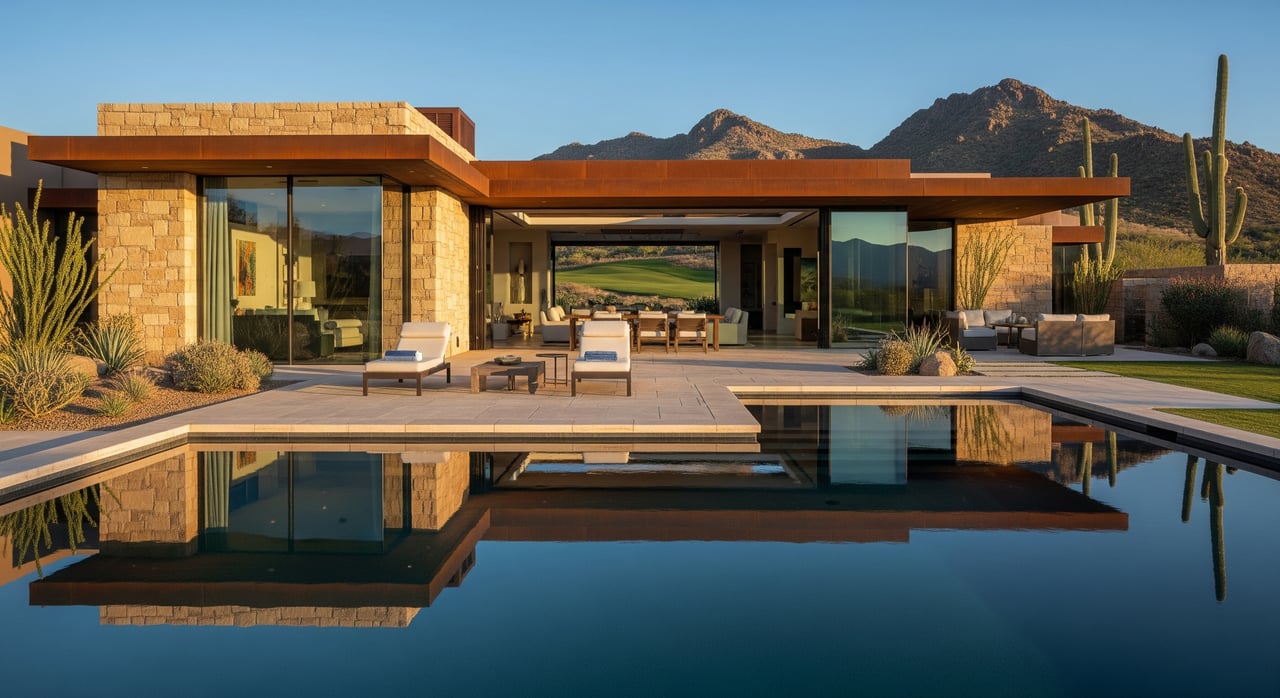
If you crave full personalization and want your home tailored to the Sonoran Desert, a custom build gives you the most control. You can fine‑tune orientation, floor plan, materials, energy systems, and outdoor living to match the climate and your lifestyle. You will work within Desert Mountain’s Design Review Committee standards, but you get to author the final vision.
This path suits you if you:
- Value site‑specific architecture and long‑term design control.
- Have flexibility on move‑in timing.
- Are comfortable managing a longer process with more decisions.
- Want the potential for higher satisfaction and future value from a top‑tier lot.
Resale: who it suits
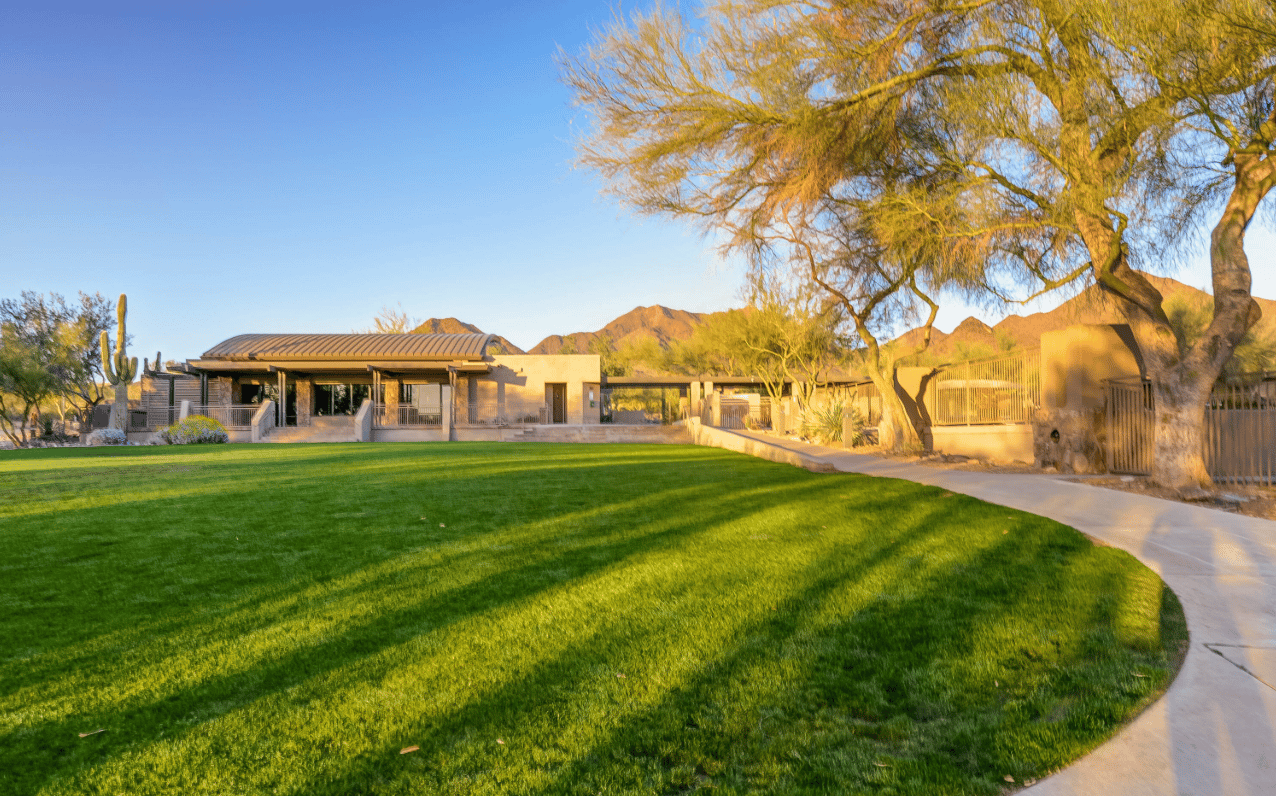
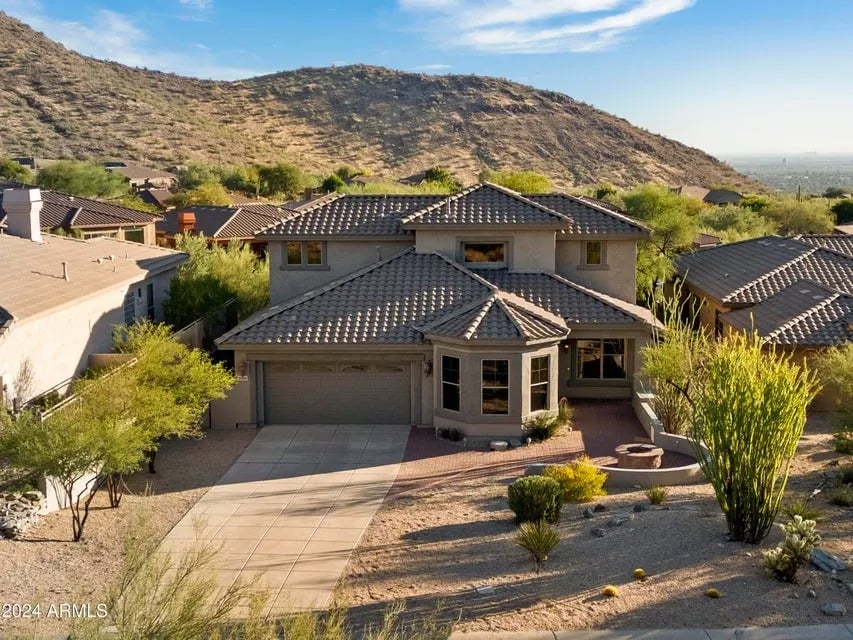
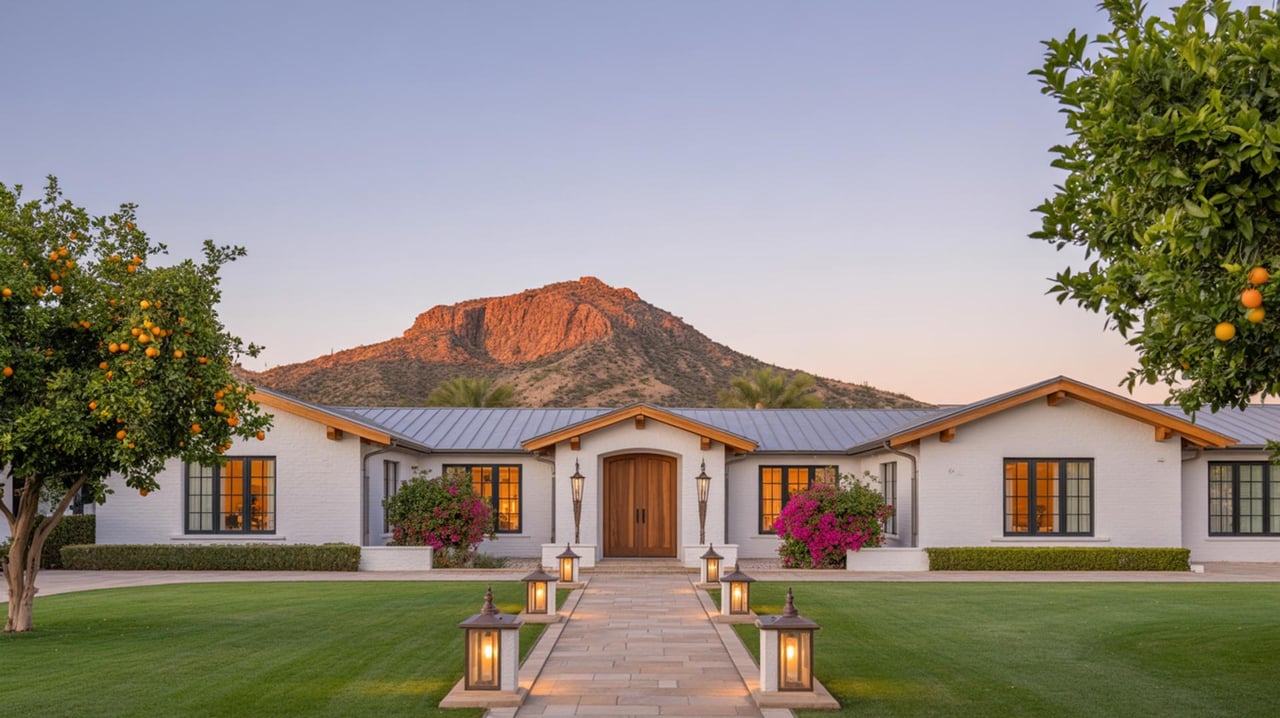
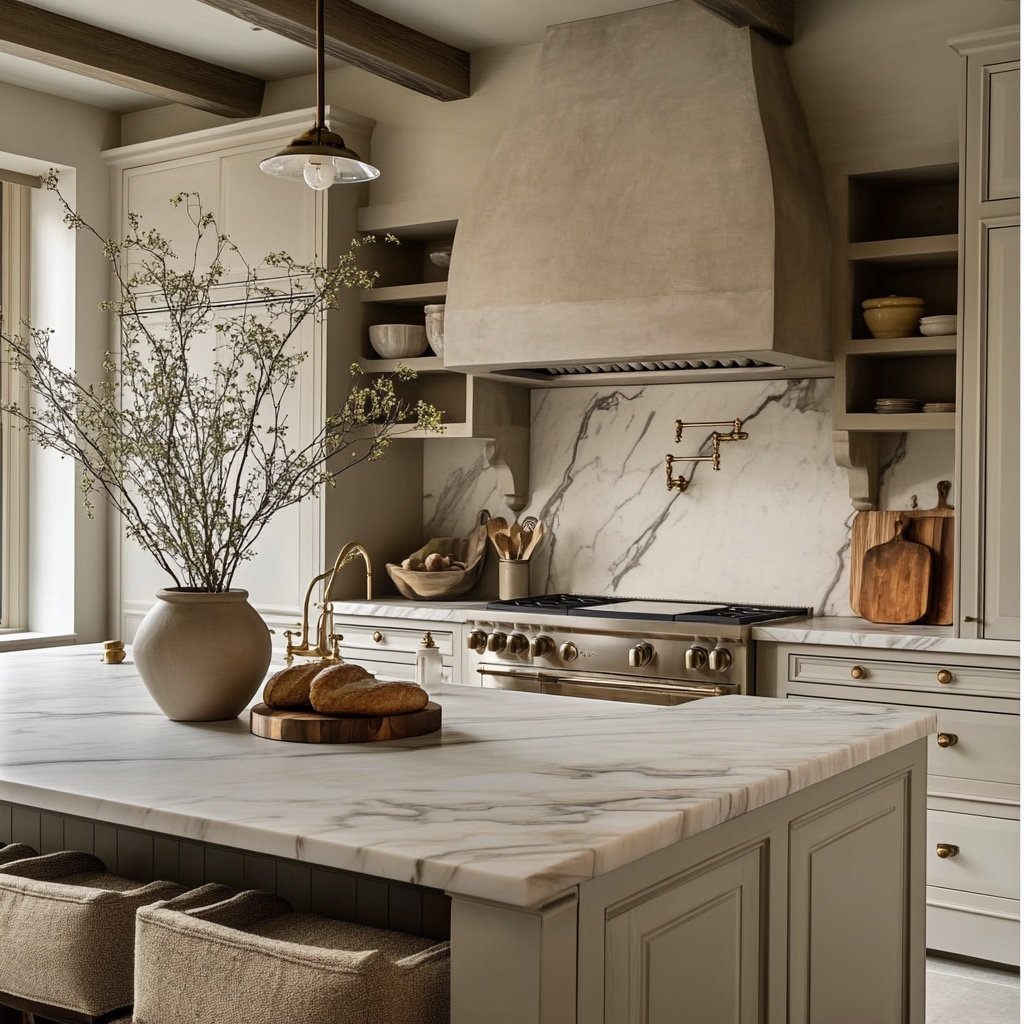
If you want the Desert Mountain lifestyle now, resale provides the fastest route. You can often close within weeks, then plan updates on your schedule. Renovation can achieve a personalized feel, but major changes may still require design review and permits.
This path suits you if you:
- Want immediate access to club living and a predictable move‑in date.
- Prefer a simpler process with fewer construction risks.
- Are open to targeted updates or a phased remodel.
- Want more budget certainty up front.
Timeline in Desert Mountain
- Resale purchase: Expect roughly 30 to 90 days from offer to move‑in, depending on financing, inspections, and HOA or club items. Add 1 to 6+ months if you plan meaningful updates.
- Custom build: Plan for 18 to 36 months from lot purchase to move‑in. The phases typically include lot acquisition and feasibility, design and construction documents, DRC and local permits, then 12 to 24+ months of construction for luxury homes.
Weather, supply chains, and contractor schedules can stretch timelines. If you are a second‑home owner with a limited occupancy window, factor that into your decision.
Cost drivers to expect
Custom build costs
Your total spend depends on lot quality, site work, and finish level. In Desert Mountain, cost drivers include:
- Lot acquisition: Premium golf frontage, views, or privacy command higher prices.
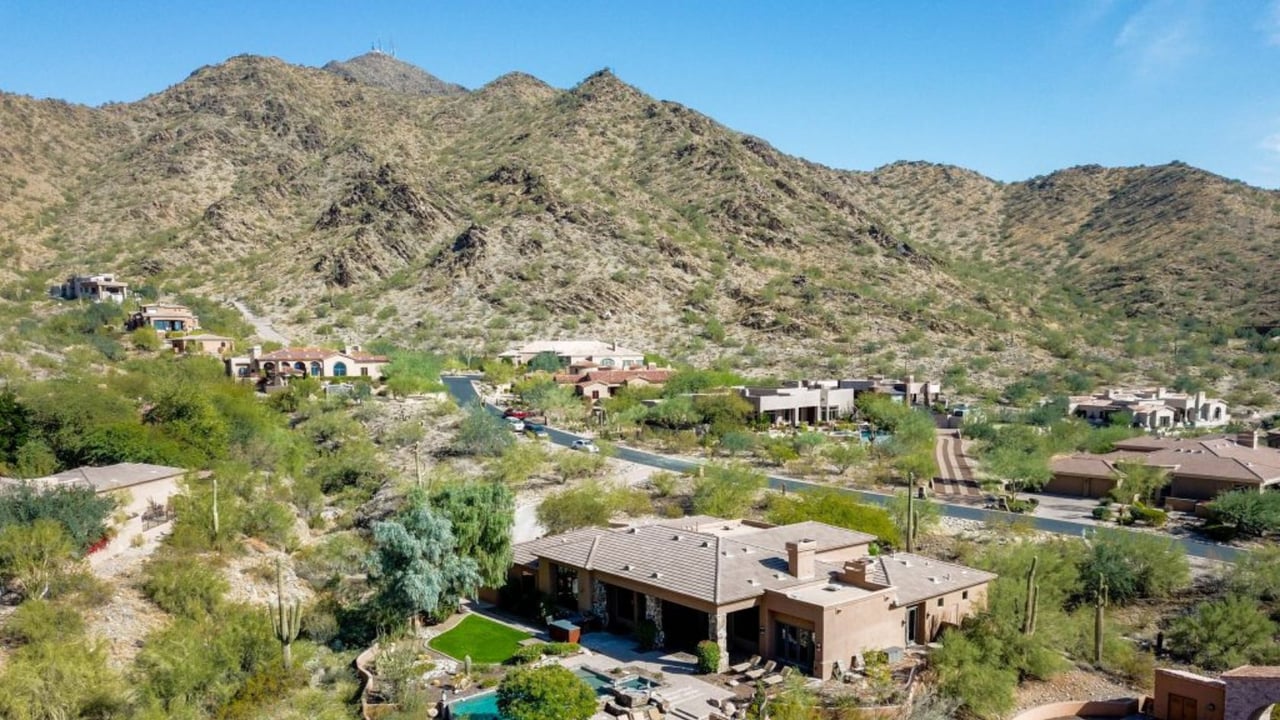
- Site work: Grading, retaining walls, driveways, and rock or soil remediation can be significant, especially on sloped or rocky sites.
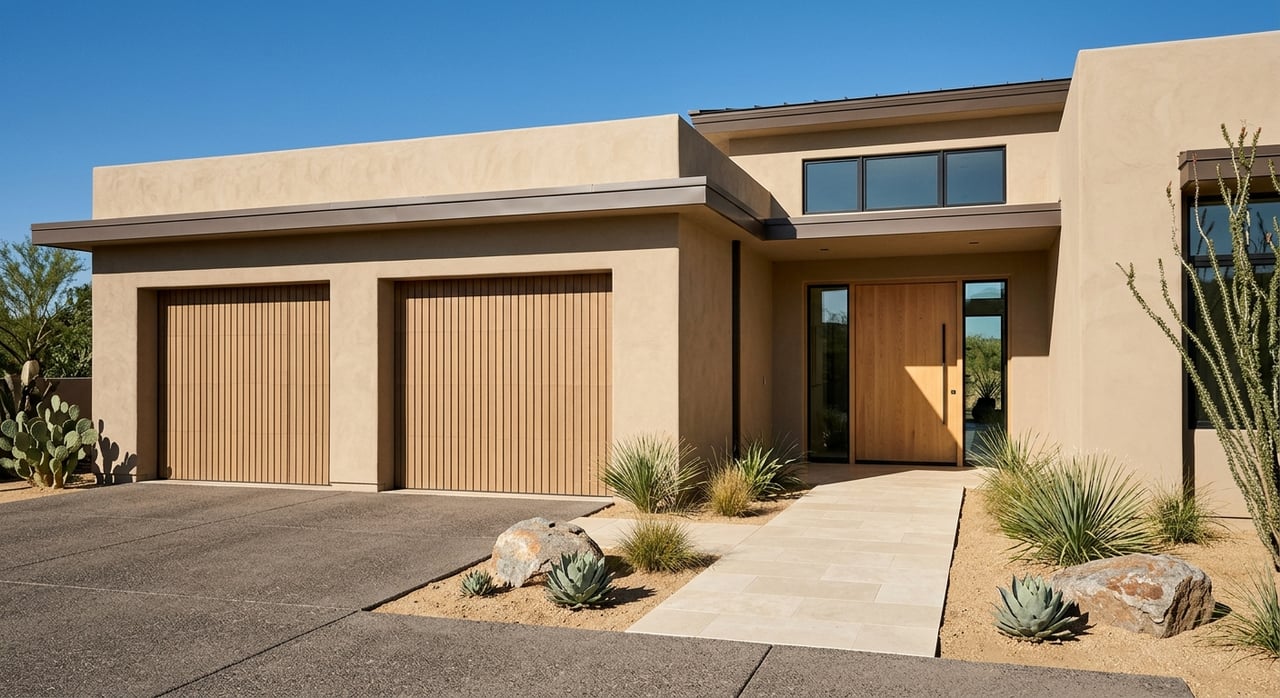
- Structure and shell: Foundations, roofing, and high‑performance windows and doors designed for desert heat.
- Systems and finishes: Mechanical, electrical, and plumbing; smart home, integrated AV and security; luxury fixtures and millwork.
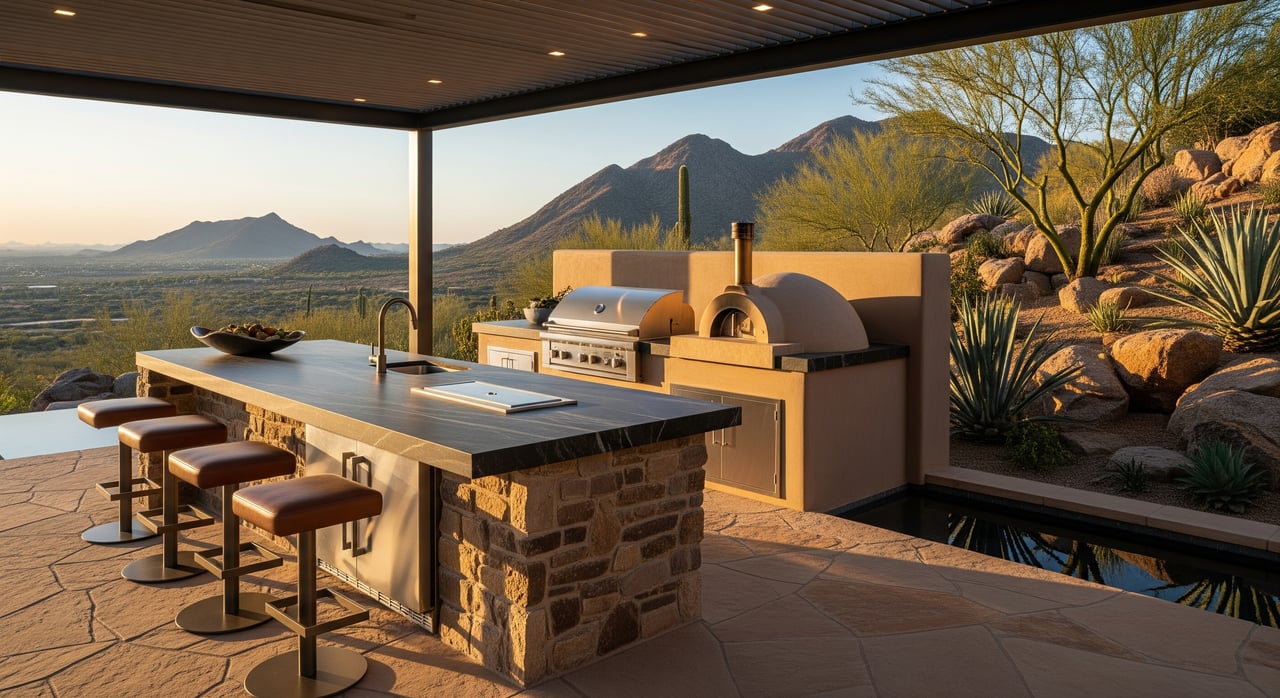
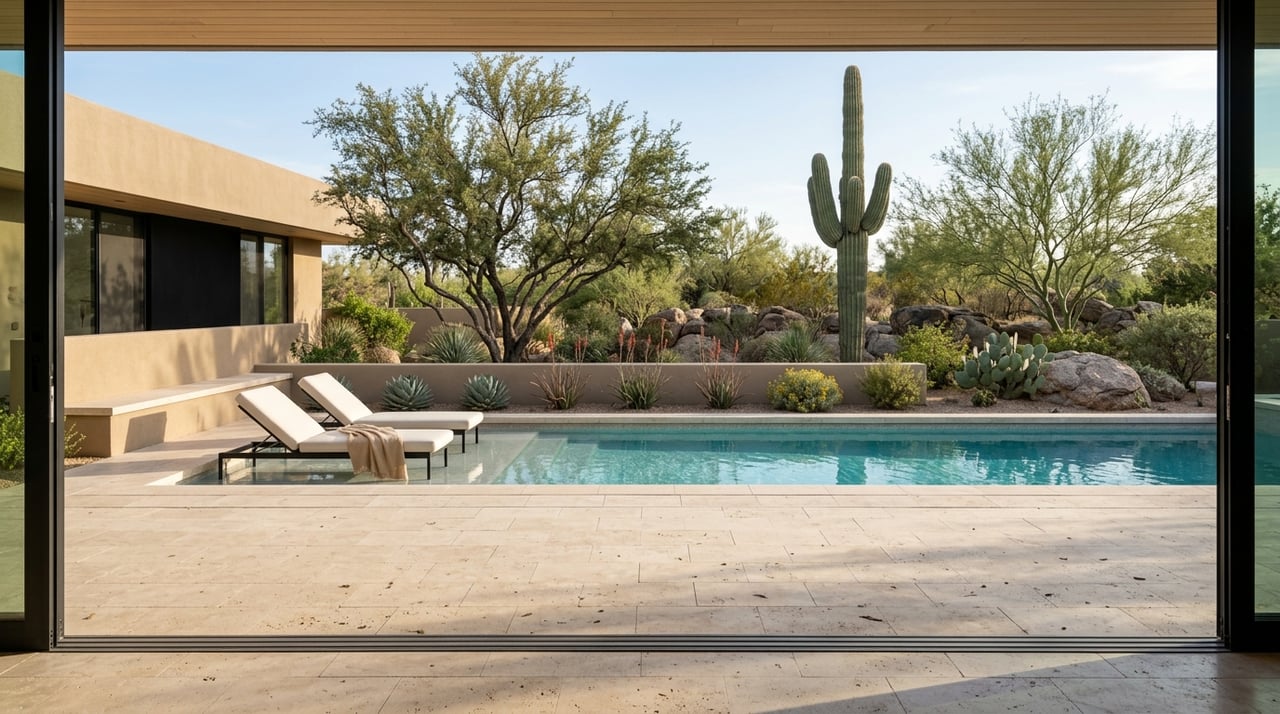
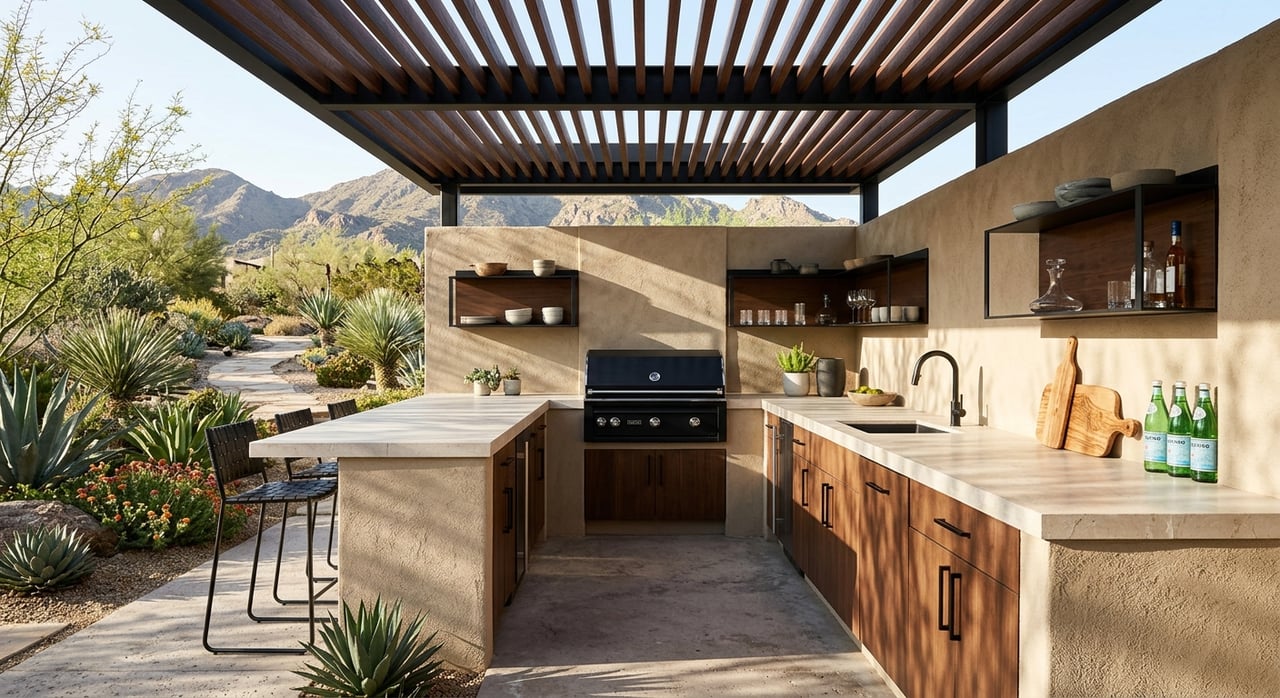
- Outdoor living: Pool or spa, patios, outdoor kitchens, lighting, and drought‑tolerant landscaping.
- Soft costs: Architecture, engineering, landscape architecture, permits, utility and impact fees, surveys, geotechnical reports.
- Contingency: Carry a 10 to 20 percent contingency for unforeseen conditions or changes.
Luxury custom work in the region can range from the mid‑to‑high hundreds to the low thousands per square foot depending on complexity and finishes. Lot premiums can add materially to the final total, especially on golf or panoramic view sites.
Resale costs
- Purchase price: Often more predictable than a ground‑up build.
- Immediate capital: Budget for updates, systems modernization, or cosmetic changes. Items like roofs, HVAC, and pools may need attention.
- Ongoing costs: HOA fees, club initiation or transfer fees, property taxes, insurance, utilities, and landscape or pool maintenance. If you are a second‑home owner, consider property management.
Design control and approvals
- Custom build: Highest control over orientation, floor plan, materials, sustainability features, and site integration. Expect iteration with Desert Mountain’s Design Review Committee and compliance with community design guidelines. Local permitting through Maricopa County or the applicable municipality will also apply.
- Resale: You can move in quickly and plan renovations on your terms. Changes to exteriors or significant interior modifications may trigger DRC review and local permits.
Club membership is separate from real estate ownership. Membership transfer policies, initiation dues, guest access, and waitlists can affect how you use the property, especially as a second‑home owner.
Risks and mitigations
Custom build risks
- Budget: Allowance shortfalls, change orders, and unknown site conditions can push costs. Use detailed allowances and keep a robust contingency.
- Schedule: Permit or DRC delays, contractor availability, long‑lead materials, and weather can extend the build. Tie payments to milestones and track selections early.
- Builder solvency and performance: Vet licenses, insurance, references, and financial stability. Consider performance bonds on larger projects.
- Approvals: DRC and county reviews can require redesigns. Engage early for pre‑application feedback.
- Market: Economic shifts during a long build cycle can affect value. Exceptional lots and quality design can help mitigate.
Mitigation tools include fixed‑price or GMP contracts where appropriate, staged payments, third‑party inspections at key milestones, and independent cost checks.
Resale risks
- Latent defects and deferred maintenance: HVAC, roofing, pool equipment, structural, or drainage issues may surface. Order specialty inspections.
- Upgrade costs: Energy efficiency or lifestyle updates can add up. Negotiate credits or repairs when possible.
- Title or entitlement issues: Review easements, boundaries, and prior permits. Verify HOA or club status via estoppel letters.
- Market timing: Buying in a fast market can limit near‑term upside. Focus on lot quality, privacy, and condition.
Due diligence checklists
Vet a homesite (lot)
- Documents: Recorded plat and legal description, current survey, CC&Rs, Desert Mountain design guidelines, DRC submission checklist, HOA or club dues and budgets, and recent HOA or DRC meeting minutes.
- Site and constraints: Topographic survey, solar orientation, setbacks, easements, view corridors, roofline limits, and no‑build zones. Order a geotechnical and soils report and a drainage study, including monsoon runoff paths.
- Utilities and access: Confirm water source, sewer or septic status, electrical capacity and transformer locations, broadband availability, and any required offsite improvements or utility extensions.
- Entitlements: Seek a DRC pre‑application response on a concept plan. Verify jurisdiction for permits and timelines.
- Financial: Lot taxes, assessments, and carry costs if the lot remains vacant.
Red flags include missing geotechnical data, steep topography with high rock removal estimates, easements that shrink the build envelope or view, water or sewer constraints, and pending litigation or special assessments.
Vet a builder
- Credentials: Verify Arizona Registrar of Contractors license status, general liability and workers’ compensation insurance, and business registration.
- Track record: Ask for recent comparable projects in Desert Mountain or similar luxury communities. Speak with homeowners and subcontractors.
- Financial stability: Bank references, lien and payment practices, and access to lines of credit. Consider payment and lien bonds for larger scopes.
- Contracts: Scope clarity, allowances, change‑order terms, schedule with milestones, lien waivers, and warranty terms. Set a clear protocol for selections and approvals if you are remote.
- Quality and oversight: Allow third‑party inspections at foundation, framing, and systems stages. Confirm supplier relationships and lead times for custom materials.
Vet a resale listing
- Records: Seller’s property disclosure, repair and permit history, HOA or club estoppel letter, recent surveys, title report, prior inspections if available.
- Inspections: General home, roof, pool or spa, termite or pest, HVAC and mechanical, electrical panel and wiring, and a lot drainage review.
- Financial and title: Property tax history, special assessments, and title exceptions or easements.
- Lifestyle checks: Club membership transferability, initiation dues, waitlists, guest policies, rental rules, access and security for absentee owners, and recommended property management options.
Financing and insurance basics
- Resale financing: Conventional mortgage options are common. Appraisal and escrow workflows are straightforward compared to construction lending.
- Custom construction financing: Expect construction‑to‑permanent or stand‑alone construction loans, typically with interest‑only draws and larger down payments. Lenders will require detailed budgets, schedules, and plans, and appraisals may be based on the completed home.
- Insurance: During construction, builder’s risk coverage applies. After completion, confirm property coverage for wind or hail, wildfire, and flooding exposures typical to desert areas. Premiums and deductibles at luxury levels can be meaningful.
- Taxes and deductions: Arizona property taxes are moderate in relative terms, but actual taxes depend on assessed value and comps. Consult a tax professional, especially for second‑home or rental use.
- Operating costs: HOA and club dues, utilities, landscape and pool care, security, and property management if you will be out of state. Plan for seasonal HVAC spikes and remote monitoring if needed.
How to decide with confidence
Use this simple framework to choose your path:
- If you want speed, simplicity, and immediate lifestyle access, lean resale. Focus on lot quality, condition, and the cost of targeted updates.
- If you want full control and a site‑driven design, lean custom. Budget for the full timeline, include a 10 to 20 percent contingency, and anchor your plan with strong builder vetting.
- In both cases, start with documents and due diligence. Pull CC&Rs and design guidelines early, confirm jurisdiction and permits, and verify HOA or club details that affect daily use.
When you are ready, align with a local advisor who knows Desert Mountain’s lots, builders, resale inventory, and DRC process. A strong team helps you anticipate challenges and protect your time.
Ready to explore Desert Mountain with a plan tailored to you? Connect with the Mattisinko Group for boutique, concierge guidance on both custom builds and premium resales across North Scottsdale. With $500M+ in sales and deep gated‑community expertise, you get hands‑on representation from a team that treats your goals like their own.
FAQs
How long does a custom build take in Desert Mountain?
- Plan for 18 to 36 months from lot purchase to move‑in, including design, DRC and local permitting, and 12 to 24+ months of construction for luxury homes.
What contingency should I carry for a custom build?
- Maintain a 10 to 20 percent contingency on construction hard costs, and budget separately for furnishings, landscaping, and club initiation or transfer fees.
What are the biggest unknown costs on desert lots?
- Site work can be the swing factor, especially rock removal, retaining walls, grading, and utility extensions; order geotechnical and topographic studies early.
How fast can I close on a resale in Desert Mountain?
- Many buyers move from offer to closing in 30 to 90 days, with additional time if you plan renovations or specialty inspections.
Do I need DRC approval for renovations on a resale home?
- Significant exterior changes and some interior modifications can trigger DRC review along with local permits; review CC&Rs and design guidelines before committing to plans.
How do club memberships affect my decision?
- Club membership is separate from property ownership; transfer policies, initiation dues, waitlists, and guest rules can affect use, especially for second‑home owners, so verify details during due diligence.