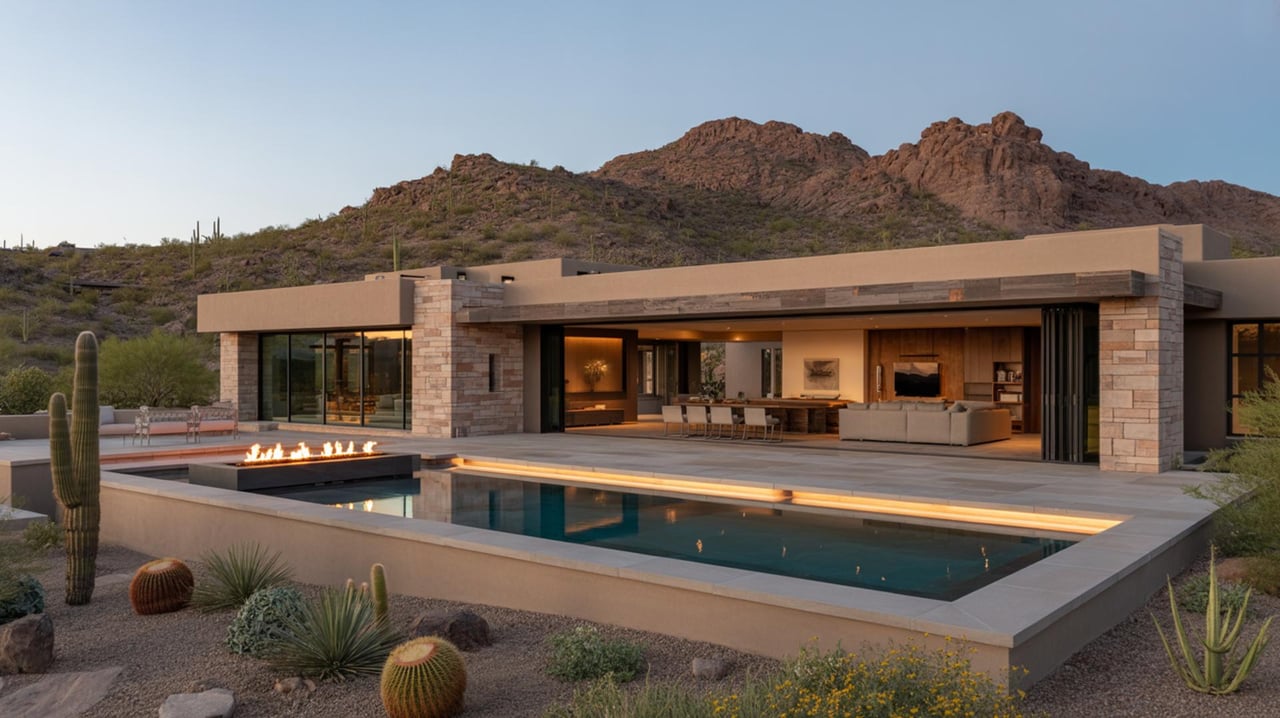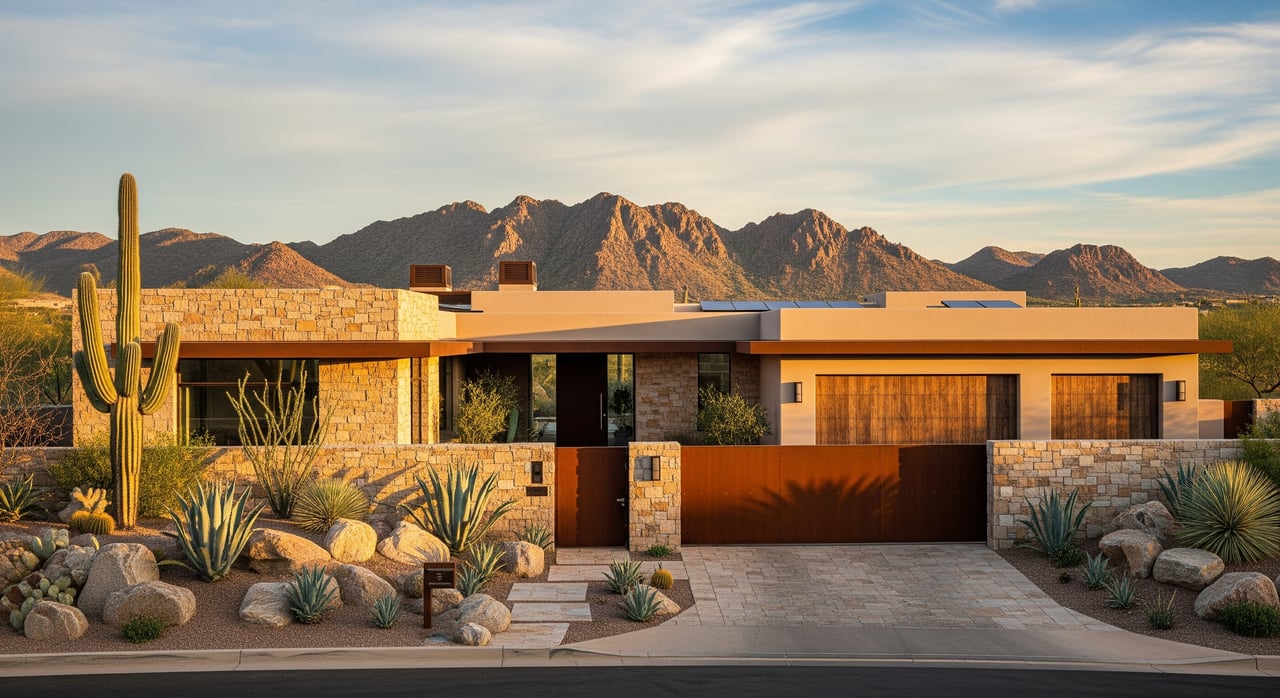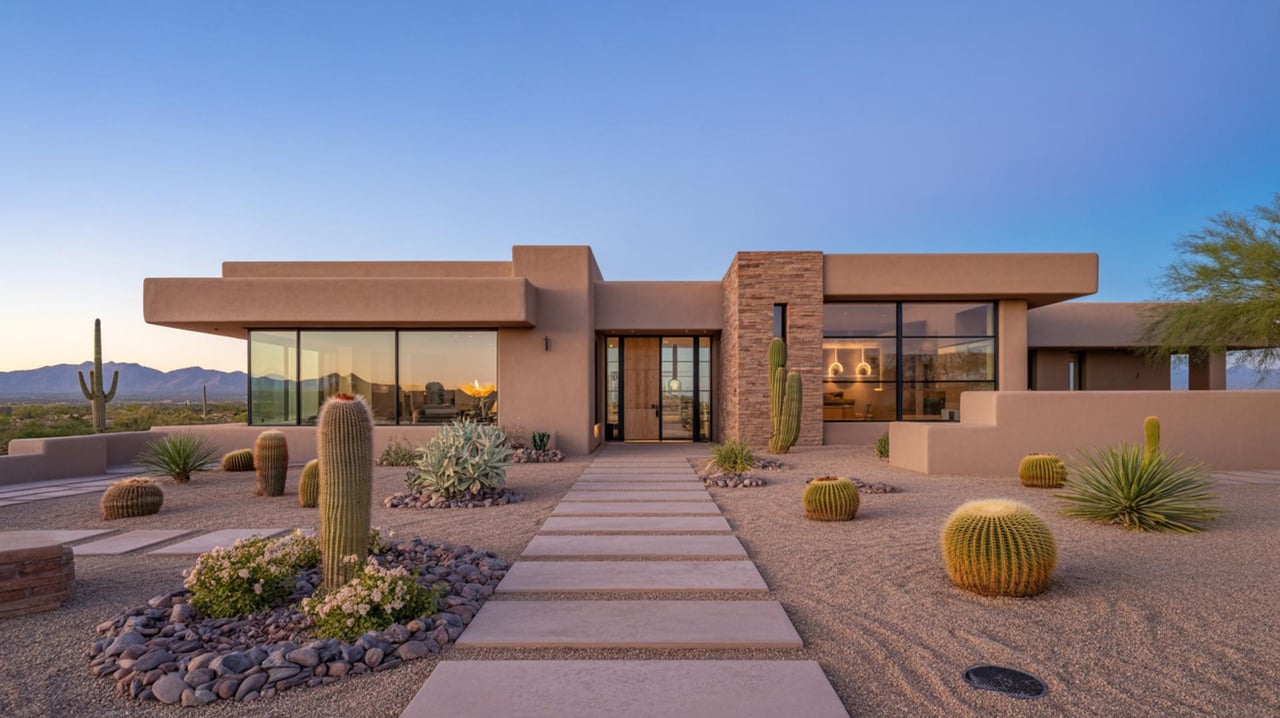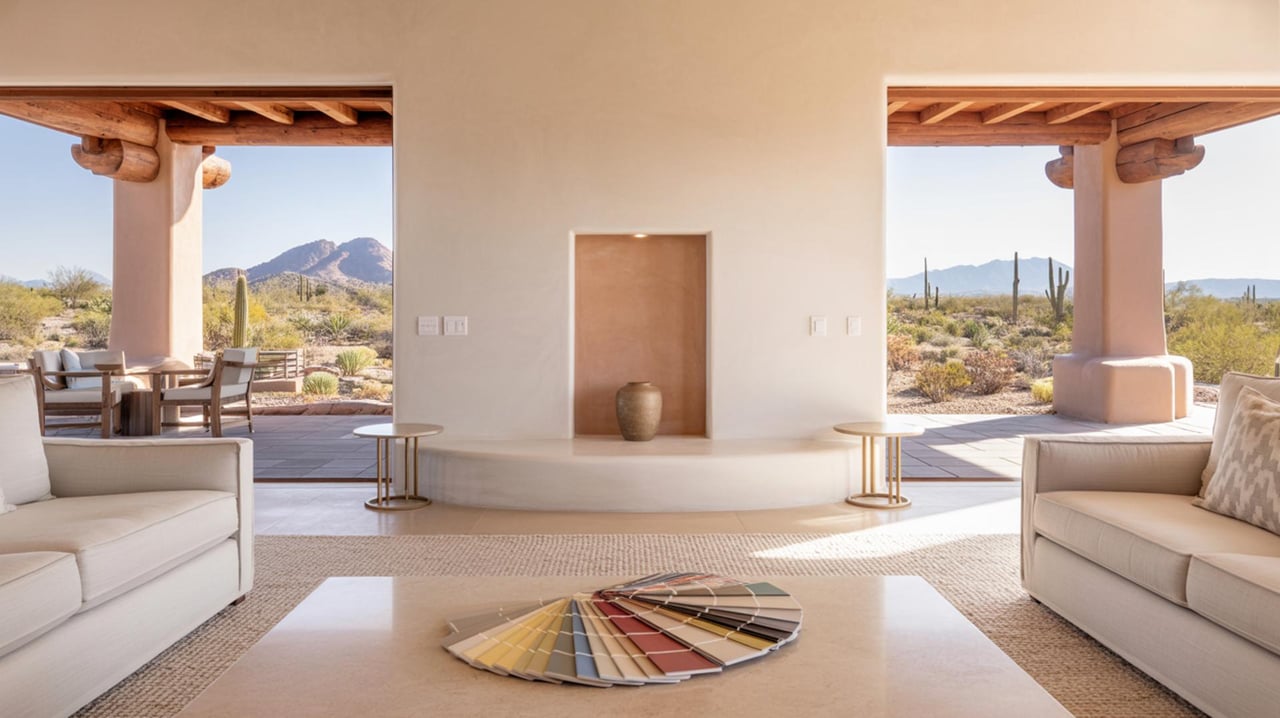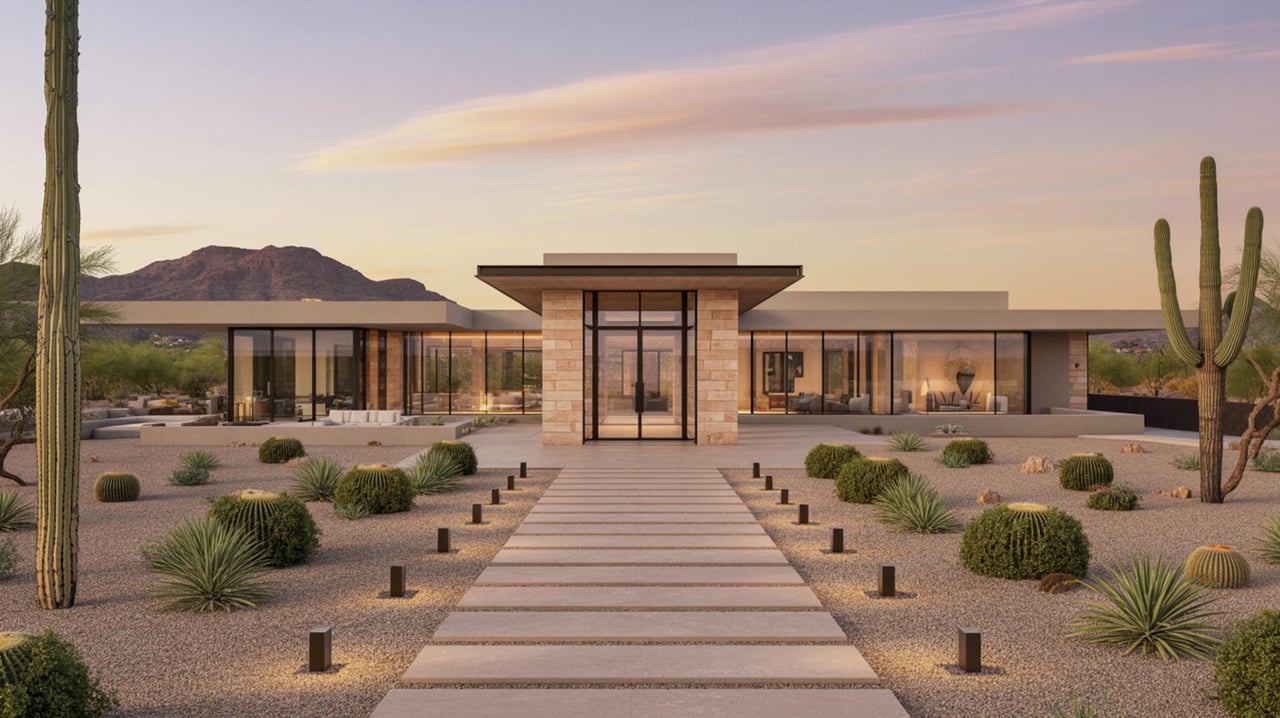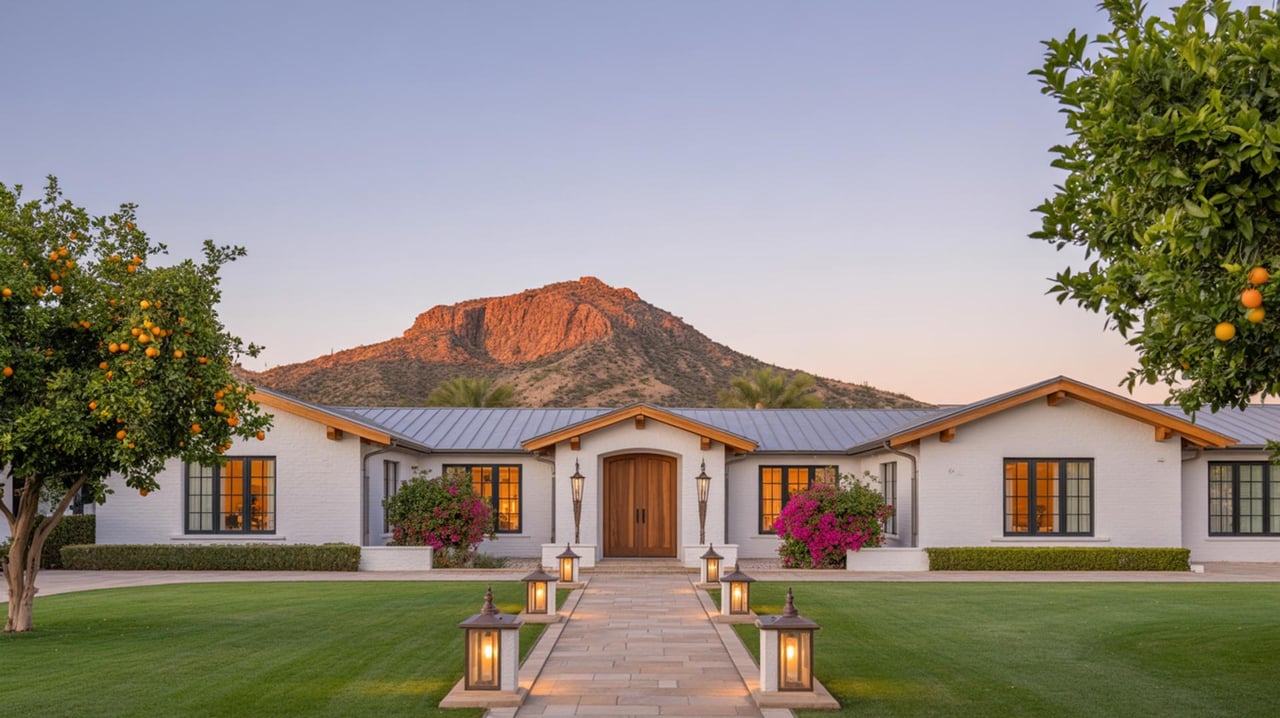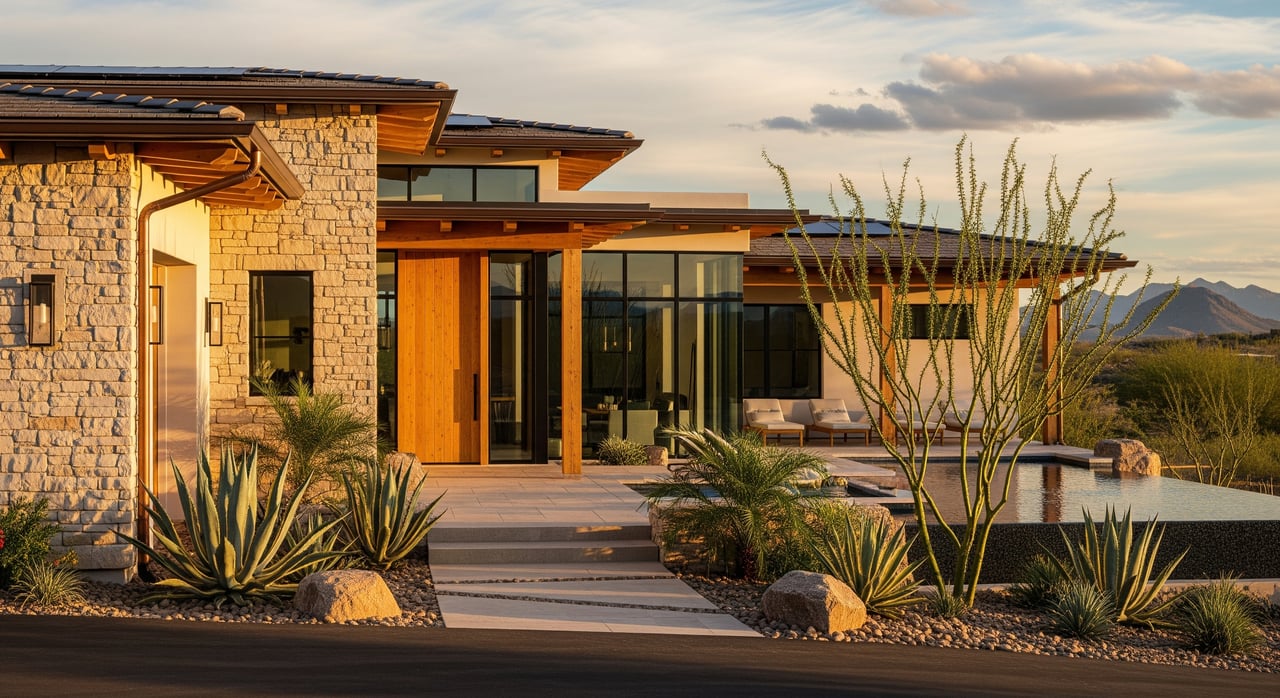
Thinking about listing your Desert Mountain home and wondering if a pre-listing inspection is worth it? Luxury properties in our desert climate have unique systems and finishes, and small issues can turn into big sticking points once a buyer’s inspector arrives. You want a smooth escrow, strong offers, and fewer surprises. This guide explains what a pre-listing inspection covers, how it plays in negotiations, which specialty checks matter most in Desert Mountain, and a simple plan to act on the findings. Let’s dive in.
What a pre-listing inspection is
A pre-listing inspection is a full home inspection you order before going on the market. An inspector evaluates the visible, accessible systems and components, including structure, roof, exterior, HVAC, plumbing, electrical, insulation, and built-in appliances. For high-end homes, you can add specialty inspections for complex features like pools, solar, or elevators.
In Arizona, you must disclose known material facts about your property. The Seller Property Disclosure Statement, or SPDS, is where you report what you know. A pre-listing inspection helps you identify issues early so you can repair them or disclose them clearly. In Desert Mountain’s gated communities, exterior changes and repairs may need HOA or Architectural Review Committee approval, so confirm requirements before work begins.
Why Desert Mountain sellers consider it
Desert Mountain buyers are discerning. They expect clarity, quality, and a home that performs in our climate. A pre-listing inspection can set the tone for a confident, efficient sale.
Pros for luxury listings
- Smoother escrow and fewer renegotiations. Finding issues early reduces last-minute repair requests and can shorten contingency timelines.
- Stronger buyer confidence. Sharing a report or a repair summary with receipts signals transparency and can support cleaner offers.
- More control over repairs. You choose the contractor quality and scope instead of reacting under pressure.
- Pricing accuracy. You can price with full knowledge of any capital expenditures.
- Marketing edge. Positioning your home as pre-inspected can differentiate your listing and reassure high-net-worth buyers.
Potential downsides
- Revealing defects. Anything you learn becomes a known fact you must disclose, which some worry could affect offers.
- Cost and timing. Luxury repairs can be expensive and require longer lead times, which might delay your launch.
- Buyers still inspect. Most buyers will order their own inspections and may use both reports in negotiations.
- Limits of general inspections. Complex systems often require specialty evaluations to be reliable.
Issues inspectors often find
Desert Mountain homes are custom-built and exposed to intense sun, large temperature swings, and monsoon storms. Inspectors tend to see patterns in our area.
Structure and exterior
- Stucco cracks and delamination. Hairline cracks are common in arid climates; larger cracks or failed control joints may need repair.
- Slab settlement. Desert soils can shift. Hairline to wider cracks may need monitoring or evaluation.
- Retaining walls and drainage. Movement or undermining around slopes and grade changes can occur.
Roofs and windows
- Tile roof concerns. Displaced or broken tiles, flashing issues at roof-to-wall, skylights, and chimneys are typical findings.
- Underlayment deterioration. Older or poor-quality underlayment can become a leak risk.
- Window and door seal failure. Large glass systems can show air or water intrusion if seals or flashing fail.
HVAC and energy systems
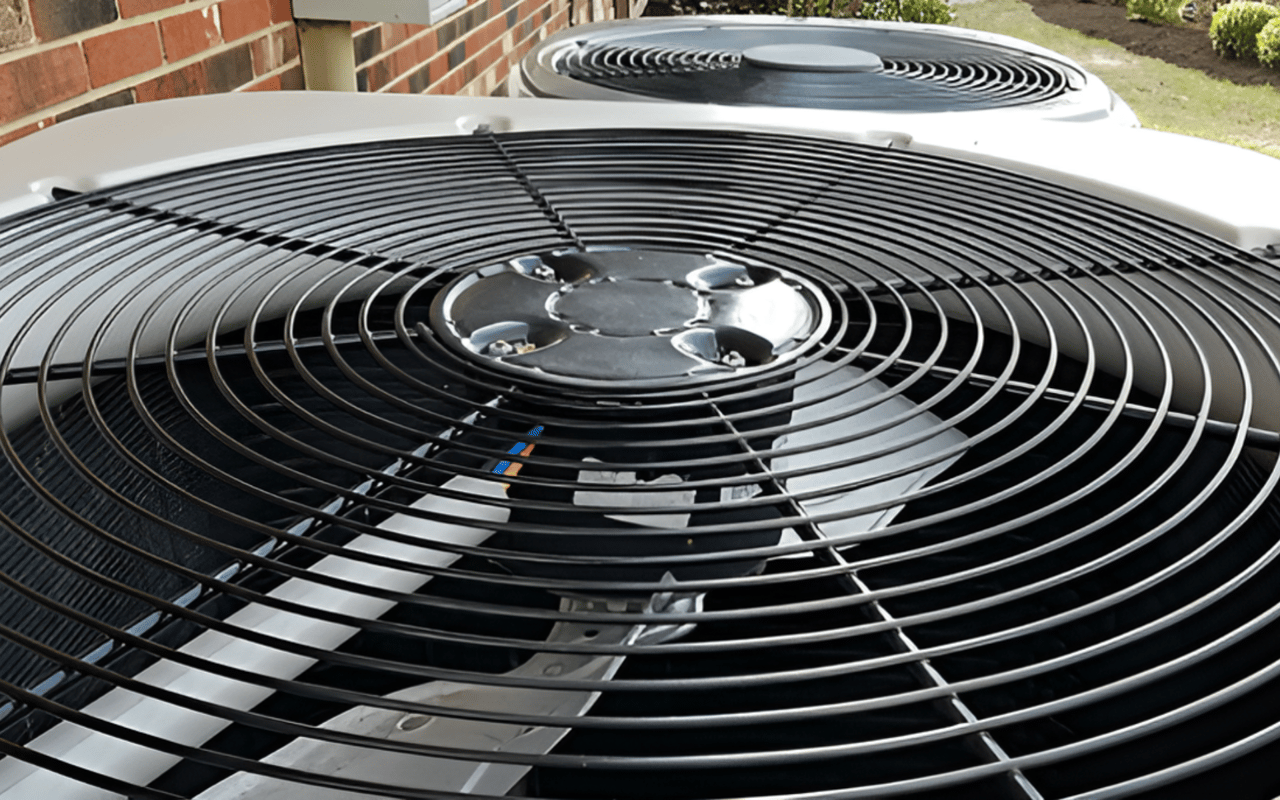
- Aging or undersized HVAC. High ceilings and open plans stress systems. Zoning problems in additions are common.
- Insulation and ventilation gaps. Inefficiencies increase cooling loads.
- Solar PV documentation. Missing permits, warranty papers, or non-standard mounting sometimes surface.
Plumbing, pools, and irrigation
- Hard water effects. Scale can shorten water heater life and affect valves and fixtures.
- Pool and spa wear. Pumps, heaters, automation, and plaster often need tune-ups or repairs.
- Irrigation leaks and grading issues. Broken valves and runoff can impact foundations or hardscape.
- Sewer lateral concerns. In older lines, a camera scope can catch intrusion or deterioration.
Electrical and safety
- Insufficient service or outdated wiring for modern loads like EV chargers and home automation.
- Missing GFCI or AFCI protection in required areas.
- Generator or backup issues, including improper transfer switches or deferred maintenance.
Pests and specialty systems
- Termites and wood-destroying organisms. Local buyers often expect a WDO inspection and clearance.
- Home automation, theaters, and wine rooms. Incompatibilities, missing programming rights, or humidity control issues may appear.
- Elevators or lifts. Certification and maintenance records matter.
How findings affect negotiations
You can use pre-listing results to plan repairs, price well, and control the narrative.
Disclosures and compliance
You are required to disclose material defects you know about. A pre-listing inspection helps you remedy key items or disclose them with documentation. This reduces the risk of later disputes and strengthens buyer trust.
Repair vs credit vs price
- Fix safety and financing blockers. Roof leaks, major HVAC failures, or structural and WDO items often get repaired before listing.
- Offer credits for minor items. Cosmetic or lower-cost issues can be disclosed and handled with a credit.
- Focus on quality. Visible workmanship matters in luxury sales. Poor fixes can be worse than a transparent credit.
Lender and appraisal impacts
Some loans require basic systems to be safe and functional. Addressing issues now can prevent appraisal delays, re-inspections, or loan conditions that slow closing.
Recommended specialty inspections
For Desert Mountain homes, consider targeted specialty reports in addition to a general inspection:
- Pool and spa inspection, including equipment, structure, and automation.
- Roof inspection by a licensed contractor experienced with tile roofs in our climate.
- Sewer lateral camera scope for older lines or suspected issues.
- Termite and WDO inspection with a clearance letter if treatment is needed.
- Structural engineer evaluation for signs of settlement or movement.
- Solar PV inspection and documentation of permits and warranties.
- HVAC performance testing for large or zoned systems.
- Electrical service evaluation for capacity, panel condition, and EV readiness.
- Elevator or lift certification when applicable.
Project plan before you list
A little planning goes a long way. Treat your pre-listing inspection and repairs like a short project with clear steps.
Timing and sequencing
- Order your inspection 2 to 6 weeks before you plan to list.
- Prioritize health, safety, and code items first, then lender requirements, major defects, and finally cosmetic items.
- Build in time for monsoon-season scheduling, material lead times, and HOA approvals.
Contractor selection
- Use licensed, insured trades with luxury experience and knowledge of our desert conditions.
- Obtain 2 to 3 bids for significant work and compare scope, timeline, and warranty terms.
- Require written scopes, lien waivers, and clear payment schedules. Keep before-and-after photos.
Permits and HOA or ARC
- Confirm which repairs need permits and arrange final inspections where required.
- Submit exterior or landscape changes to the community’s ARC if needed. Leave time for review.
- Keep approvals and permit closure documents together for buyer packets.
Budget and schedule
- Set a contingency for cost and time. Specialty materials and custom finishes may be backordered.
- Address roof integrity, HVAC performance, WDO issues, and pool safety first, since these affect marketability.
- If major work will run past your launch date, consider repair allowances or escrow holdbacks to keep momentum.
Final pre-market steps
- Assemble a concise condition packet: inspection summary, receipts, warranties, permits, and HOA approvals.
- Re-inspect major repairs to confirm completion and quality.
- Update your SPDS with facts revealed by the inspection and repairs.
When a pre-listing inspection makes sense
- Minimal findings. If the report shows only minor items, listing with the report available can speed the process and reduce contingencies.
- Moderate issues. Targeted repairs to roofing, HVAC, pool, pest, or safety items plus receipts and warranties usually calm buyer concerns and protect your price.
- Major concerns. If structure or core systems need work, weigh a repair plan against price adjustments or an as-is approach with full disclosure. Your agent can model buyer responses in today’s market.
Your next step
A pre-listing inspection is not about finding problems. It is about controlling the timeline, the budget, and the story buyers hear. In Desert Mountain, where custom features and climate add complexity, this extra step often pays off in smoother negotiations and a faster, cleaner close.
If you are planning to sell, we can help you decide whether a pre-listing inspection fits your strategy, coordinate the right specialty reports, and manage repairs and documentation. For boutique guidance backed by luxury marketing and disciplined negotiation, connect with the Mattisinko Group.
FAQs
What is a pre-listing inspection for Desert Mountain sellers?
- It is a full home inspection you order before listing so you can repair, disclose, or price appropriately based on documented condition.
How far in advance should I schedule a pre-listing inspection?
- Plan it 2 to 6 weeks before going on the market to allow for bids, HOA approvals, permits, and repairs.
Will buyers still do their own inspections if I pre-inspect?
- Yes, most buyers will still inspect, but your report, receipts, and warranties can limit renegotiations and speed timelines.
Which specialty inspections matter most in Desert Mountain?
- Pool and spa, roof, termite/WDO, HVAC performance, and, when applicable, sewer scope, solar PV, structural, electrical capacity, and elevator certification.
How can a pre-listing inspection affect my sale price?
- It helps you price with confidence, justify value with documentation, and avoid last-minute credits or large price cuts.
Do I need HOA or ARC approval for repairs before listing?
- Exterior, roofing, irrigation, landscape, or visible changes often need approval, so confirm community requirements before work begins.