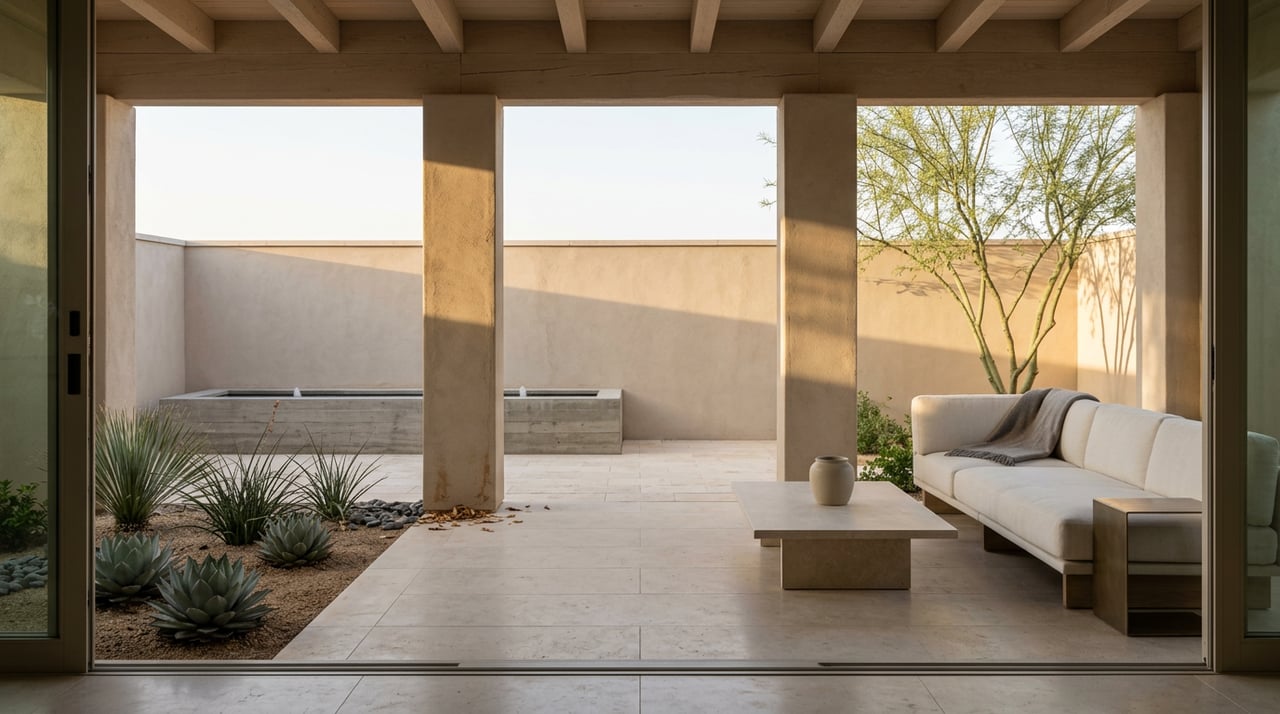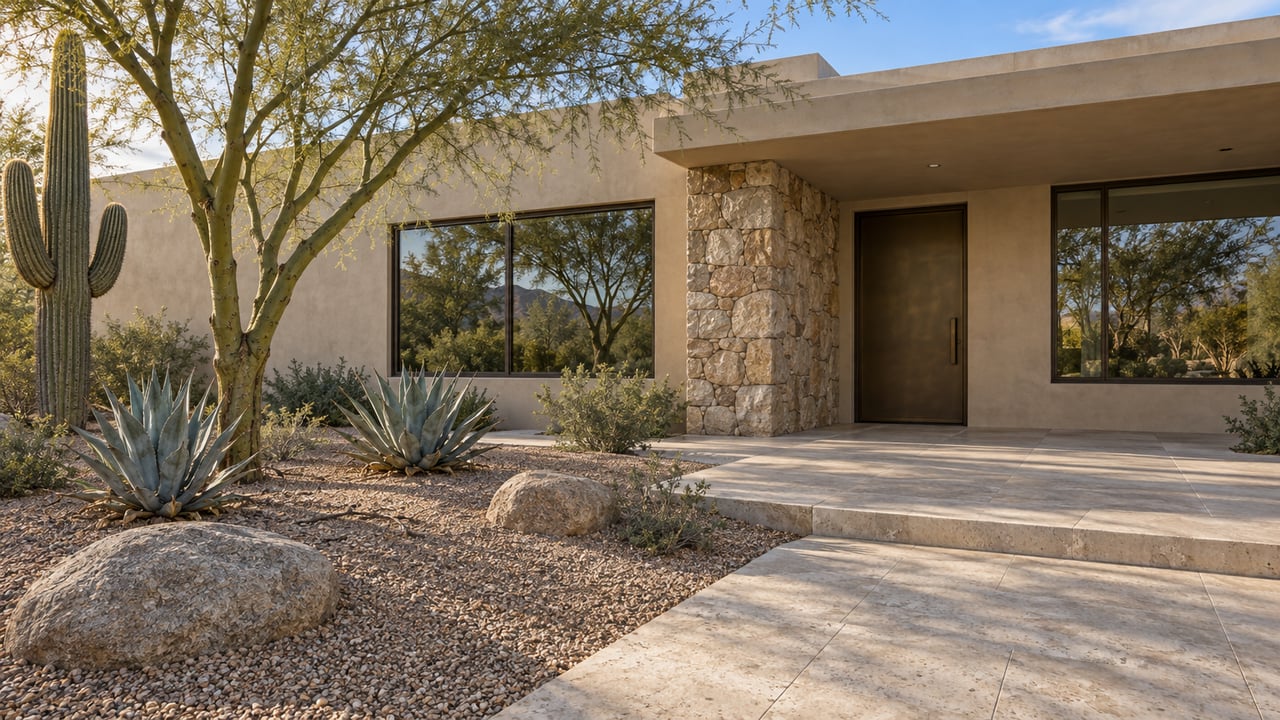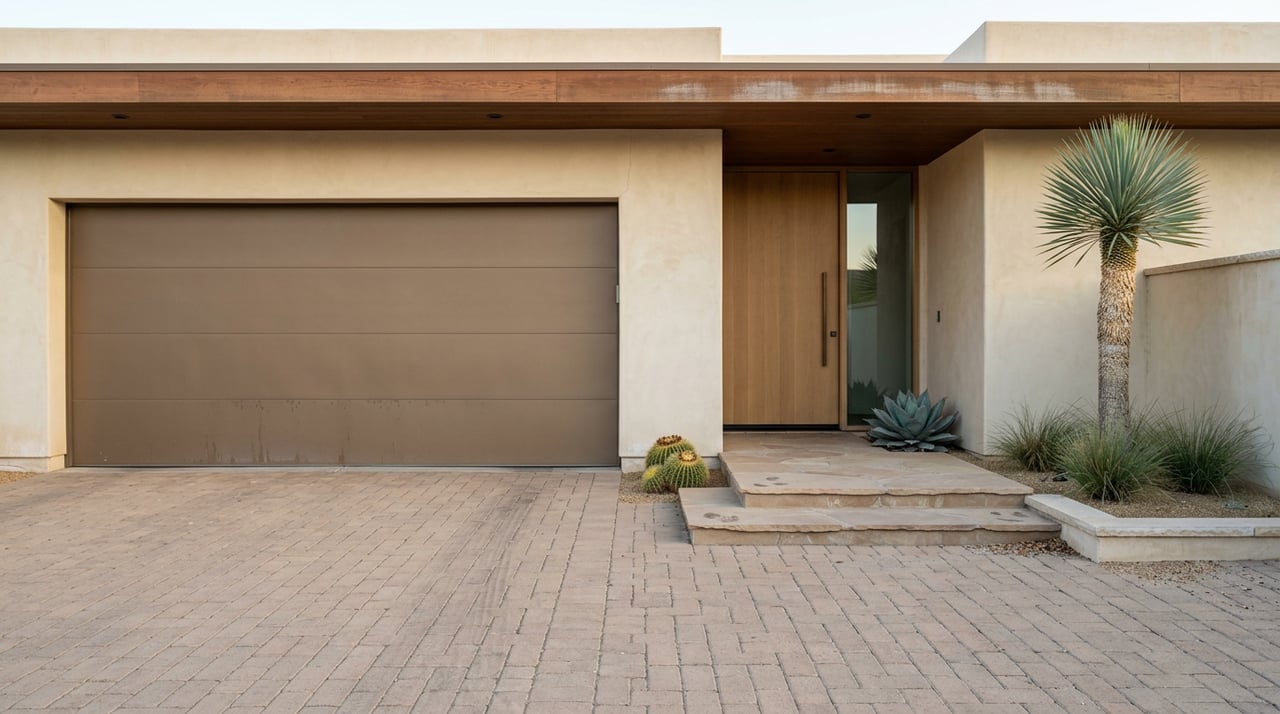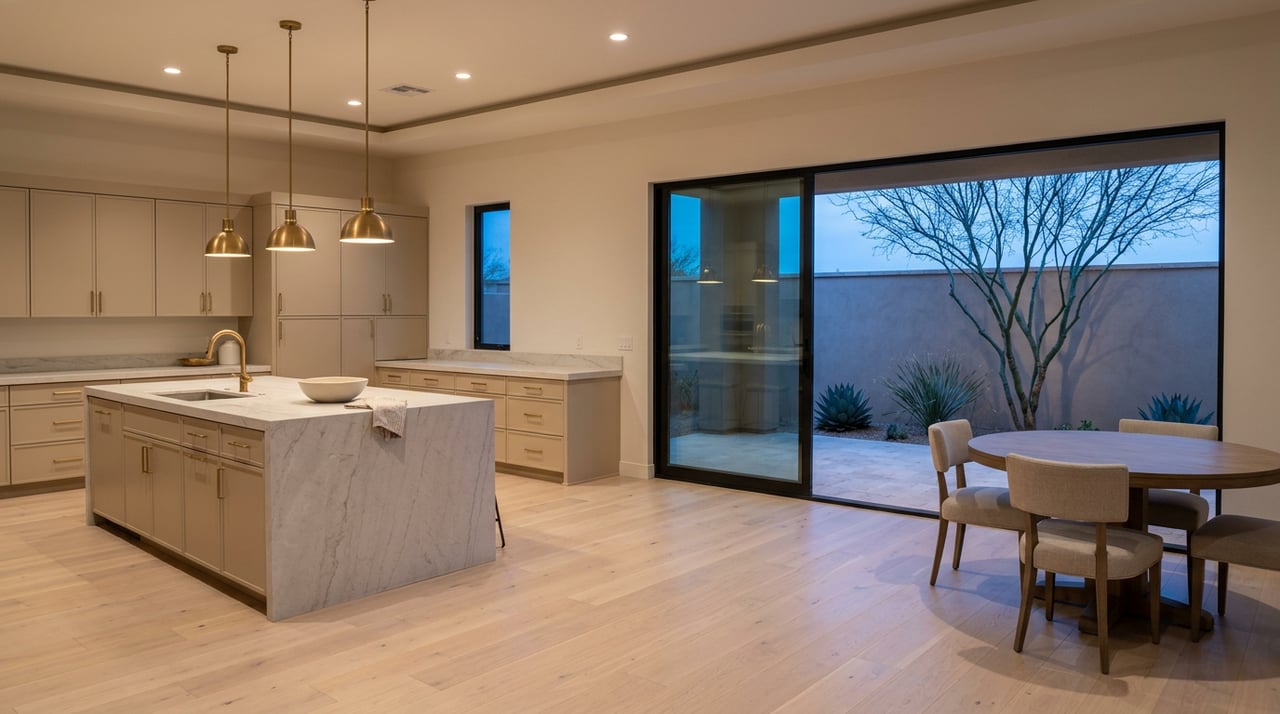
Is there really a best month to sell in McDowell Mountain Ranch, or should you list as soon as you are ready? The truth is, timing matters here because buyer traffic in our area is seasonal and different home types move at different speeds. You want your home to hit the market when the right buyers are most active and your presentation is flawless.
In this guide, you will learn how seasonality and snowbird patterns shape demand, what preparation timeline to follow, and which local factors can nudge your sale price and days on market. You will also get a simple 3–6 month plan you can put in motion today. Let’s dive in.
Why timing matters in McDowell Mountain Ranch
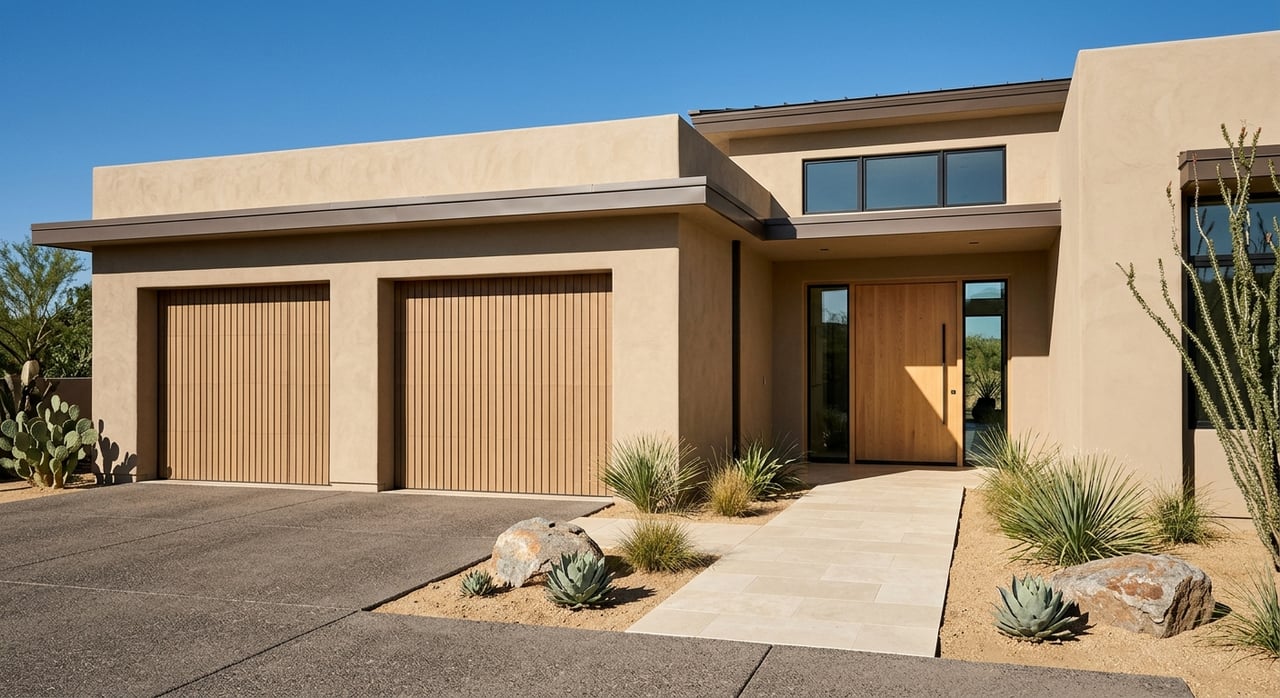
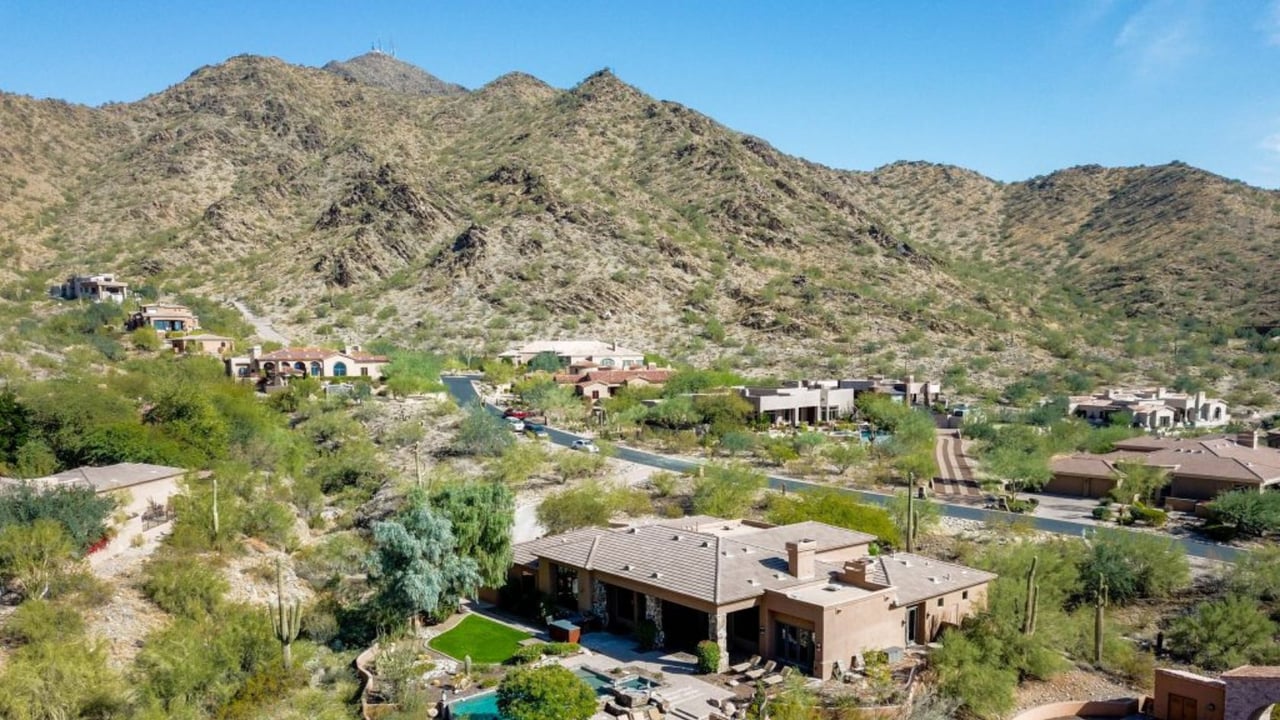
McDowell Mountain Ranch is a master-planned community with single-family homes that vary by subsection, lot size, finish level, and proximity to amenities. Those micro-differences change your buyer pool and the ideal time to list. A view lot near trails may attract lifestyle buyers all winter, while a larger floor plan close to community centers may appeal to families on a school calendar.
The community tracks with the broader Scottsdale and Phoenix metro market, but with its own preferences. Local demand responds to job growth, mortgage rates, and seasonal visitors. Your timing should account for regional patterns and neighborhood specifics like HOA calendars, recent comps in your subsection, and any nearby new construction.
Seasonality and snowbird demand
In greater Phoenix, buyer activity usually peaks in late winter into spring, roughly February through April. Inventory rises, showings increase, and more homes go under contract. McDowell Mountain Ranch participates in that pattern and also benefits from winter visitors.
Snowbirds typically arrive from late fall through early spring, November through April. This can add cash or out-of-state buyers looking for turnkey homes or seasonal residences. You will often see higher open-house traffic and stronger in-person interest from late December through March. Holiday periods can be mixed. Search volume dips around major holidays, but motivated local buyers and early-arriving snowbirds still tour. If you list during the holidays, focus your marketing and make it easy to show.
Spring vs. summer outcomes
Days on market are often lowest in late winter and early spring. Sale-to-list price ratios tend to be strongest in that same window. Summer, especially May through September, usually brings fewer in-person tours because of heat and vacation schedules. That can mean longer days on market and a need for sharper pricing or buyer incentives.
None of this means you cannot sell well in summer. It simply means your strategy should change. In warmer months, emphasize high-quality online presentation and convenience for out-of-town buyers. In cooler months, lean into lifestyle showings and outdoor features.
Targeting family and second-home buyers
Family buyers often plan around the school year. Many prefer to shop in late spring and early summer to move before classes start. If your home is designed with family living in mind, timing your listing to capture that group can help.
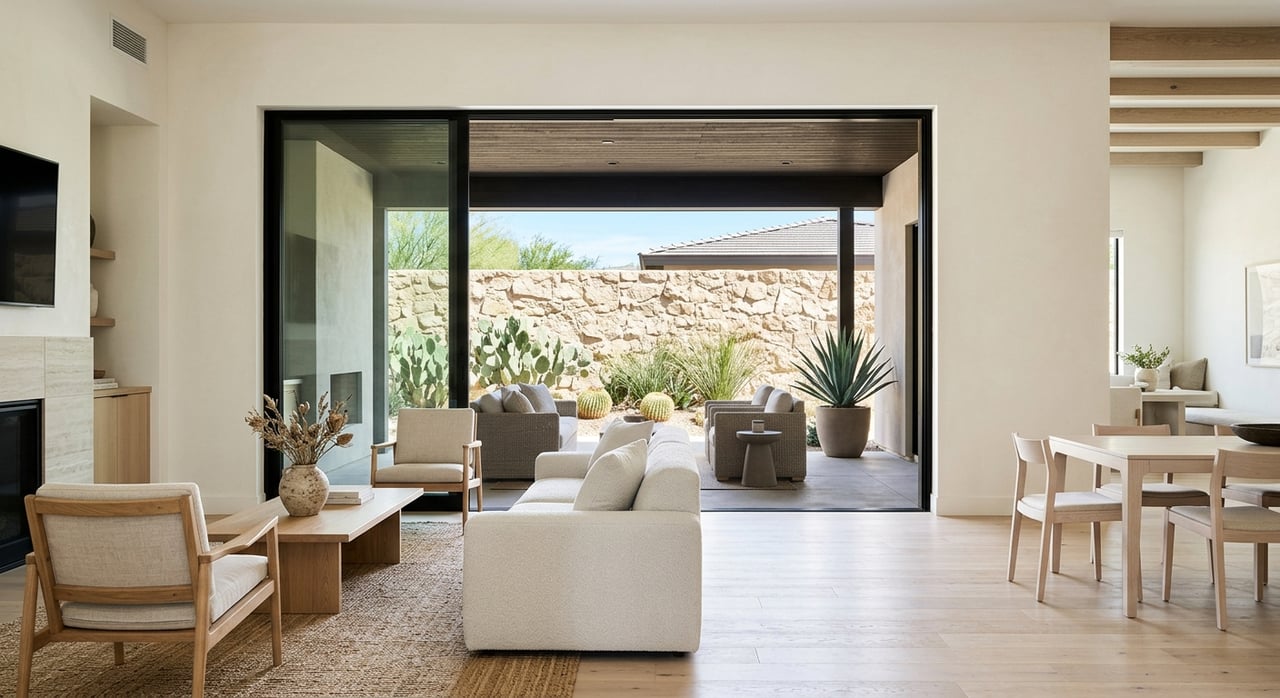
Second-home and seasonal buyers tend to be more active in the winter visitor season. If your home is lock-and-leave or highly turnkey, showcasing it during late fall through early spring can expand your buyer pool. Keep the language neutral and factual when discussing schools or proximity to amenities. Focus on convenience, floor plan flexibility, and access to recreation.
Micro factors to check before you list
Small details can tilt your timing and pricing. Review these items early:
- HOA schedules and events. Confirm any planned landscape or amenity maintenance that could affect curb appeal or showing access.
- Recent local comps. Zero in on sales within your subsections and similar floor plans, not just community-wide numbers.
- New-build competition. Track nearby builder inventory and incentives that may influence buyer expectations for finishes and pricing.
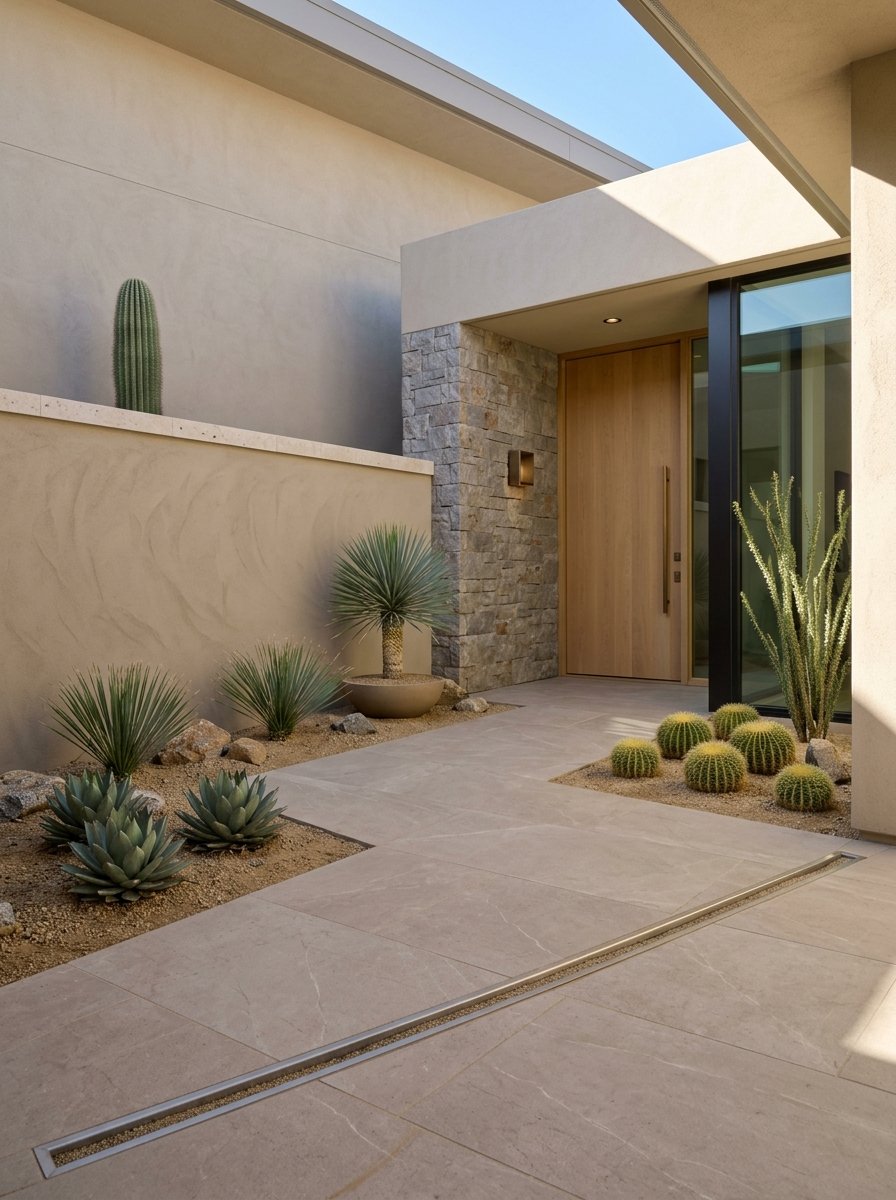
- Outdoor appeal. Trails, golf, and mountain views show best in milder months. Spring landscaping often photographs beautifully.
- Weather and comfort. Extreme heat reduces out-of-town touring. Plan for virtual-first marketing in hot months.
- Buyer mix and financing. Winter can bring more cash and out-of-state buyers. Spring can bring more financed purchases, which may extend escrow timelines depending on lender volume.
3-6 month game plans
You have options depending on your goals and runway. Here is a simple framework to use now.
- If you want maximum exposure and price leverage. Aim for a late-winter to early-spring window, roughly February to April. Start preparations 8 to 12 weeks ahead so you launch with your best version of the home and standout marketing.
- If you need a quick sale any time of year. You can list at any time. Expect potentially longer days on market outside peak windows and plan pricing and incentives accordingly. Flexible possession or credits can help motivate buyers.
- If your 3 to 6 month horizon pushes into summer. Lead with virtual tours and polished online media. Price competitively and highlight features that matter in heat, such as shade, energy efficiency, mechanical service records, and pool advantages.
- If you are targeting snowbirds. Consider listing between late October and early March. Make sure your marketing reaches out-of-state audiences and spotlights seasonal lifestyle benefits.
Prep timeline for a spring launch
Working backward from a February to April live date, use this example schedule:
- 12 weeks before. Order a pre-inspection, gather local comps, request contractor bids, confirm HOA requirements or approvals.
- 8 weeks before. Complete major repairs, declutter, deep clean, refresh landscaping, and address exterior touch-ups.
- 3 to 4 weeks before. Stage rooms for scale and light, book professional photography and videography, and create a virtual tour.
- 0 to 2 weeks. Go live, activate open houses and private tour plans, and push targeted outreach to out-of-area buyer networks.
If your timeline is shorter, prioritize safety and marketability. Focus on critical repairs, deep cleaning, lawn and landscape refresh, neutral paint where it counts, and professional photos.
Pricing and presentation strategies by season
The right price and standout presentation work in any season, but you should emphasize different strengths as the weather shifts:
- Late fall to early spring. Highlight outdoor living without heat stress, proximity to trails and recreation, and lock-and-leave ease for seasonal buyers. Expect more showings and broader buyer pools, which can support tighter pricing if inventory is limited.
- Late spring to summer. Lean into digital reach. Use immersive media, accurate floor plans, and detailed feature callouts. Promote energy-smart upgrades, window treatments, shade, and pool safety. Many buyers are still active, but they compare aggressively online, so your first impression must be excellent.
Across seasons, keep your pricing tied to ultra-local comps and current months-of-supply. Be precise about condition relative to alternatives. Small price gaps can translate to measurable differences in days on market.
What to track before you list
Ask for an address-specific, data-backed timing check. The most useful local metrics include:
- Core monthly indicators. New listings, pendings, and closed sales. Median and average days on market. Months of supply. Median sale-to-list price ratio. Median price per square foot. Percent of cash sales and out-of-state buyer share if available.
- Seasonality cues. Monthly showing activity for the last 24 months. Listing view and save data by month.
- New-build context. Local new construction closings versus resales by month to understand competition.
- Neighborhood segmentation. Repeat the metrics by key subsections within McDowell Mountain Ranch, such as gated versus non-gated or golf-adjacent versus interior streets.
- Seller scenarios. Best-case, typical, and conservative timelines and price expectations based on your home’s condition and price band. Sensitivity analysis that estimates days on market for 1 to 3 percent shifts in pricing versus market value.
With these numbers, you can decide whether to pull forward, hold for a stronger window, or adjust pricing to meet the market.
When to sell: quick scenarios
Use these examples to align your listing window with the most likely buyer:
- Move-in ready view home. Consider late fall through spring to showcase views and outdoor living, with the spring peak providing broad exposure.
- Larger family floor plan near amenities. Late spring into early summer can capture families planning moves around the school calendar. Great presentation is still key.
- Estate home that needs updates. Start early to complete high-impact improvements before the late-winter and spring surge. If you cannot upgrade, price with precision and lead with professional visuals.
- Lock-and-leave or second-home style. Late October through March aligns well with winter visitor traffic and out-of-state touring.
Work with a local team you can trust
The right timing is powerful, but execution is everything. You want data, pricing discipline, and marketing that respects the lifestyle your home offers. The Mattisinko Group is a boutique, husband-and-wife team anchored in McDowell Mountain Ranch with 75-plus closings in the community and more than $500 million in residential sales volume across North Scottsdale. Rob personally oversees valuation and negotiation for accountability. Dani brings luxury marketing expertise to produce standout photography, video, and staging.
You also get the reach and credibility of Berkshire Hathaway HomeServices, with repeated Top 1 percent and Chairman’s Circle recognitions. That combination of hyper-local knowledge and national exposure helps you meet serious buyers where they are, in any season.
If you are considering a move in the next 3 to 6 months, let’s align your listing window with today’s local data and build a prep plan that fits your goals. Reach out to the Mattisinko Group to get your address-specific timing consult and Get a Free Home Valuation.
FAQs
Is spring always the best time to sell in McDowell Mountain Ranch?
- Spring often delivers the broadest buyer pool and stronger pricing, but the optimal window depends on local inventory, interest rates, and your home’s condition, so verify with current neighborhood data.
Will listing in the summer hurt my sale in Scottsdale’s heat?
- Summer typically brings fewer tours and longer days on market, so plan for sharper pricing, strong virtual marketing, and clear value highlights like energy efficiency and pool benefits.
Do winter visitors actually buy in McDowell Mountain Ranch?
- Yes, seasonal visitors add a meaningful pool in fall through spring, often seeking turnkey homes or second residences, which can lift demand during those months.
How long should I prepare my home before listing in MMR?
- Plan for 6 to 12 weeks to handle repairs, staging, photography, and any HOA items; shorter timelines are possible, but full prep can improve appeal and leverage.
Should I wait for a specific month or pick a broader window?
- Choose a selling window that matches buyer traffic for your home type, for example spring for family-oriented plans and late fall to early winter for turnkey second-home appeal, then confirm with hyper-local comps and absorption data.