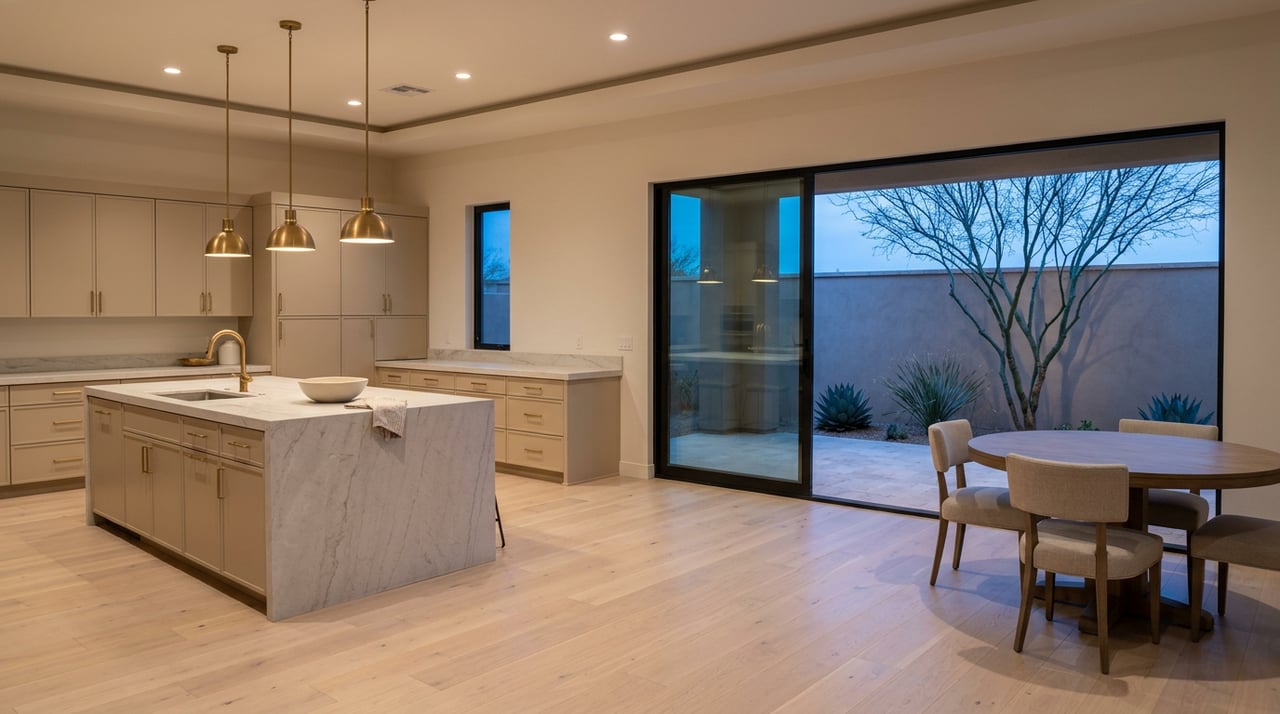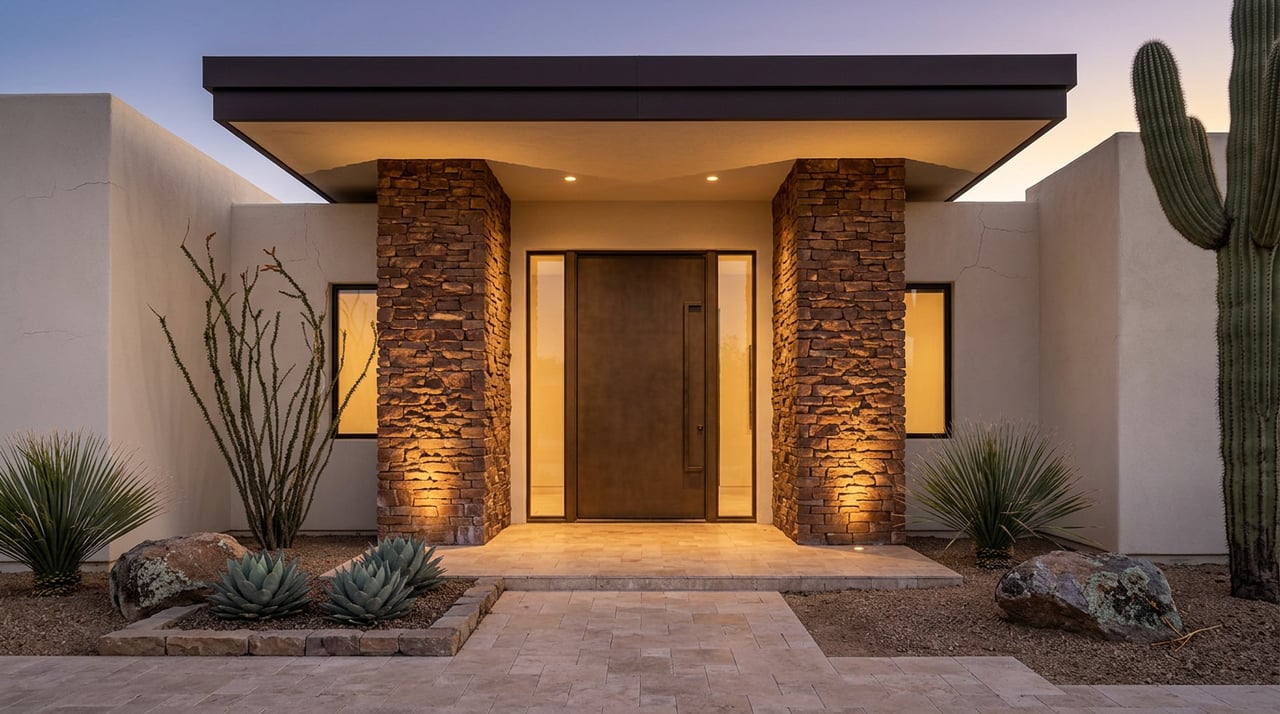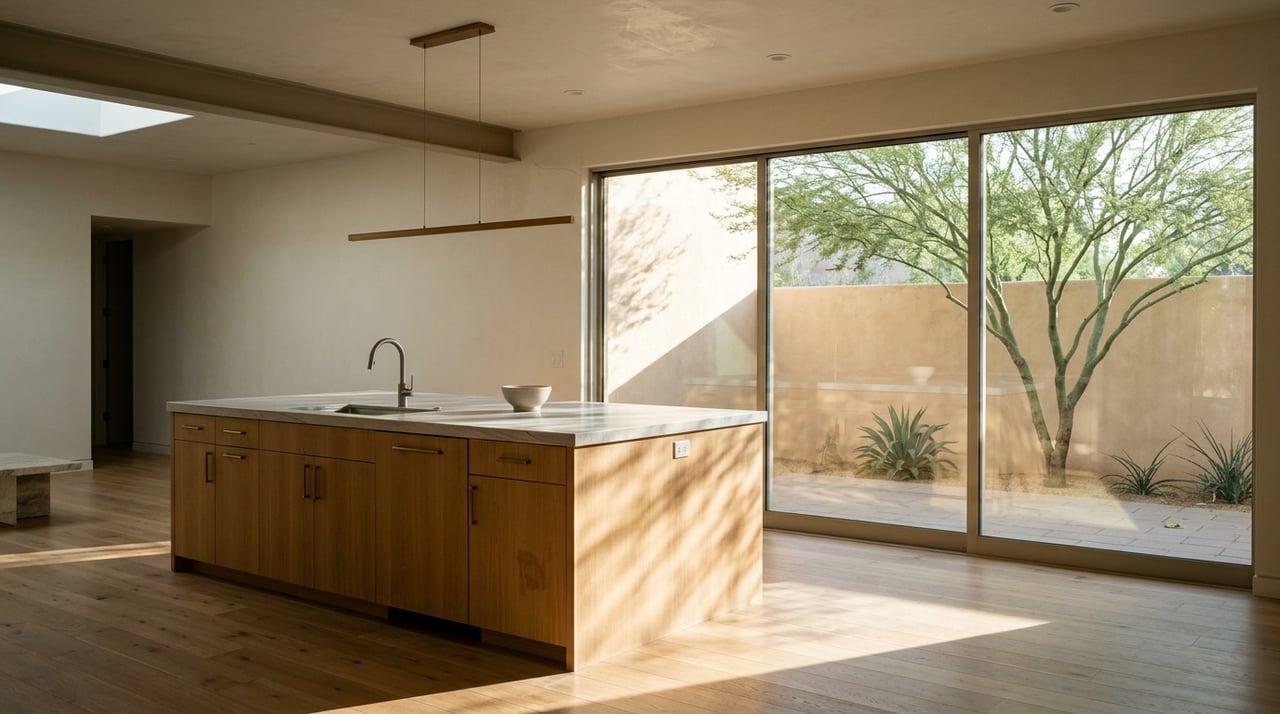
Trying to decide between a Grayhawk condo or townhome before you fly in to tour? You are not alone. Many Greater Phoenix buyers want clarity on space, costs, maintenance, and rules so they can narrow choices fast. In this guide, you will learn the practical differences you will notice on a tour, how HOA structures impact monthly costs, and which option fits your lifestyle and travel schedule. Let’s dive in.
Where Grayhawk fits in Greater Phoenix
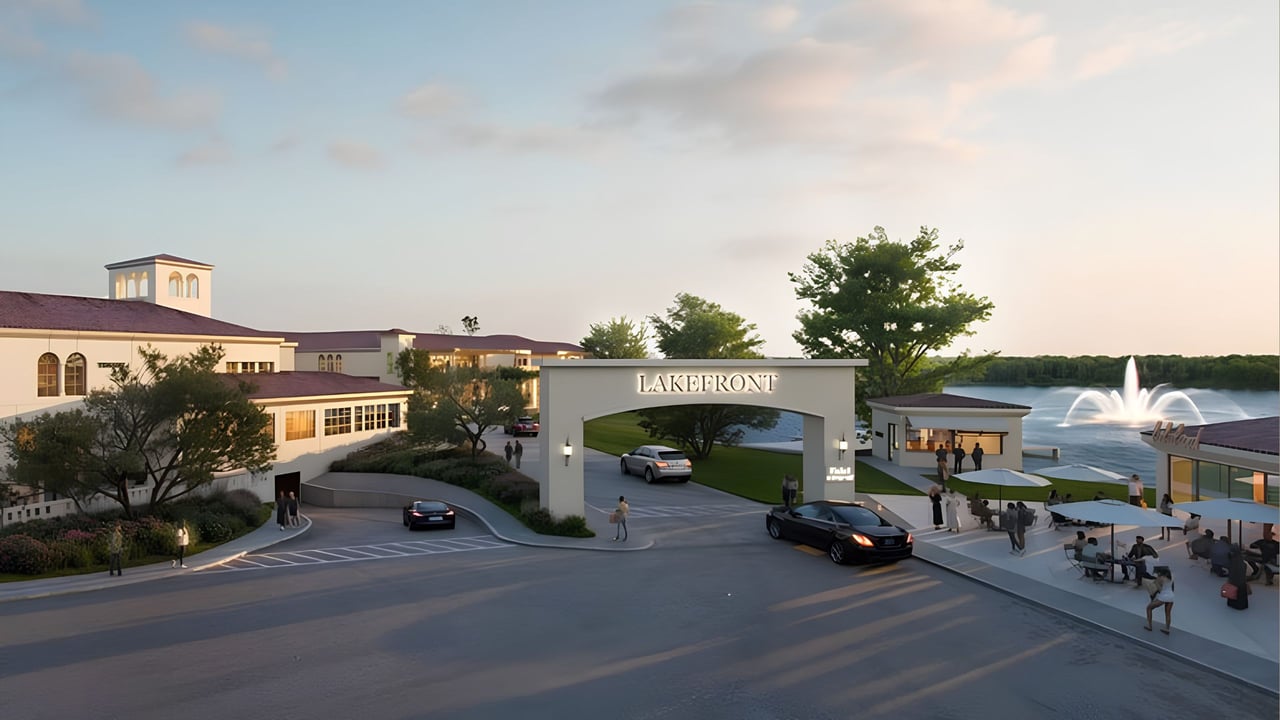
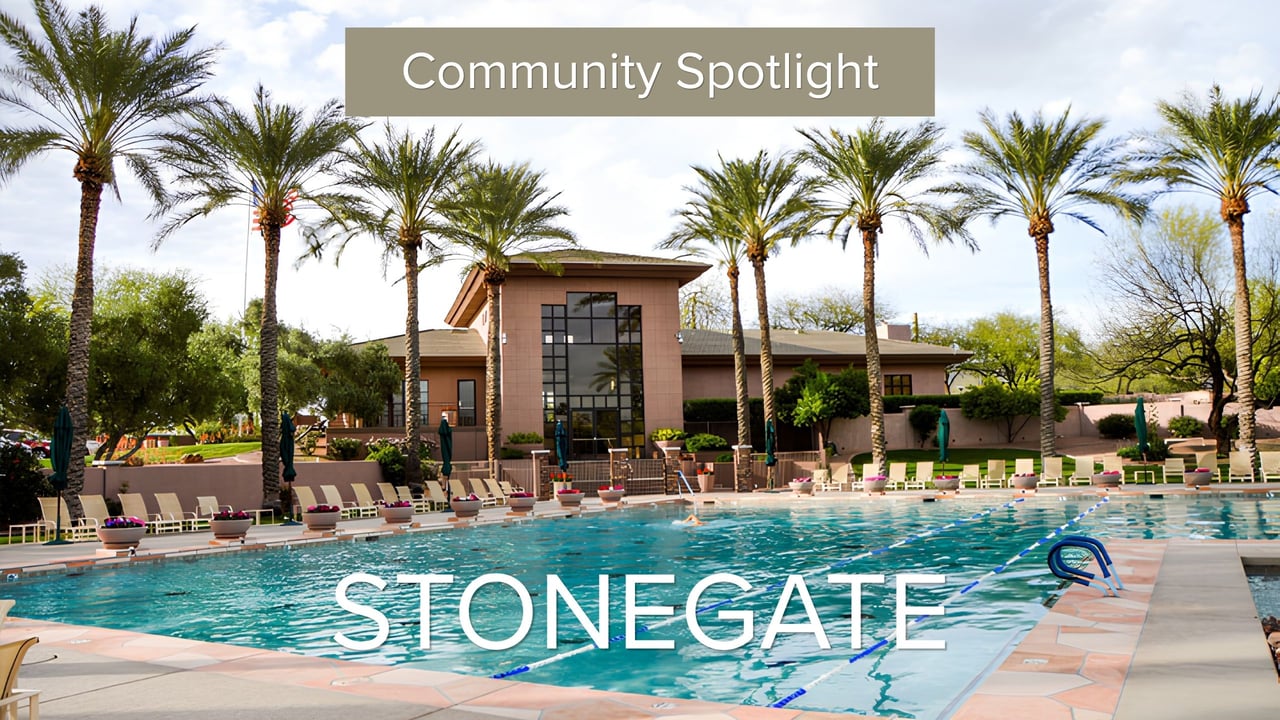
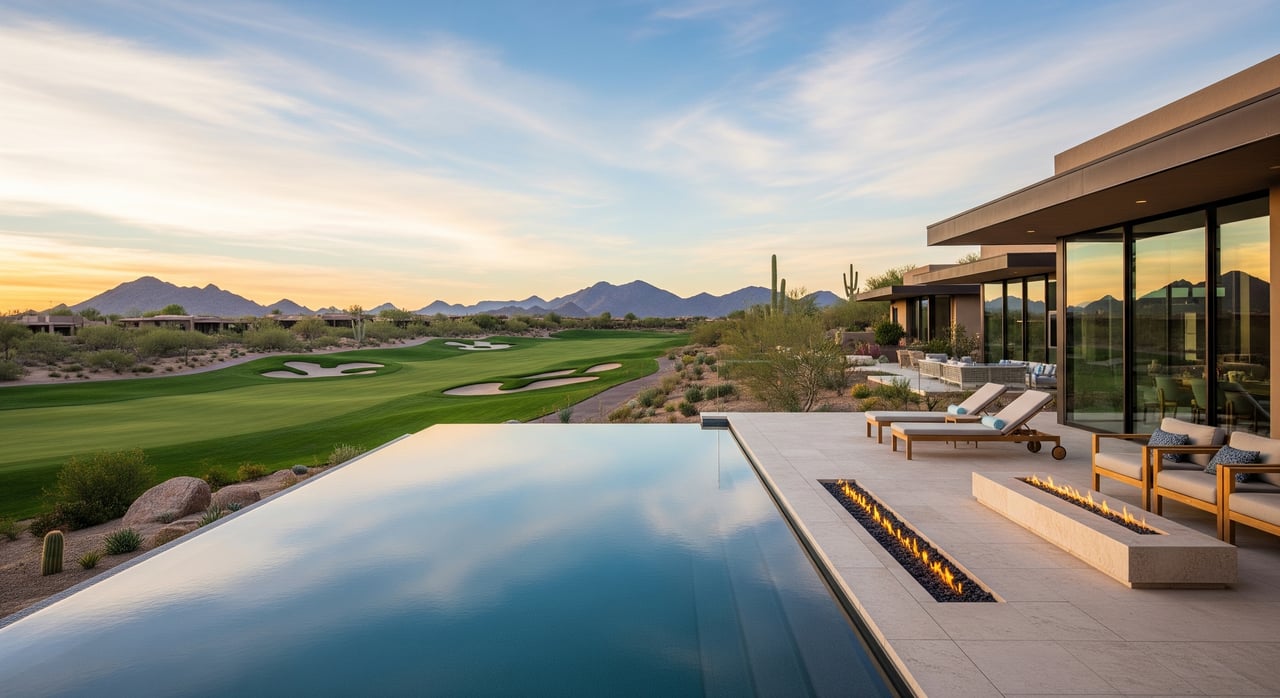
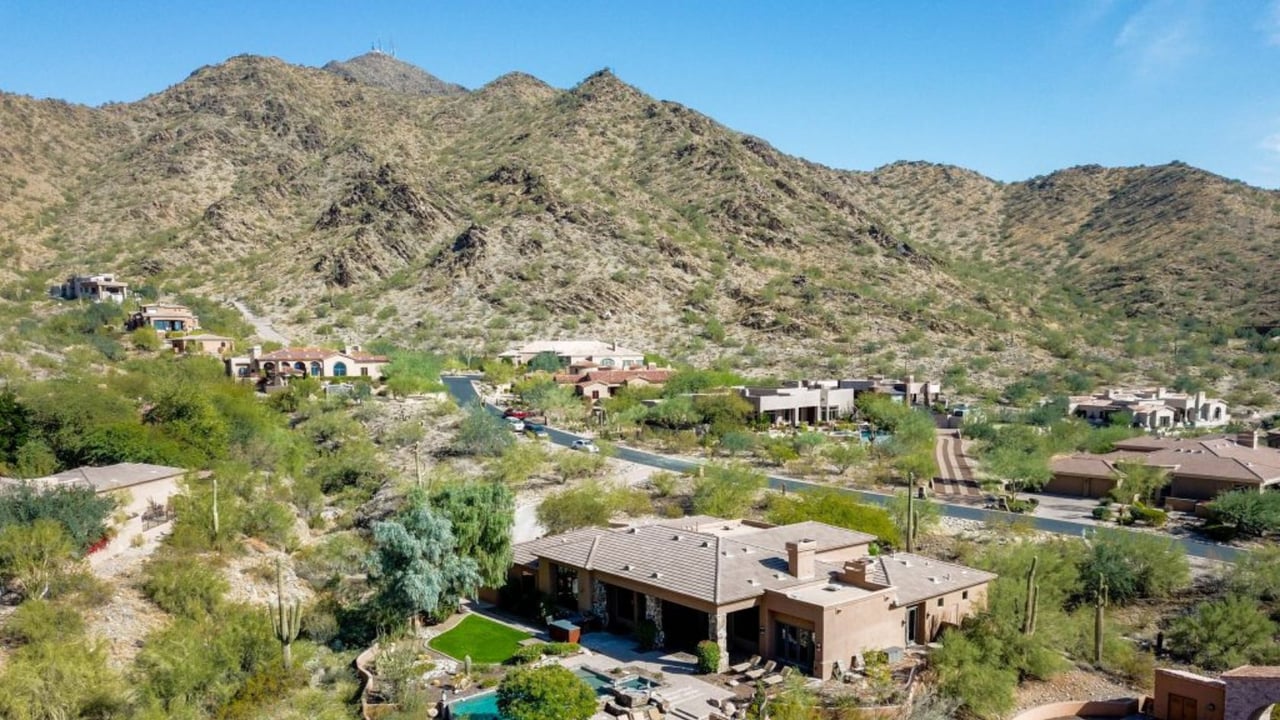
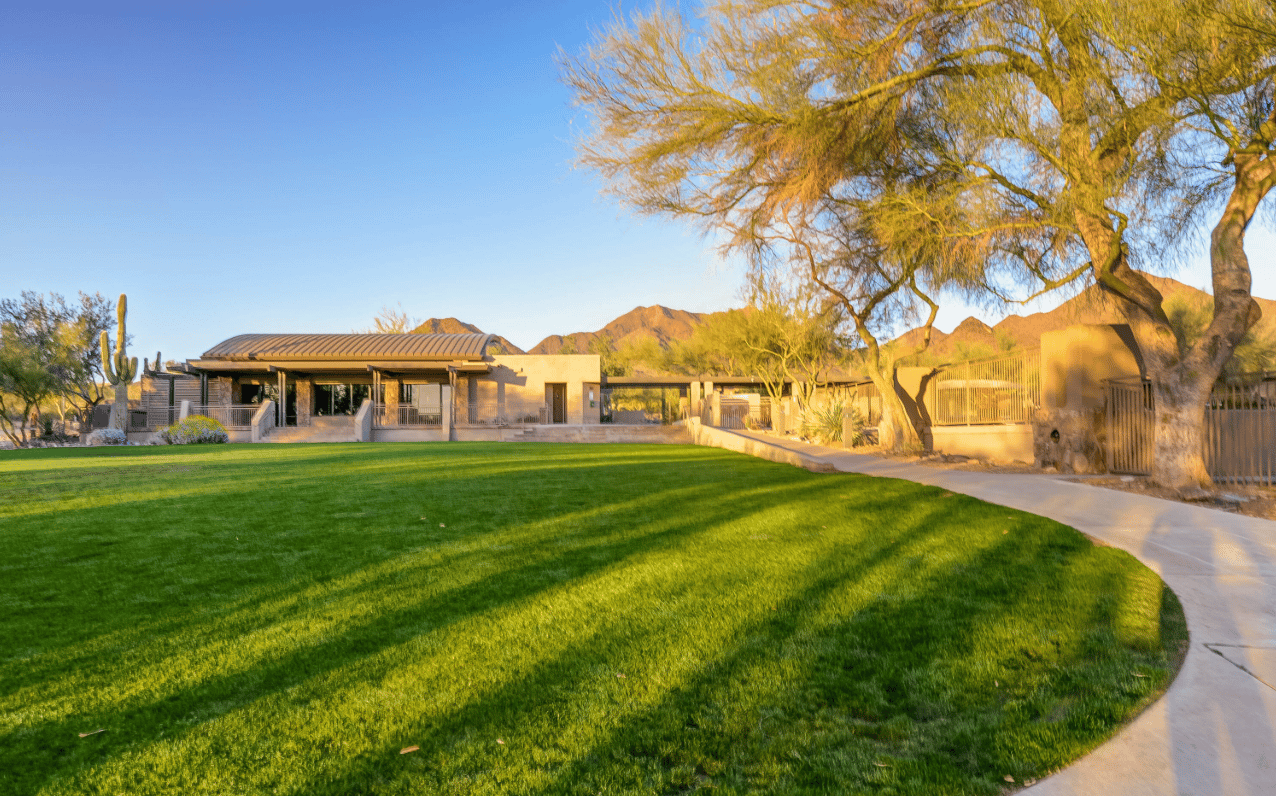
Grayhawk is a master-planned community in north Scottsdale, within Maricopa County. It includes several neighborhoods with a mix of condos, townhomes, and single-family homes. You will find shared amenities such as parks, trails, community pools, and access to area golf facilities. Because product types vary by sub-association, knowing the differences helps you target the right homes on your short-list.
Key physical differences you will notice
What counts as a condo
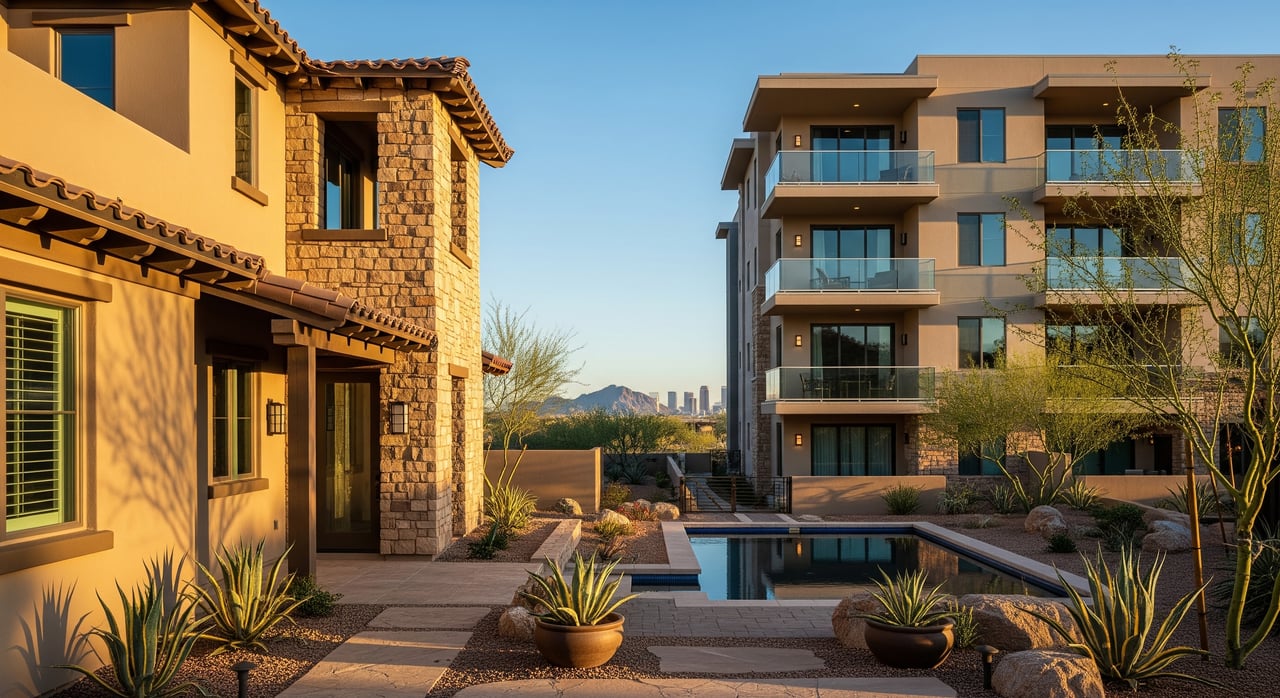
A condo means you own the interior of the unit, sometimes called the airspace, and share ownership or use of common elements like the roof, exterior walls, land, and parking areas. The HOA typically handles exterior maintenance. You will see stacked or single-level buildings, often low-rise with shared corridors or elevators. Balconies or small patios are common.
What counts as a townhome
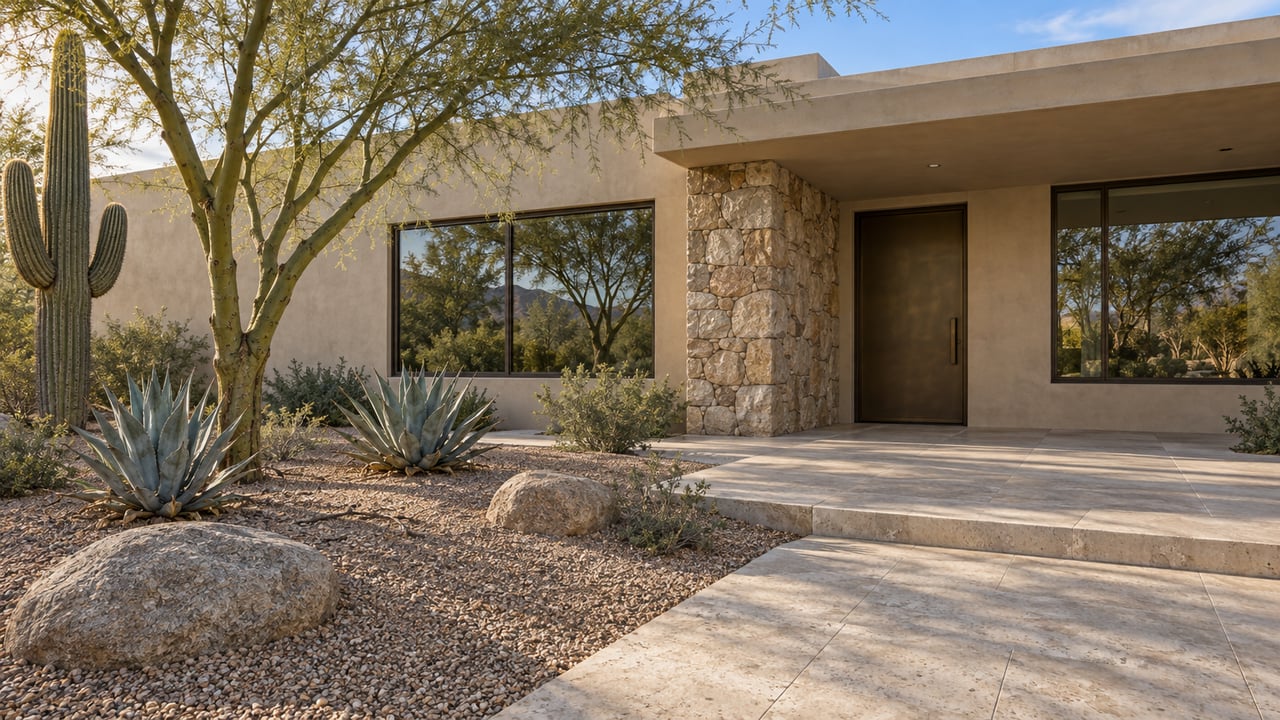
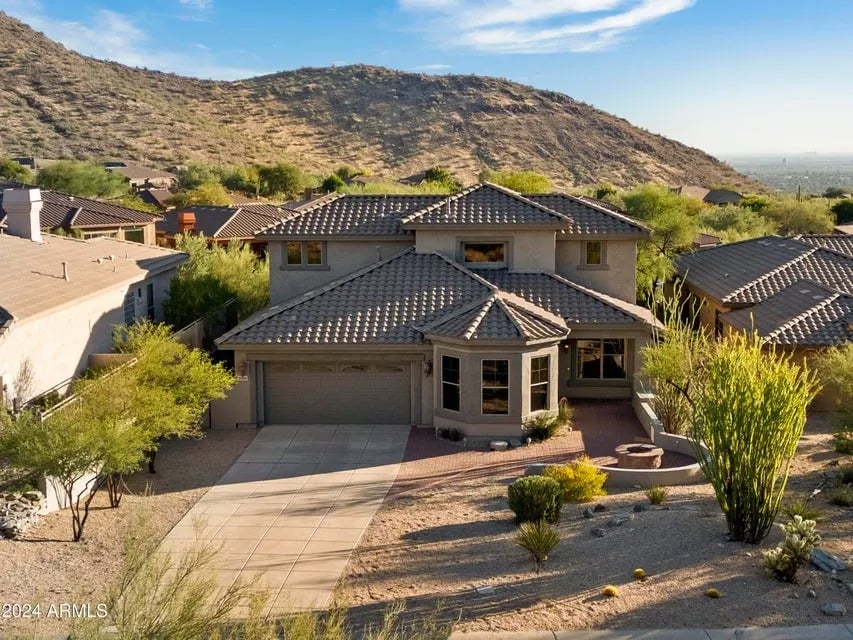
A townhome is an attached residence that often includes ownership of the land under the unit or a defined lot. Many have individual rooflines, attached garages, and private patios or small fenced yards. Some townhome developments are still recorded as condos for legal purposes, so you should always verify the regime in the documents.
Floorplans and space
Grayhawk condos often have smaller footprints with one to three bedrooms. Some are single-level, and some are in stacked buildings with elevator access. Townhomes usually provide more square footage, two or more stories with interior stairs, and more bedrooms than many condos.
Outdoor space and landscaping
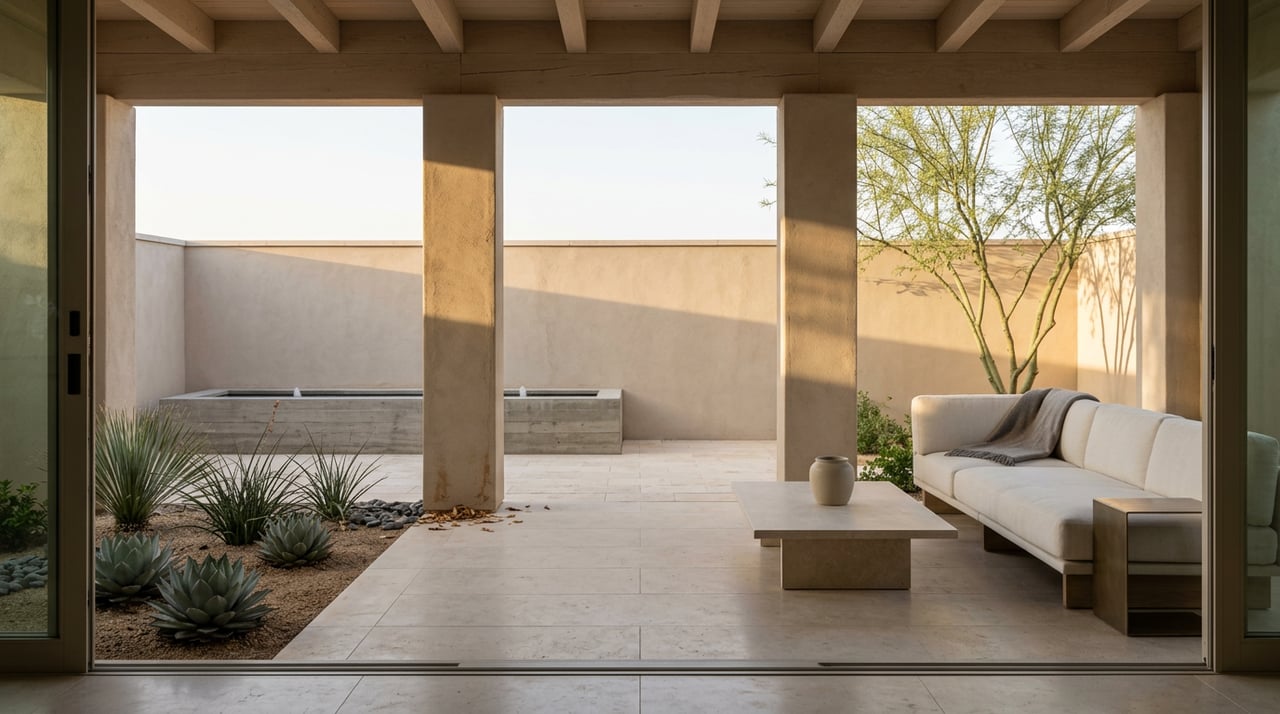
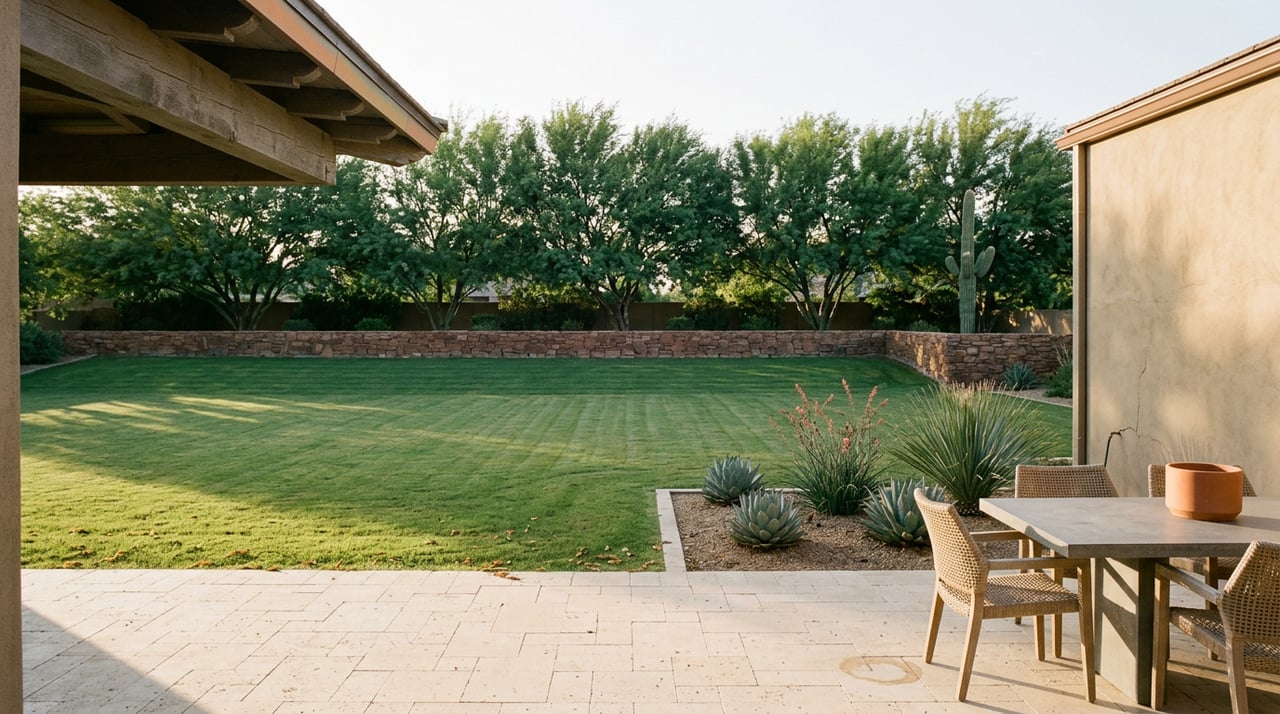
Condo outdoor space usually means a balcony or small patio, plus access to common areas maintained by the HOA. Townhomes often have a private rear patio or a small yard, which may require some owner upkeep. In many townhome communities the HOA still handles front-yard or common-area landscaping.
Parking and garages
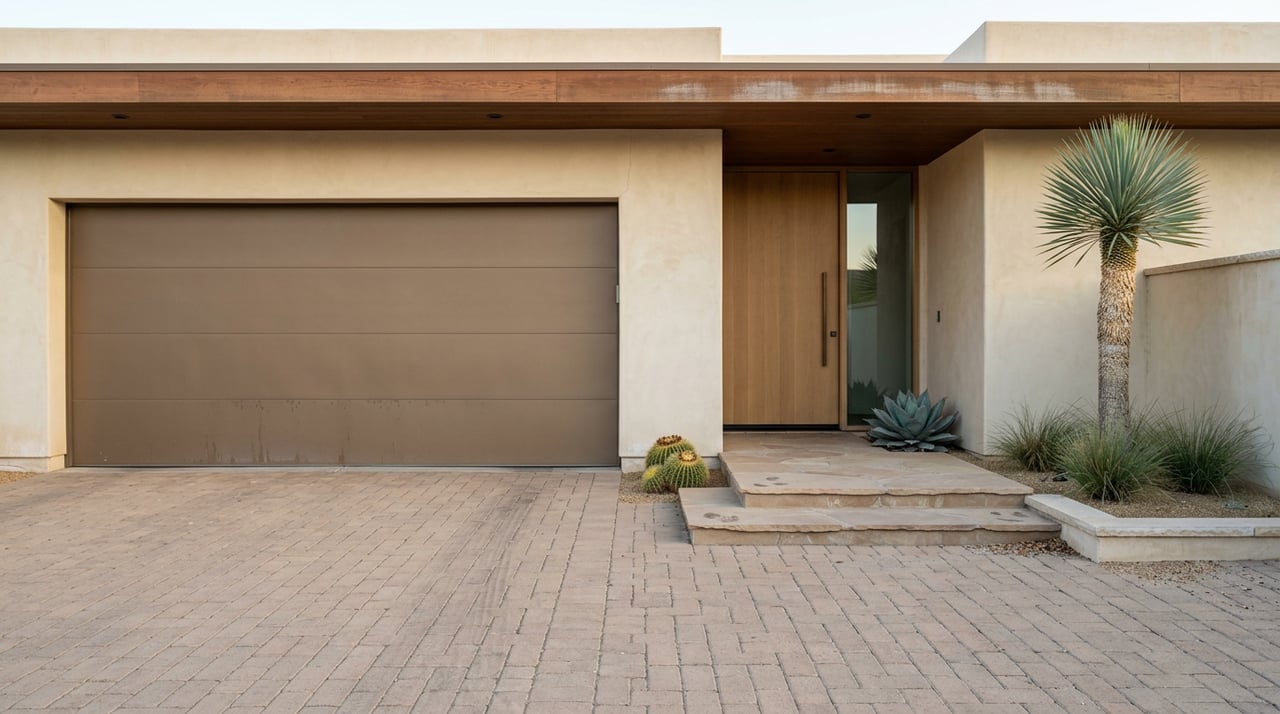
Condos commonly offer assigned surface parking, shared garages, or carports. You may have a short walk from parking to the front door. Townhomes are more likely to include private attached or detached garages, which can improve storage and vehicle security.
Privacy and noise
Condos can have neighbors above and below, so sound transfer is a consideration. Townhomes typically reduce the number of vertical neighbors and can feel more private, although shared walls are still a factor. Construction quality and design vary by sub-association, so plan to test for noise during showings.
Accessibility and stairs
If you prefer single-level living, condos in low-rise or elevator buildings can be a good fit. Ground-floor units offer easy access. Townhomes commonly have internal stairs across two or more levels, so buyers with mobility needs should focus on single-level townhome plans or confirm elevator options where available.
Who handles maintenance and rules
HOA structures in Grayhawk
Both condos and townhomes in Grayhawk sit within one or more HOAs that enforce CC&Rs and manage shared amenities. The specifics depend on how each sub-association was recorded. Some townhome owners also own the lot and take on more exterior responsibility, while others are in a condo or planned community regime with broader HOA coverage.
What the HOA usually covers
Condo HOAs typically manage exterior walls, roofs, building structure and paint, common-area landscaping, parking areas, exterior lighting, and shared amenities. Townhome coverage varies. Many townhome HOAs cover roof and exterior envelope plus common areas, while owners may handle items like patio fencing, private yard landscaping, or certain windows and doors. Always confirm in the CC&Rs.
Insurance and risk allocation
Condos usually carry a master property policy for the building shell and common areas. As an owner, you would carry an HO-6 policy for interior finishes and personal property, often with loss assessment coverage. Townhome insurance needs can be broader if you own the lot or exterior. You may need an HO-3 or similar dwelling policy. The required policy type will be outlined in the HOA documents.
Rules to review before you tour
Ask for rental rules, owner-occupancy ratios, short-term rental restrictions, pet rules, guest parking policies, and the architectural review process for exterior changes. Review policies on barbeques, satellite dishes, solar panels, and storage. These details affect daily living, rental potential, and future resale.
Cost factors that drive your monthly number
HOA dues drivers
In Greater Phoenix, condo dues and townhome dues can overlap in range. In Grayhawk, fees vary by sub-association and amenity level. Buildings with pools, elevators, or onsite staffing can have higher dues, while smaller townhome groups with modest amenities can be lower. The key cost drivers are the scope of exterior maintenance covered, the level of amenities, what the association insures, staffing, and reserve funding health.
Taxes and insurance
Property taxes in Maricopa County are assessed at the parcel level. Townhomes that include lot ownership may reflect a different tax setup than airspace condos. Insurance costs depend on whether the association insures more of the structure or puts that responsibility on the owner. Townhome owners who insure their exterior often pay higher structural premiums than condo owners.
Resale and buyer demand
Townhomes tend to appeal to buyers who want more interior space, garage access, and a house-like feel with lower maintenance than a detached home. Condos often attract buyers who want low upkeep and single-level living. For resale, proximity to community amenities, the condition of HOA reserves, and rental and occupancy rules can influence marketability.
Rentals and occupancy rules
Many Grayhawk sub-associations limit short-term rentals or set minimum lease terms. Some also cap the percentage of units that can be leased. If rental flexibility matters to you, verify the rules early so you do not waste time on homes that cannot meet your goals.
Utilities and operating costs
Townhomes may have higher utility costs because of larger square footage and multi-level living. Some units may be eligible for energy upgrades like solar, subject to HOA rules. In condo buildings, certain systems can be shared. Always confirm HVAC, water, and electric responsibilities and metering.
Lifestyle fit: match the product to your needs
If you want low-maintenance living
Condos usually require less day-to-day upkeep. Exterior work, landscaping, and building monitoring are typically handled by the HOA. For frequent travelers, this can reduce worry and time on site.
If you want more space and a garage
Townhomes usually offer more living space, private garages, and a more residential feel. You may have a small yard or patio for outdoor relaxation. Maintenance is still lighter than a detached home, but expect some owner responsibilities for private areas.
Amenity access and community feel
Grayhawk provides trails, parks, community spaces, and access to area golf facilities. Some amenities may require separate memberships or fees. Larger condo buildings can feel more communal, while many townhome enclaves feel more neighborhood-like.
Guests and parking
If you host visitors often, review guest parking policies and overflow options. Condos may have tighter guest parking compared to townhomes with private driveways or garage capacity.
Pets and outdoor space
Townhomes often make pet routines easier with private patios or small yards. Condos may have stricter leash or size rules and use designated pet areas. Always confirm pet policies.
How to narrow your search from afar
Documents to request
- HOA CC&Rs, Bylaws, and Rules and Regulations
- Audited financials, current budget, and the reserve study
- Recent meeting minutes and any special assessment history
- Association insurance certificate and required owner policy type
- Rental and occupancy rules
- Maricopa County property record for parcel and legal description
Questions to ask early
- What exterior elements and utilities does the HOA maintain versus the owner?
- What does the master insurance policy cover, and what policy must the owner carry?
- Are capital projects or special assessments planned?
- Are short-term rentals allowed? Is there a rental cap?
- How are parking spaces assigned, and where is guest parking located?
- Are any amenities subject to separate memberships or fees?
What to check during showings
- For condos: window and slider condition, balcony surfaces and railings, any signs of roof leaks on top floors, and noise at different times of day
- For townhomes: roof and flashing, grading and drainage at private yards, patio and fence condition, garage door operation, and shared wall integrity
- For both: HVAC age and service history, plumbing lines in stacked areas, and electrical panels
Remote touring tips
Request full video walkthroughs that include hallways, stairwells, neighboring units, and parking paths. Ask for footage of common areas at different times to gauge activity and noise. When buying sight unseen, consider local counsel or title support for HOA document review.
Bottom line for Grayhawk buyers
The real differences come down to ownership type, who maintains the exterior, privacy and noise, and how HOA scope drives monthly dues and long-term risk. If you want single-level, low-maintenance living, condos can be a strong fit. If you want more space, a garage, and a more residential feel with modest upkeep, a townhome can be ideal. Verify details at the sub-association and unit level so your tours focus on homes that fit your lifestyle and budget.
If you want help narrowing to the right product and sub-association before you visit, the North Scottsdale experts at the Mattisinko Group can guide you through documents, costs, and on-the-ground tours.
FAQs
What is the main difference between a Grayhawk condo and a townhome?
- A condo is interior airspace ownership with shared building elements, while a townhome often includes ownership of the lot or exterior components. HOA responsibilities differ by sub-association.
How do HOA dues compare for Grayhawk condos vs townhomes?
- Dues vary widely based on what the HOA covers and the amenities offered. Condos with more amenities can have higher dues, while modest townhome associations can be lower.
Which is quieter in Grayhawk: condo or townhome living?
- Townhomes often reduce vertical neighbors and can feel quieter, but construction quality varies. Always test noise during showings at different times of day.
What insurance do I need for a Grayhawk condo vs a townhome?
- Condo owners usually carry an HO-6 policy for interiors. Townhome owners may need an HO-3 or similar policy if they own the exterior. The HOA documents specify requirements.
Are short-term rentals allowed in Grayhawk condos and townhomes?
- Many sub-associations limit short-term rentals or set minimum lease terms. Confirm rental rules and any caps on the percentage of rentable units before you offer.
Which option is better if I travel often and want low upkeep?
- Condos typically require less day-to-day maintenance since the HOA handles exteriors and common areas. Strong HOA reserves and governance are still important.