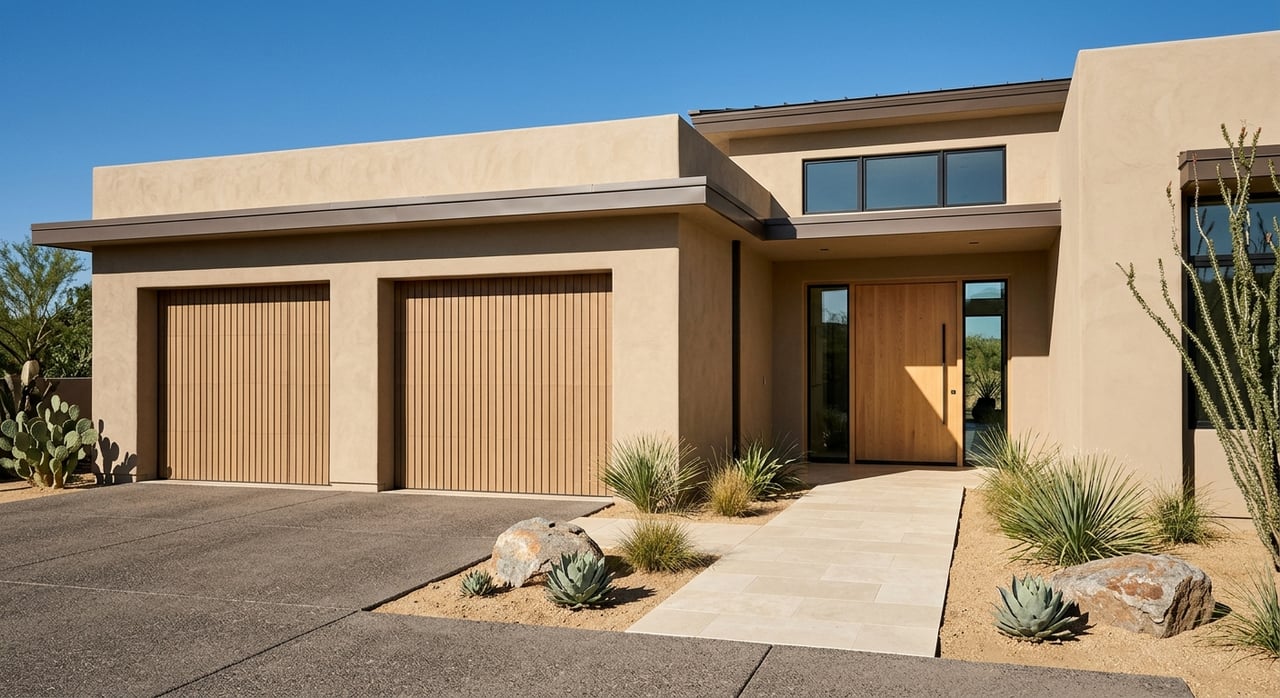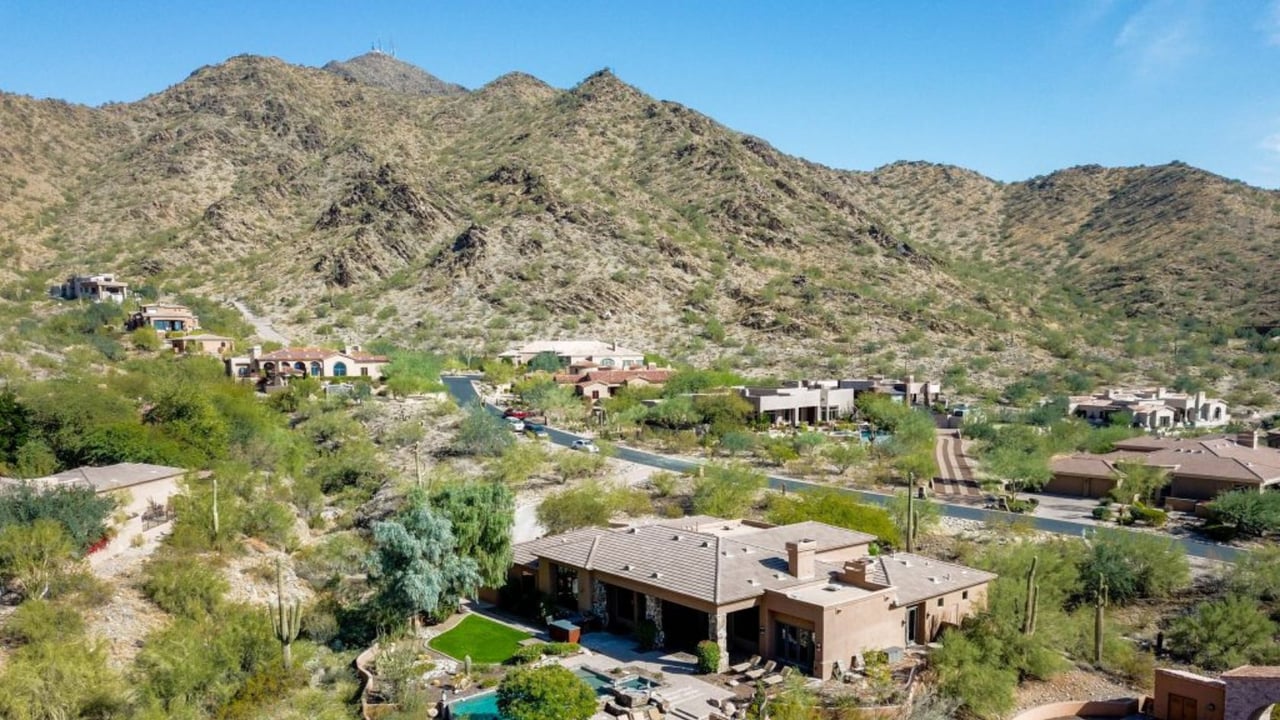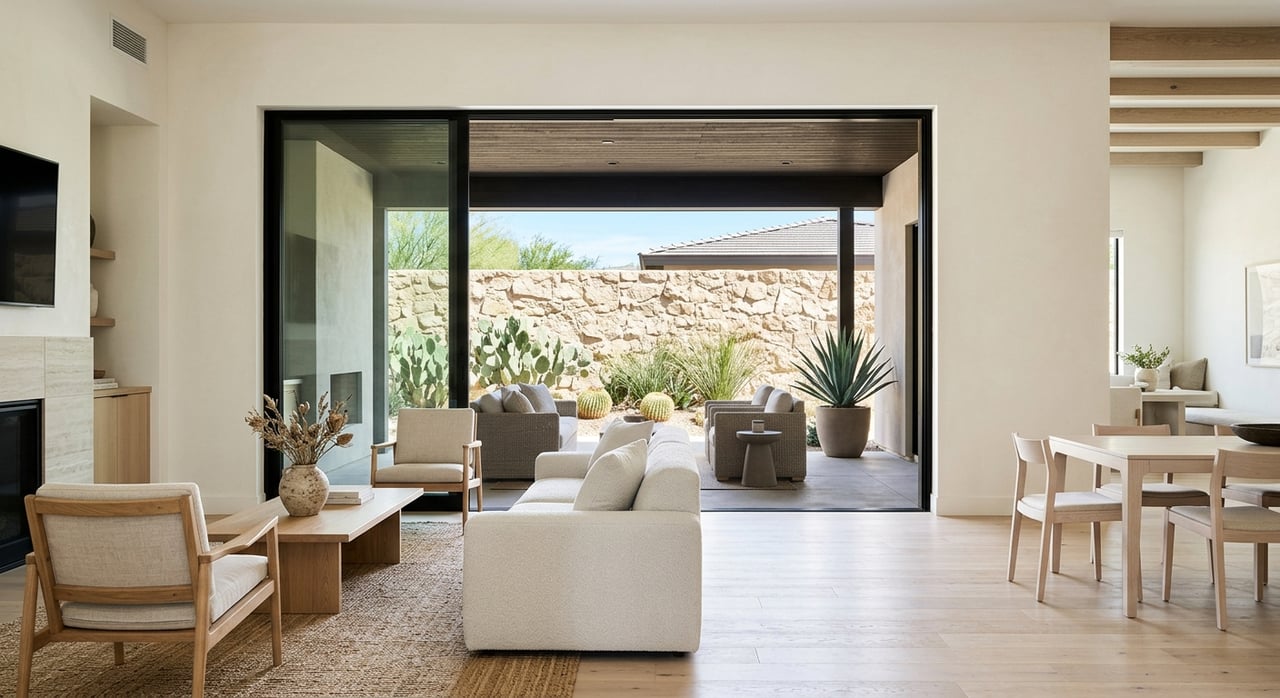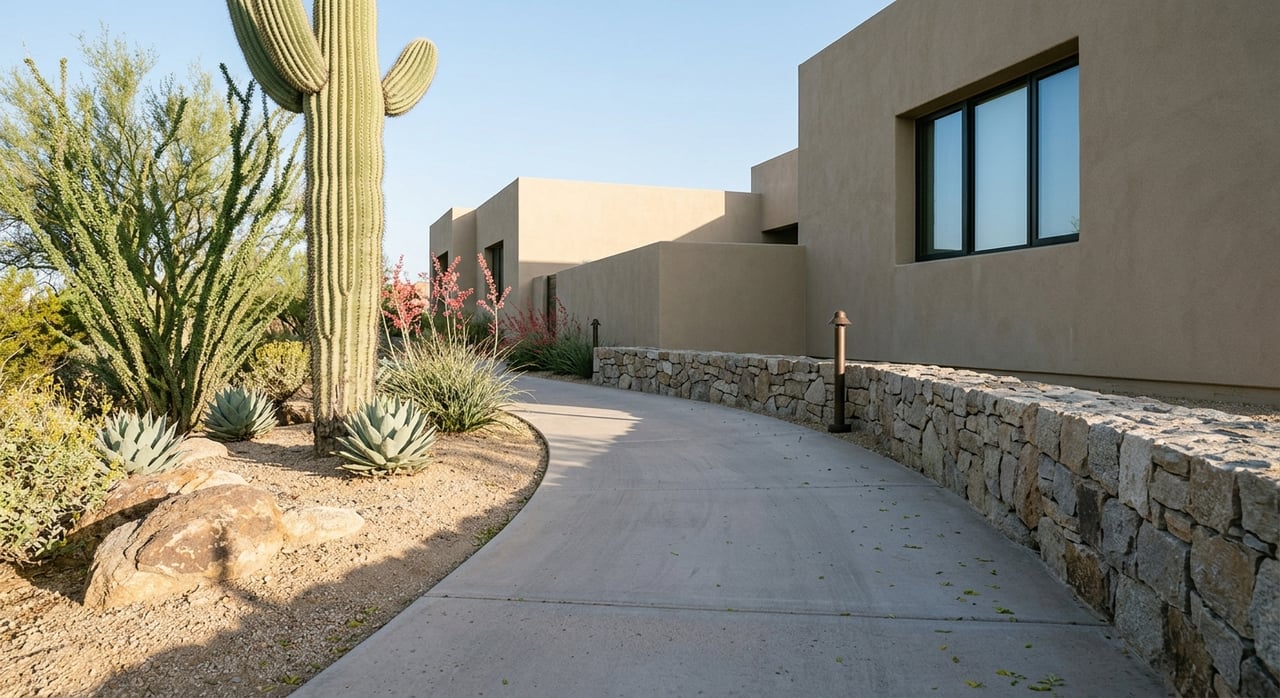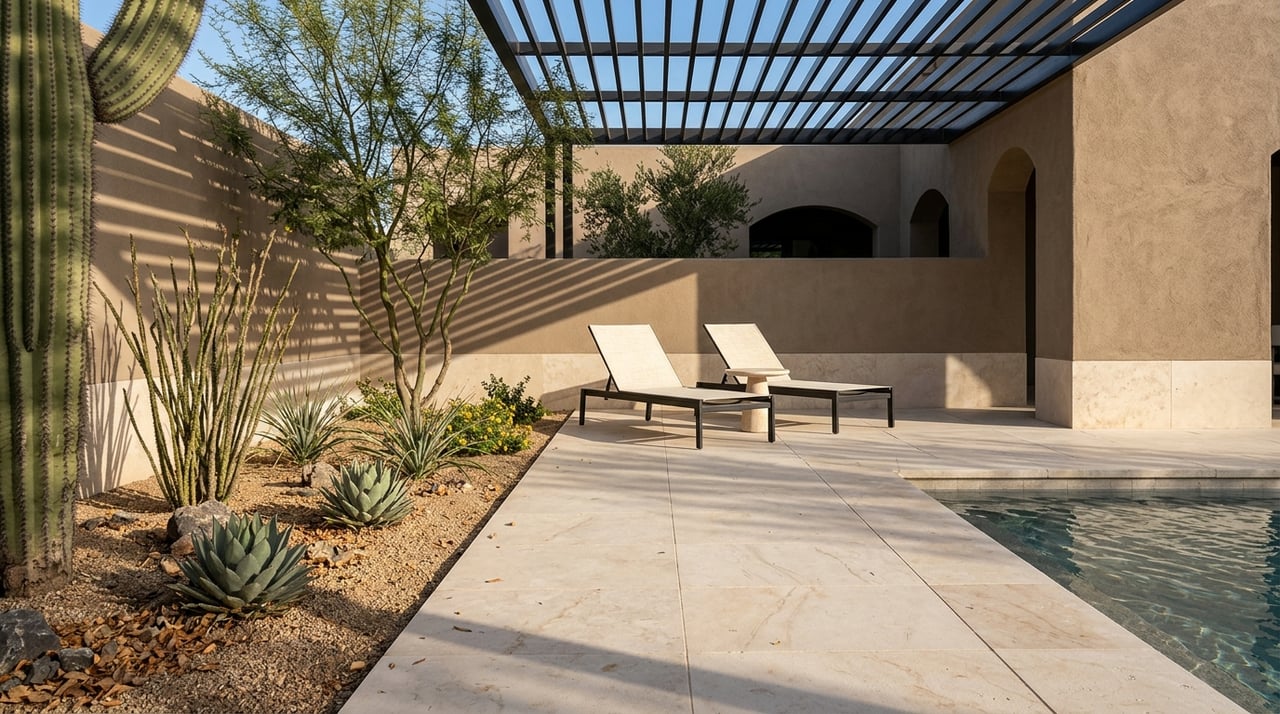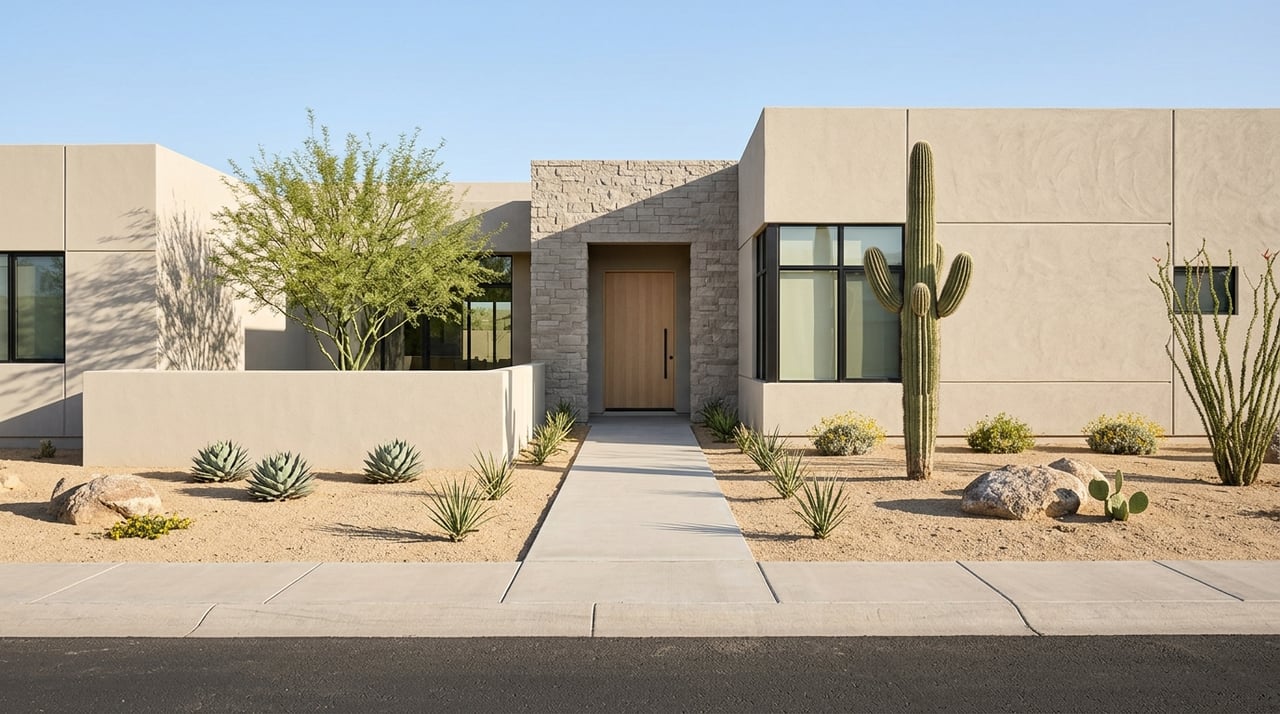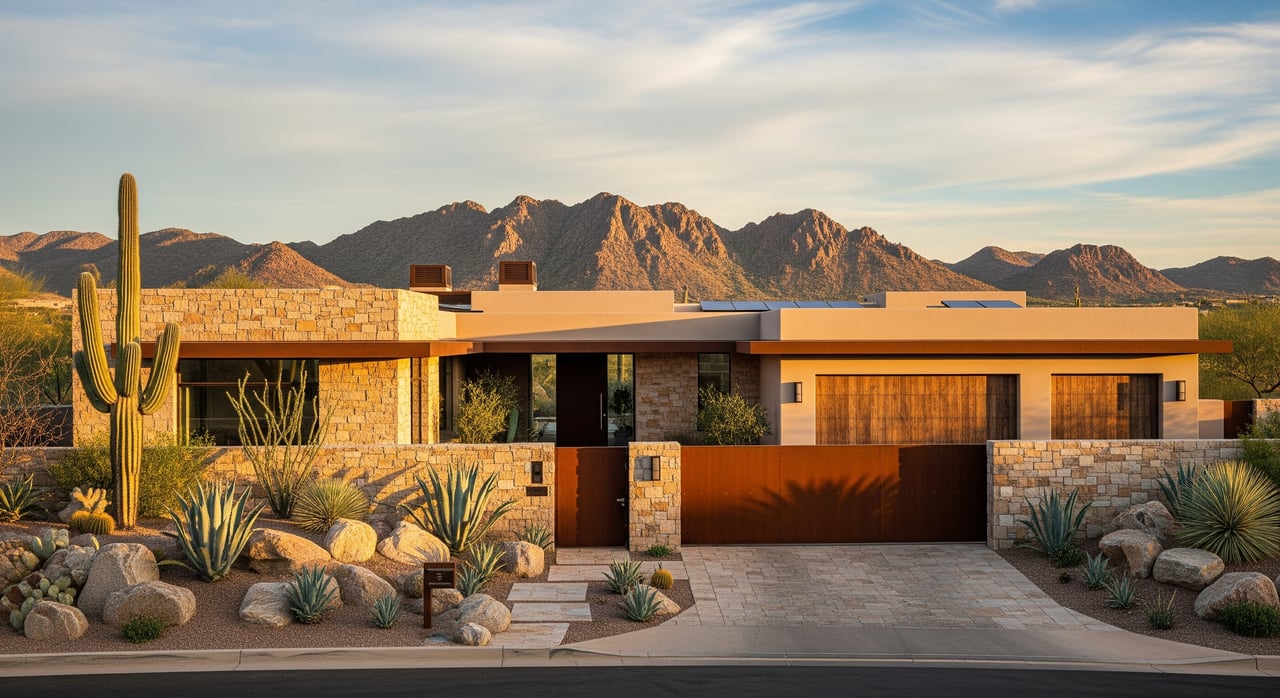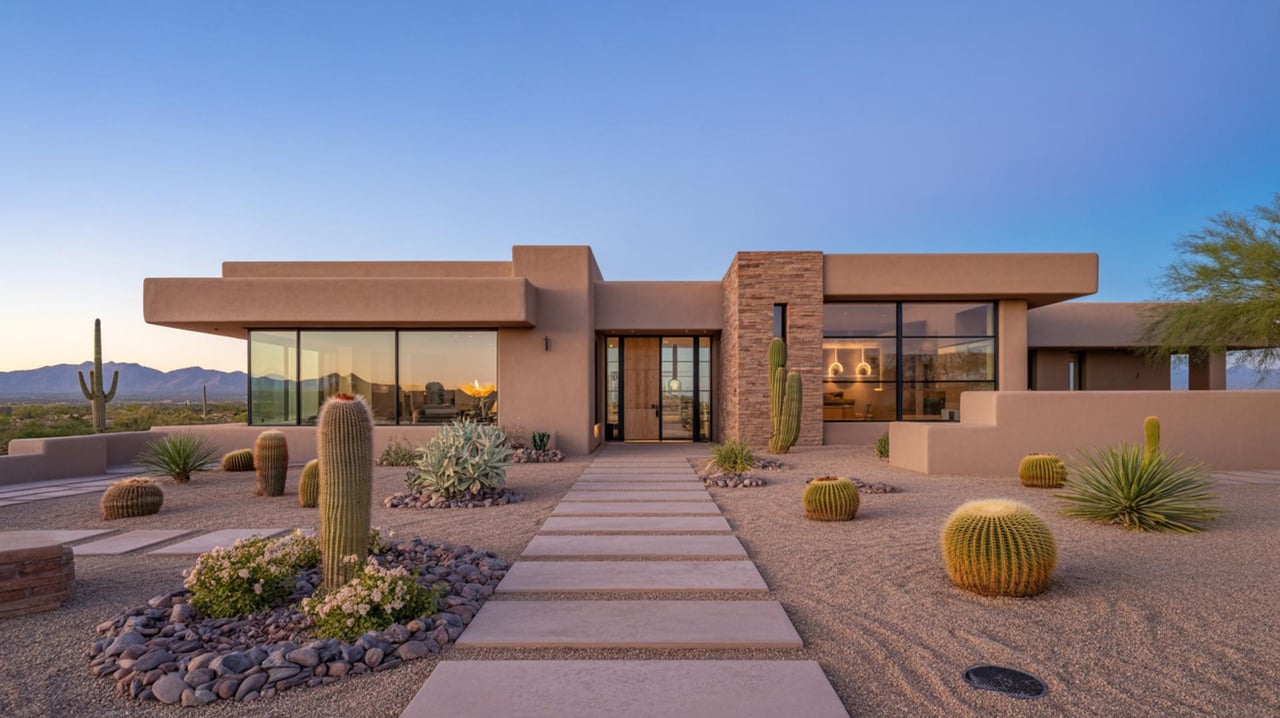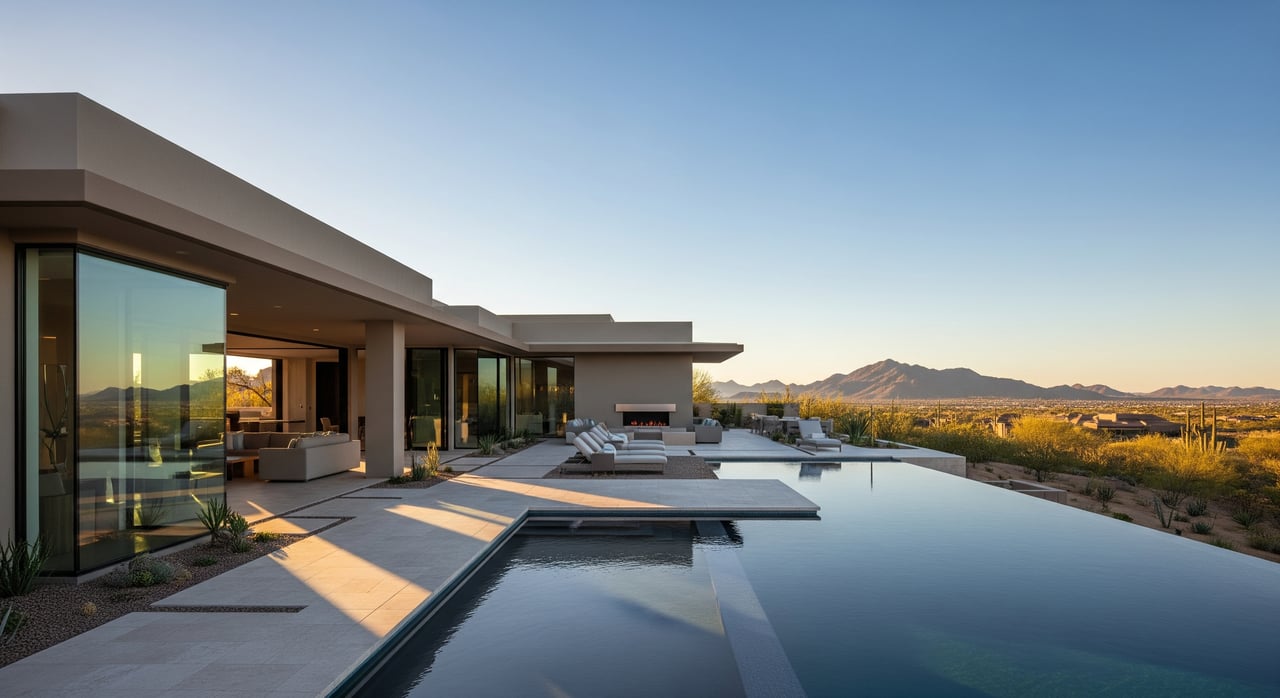
Is your backyard’s sun exposure going to make summer evenings a joy or a struggle? In McDowell Mountain Ranch, the way a lot faces can shape your daily comfort, energy bills, and even resale appeal. You want shade when it matters, sun where it counts, and a home that fits the North Scottsdale lifestyle.
In this guide, you’ll learn how north and south exposure play out in our desert climate, how to plan for energy and solar, and what to look for when comparing lots. You’ll also get practical tools and a buyer checklist so you can choose with confidence. Let’s dive in.
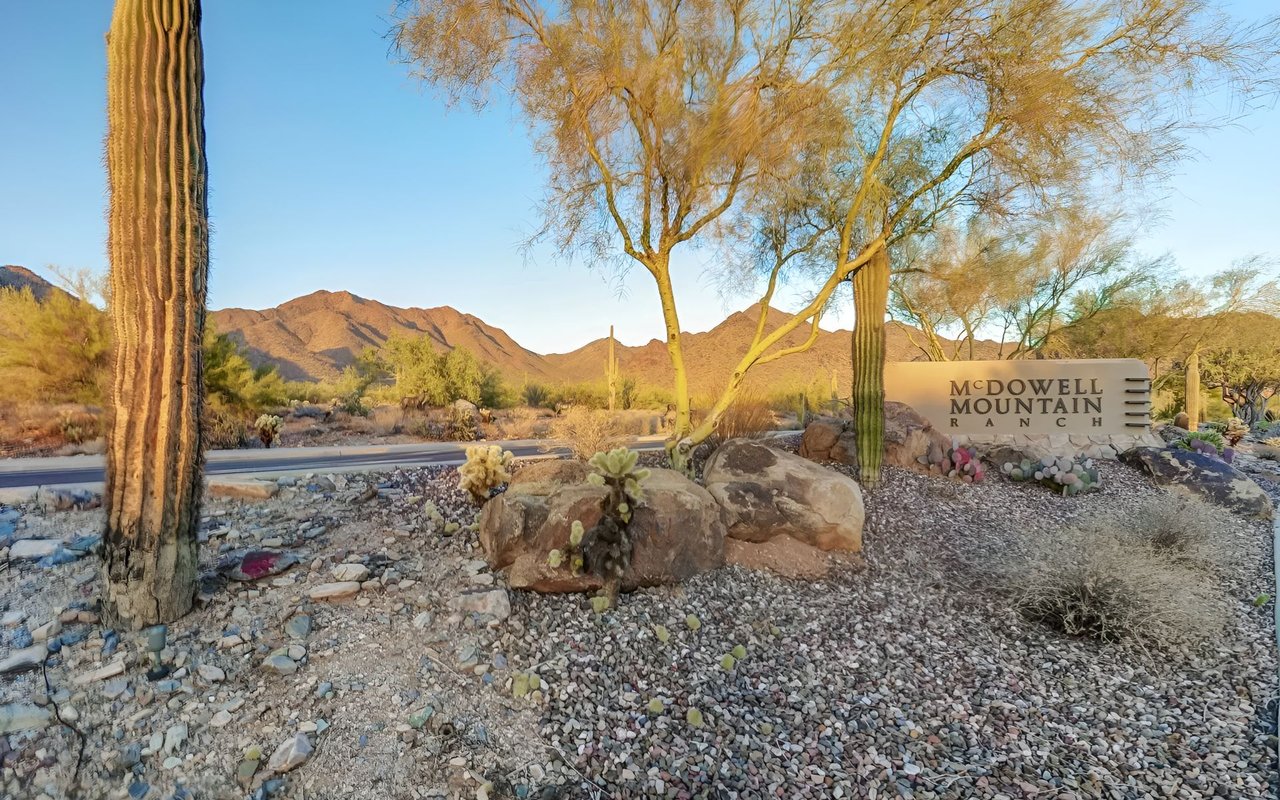
Why orientation matters here
McDowell Mountain Ranch sits in North Scottsdale near latitude 33.4° N. That location sets your sun path. Around the summer solstice, the sun is very high at midday, roughly 80 degrees overhead. At the equinoxes, it is about 56.5 degrees, and around the winter solstice, it drops to about 33 degrees at noon. You can visualize this using the NOAA solar calculator.
Here’s what that means for everyday living:
- Summers are long and hot. Late-afternoon sun from the west is intense and lingers into the evening.
- Winters are mild with lower southern sun. South-facing surfaces receive more sun when it is cooler outdoors.
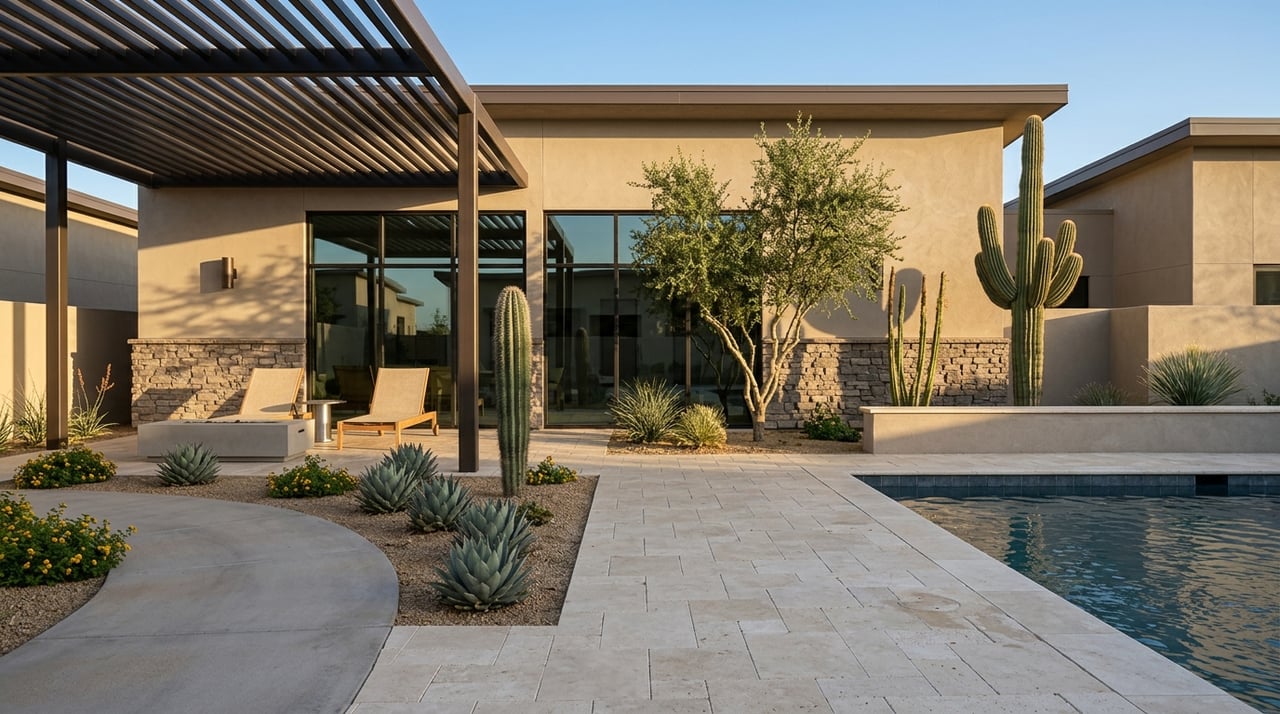
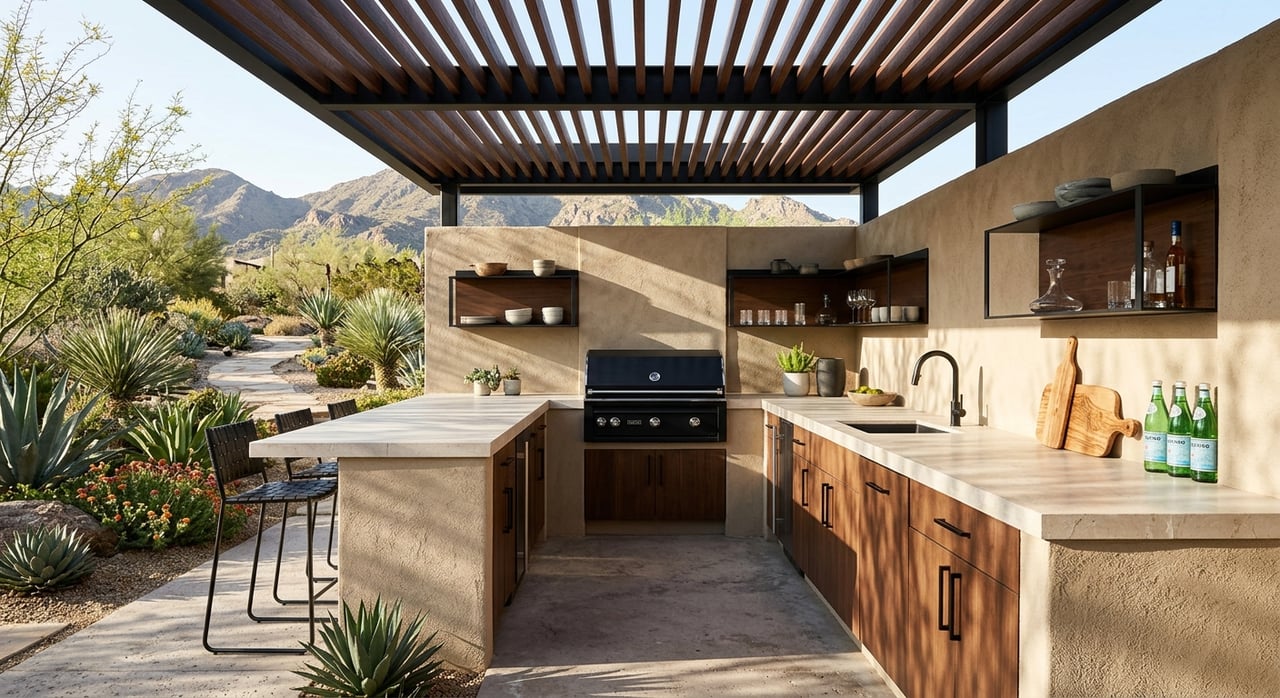
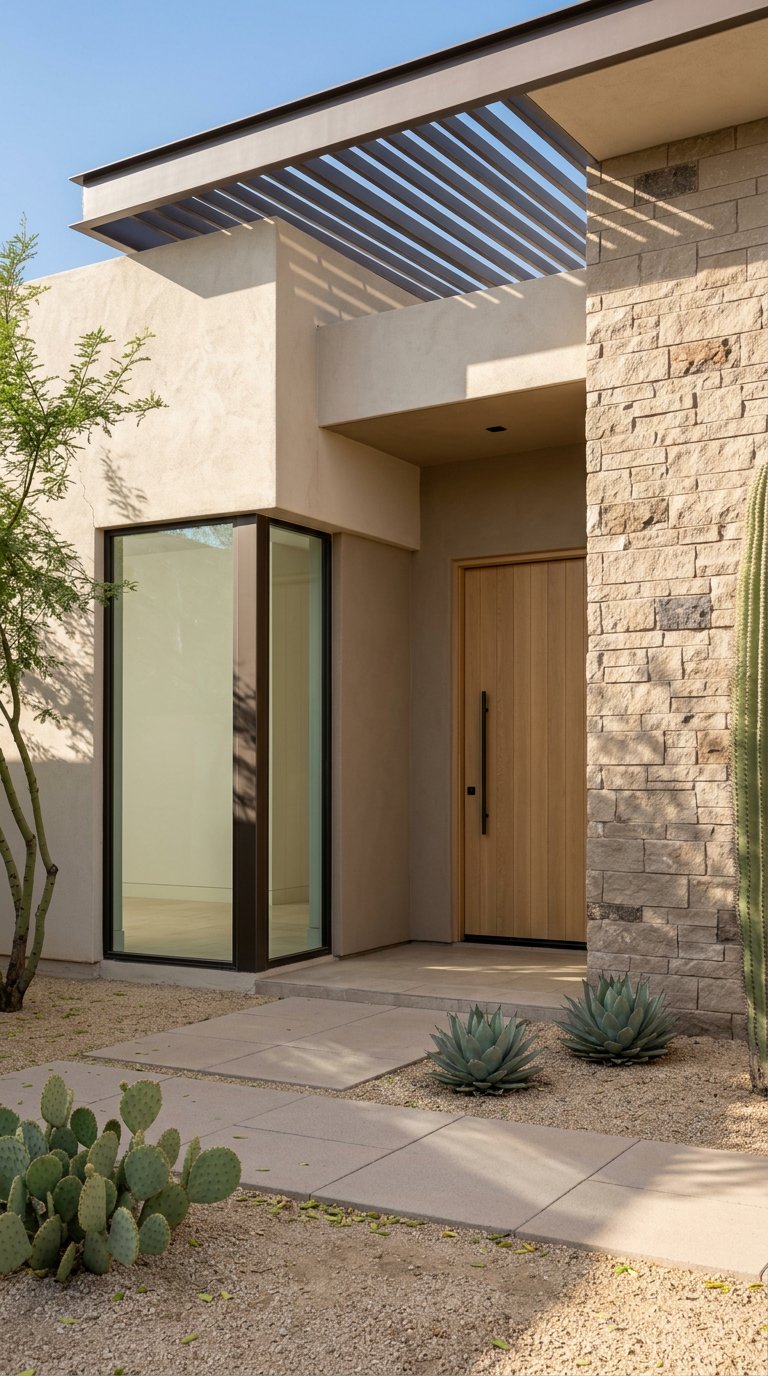
- Horizontal shade, like deep eaves and pergolas, blocks high summer sun well. Vertical shade, like screens or trees, helps with low morning or evening sun.
In short, orientation influences your indoor cooling load, your patio comfort, and where a pool or garden will work best.
North vs. south exposure basics
North-facing yards and rooms
A north-facing backyard receives the least direct sun overall. In summer, patios and sliding doors on the north side often stay cooler and more usable later into the day. North-facing windows also take on less direct solar heat, which helps trim cooling demand. The trade-off is less direct winter sun, which some people prefer for shade and glare control.
South-facing yards and rooms
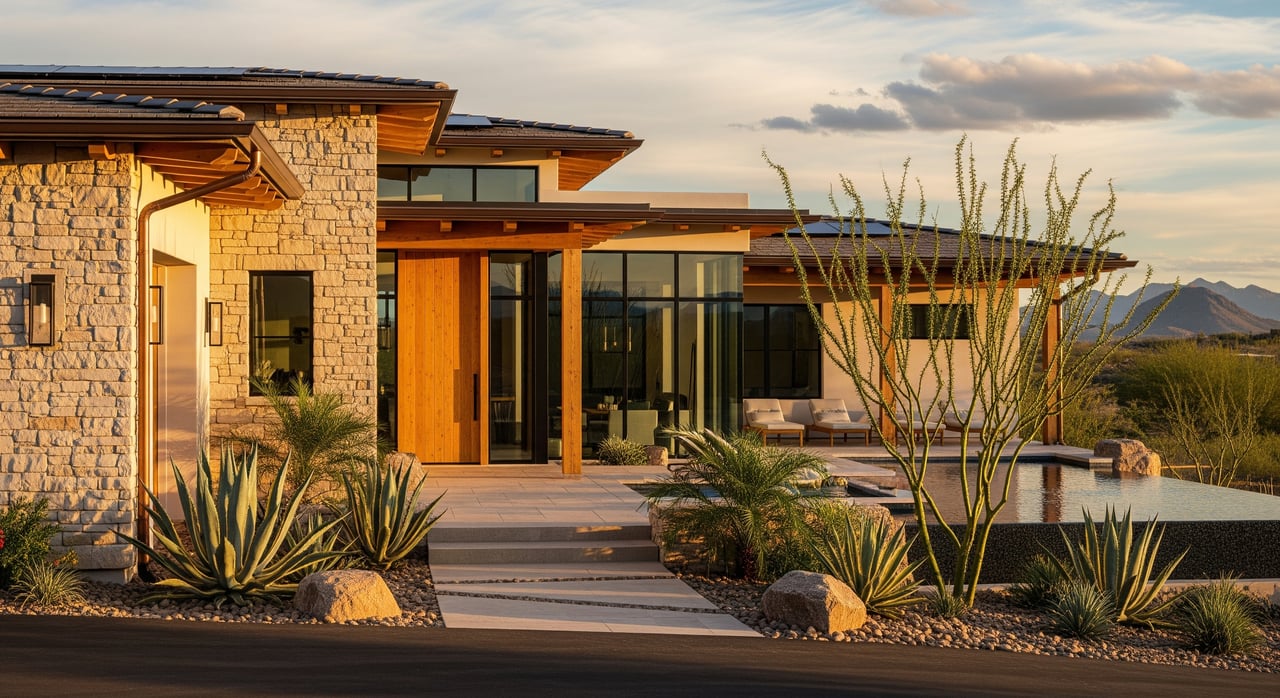
A south-facing backyard gets more total sun over the year. That is helpful for wintertime warmth and sun-loving features like pools and vegetable beds. South roof planes are also strong candidates for solar PV. The summer downside is higher daytime heat on the house and yard unless you add proper shading and light-colored finishes.
East and west factors
- East exposure brings gentle morning sun and afternoon shade. Daytime use can feel comfortable even in warmer months.
- West exposure takes on late-day sun. In our climate, that is the harshest heat and can keep patios and rooms warm well into the evening. West-facing glass needs strong shading.
Energy and solar PV considerations
Cooling dominates energy use for most Phoenix-area homes. Orientation that limits summer heat gain reduces AC runtime and peak demand. The U.S. Department of Energy offers practical design guidance for passive solar and efficient cooling strategies. Explore the DOE’s resources on passive solar home design and cooling your home.
If solar PV is on your wish list, south-facing roof planes near the optimal tilt typically deliver the highest annual production. West-facing arrays often produce strong late-afternoon output that aligns with peak cooling times, though annual totals may be slightly lower. You can estimate system performance for a specific address using NREL’s PVWatts calculator.
Helpful solar checks when you tour a home:
- Look for roof planes facing south or west with minimal shading from trees or nearby homes.
- Ask for 12 months of utility bills to understand cooling loads.
- If a system exists, request ownership details and production logs, plus any shading analysis.
- Consider “cool roof” materials and light exterior colors to reduce heat absorption.
Outdoor living and landscaping
Your yard orientation shapes how you actually use your outdoor space:
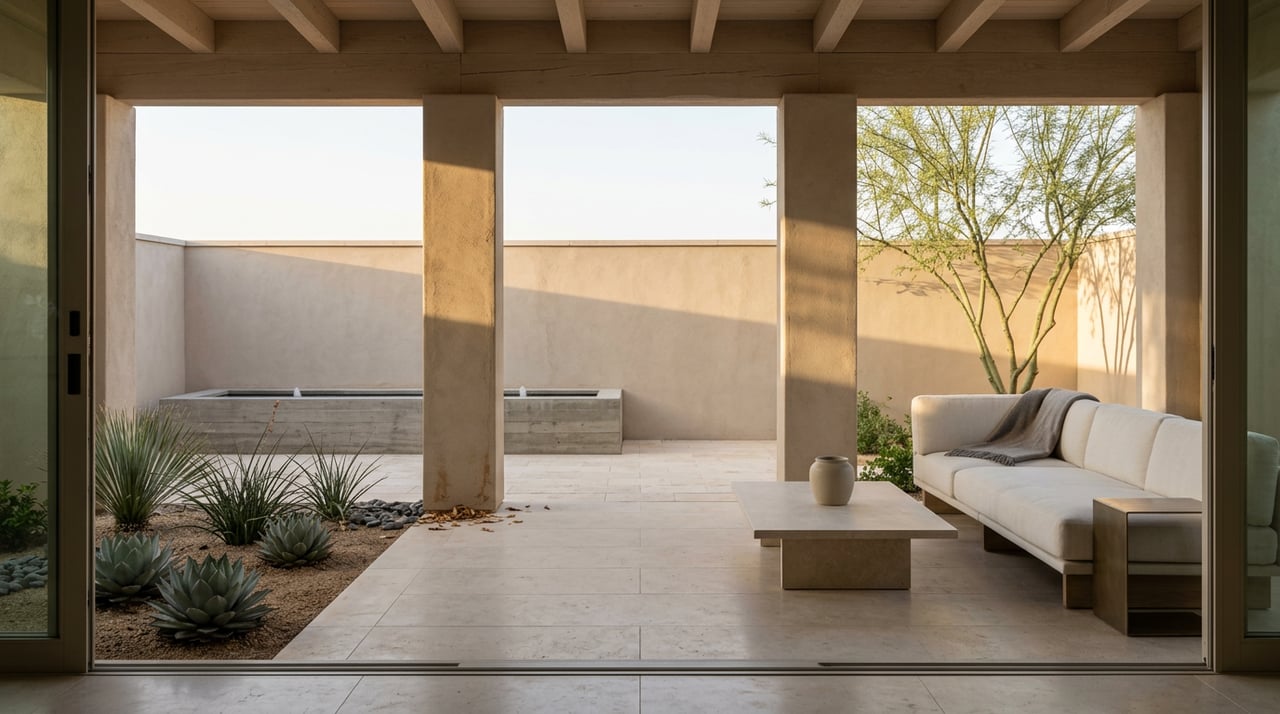
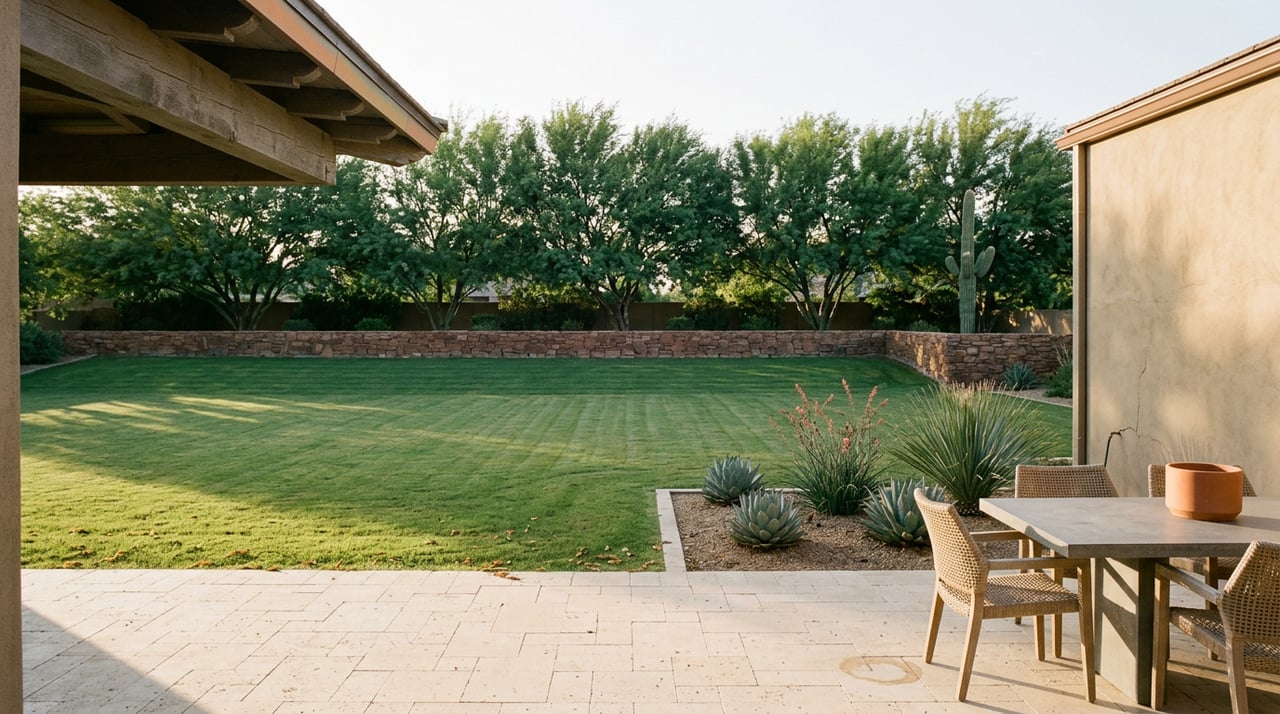
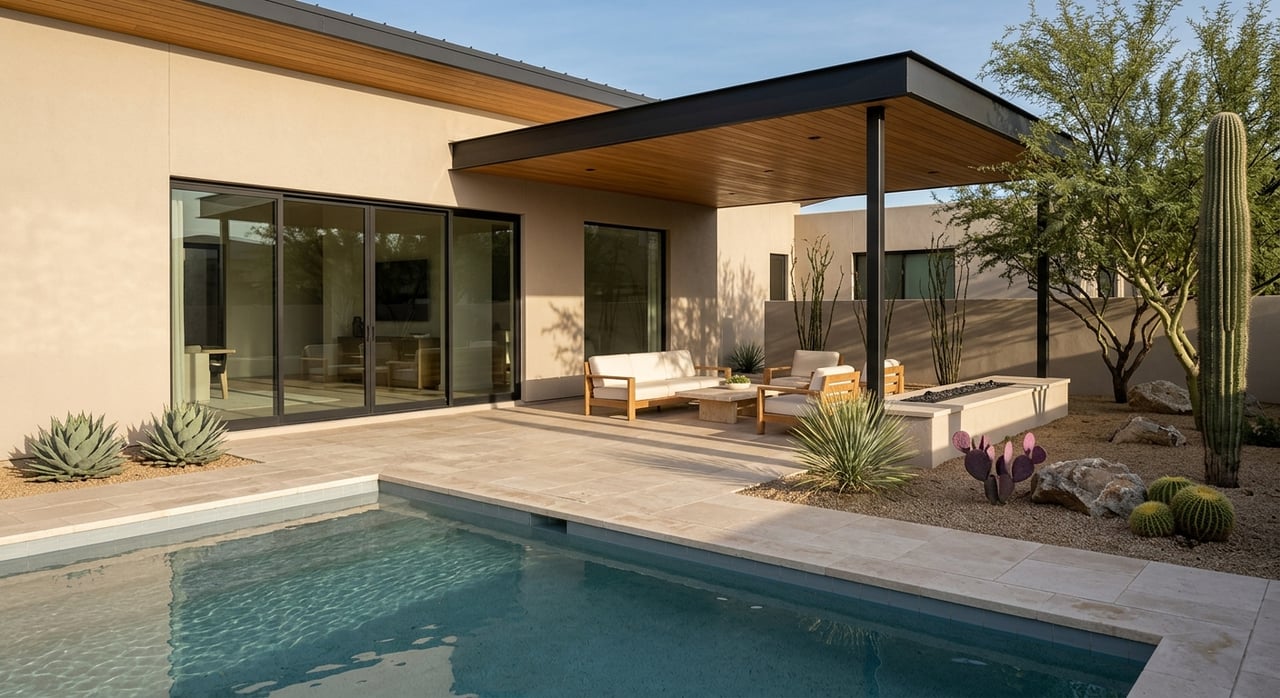
- North or east backyards are often more comfortable for summer evenings and casual entertaining.
- South backyards excel for winter sun, pool heating, and sun-loving gardens.
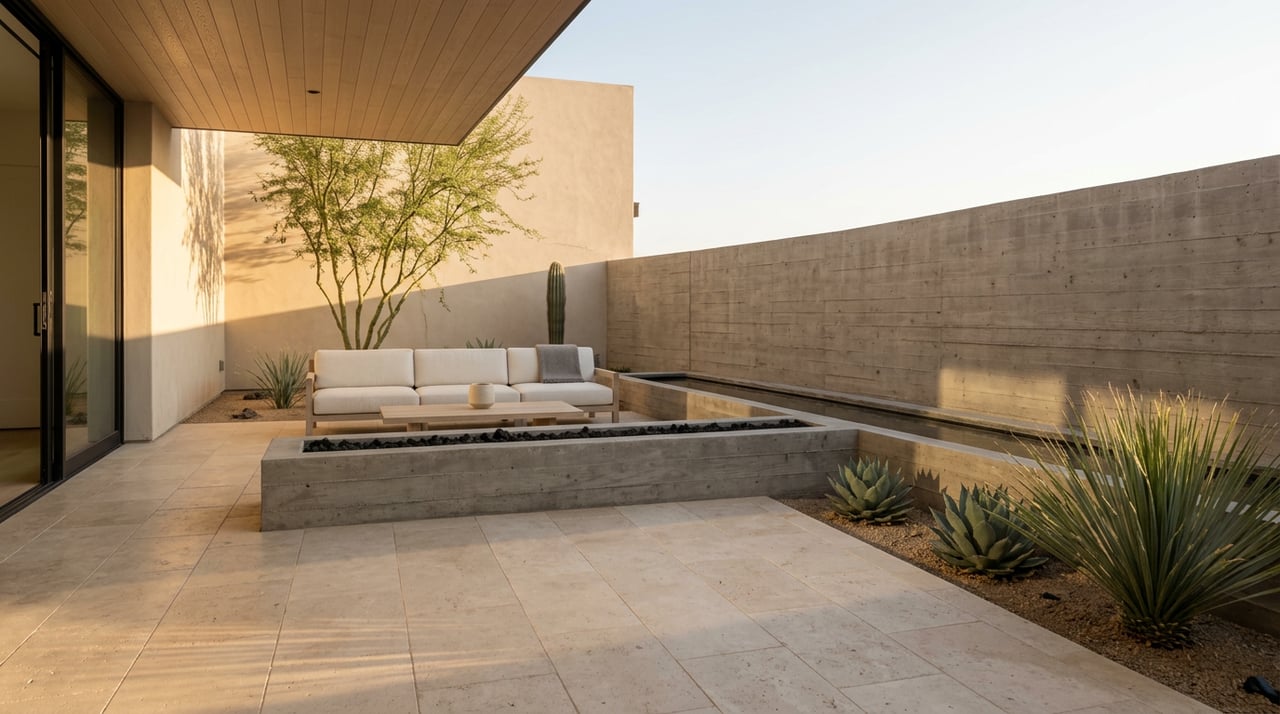
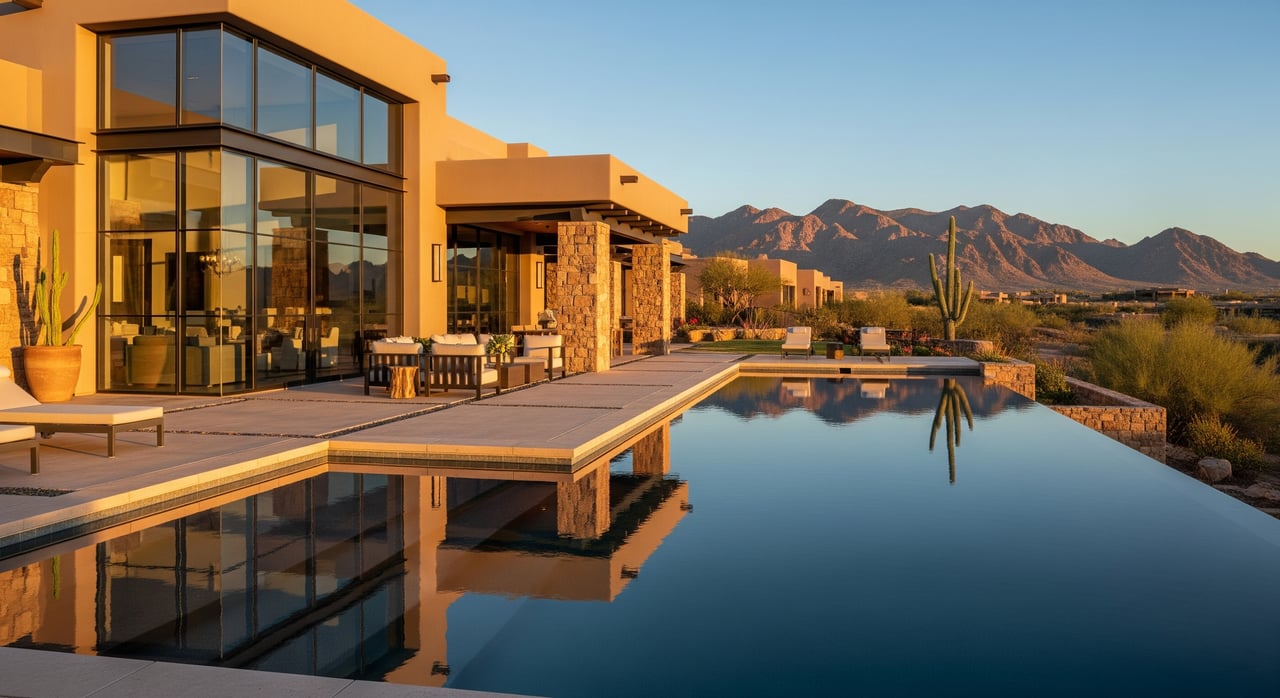
- West patios usually need vertical shade screens, deep overhangs, or strategically placed trees to improve comfort.
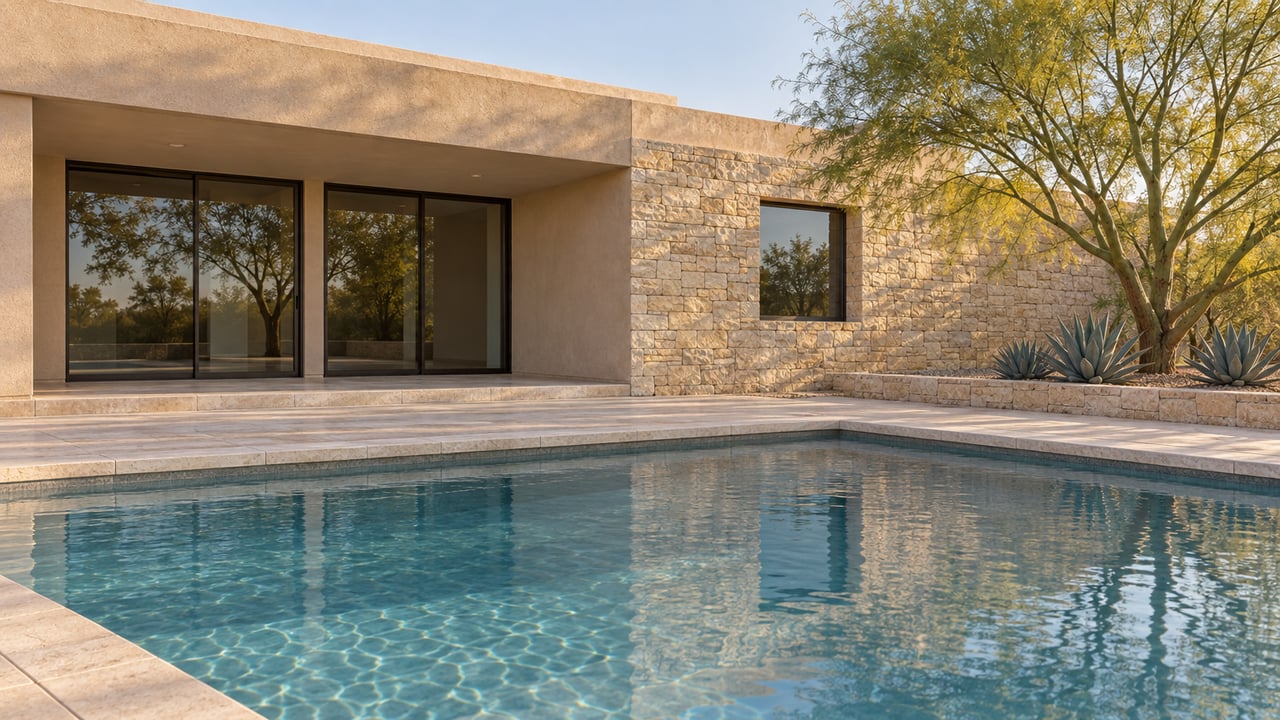
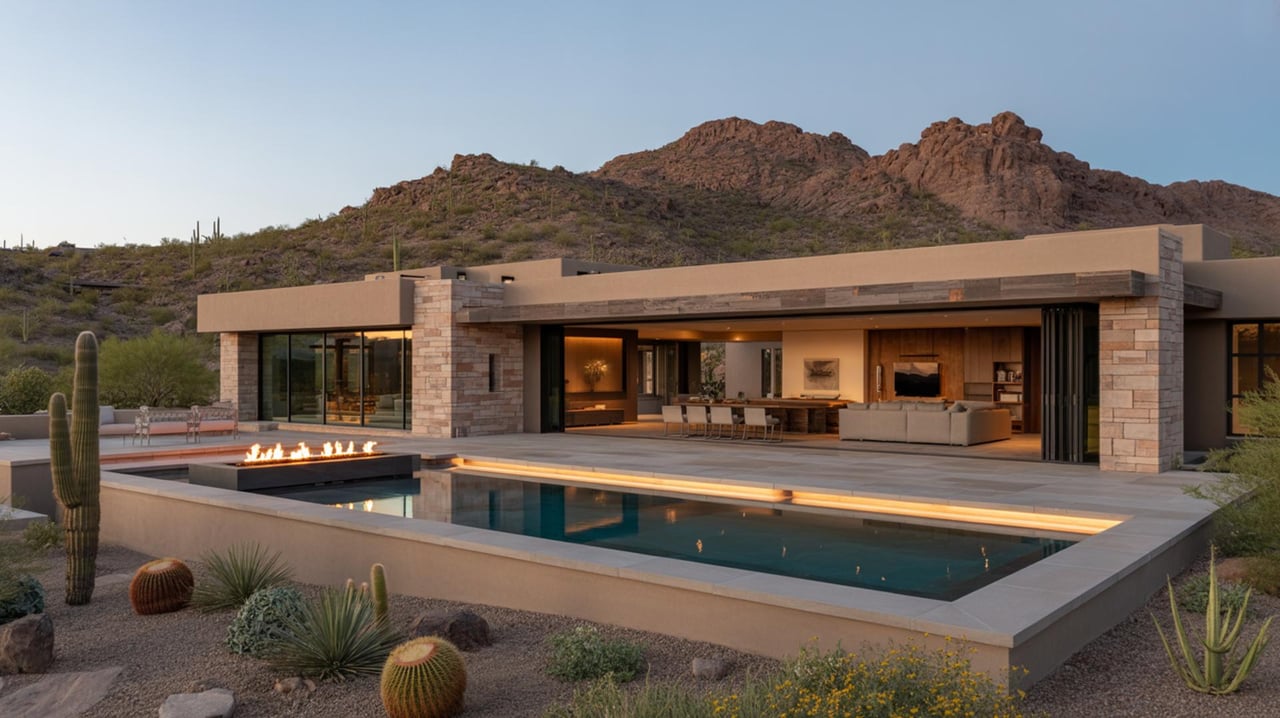
Pools warm faster with south exposure due to overall sun and can gain late-day heat with west exposure. Plan for wind and dust during monsoon season, which can move furniture, stress shade structures, and increase cleaning needs for solar panels. Native, drought-tolerant plantings and well-placed shade trees can lower ambient temperatures and reduce irrigation needs.
Pro tip: deciduous trees east or west of a patio can block low-angle summer sun while allowing more winter sun. Many desert-friendly species are evergreen, so choose based on the shade pattern you want and wind resistance during storms.
Resale, HOA, and permits
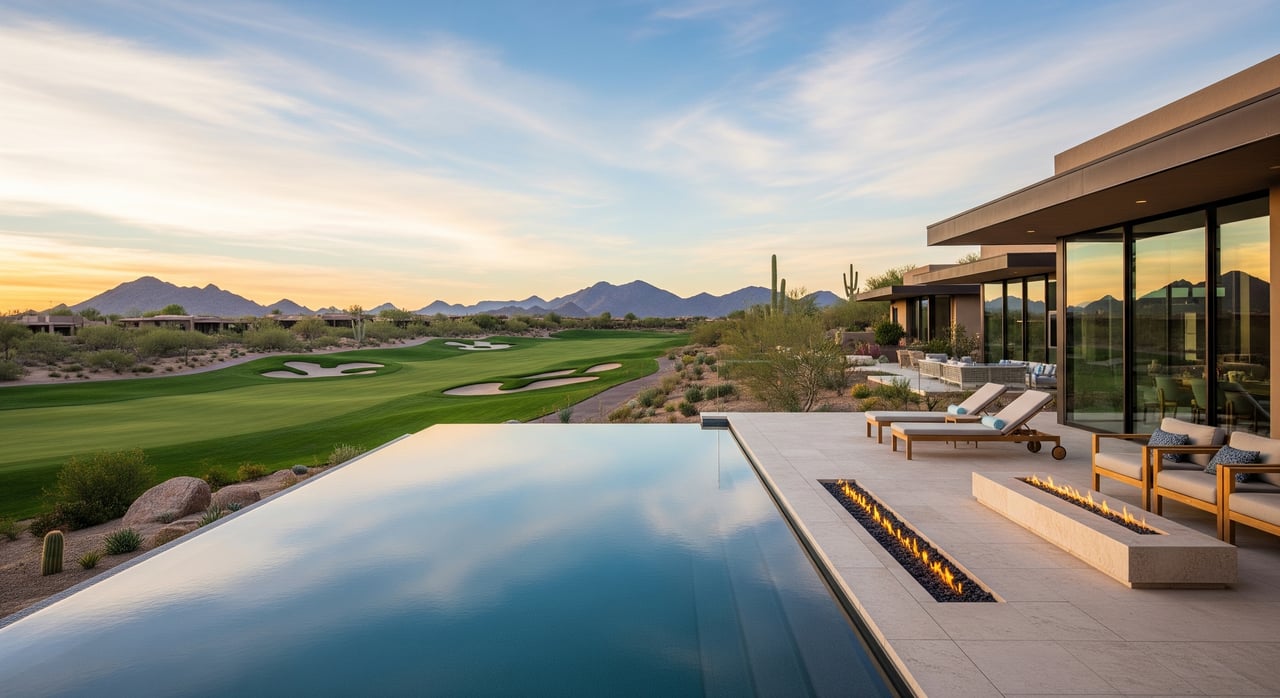
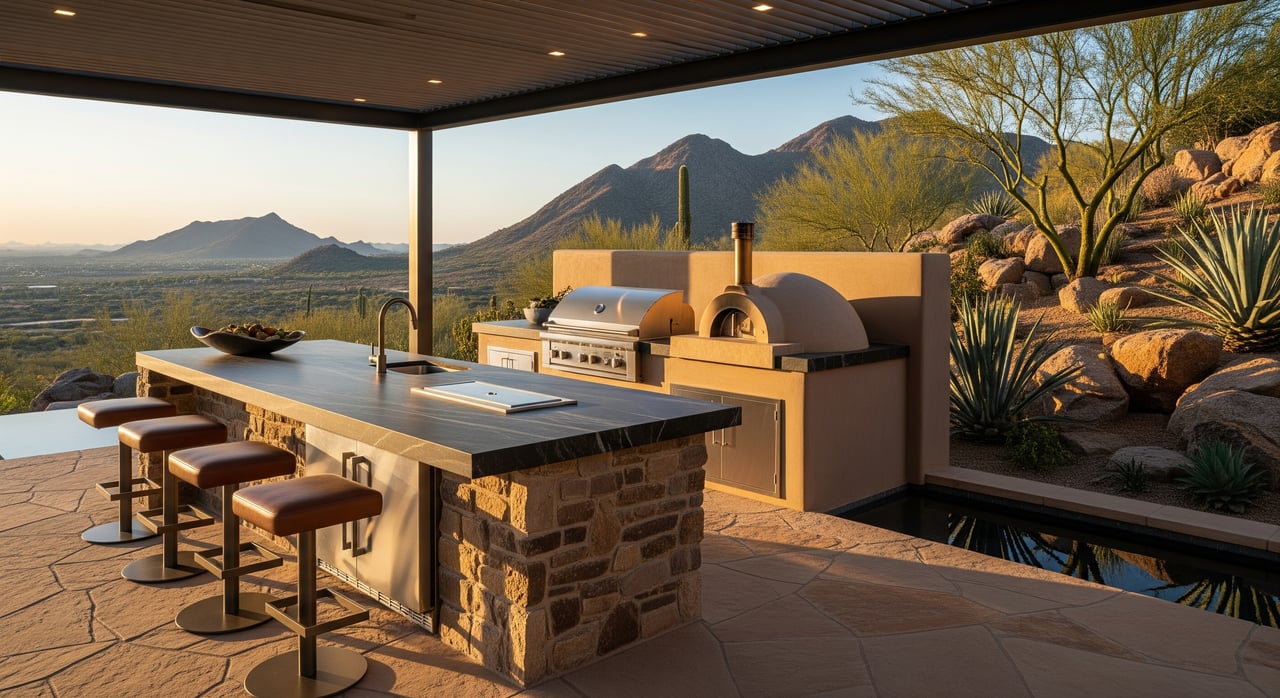
In North Scottsdale, buyers value both views and year-round outdoor living. A home that blends a strong view with a shaded, usable patio often attracts broader interest. Orientation can affect both. For example, a west-facing view might be stunning at sunset but require stronger shading to offset late-day heat.
If you plan improvements, review the HOA’s CC&Rs and architectural guidelines early. Many exterior changes, like pergolas, screens, solar panels, new hardscape, or major grading, need approval. For permits, check the City of Scottsdale’s Planning and Development Services for setbacks, pool and barrier requirements, shade structures, and grading. If the parcel falls under county jurisdiction, start with Maricopa County Planning and Development. Electrical permits and utility interconnection for PV are separate processes, so confirm requirements before you commit.
When preparing for resale, buyers tend to respond well to:
- Usable shaded patio space and established trees
- Properly shaded west-facing windows and doors
- Well-designed drainage, retaining walls, and level areas for outdoor living
- Clear documentation for any permits, HOA approvals, and solar ownership
How to compare two lots
Use this quick, on-site checklist to make an informed decision:
- Sun and timing tests: Visit morning, mid-afternoon, and late afternoon in summer. Note where sun hits patios, key rooms, and pool areas between 4 and 6 PM.
- Orientation and views: Identify which way the backyard, main patio, and primary living spaces face. Weigh view quality against outdoor comfort.
- Energy and solar: Ask for a year of utility bills. If PV exists, request production records and ownership details. Check roof orientation and any shade from neighboring homes or trees.
- Landscape and drainage: Look for proper grading that directs water away from the house. Note tree maturity, root proximity, and potential shading of future solar.
- HOA and permits: Request CC&Rs and architectural guidelines early. Confirm permits for pools, patios, shade structures, retaining walls, and any additions.
- Interview the seller or listing agent: Which rooms get late sun? Any history of high cooling bills or recent HVAC replacements? Any planned nearby development that could alter shade, views, or privacy?
Make orientation work for you
There is no single “right” exposure. It depends on how you live. If evenings on the patio are your priority, a north or east backyard can shine. If winter sun and maximum solar potential top your list, south exposure can be a great fit with the right shading plan. In McDowell Mountain Ranch, the best outcomes come from balancing shade and views with smart, climate-aware design.
If you want a second set of eyes, we are happy to walk lots with you, test sun angles, and review utility and PV documents so you know exactly what you are buying. Reach out to the Mattisinko Group to compare options, plan improvements, or get a Free Home Valuation.
FAQs
What does a north-facing backyard mean in McDowell Mountain Ranch?
- It typically means more shade in summer and less direct afternoon heat, which can make evening outdoor time more comfortable and reduce cooling loads.
Is south exposure better for solar panels in North Scottsdale?
- Yes, south-facing roof planes near the optimal tilt usually produce the highest annual PV output, while west-facing arrays can boost late-afternoon production.
How does west-facing glass affect cooling in Phoenix-area homes?
- West-facing windows receive intense late-day sun that raises indoor temperatures and peak AC use unless shaded with vertical screens, overhangs, or trees.
Do I need HOA approval for shade structures in McDowell Mountain Ranch?
- Most exterior additions, including pergolas, screens, and major hardscape, require HOA review and city or county permits, so check CC&Rs and local rules early.
What should I verify for a home with existing solar PV in Scottsdale?
- Ask for production logs, system ownership documents, utility interconnection details, and a shading analysis to confirm performance and transferability.