If you love mountain views, indoor–outdoor living, and a sense of calm that fits the Sonoran Desert, DC Ranch will feel like home. Choosing a style you love is a smart way to focus your search and understand layout, maintenance, and remodeling needs before you tour. In this guide, you’ll learn the core architectural styles in DC Ranch, where they tend to appear, the features to watch for in listing photos, and what to know about HOA design review. Let’s dive in.
Why DC Ranch homes look this way
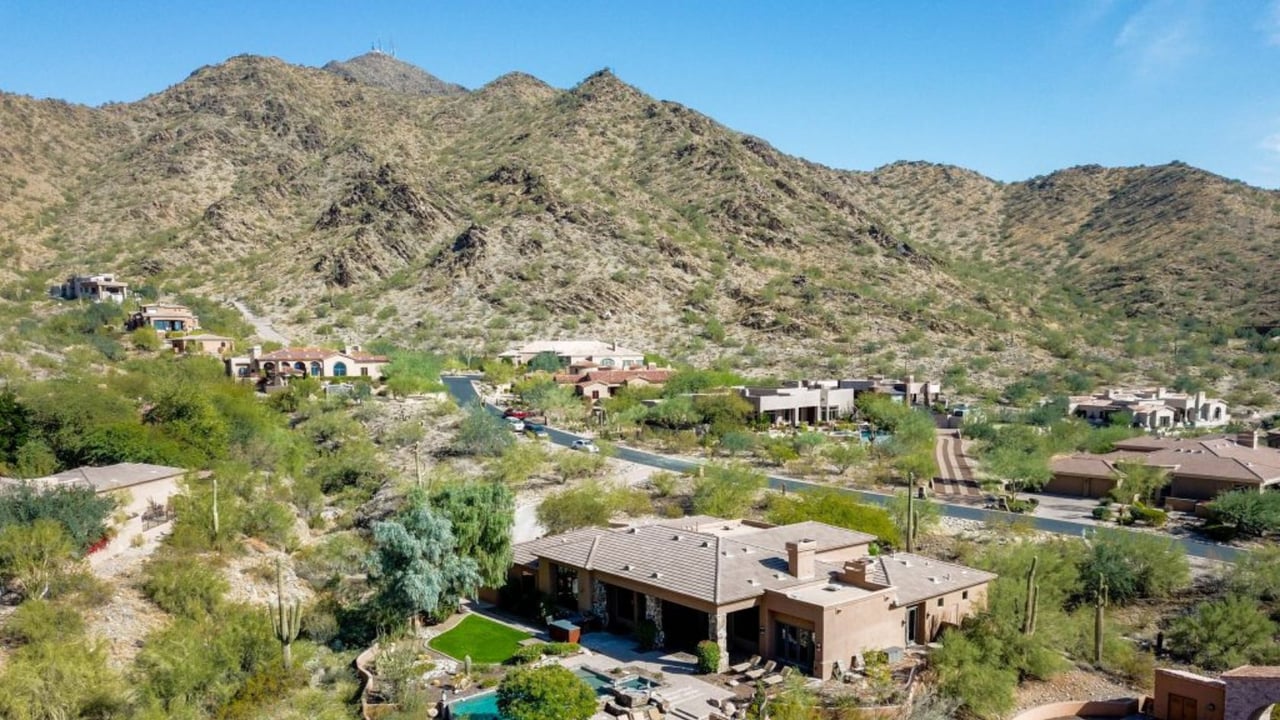
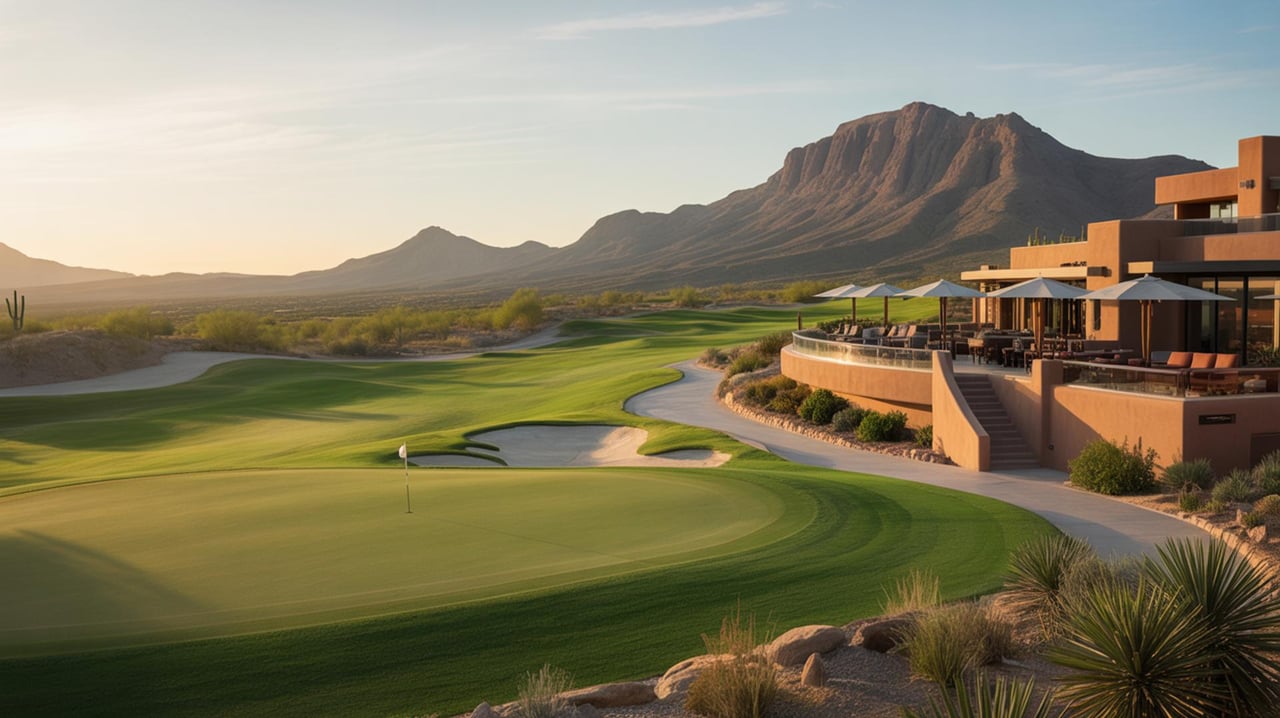
DC Ranch did not happen by accident. The community grew from a master plan that protected open space and aligned streets and lots with the land’s natural contours. That intent shows up in daily life through framed mountain views, preserved desert foregrounds, and homes that sit softly in the landscape. You can see the planning approach in the overview of the DC Ranch master plan and open space commitments.
The community also maintains a clear design framework. Exterior changes, visible landscape work, lighting, and new builds move through published DC Ranch Standards & Guidelines and a formal design review. That structure protects neighborhood character and view corridors, which helps long-term value.
Finally, landscaping follows the desert’s lead. Water-wise planting and xeriscape palettes are the norm, supported by Arizona water-wise landscaping guidance. Expect shaded outdoor rooms, native trees that cool patios, and low-water plants that thrive in full sun.
The big three styles in DC Ranch
Desert contemporary and desert modern
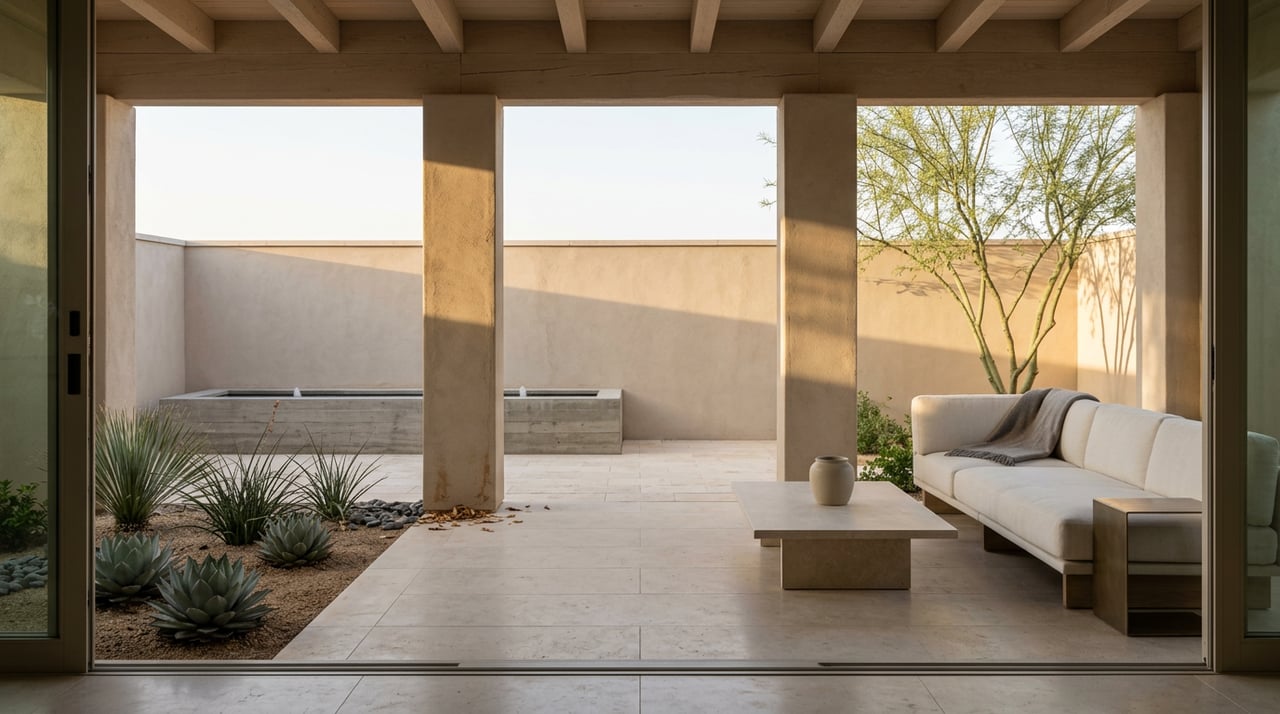
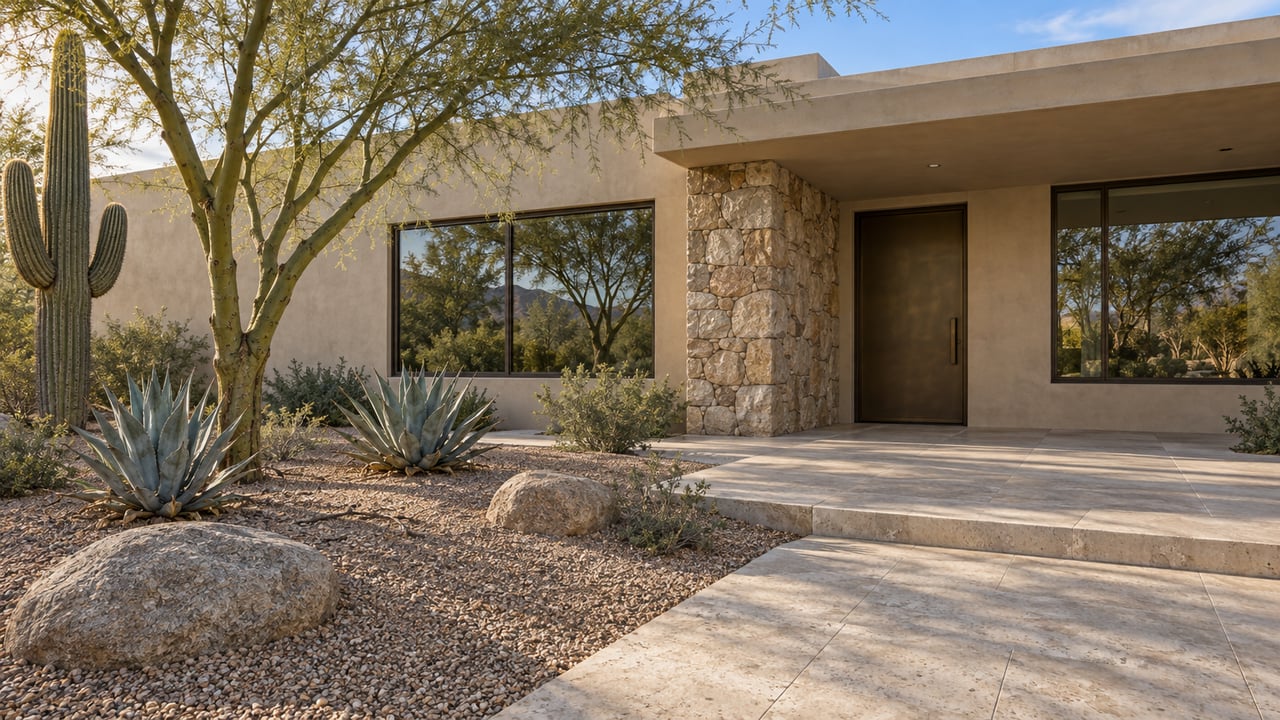
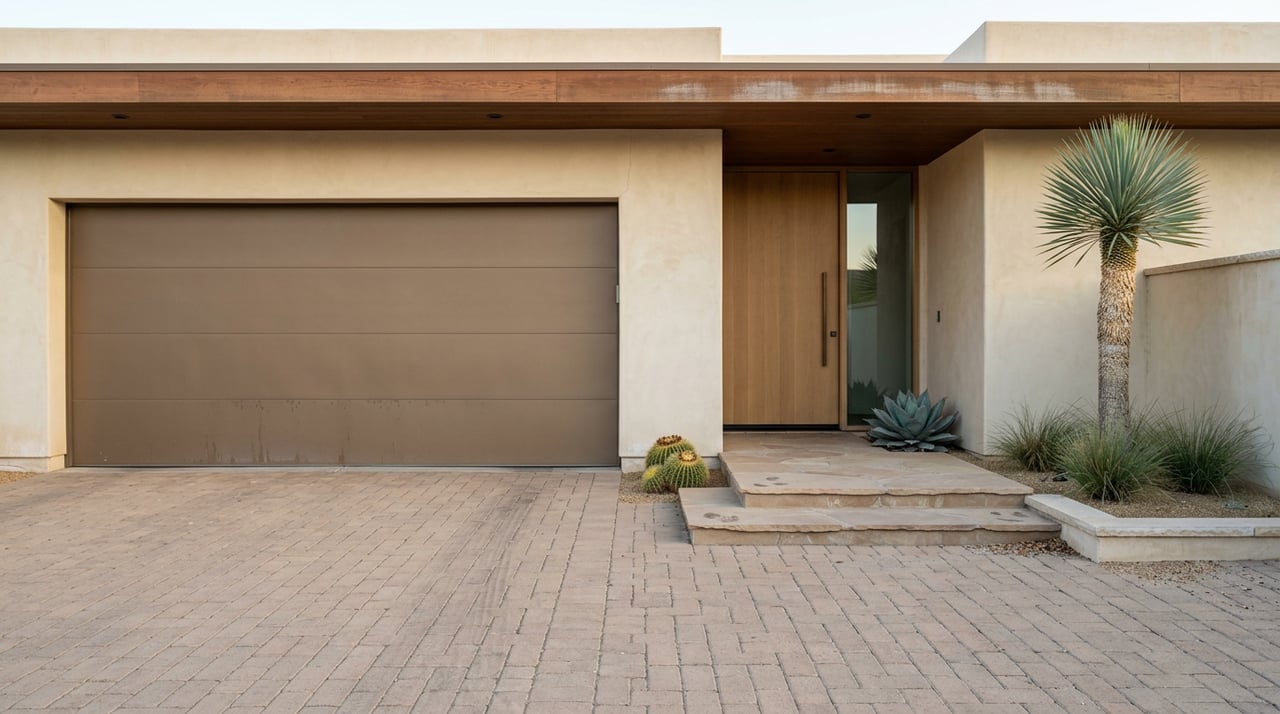
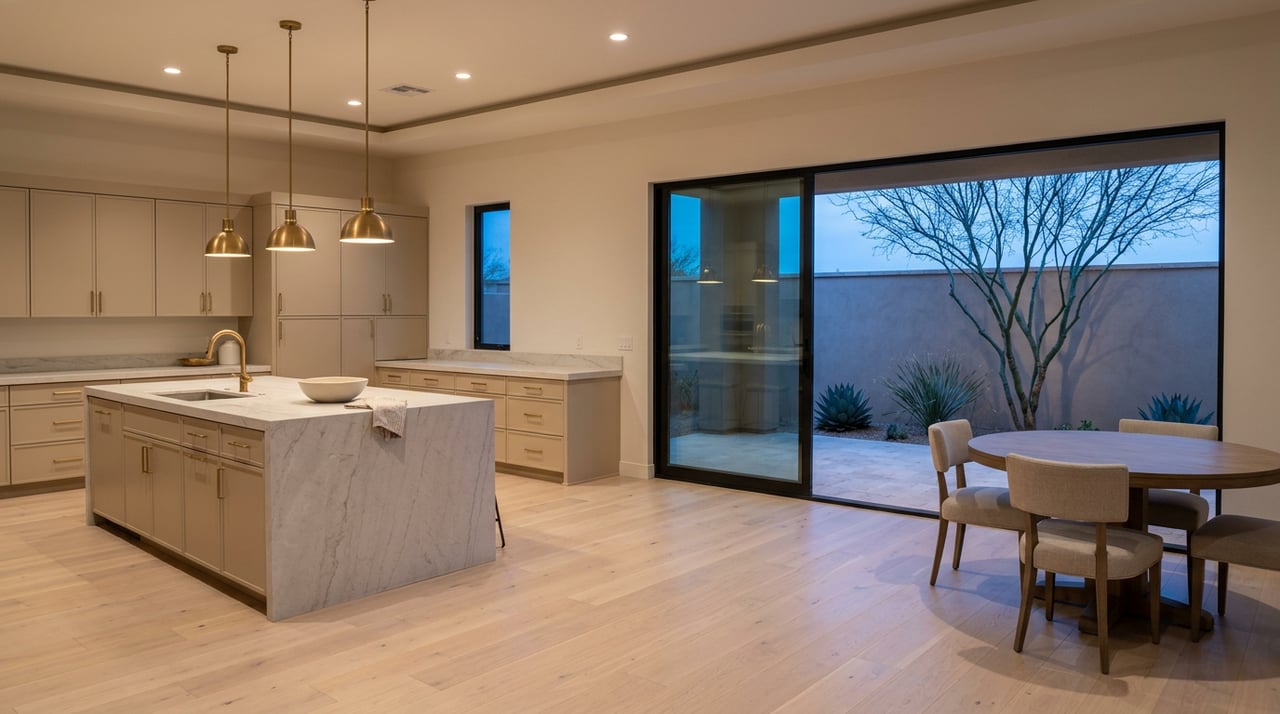
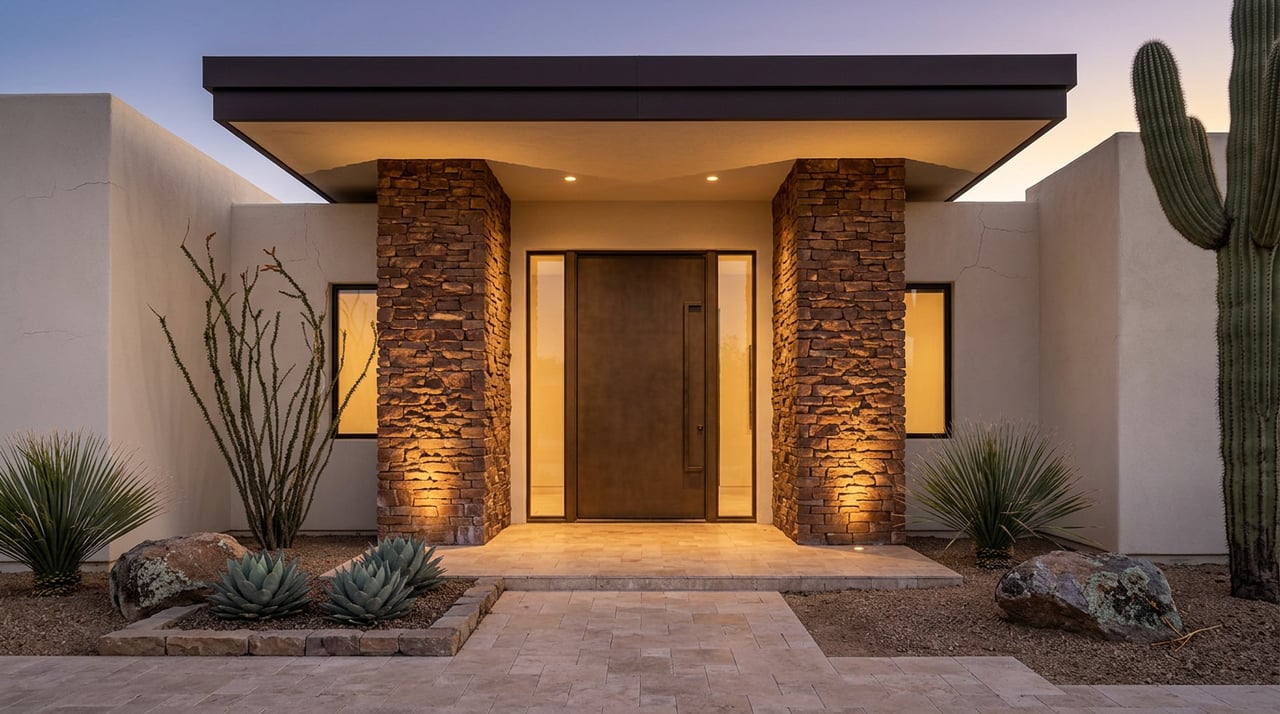
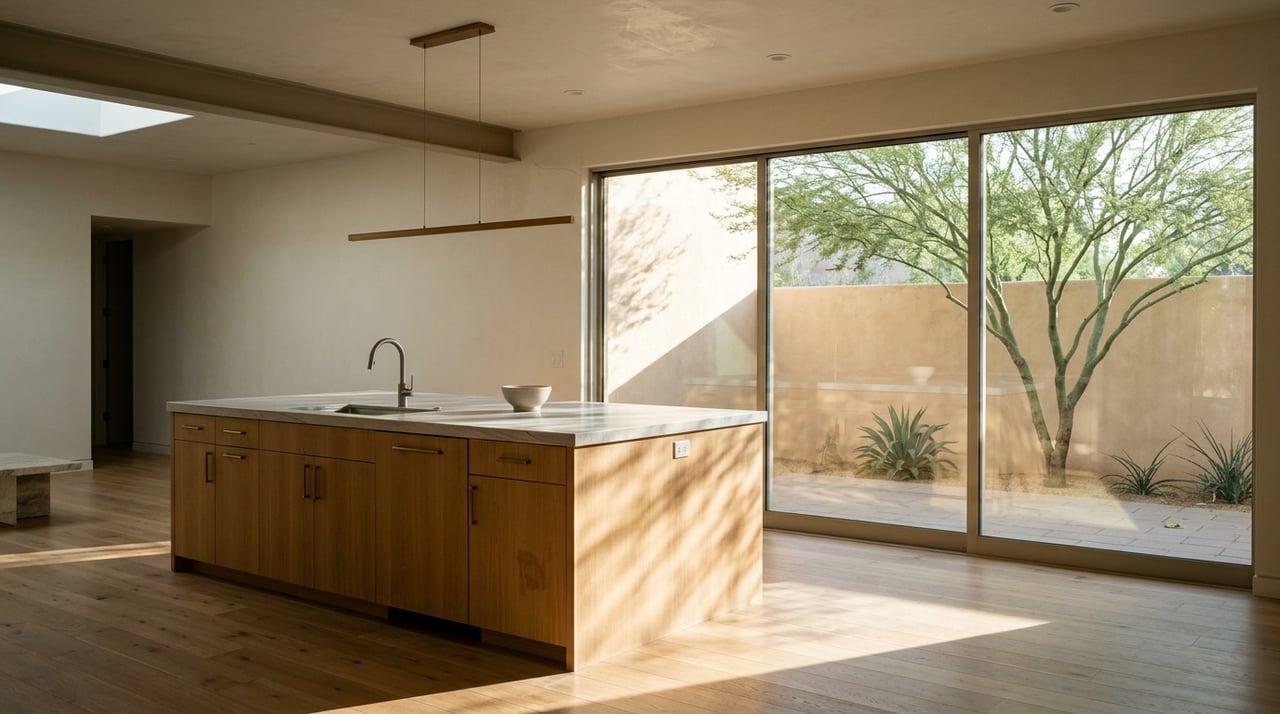
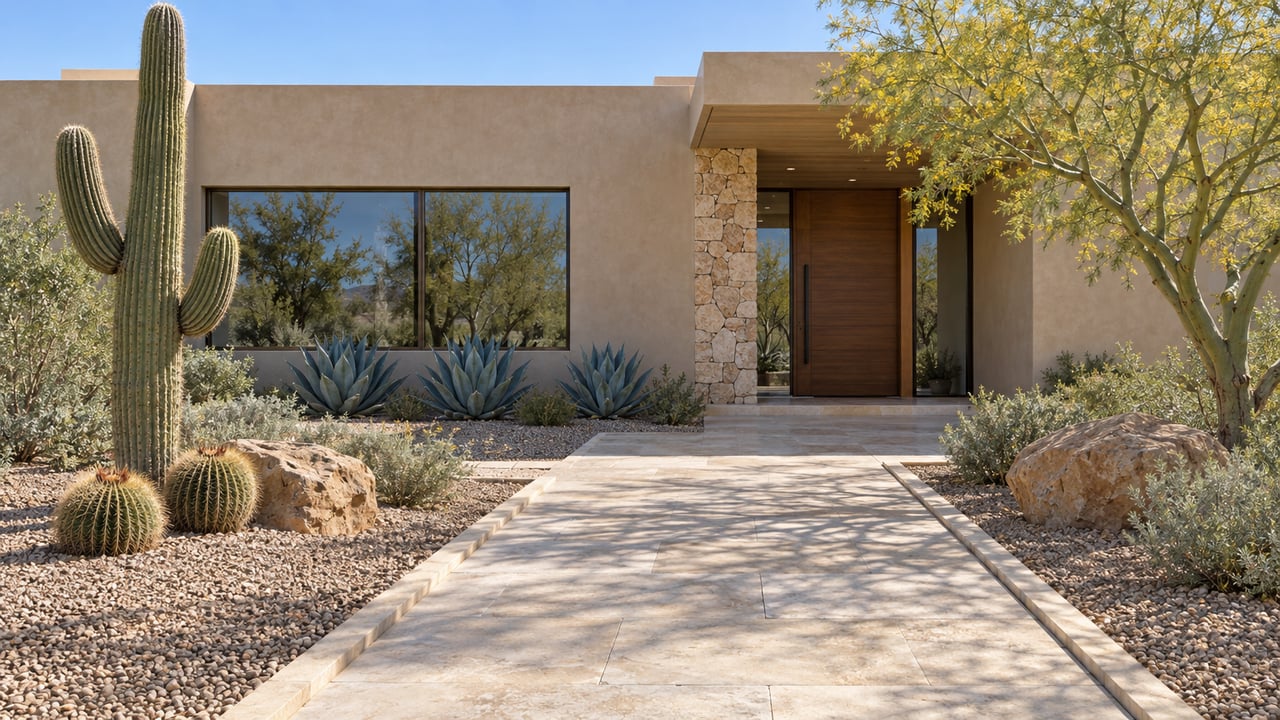
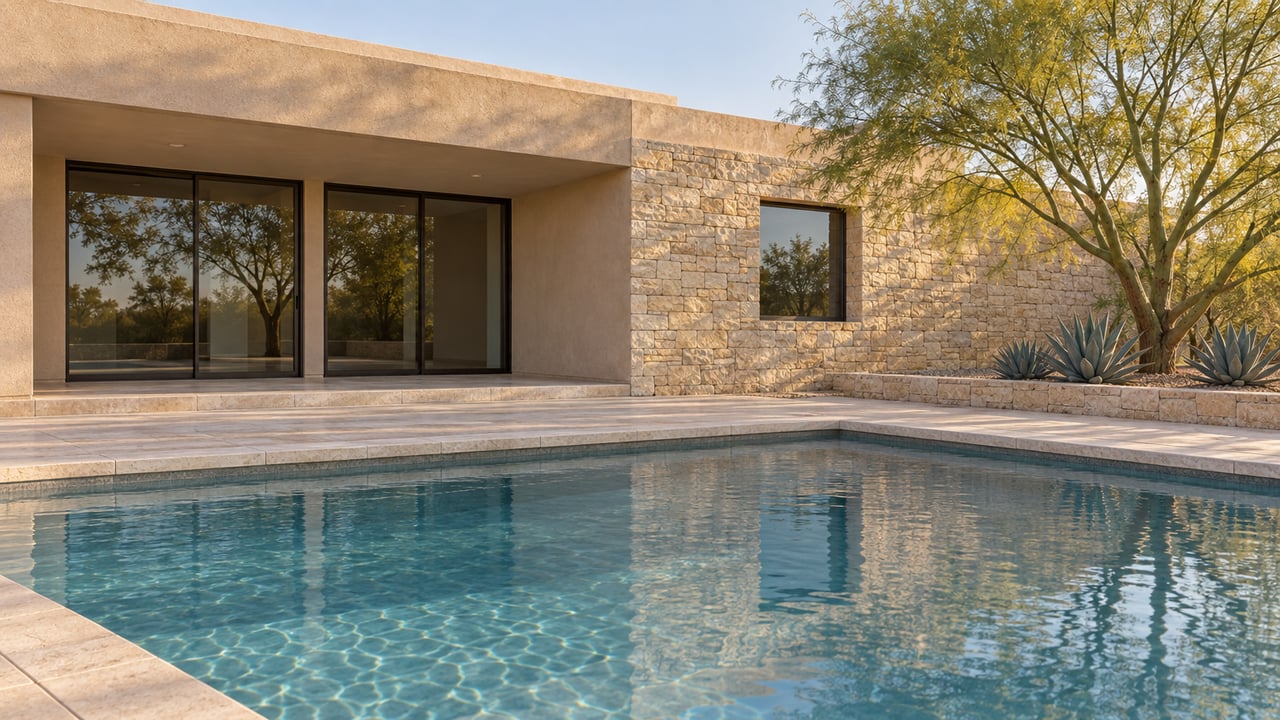
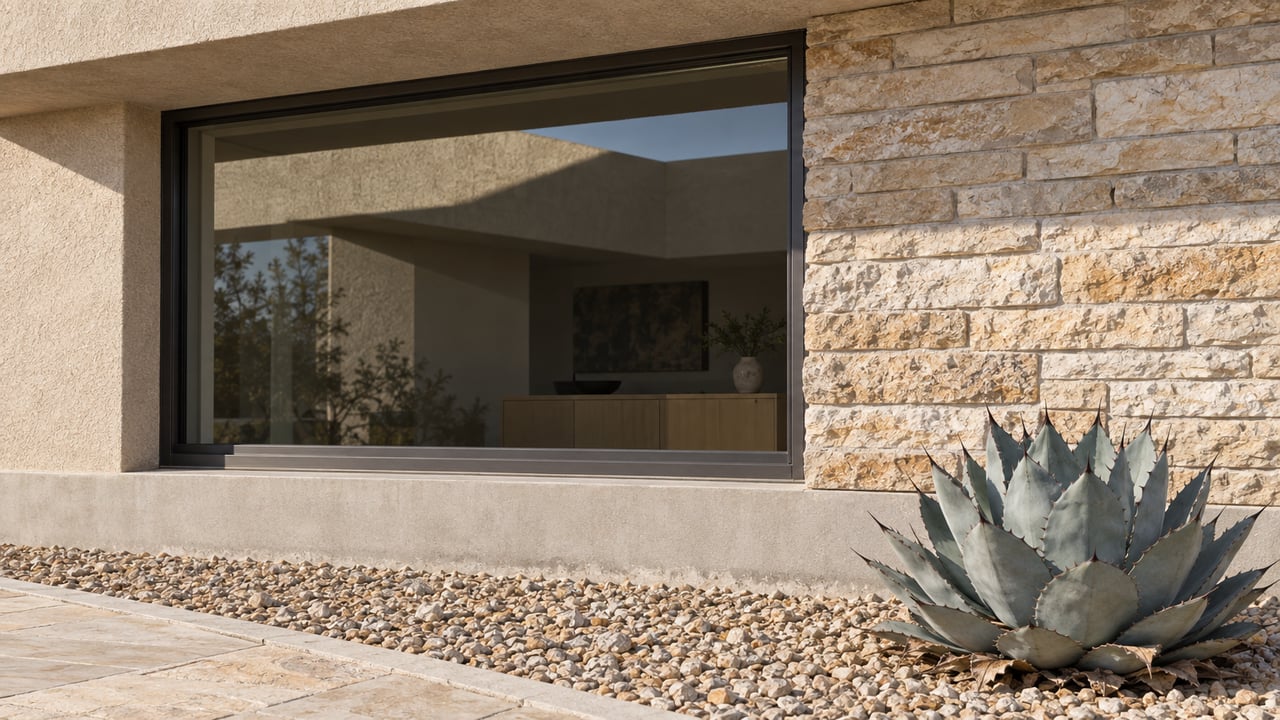
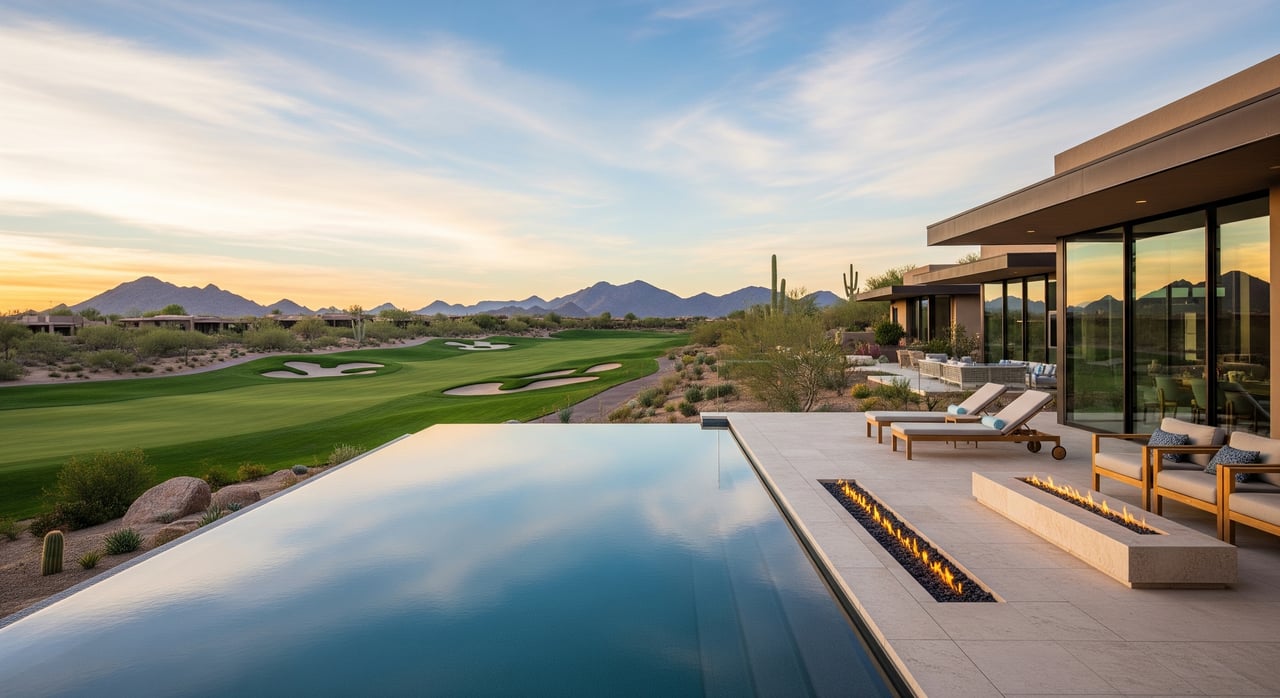
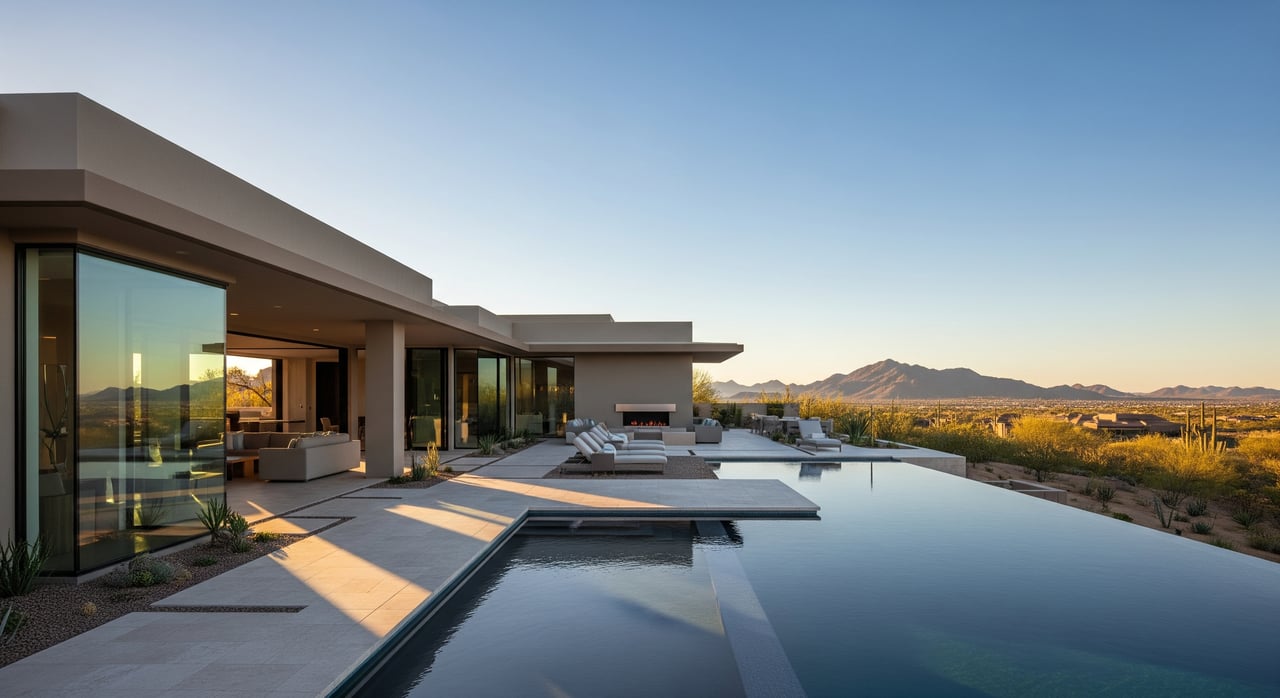
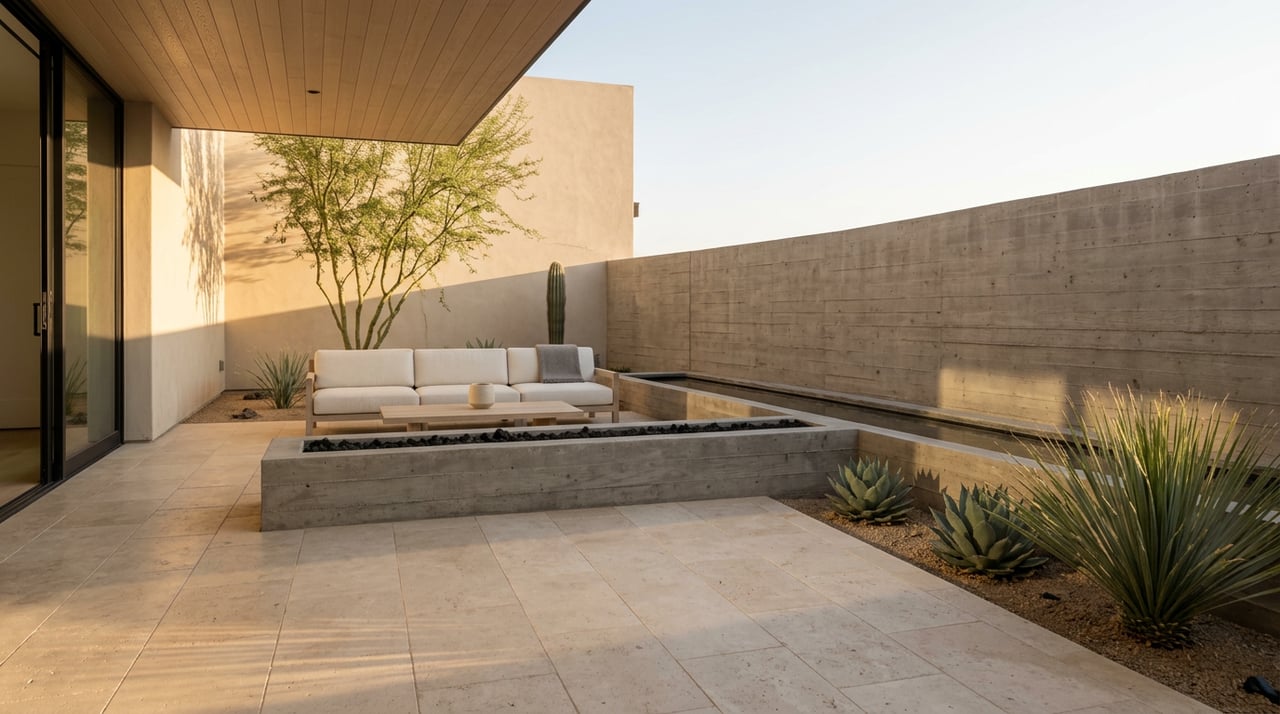
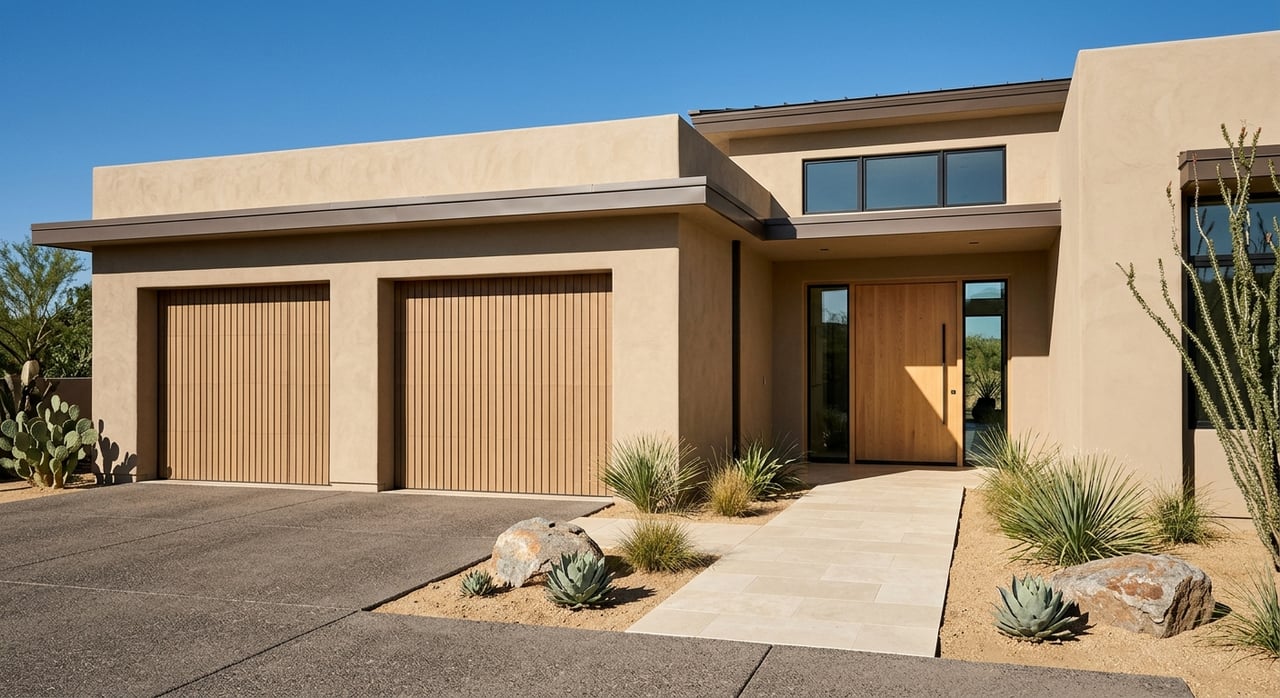
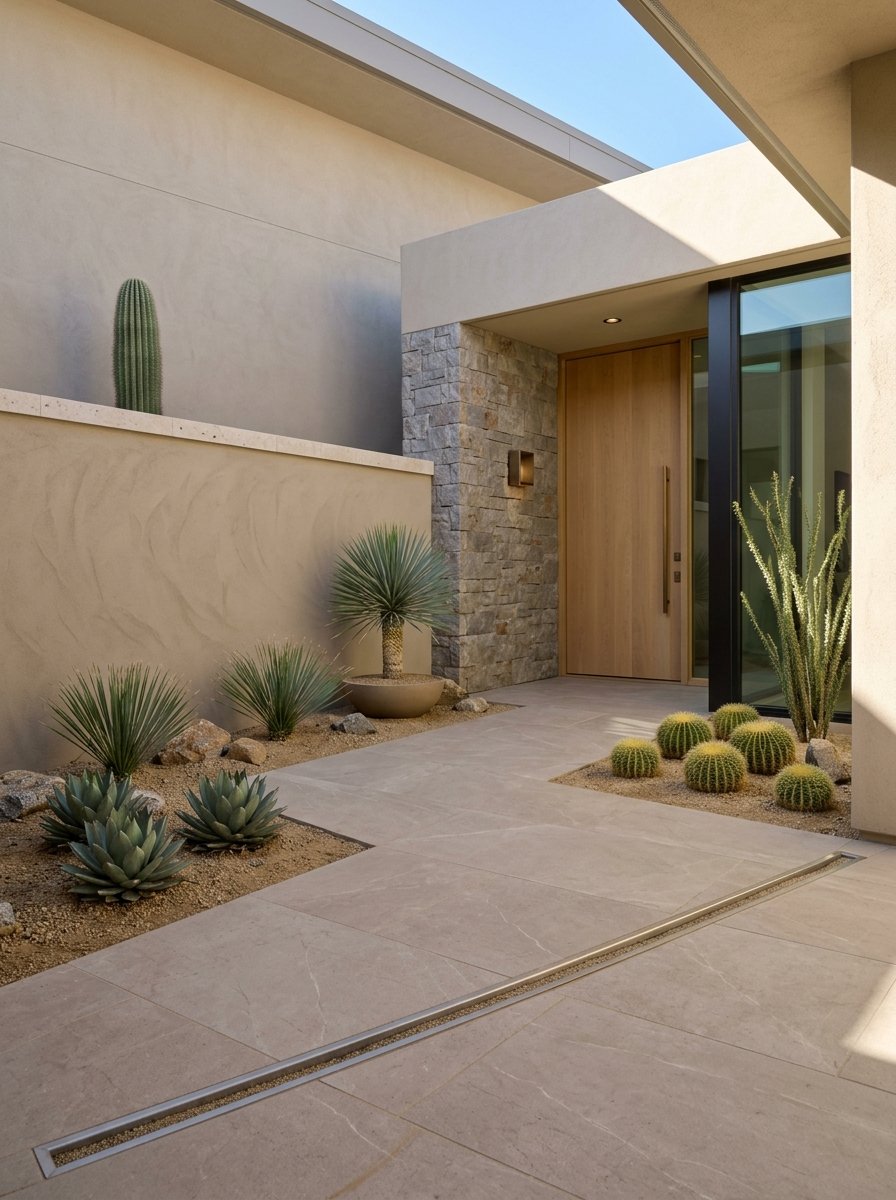
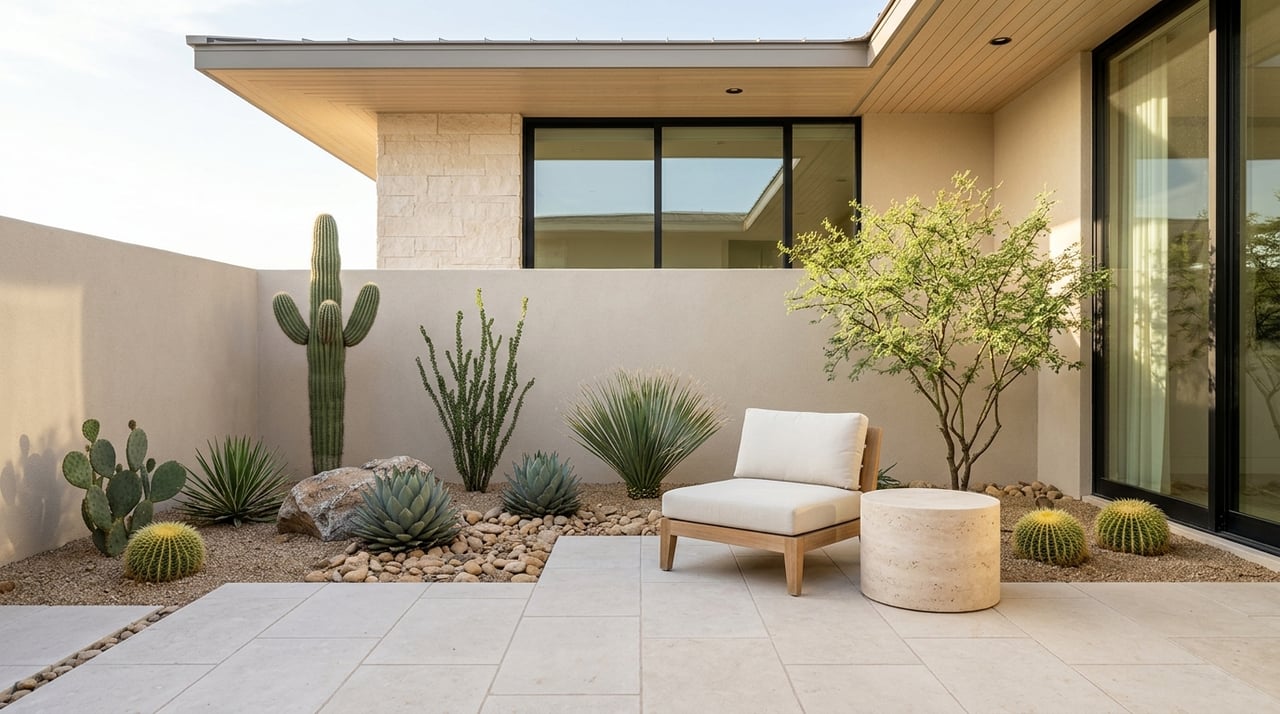
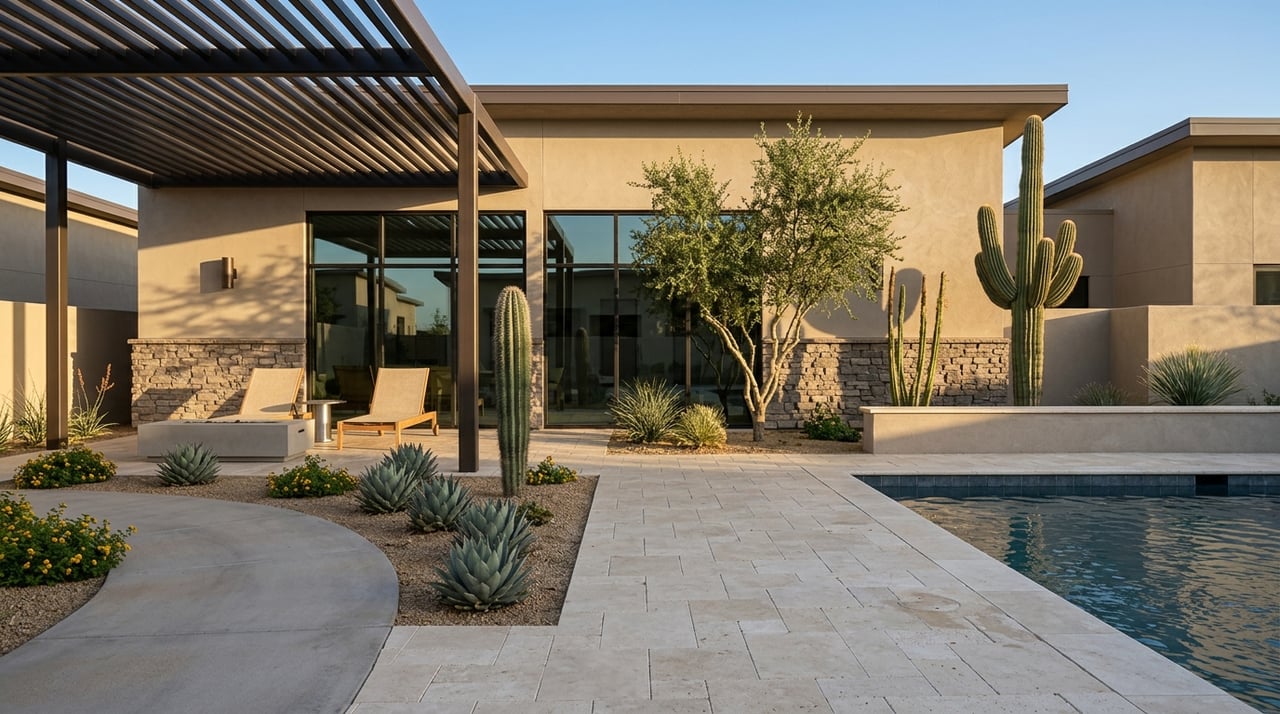
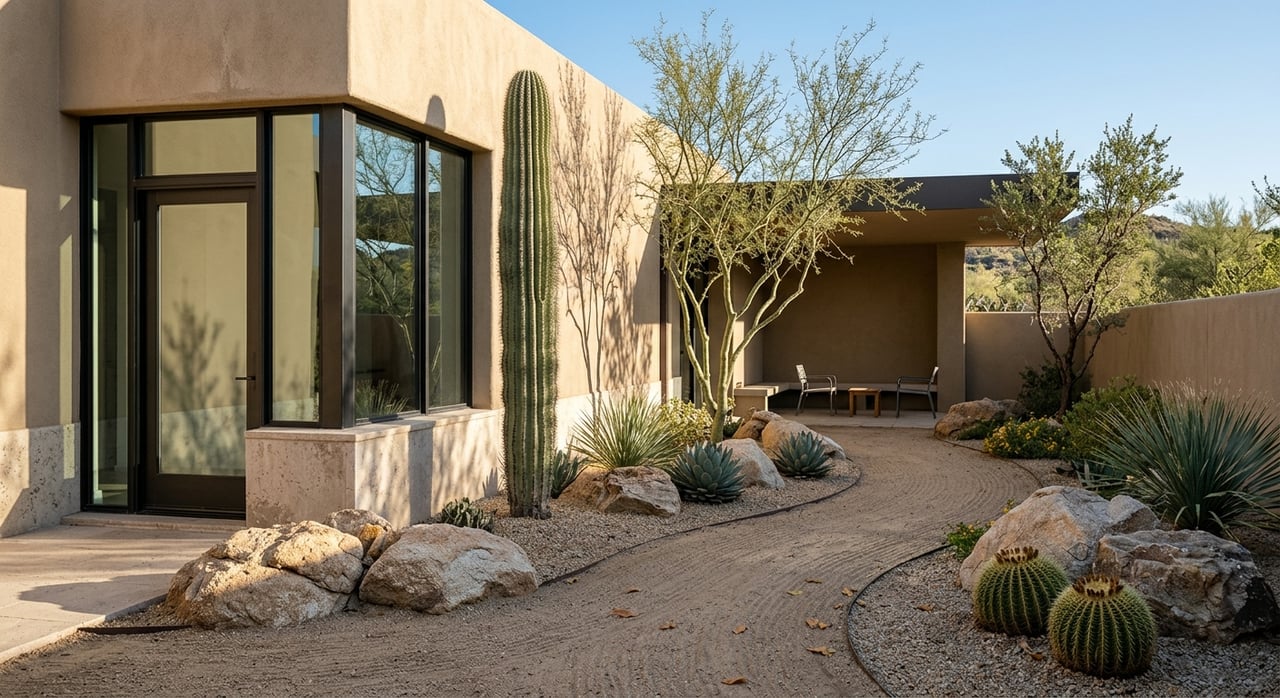
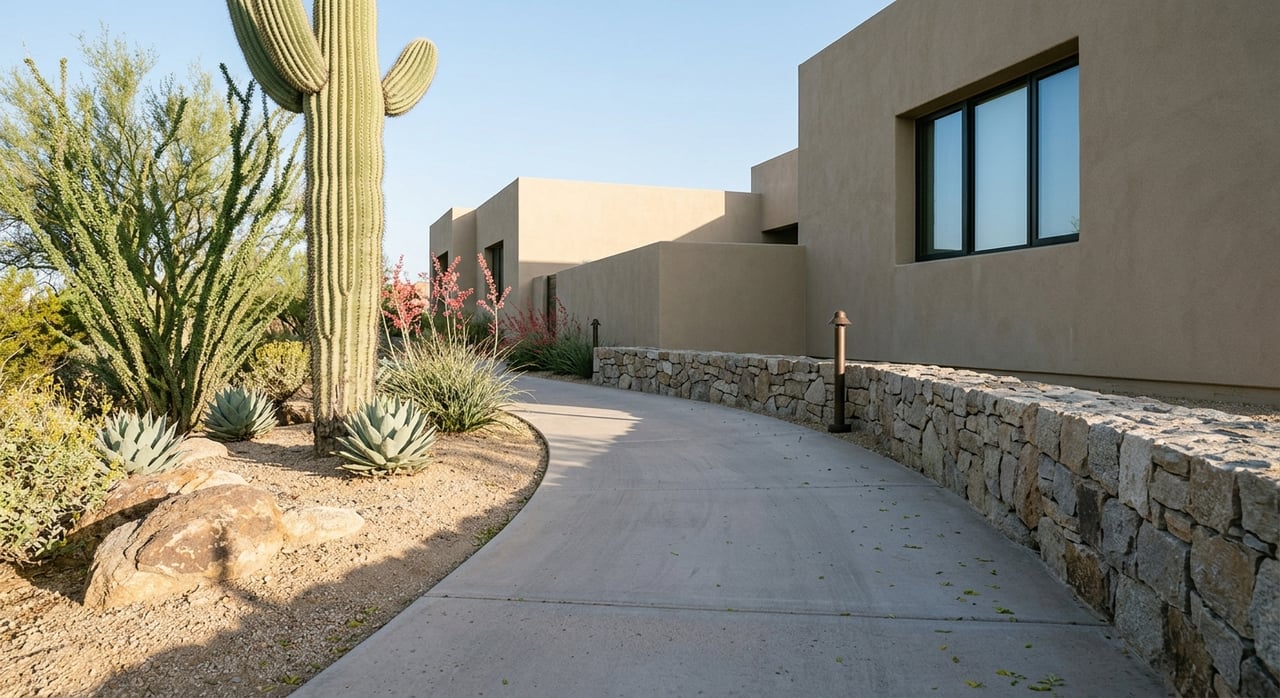
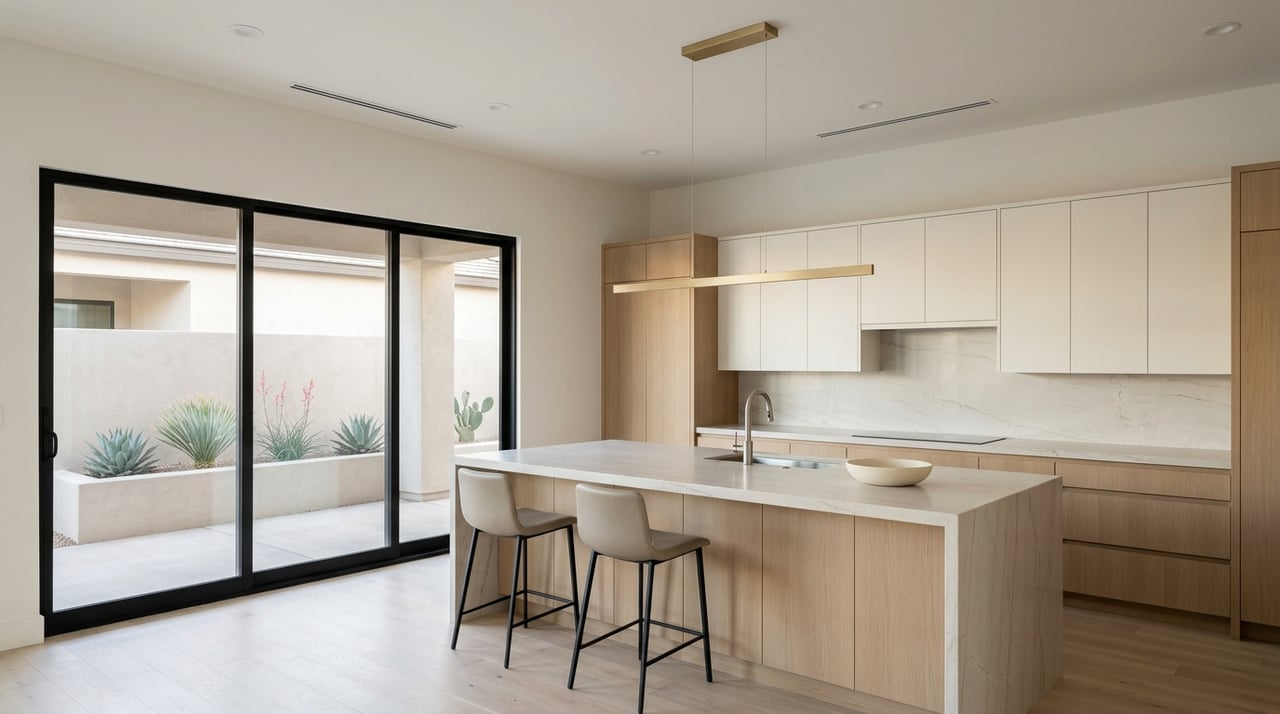
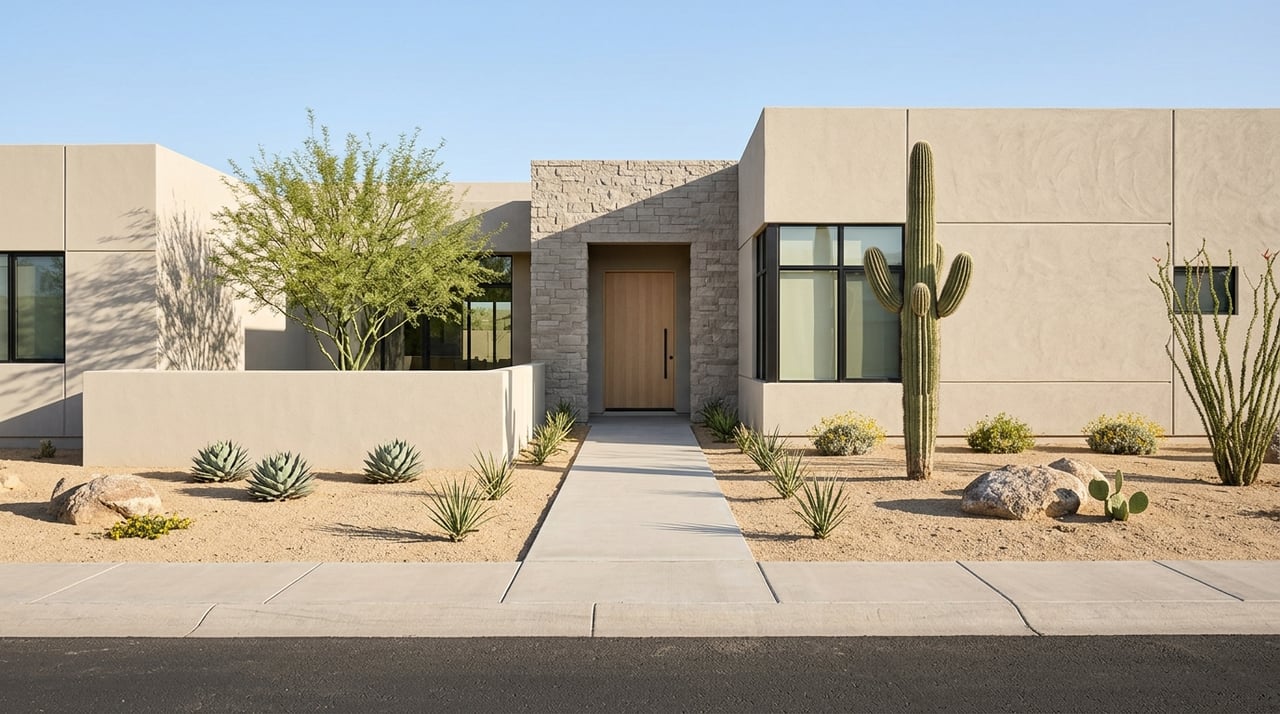
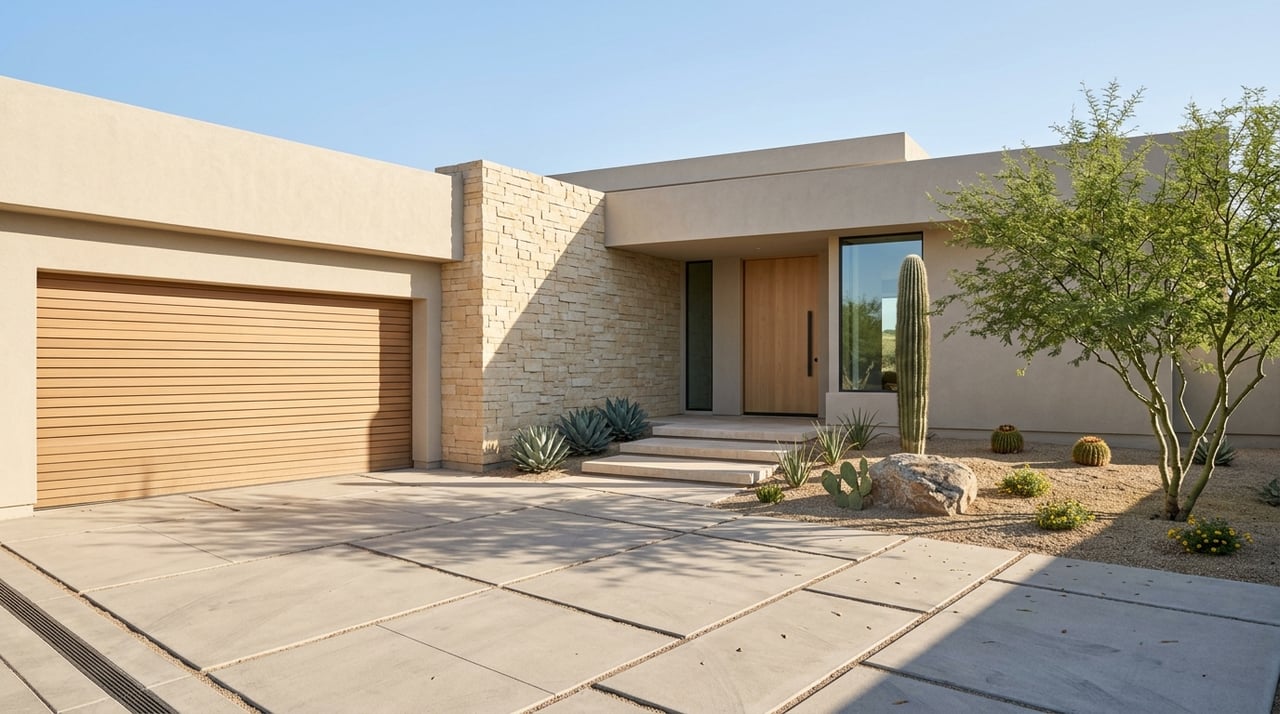
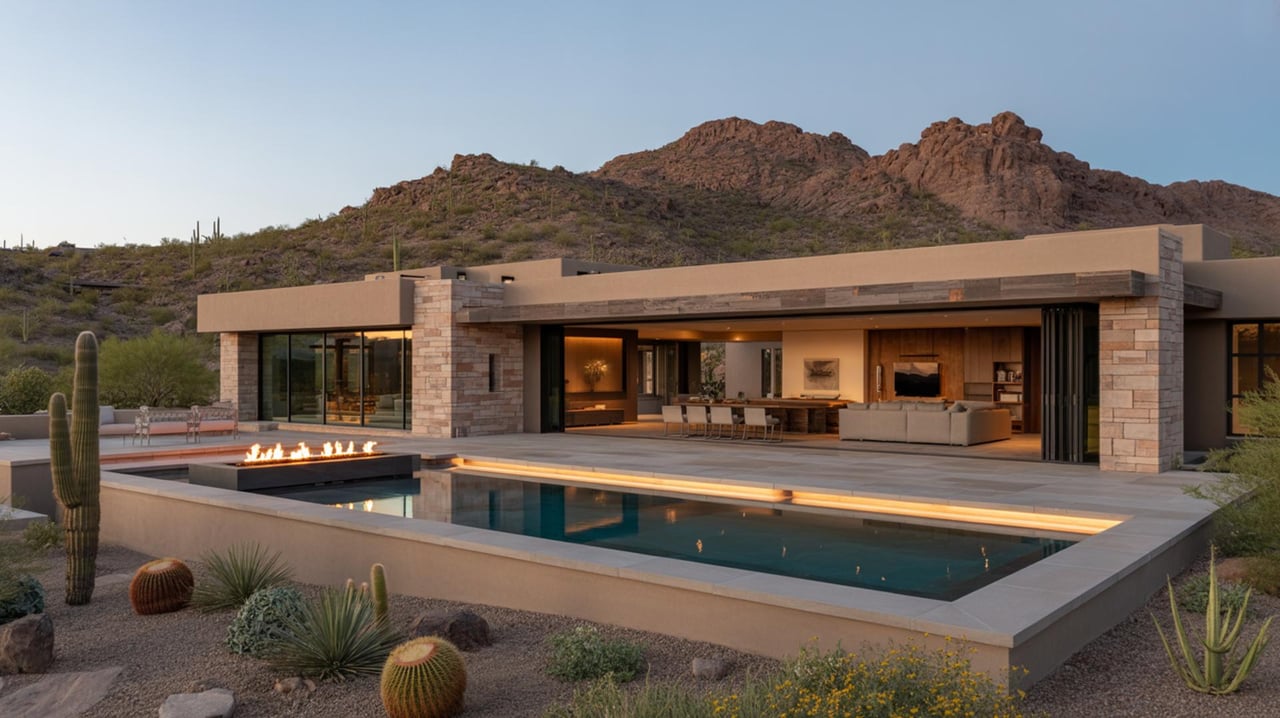
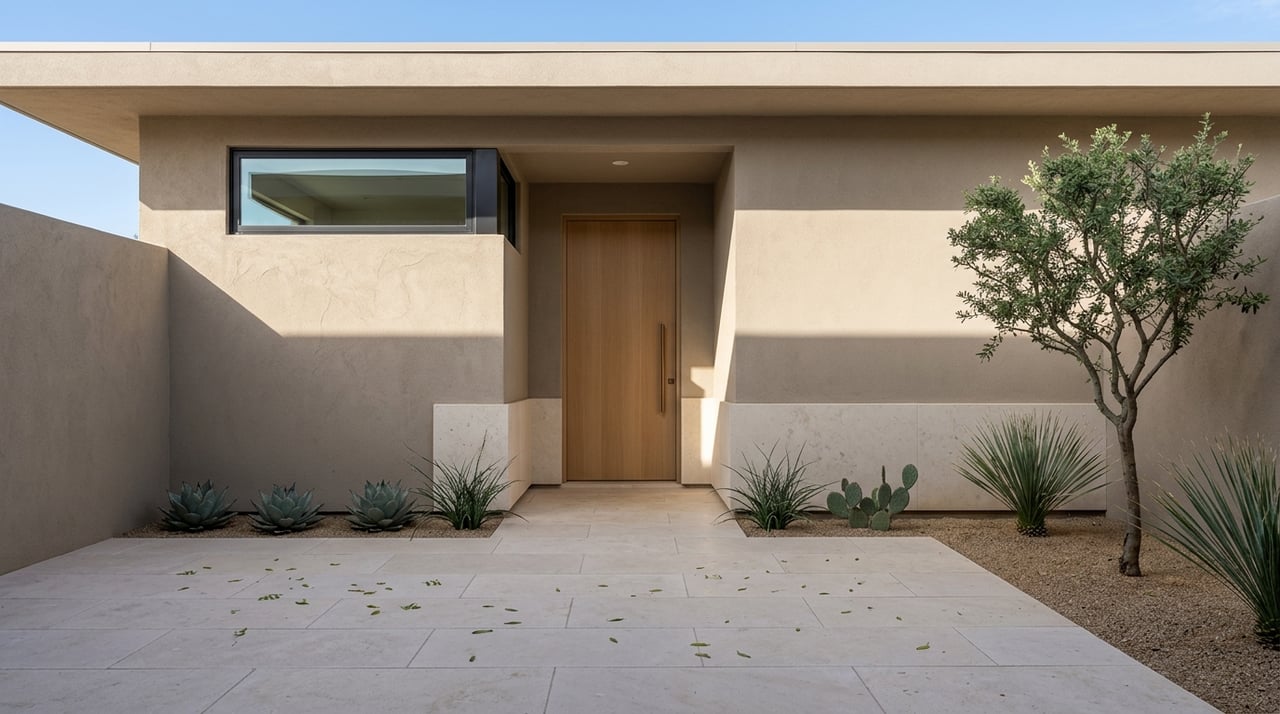
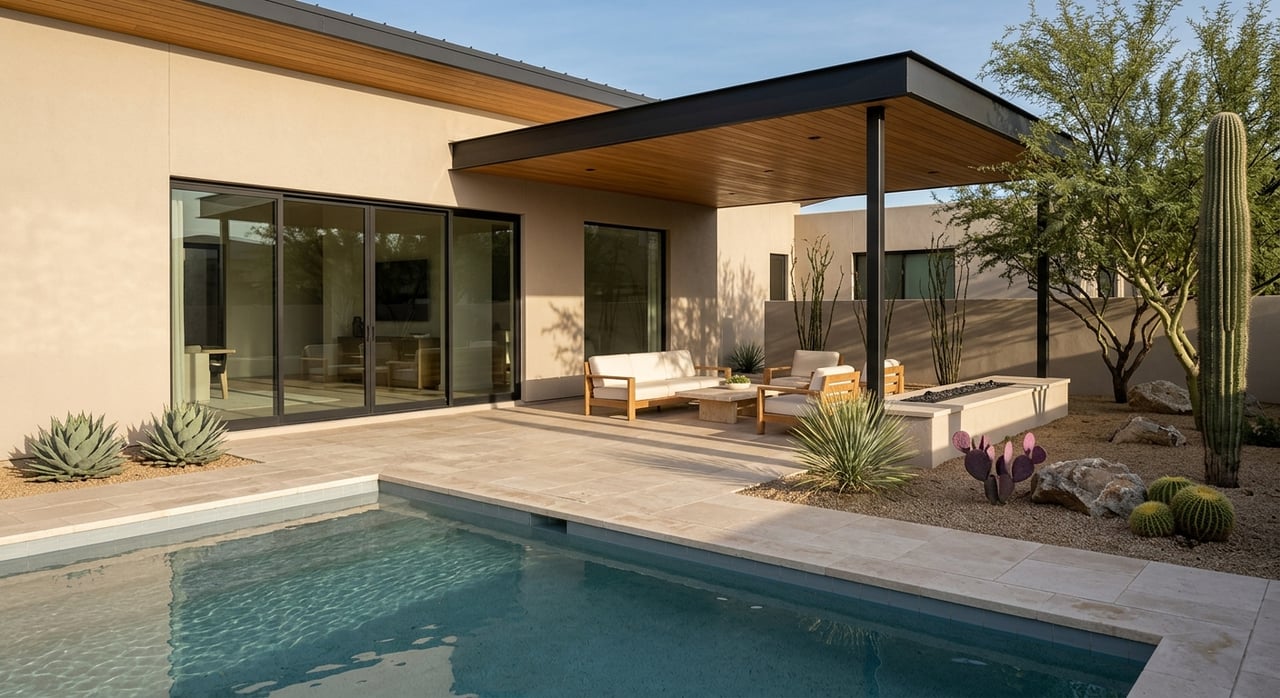
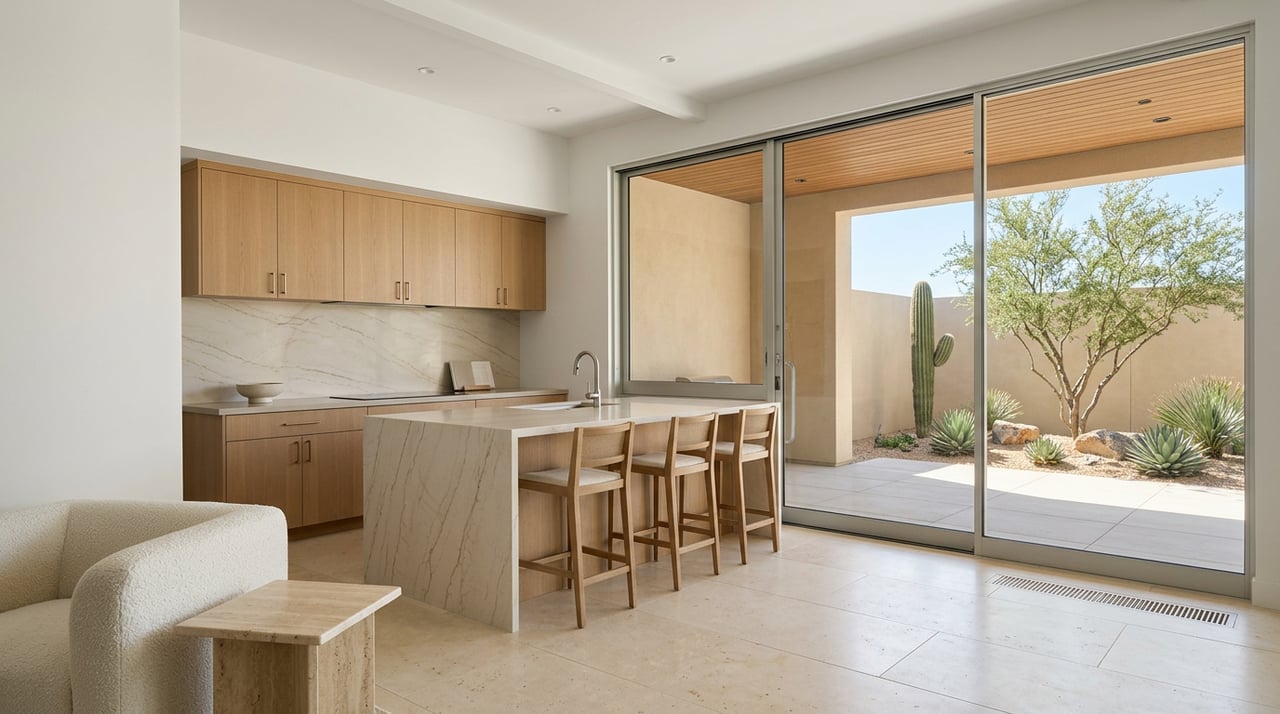
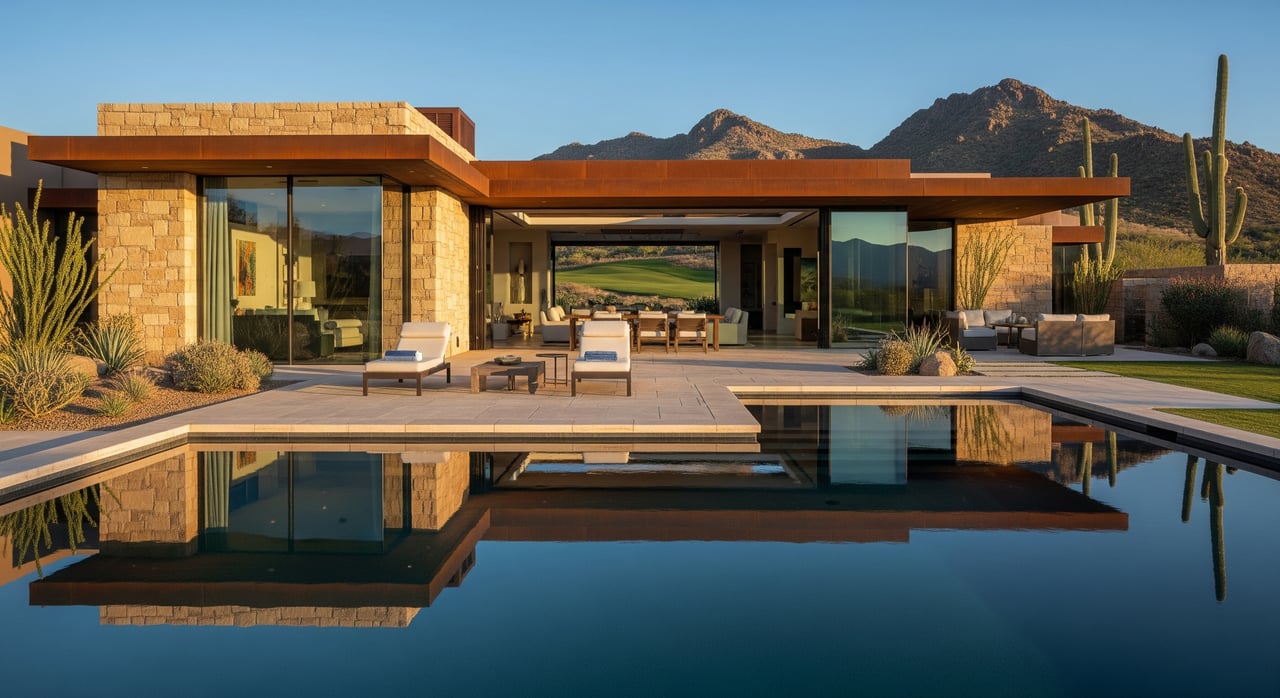
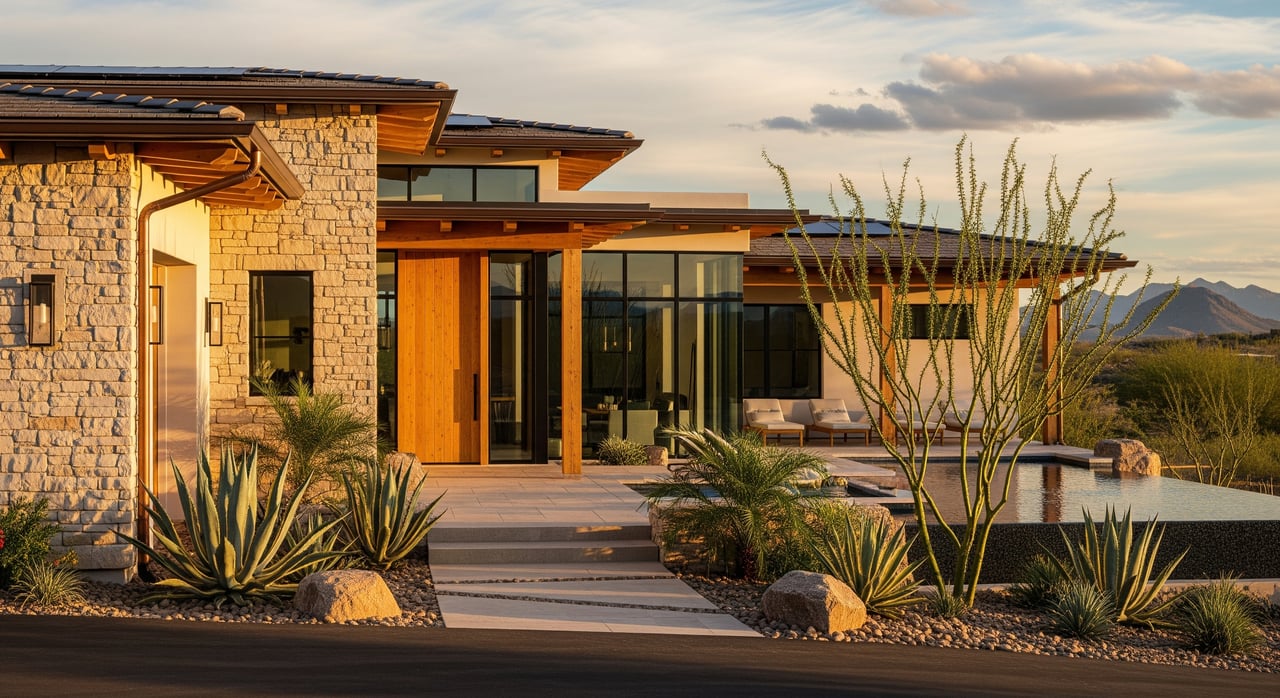
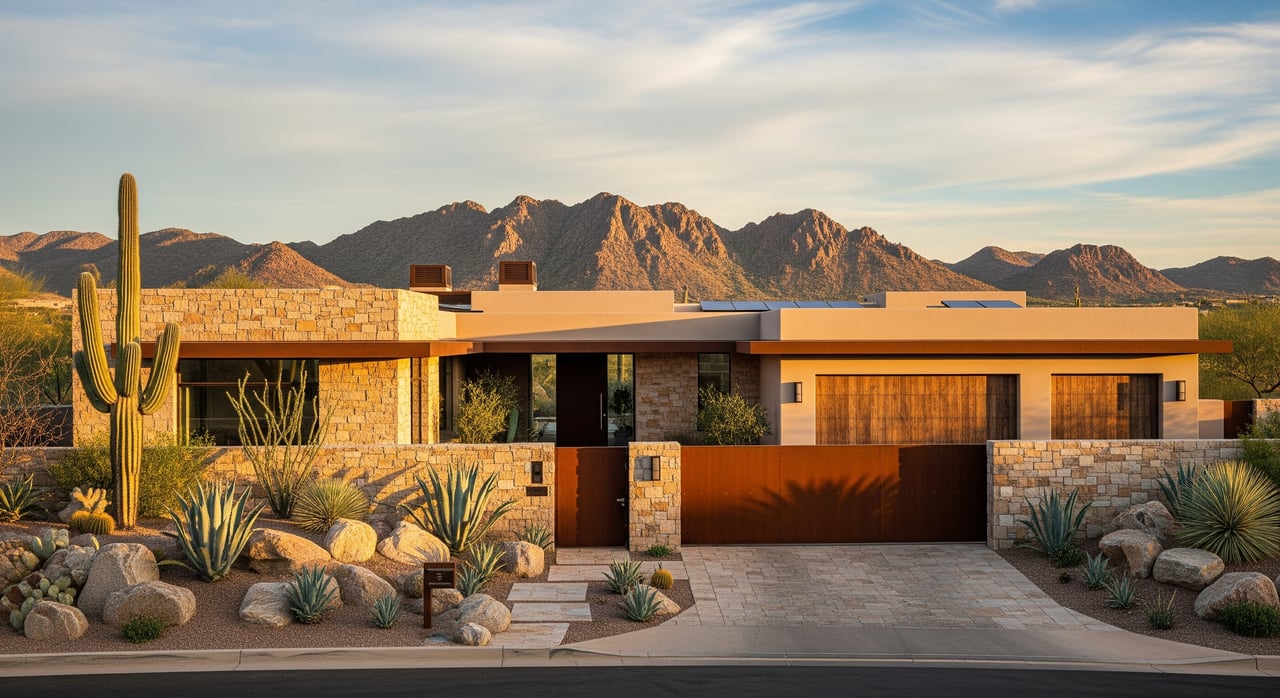
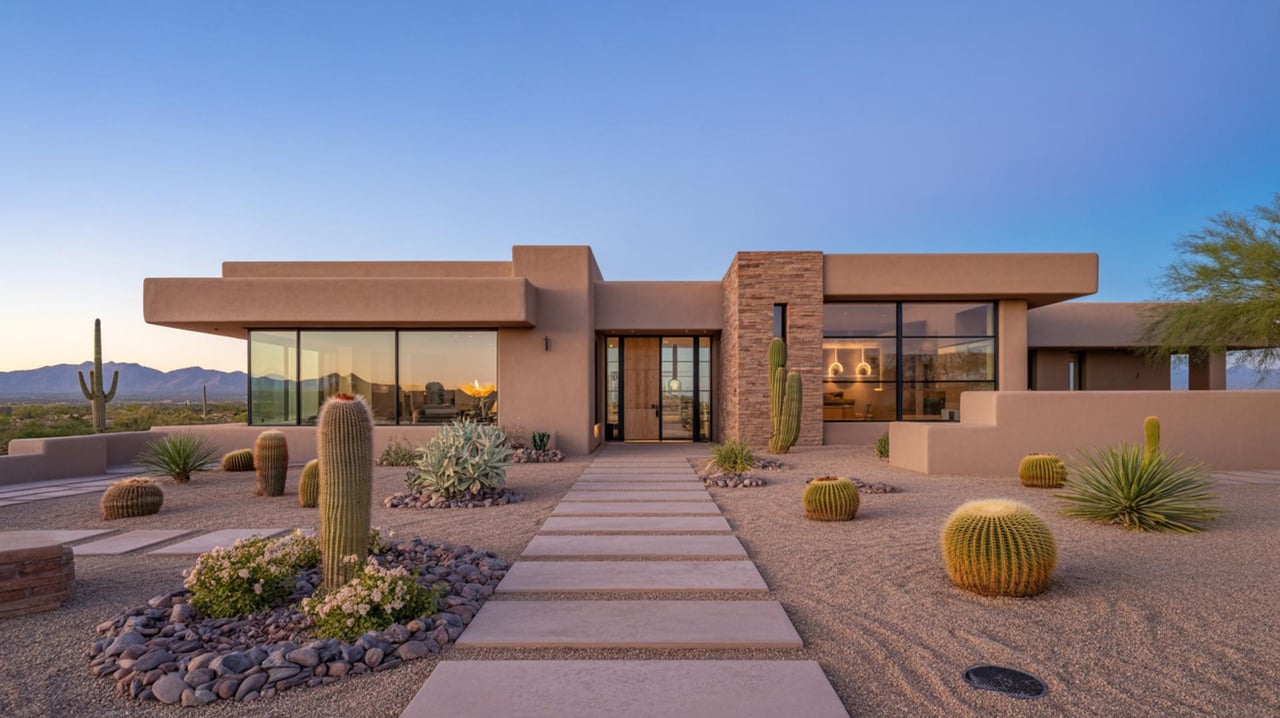
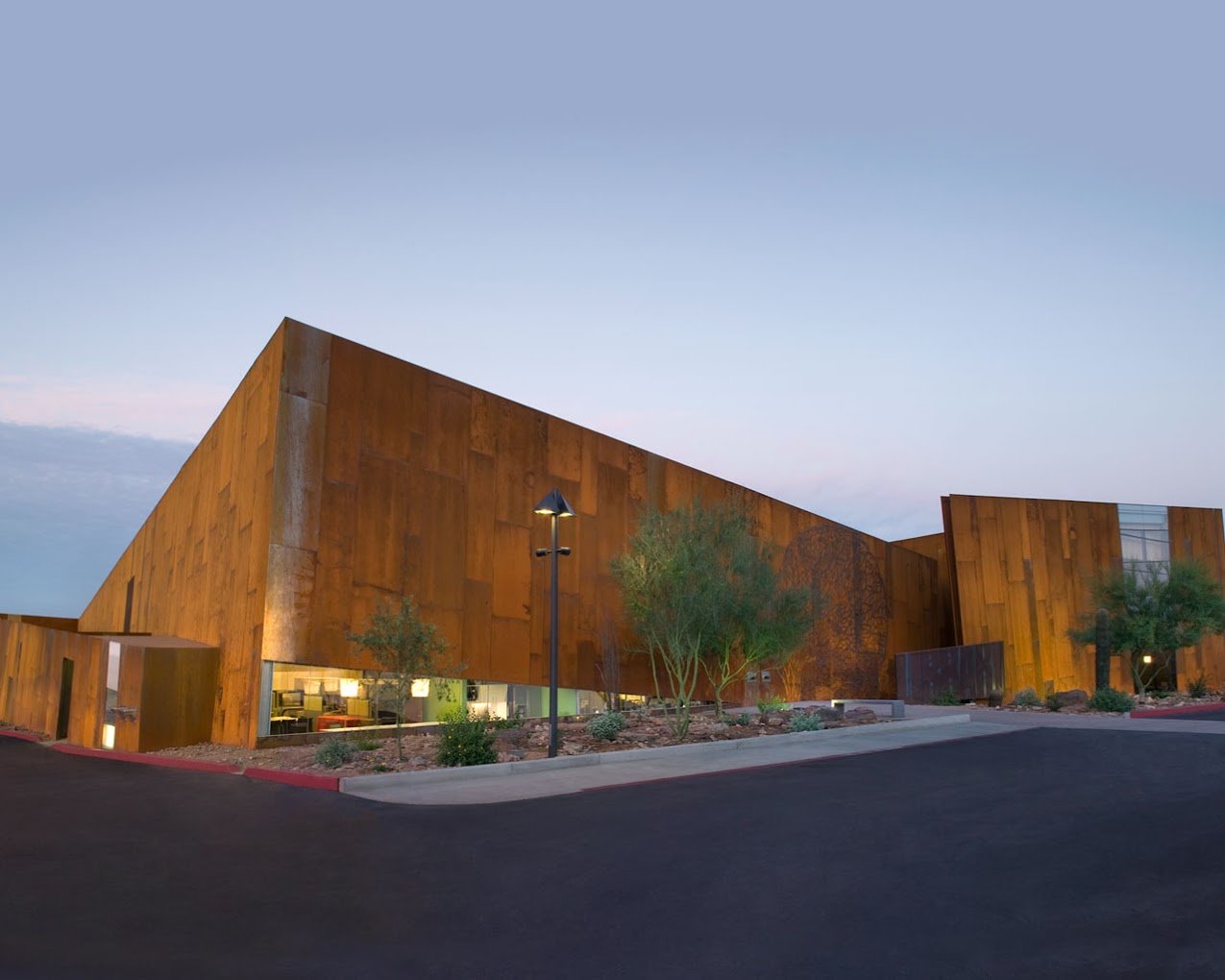
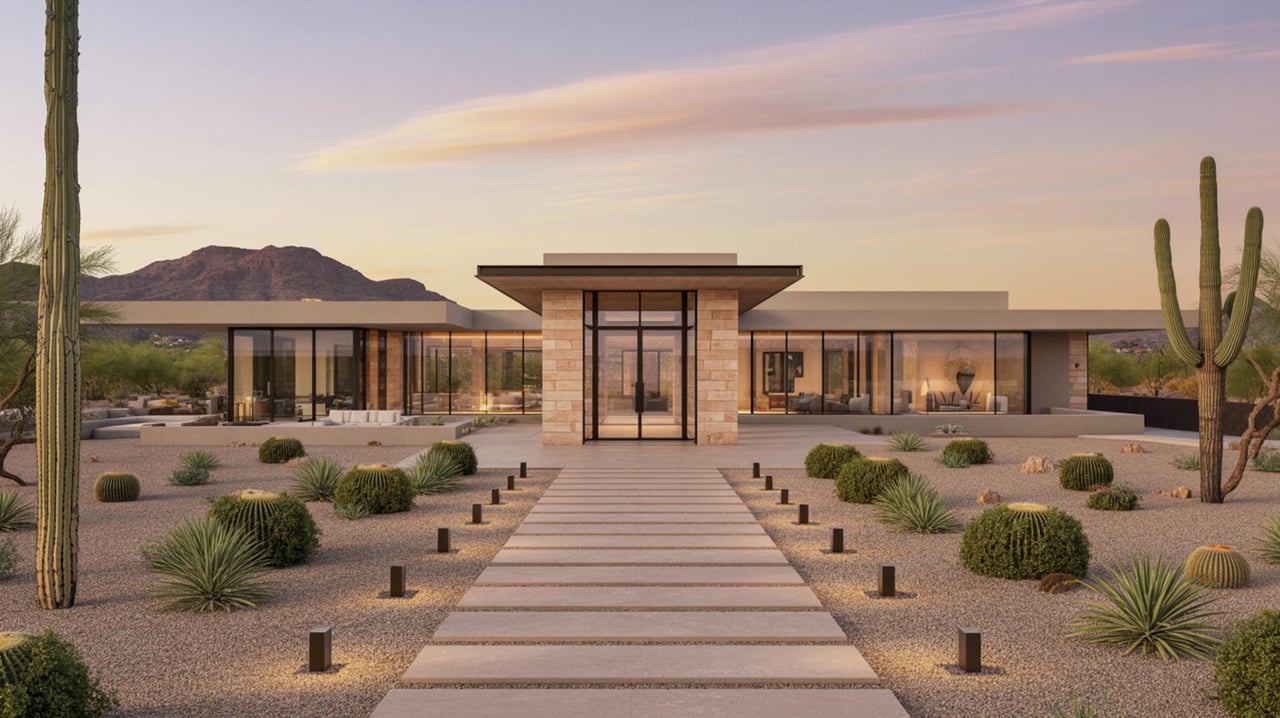
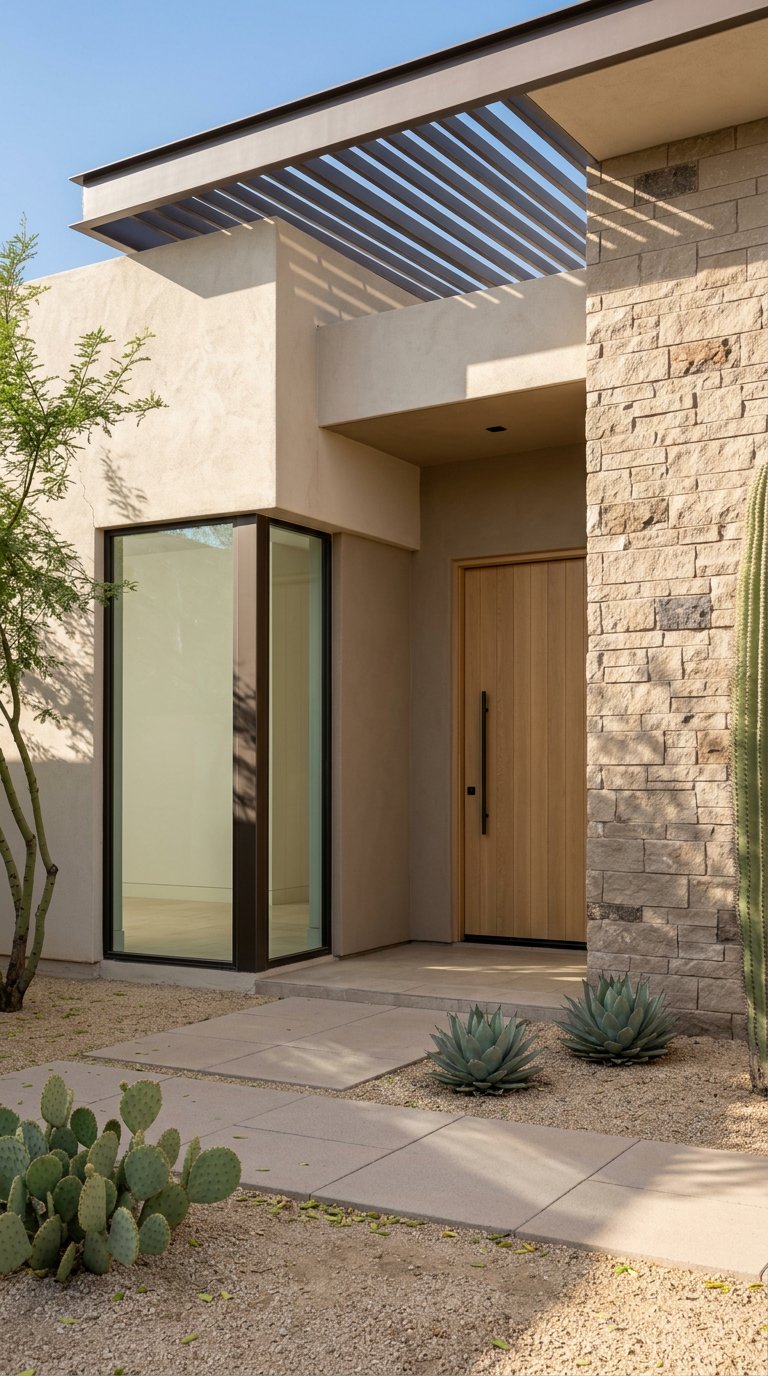
This look is all about clean lines and the landscape as art. You’ll notice low, horizontal massing, long rooflines, and wide openings that blend great rooms with covered patios. Materials often combine smooth stucco with natural stone or concrete accents. Inside, plans are open and bright so views take center stage.
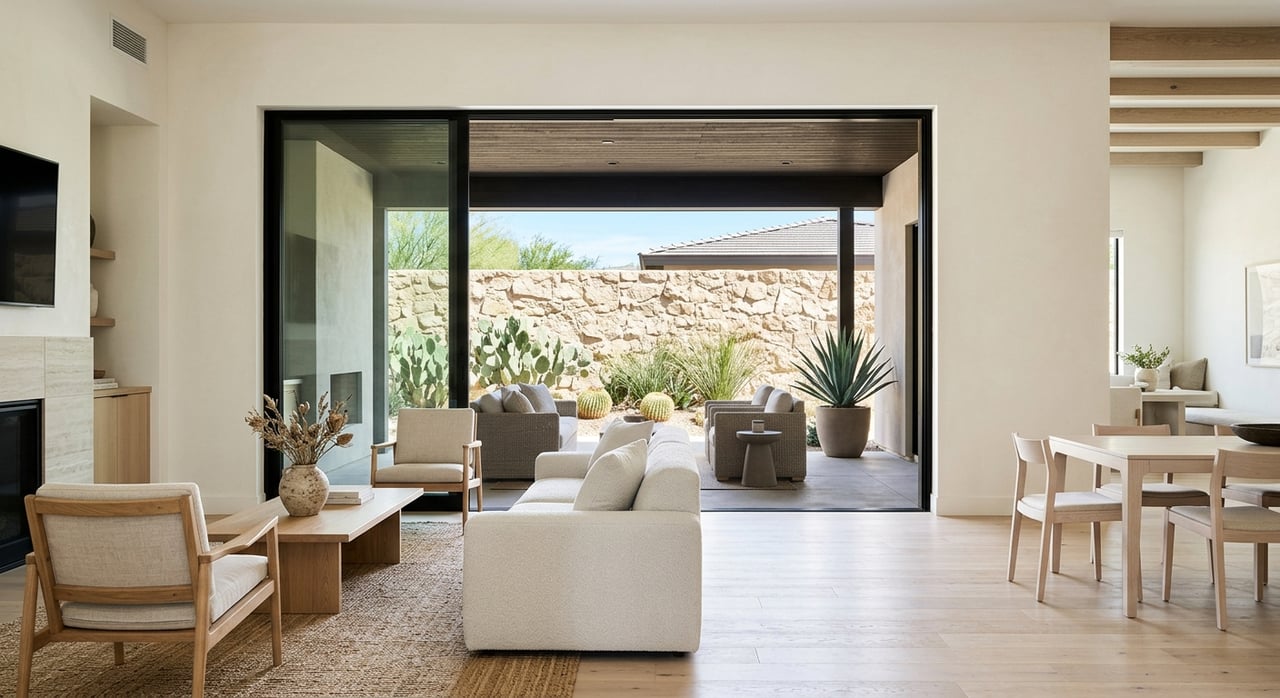
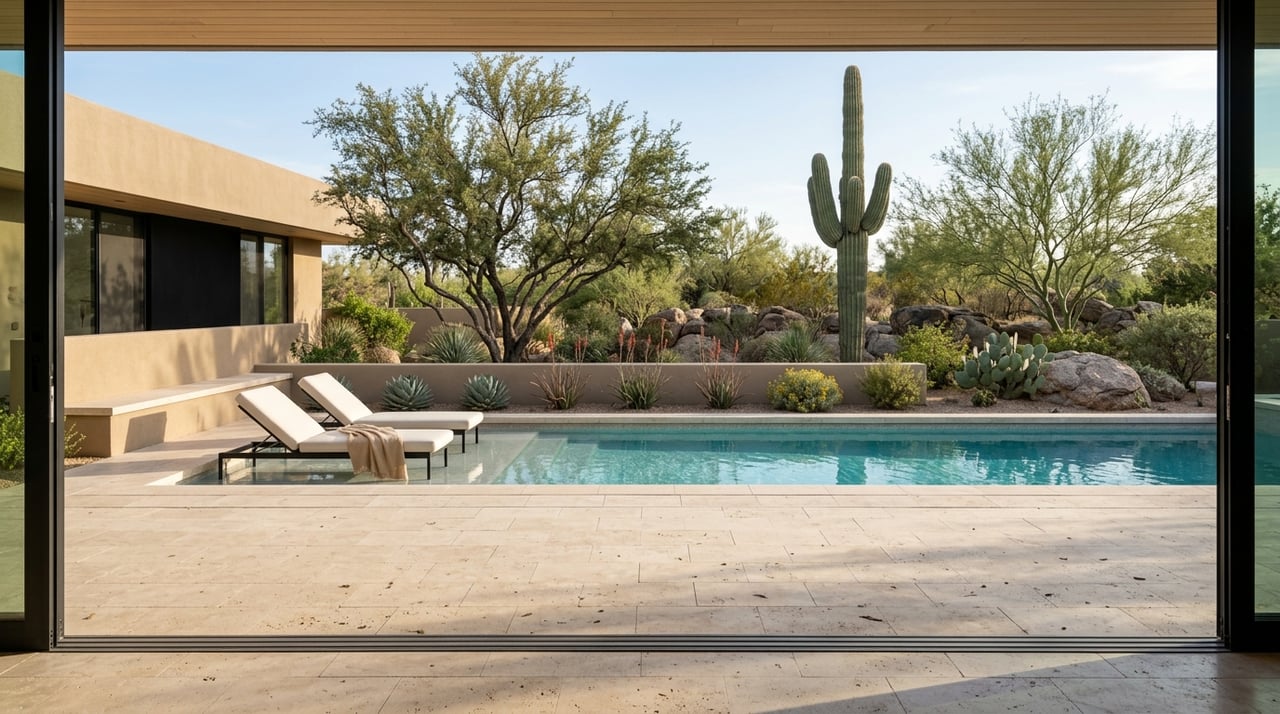
Designers in our climate add deep overhangs and recessed glazing to cut glare and heat. You’ll also see large sliders that stack or pocket to create a seamless flow to the backyard. For a visual of these openings, explore examples of folding or pocketing glass walls.
What it feels like day to day: bright, airy spaces that make indoor–outdoor living effortless.
Spanish, Mediterranean, and Tuscan revival
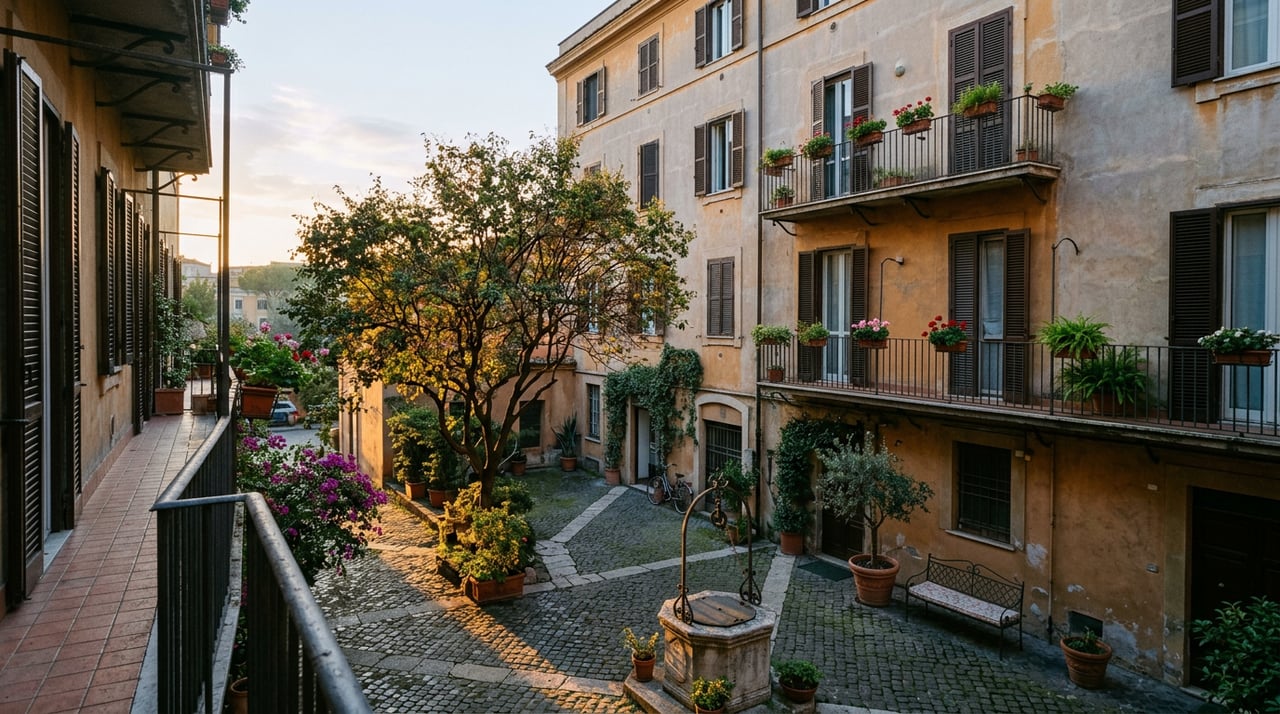
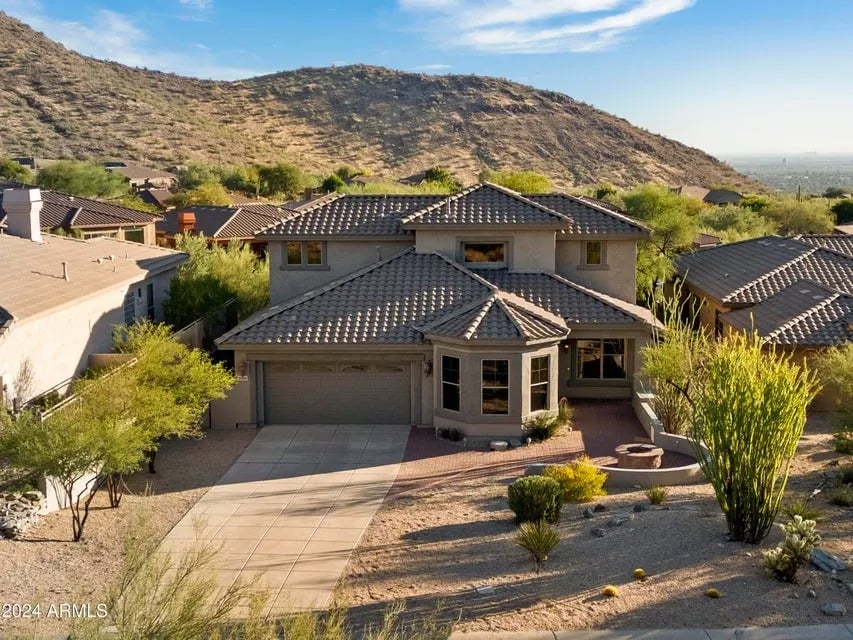
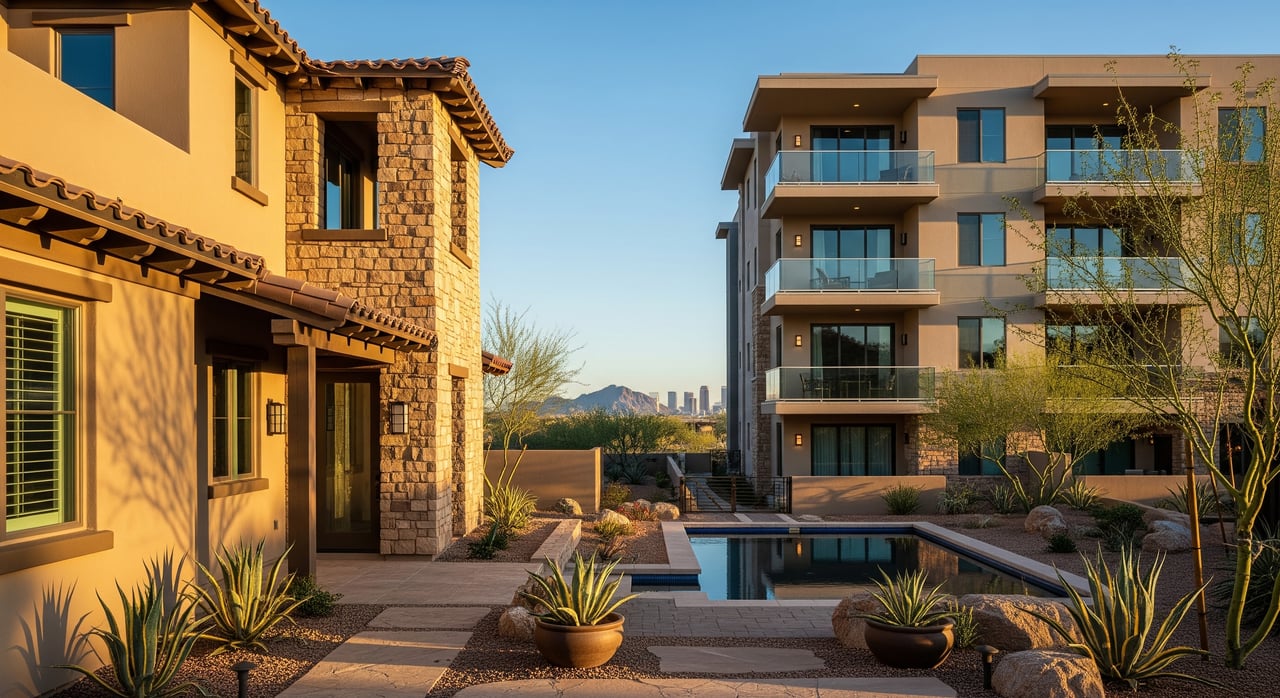
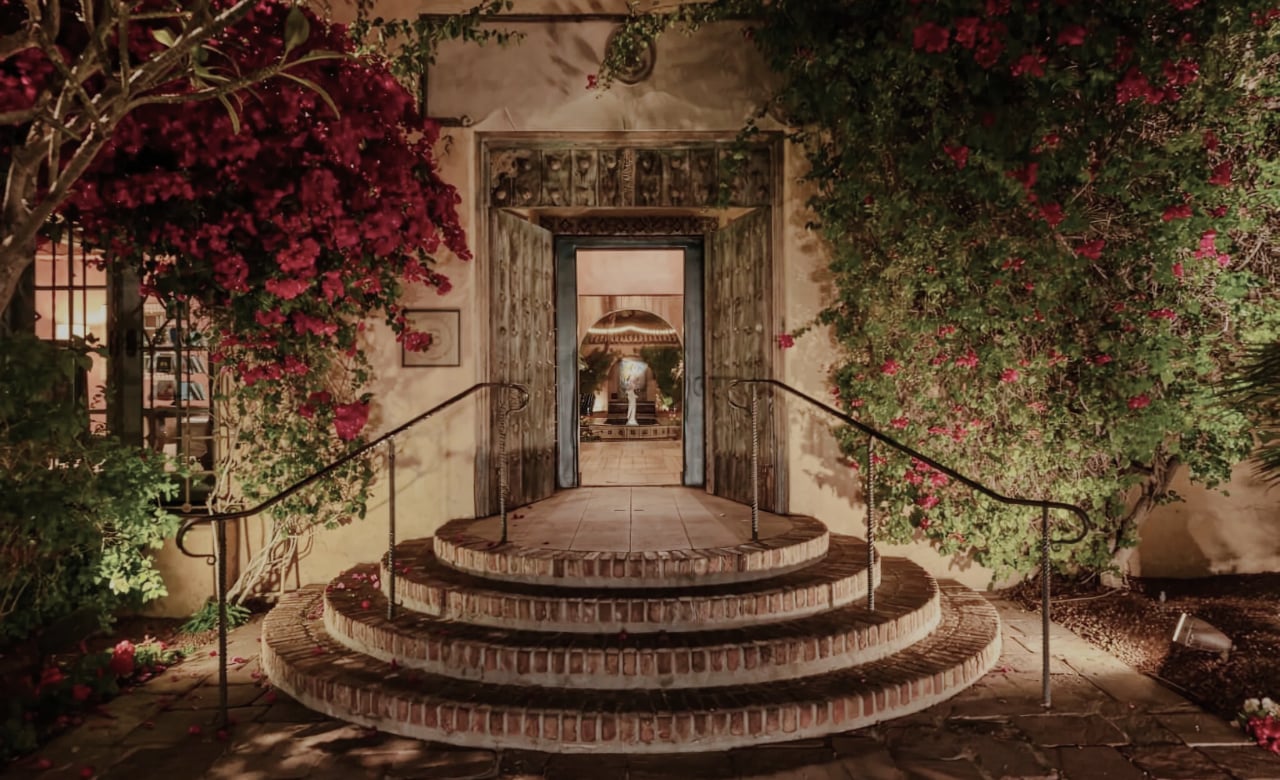
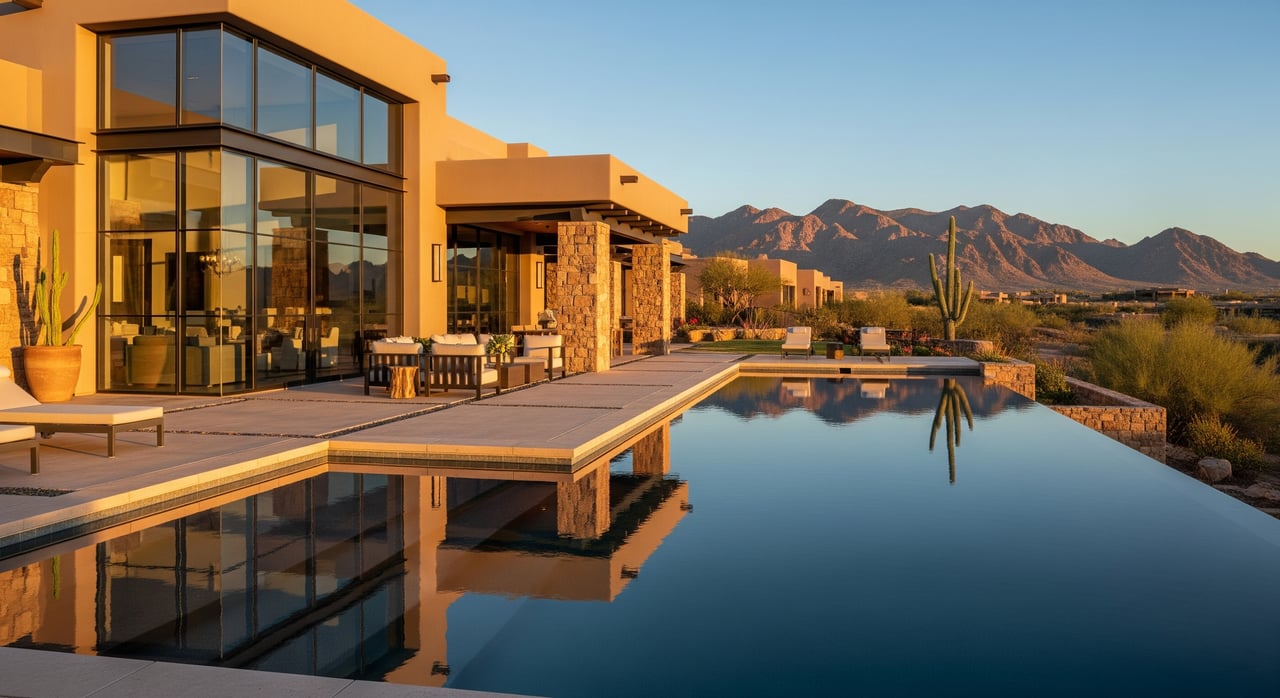
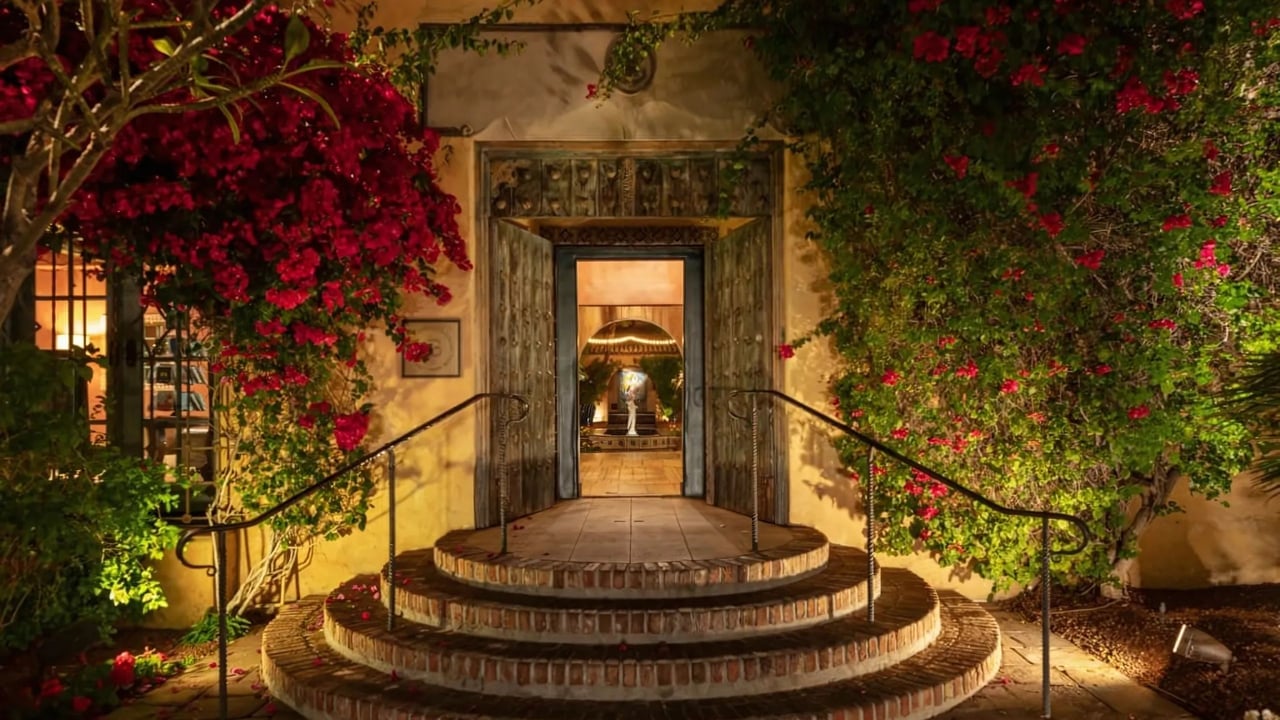
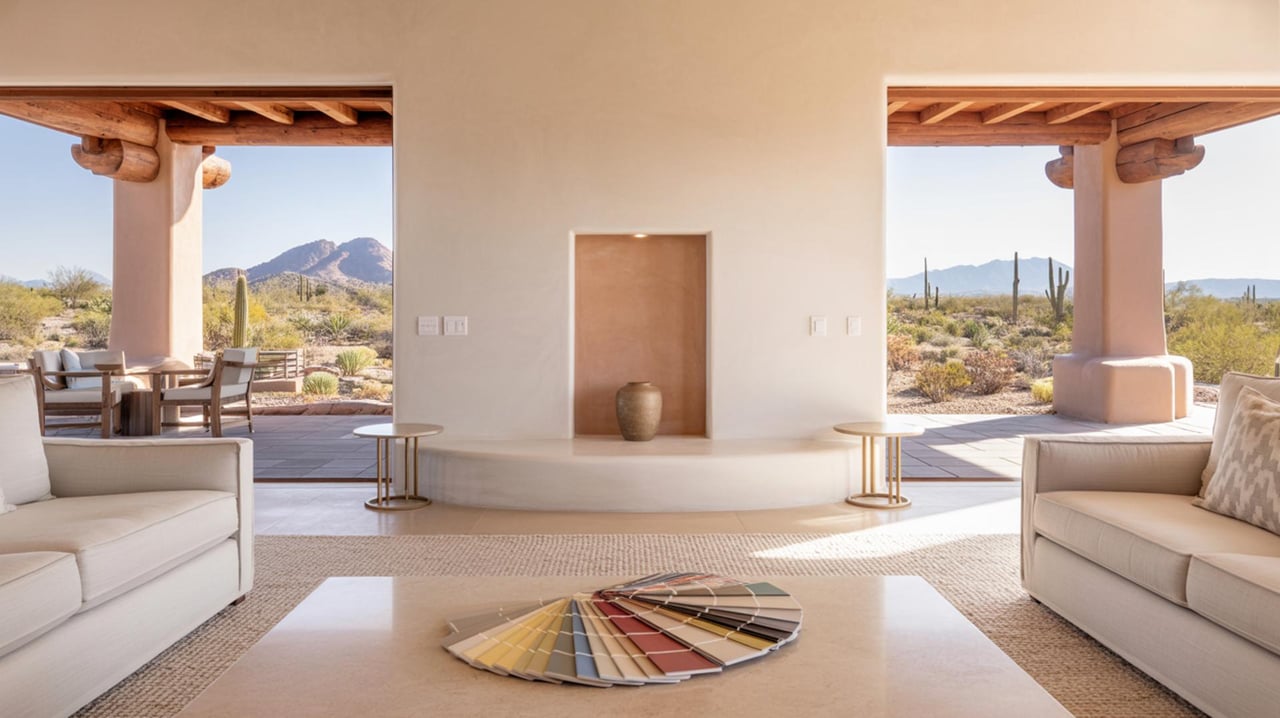
Think warm stucco, red or terracotta tile roofs, arched openings, and courtyards that unfold as you move from the street to the front door. Wrought iron, decorative tile, and timber details add character. These homes often organize life around layered outdoor rooms, like a shaded loggia off the great room or a private interior courtyard with a fountain.
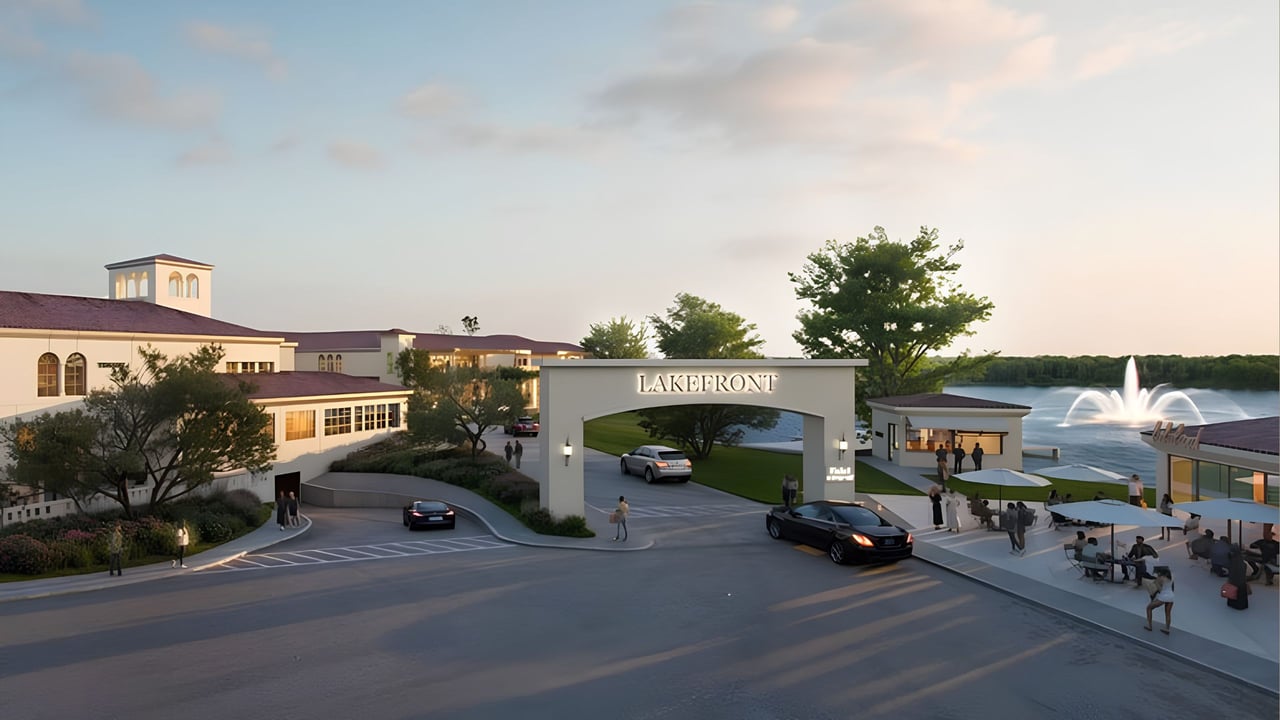
In DC Ranch, the strongest concentration of Mediterranean and Spanish-revival estate design appears in Silverleaf. National coverage often highlights this look in that village, as seen in recent press coverage of Silverleaf estates.
What it feels like day to day: classic resort energy, with gracious shade and a sense of ceremony at entries and courtyards.
Ranch and Western regional
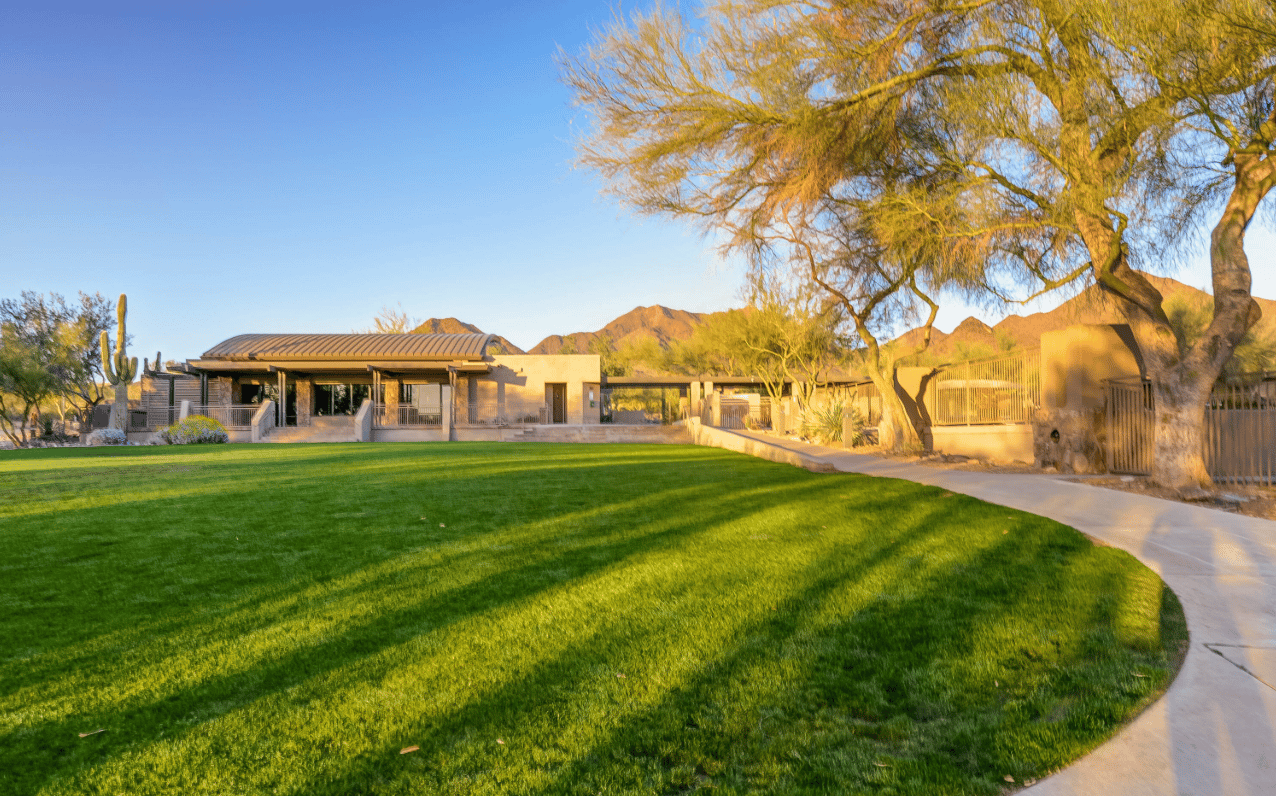
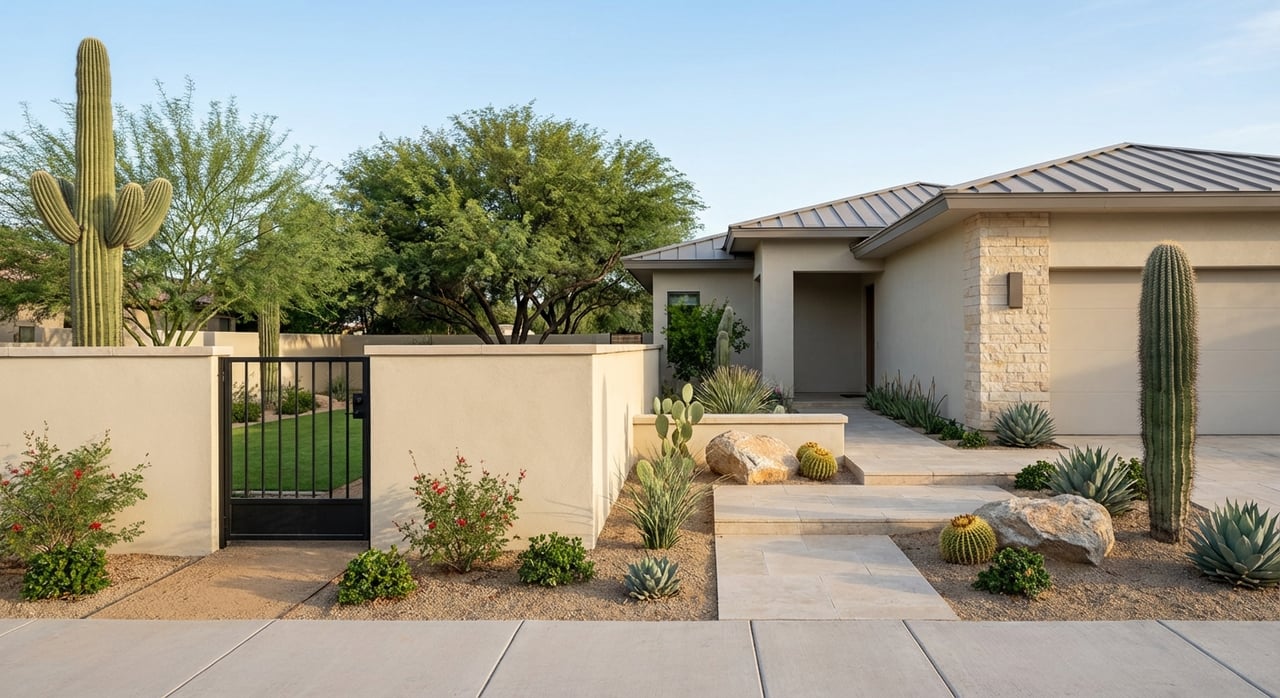
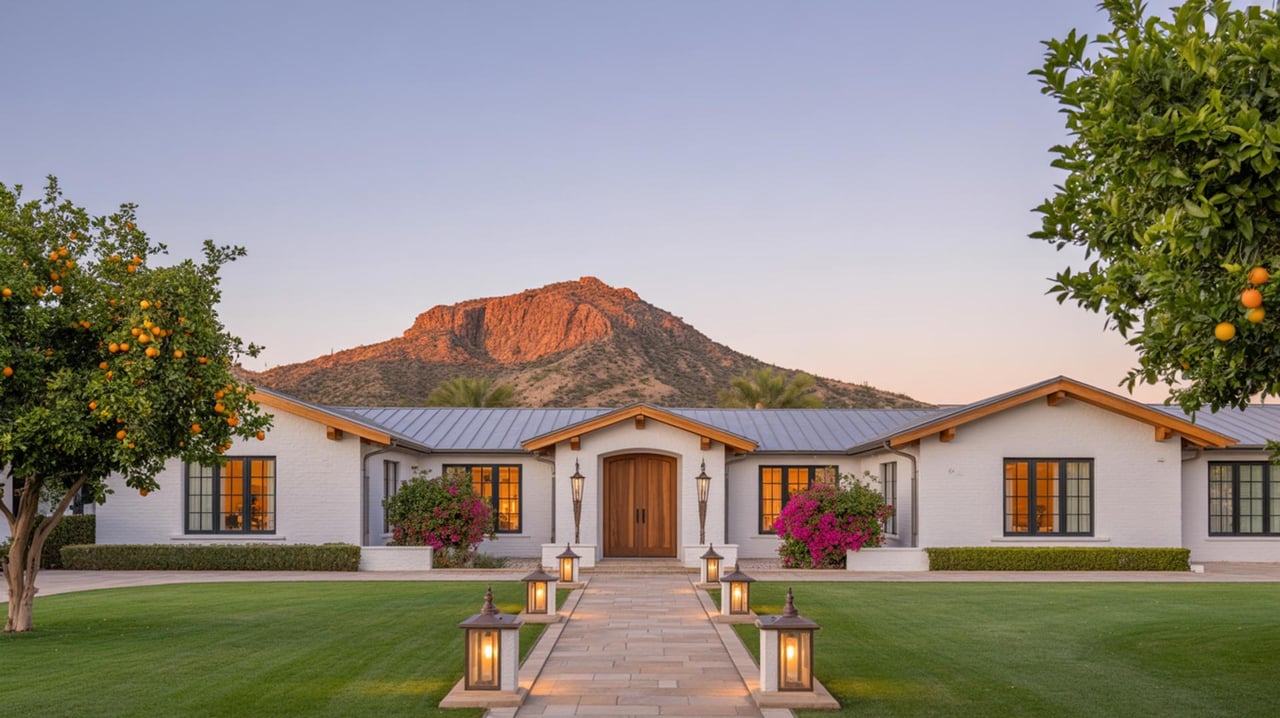
Ranch and Western-regional homes favor single-story or low two-story massing with broad porches, ramadas, and informal courtyards. You’ll see stucco and stone bases, gravel or decomposed granite hardscape, and outdoor rooms designed for casual gatherings. Rooflines are simple. Details lean sturdy rather than ornate.
You’ll also find these palettes scaled to townhomes and villa products, which carry the same materials and forms at a smaller footprint.
What it feels like day to day: relaxed, livable spaces with lots of shade and easy transitions to the yard.
Transitional blends
Many DC Ranch properties have been updated over time, which produces hybrids. You might see a traditional clay-tile exterior paired with a contemporary great room and a multi-panel slider, or a modern form softened with stone and timber details. These blends deliver the openness today’s buyers love while fitting the community’s desert-forward look.
Where styles tend to cluster
- Silverleaf concentrates Mediterranean and Spanish-revival estates, often on hillside or golf settings, with formal courtyards and layered outdoor rooms highlighted in national coverage.
- Across other DC Ranch villages, you’ll find a healthy mix. Desert contemporary appears in newer custom work and remodels. Ranch and Western-regional styles show up widely in single-family neighborhoods and in villa and townhome communities. The common thread is a desert-appropriate palette and strong indoor–outdoor connections.
If you want a specific style on a particular street or lot orientation, a targeted search strategy helps. Your agent can filter by roof type, year built, and architectural notes to zero in faster.
How to read a DC Ranch listing
Quick checklist
- Roof and silhouette: Flat or very low-slope roofs with long, horizontal lines often signal desert contemporary. Red or terracotta clay tile typically points to Mediterranean or Spanish.
- Openings and glass: Wide sliders that stack or pocket, large glass walls, and continuous indoor–outdoor flow lean modern. Arched loggias and small, deeply recessed windows suggest a traditional Mediterranean feel. For reference, see how architects use folding or pocketing glass walls to extend living space.
- Courtyard sequence: A walled entry that opens to a courtyard, then to the front door, is a strong Spanish or Mediterranean cue. Informal side courtyards and ramadas are common in ranch and Western-regional homes.
- Materials and color: Smooth stucco, natural stone, and concrete or metal accents are common in desert contemporary. Stucco with decorative tile, wrought iron, and heavy timber shows up in Mediterranean and Tuscan revival.
- Outdoor rooms: Covered patios, portales, and ramadas are standard across styles. Look for ceiling fans, built-in heaters, and misters that extend the season.
Landscaping and outdoor living essentials
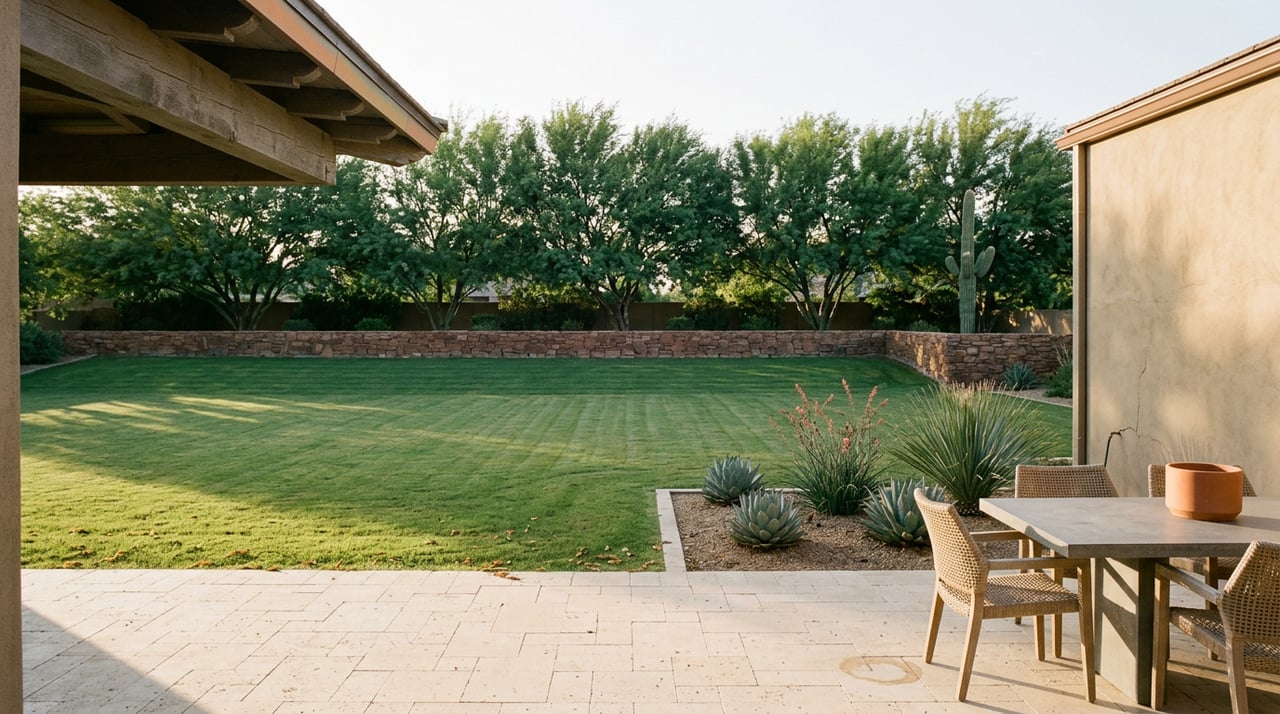
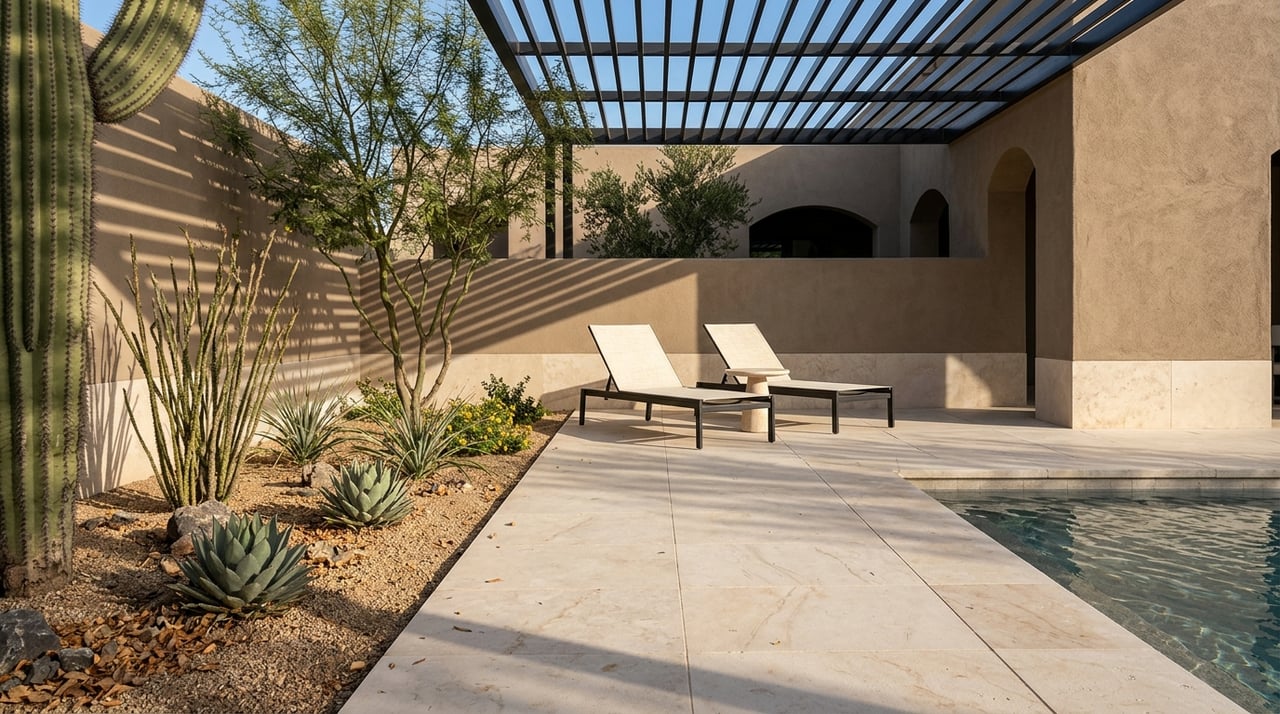
DC Ranch landscapes make the desert livable. Shade trees like palo verde or mesquite create outdoor rooms, while sculptural plants such as agave and ocotillo add form with minimal water. Drip irrigation and hardscape terraces keep upkeep simple. For best practices and plant lists, tap into Arizona water-wise landscaping guidance.
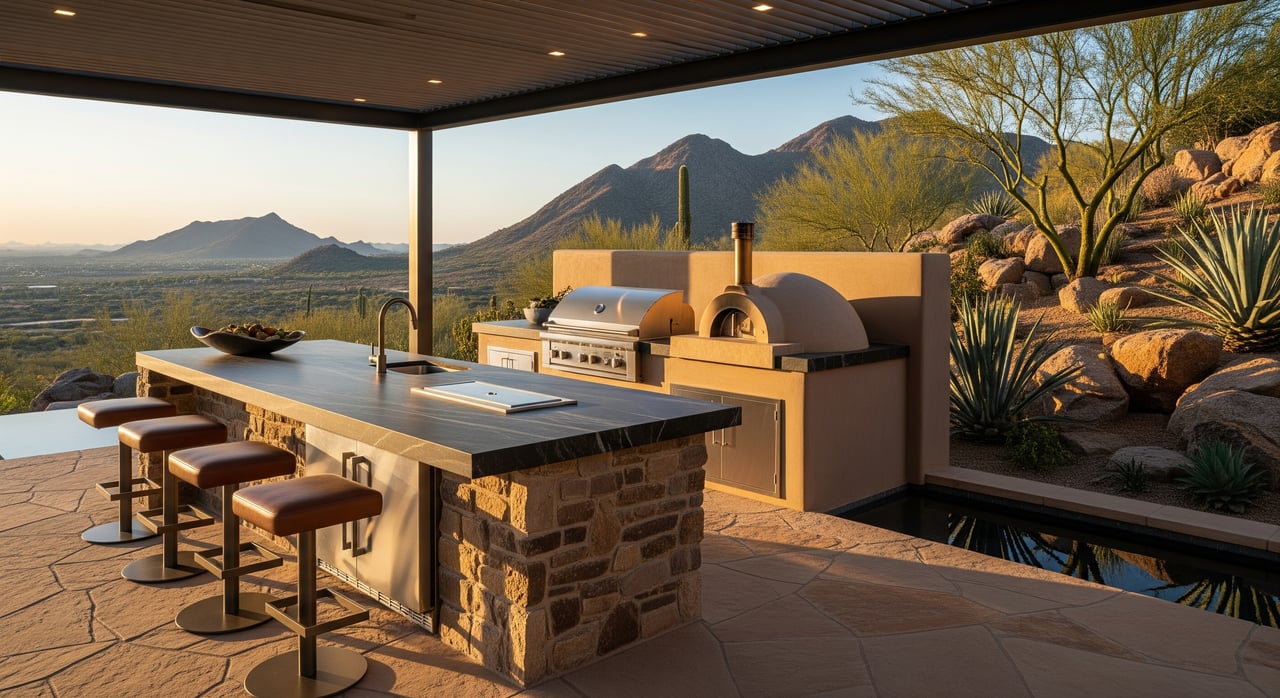
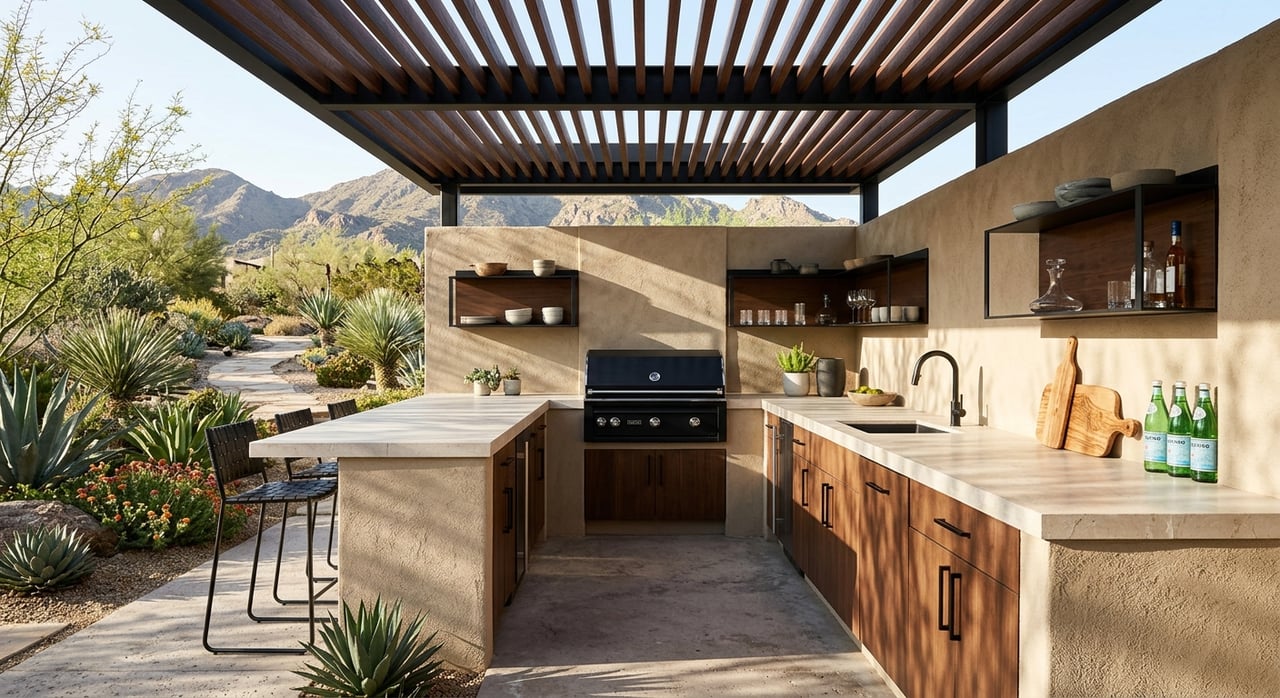
In higher-end properties and estates, you’ll often find outdoor kitchens, fireplaces or fire pits, and pools integrated with covered seating. The most successful designs balance sun and shade while protecting views.
Renovations, HOA review, and permits
If you plan exterior changes, start with two checks. First, review the DC Ranch Standards & Guidelines and the community’s Builder Construction Guidelines. Most visible exterior work follows a formal process with submittals for preliminary and final design review. This applies to paint changes, major landscape conversions, hardscape, lighting, and any additions.
Second, confirm city requirements. Pools, spas, structural shade covers, and large patios typically require City of Scottsdale permits. You can verify scope and timelines through the city’s permit services.
A practical tip: plan your project timeline with both reviews in mind. Aligning HOA approvals and permits early reduces surprises and keeps construction moving.
Which style fits your lifestyle
Use how you live to guide your choice, then validate it on tour days.
- If you want bright, open living with minimal ornament, desert contemporary will likely fit. It pairs well with low-water landscapes and streamlined maintenance.
- If you value tradition, gracious shade, and formal courtyards, a Mediterranean or Spanish-revival home could be right. Expect more detailing and, in some cases, more landscape upkeep depending on your plant choices.
- If you prefer casual, easygoing spaces and wide porches, ranch and Western-regional homes deliver comfort and flexibility. These plans often balance shade and openness with simple materials.
No matter your pick, focus on orientation, shade, and glass placement. Those details shape comfort as much as style.
Ready to explore DC Ranch?
Finding the right home here is about more than square footage. It is about views, outdoor flow, and a style that fits your day-to-day life. If you want a guided tour by village and style, or you are weighing a remodel within HOA guidelines, the Mattisinko Group can help you navigate with confidence and care. Get a Free Home Valuation.
FAQs
How can I tell desert contemporary from Mediterranean in photos?
- Look for roof and openings. Long, low rooflines and wide glass walls point to desert contemporary, while red or terracotta tile roofs, arches, and courtyards signal Mediterranean or Spanish revival.
Are exterior remodels in DC Ranch hard to approve?
- Most visible exterior work follows a formal process. Start with the community’s Standards & Guidelines and contact the Covenant Commission early to confirm submittal steps and village-specific palettes.
Which DC Ranch style is lowest maintenance?
- Homes that pair durable materials like stucco and stone with xeriscape plantings typically reduce water and upkeep needs. For plant ideas, see Arizona water-wise landscaping guidance.
Do I need permits for a new pool or large patio in DC Ranch?
- Yes. Most pools, spas, structural shade covers, and large patios require City of Scottsdale permits and DC Ranch design review. Check the city’s permit services and the community’s Builder Construction Guidelines before you start.